








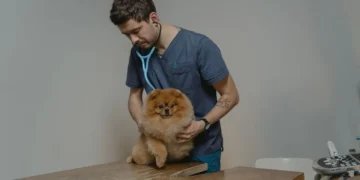







Quick take: Neck and back pain in dogs can range from a mild sore muscle to a serious spinal injury. Look for changes in posture, reluctance to move, or pain when you touch the neck or back. If your dog shows severe pain, weakness, or loss of bladder control, seek veterinary care right away.
It’s 9 p.m., and you’re scrolling through pictures of your golden retriever, Max, when you notice he’s lying on his side, his head turned oddly, and he barely lifts his front paws to step onto the rug. His usual “good morning” wag is gone, and a quick press on his neck makes him flinch. Your heart races and the Google search bar fills with “dog neck pain symptoms.” You’re not alone—many owners wonder whether this is a simple strain or something that could threaten Max’s life.
We understand how unsettling spinal pain can feel. The good news is that early detection and proper care can often keep your dog comfortable and active. In this guide, we’ll explain what neck and back pain in dogs actually means, why it happens, how to spot it, when to call the vet, what diagnostics and treatments are available, how much they might cost, and what you can do at home to prevent future problems.
Read on to learn the signs, the steps your vet will take, the treatment options—from medication to surgery—and practical tips for feeding and protecting your canine companion.
What is neck and back pain in dogs?
Neck and back pain, medically referred to as cervical or thoracolumbar spinal pain, occurs when the structures that make up the spine—vertebrae, intervertebral discs, joints, muscles, ligaments, and nerves—are irritated or damaged. In simple terms, it’s the canine equivalent of a human “backache.” The pain can be acute (sudden onset) or chronic (lasting weeks to months) and may affect any part of the spinal column.
While any dog can develop spinal pain, certain breeds and ages are more prone. According to the American College of Veterinary Surgeons (ACVS), intervertebral disc disease (IVDD) is one of the most common causes in small and medium breeds, whereas larger breeds often develop arthritis or spondylosis as they age.
What causes it?
Spinal pain in dogs usually stems from one of several categories. Below is a concise overview of the most frequent causes.
| Category | Typical Cause | Breeds at Higher Risk |
|---|---|---|
| Intervertebral disc disease (IVDD) | Herniation or degeneration of the cushioning discs | Dachshunds, French Bulldogs, Cocker Spaniels |
| Arthritic changes (spondylosis, osteoarthritis) | Wear‑and‑tear of facet joints | German Shepherds, Labrador Retrievers, older dogs |
| Trauma | Falls, car accidents, or blunt force injuries | All breeds, especially active dogs |
| Infectious or inflammatory disease | Tick‑borne infections (e.g., Lyme), discospondylitis | Dogs exposed to ticks, hunting dogs |
| Neoplasia (tumors) | Spinal cord or vertebral tumors | Breeds with known cancer predisposition, e.g., Boxers |
Signs and symptoms
Spotting spinal pain early can make a huge difference in outcome. Below is a progression chart that helps you differentiate mild, moderate, and severe signs.
| Severity | Typical Signs |
|---|---|
| Mild | Reluctance to jump, slight stiffness, occasional yelping when the neck or back is touched. |
| Moderate | Noticeable limp, reduced range of motion, frequent sighing or whimpering, avoidance of certain movements. |
| Severe | Sudden inability to stand, dragging of hind limbs, loss of bladder or bowel control, intense vocalization when handled. |
Other red‑flag signs include:
- Swelling or heat over the spine.
- Visible deformity or “hunching” of the back.
- Sudden onset after a fall or car ride.
- Changes in posture—head held low or tucked in.
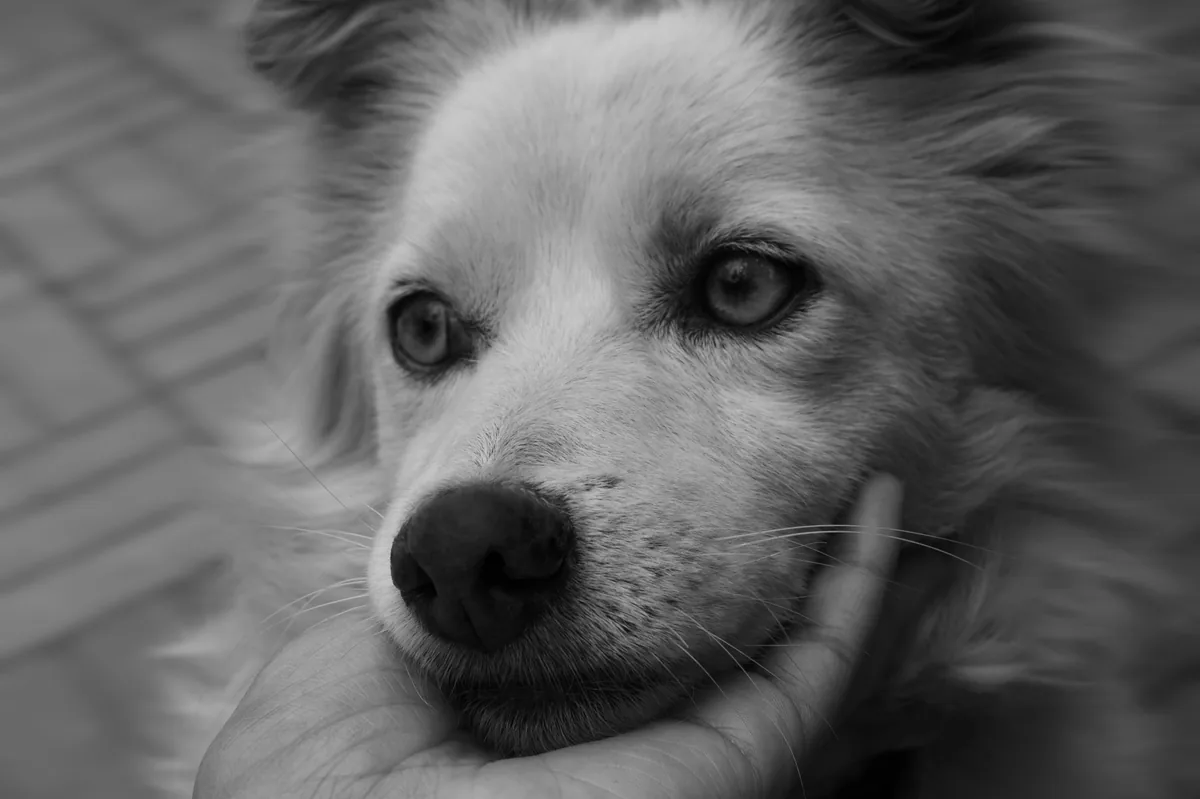
When to call your vet
Call your vet today if you notice any of the following:
- Persistent stiffness or reluctance to jump.
- Whining when you gently touch the neck or back.
- Reduced activity for more than 24 hours.
- Changes in gait that don’t improve with rest.
Go to an emergency veterinary hospital right now if your dog shows any of these urgent signs:
- Sudden inability to stand or walk.
- Dragging or paralysis of hind limbs.
- Loss of bladder or bowel control.
- Severe, constant vocalization or crying.
These symptoms suggest possible spinal cord compression or severe trauma that requires immediate attention.
This information is for educational purposes only and is not a substitute for professional veterinary care.
How vets diagnose it
Diagnosing neck or back pain involves a systematic approach:
- History and physical exam: Your vet will ask about the onset, any recent injuries, and will gently palpate the spine while observing your dog’s movement.
- Neurologic assessment: Reflex testing and gait analysis help determine if nerves are affected.
- Imaging:
- X‑rays give a quick look at bone alignment, disc space narrowing, and obvious fractures.
- Advanced imaging such as MRI or CT scans provides detailed views of soft tissue, spinal cord, and disc material. The American Veterinary Medical Association (AVMA) recommends MRI for suspected IVDD with neurologic signs.
- Laboratory tests: Blood work can rule out infections or inflammation that might affect the spine, such as Lyme disease or discospondylitis.
These tests together give your vet a clear picture of the underlying cause and the best treatment plan.
Treatment options
Medical treatment
Most dogs with mild to moderate spinal pain respond well to conservative medical management. Common drug classes include:
- NSAIDs (non‑steroidal anti‑inflammatory drugs): Medications like carprofen or meloxicam reduce inflammation and pain. Ask your vet about this option.
- Muscle relaxants: Drugs such as methocarbamol help relieve muscle spasms associated with spinal irritation.
- Opioids: For severe acute pain, short‑term use of tramadol or buprenorphine may be prescribed.
- Antibiotics: If an infection such as discospondylitis is identified, a course of appropriate antibiotics will be necessary.
Physical therapy—including controlled leash walks, hydrotherapy, and passive range‑of‑motion exercises—often complements medication. Your vet may refer you to a certified canine rehabilitation specialist.
Supplements and supportive care
Evidence‑based supplements can aid recovery, especially for chronic or degenerative conditions:
- Omega‑3 fatty acids (EPA/DHA): These reduce inflammation and support joint health. A daily dose of a high‑quality fish‑oil supplement (e.g., 75 mg EPA per 10 lb body weight) is commonly recommended.
- Glucosamine & chondroitin: Helpful for dogs with arthritis of the facet joints. Look for products with ≥10 mg glucosamine per kg of body weight.
- Vitamin B‑complex: Supports nerve function and may improve recovery after spinal injury.
Always discuss supplement choices with your vet, as some can interact with prescription medications.
Procedures or surgery
When conservative care fails or when there is significant spinal cord compression, surgery may be the best option. Common procedures include:
- Hemilaminectomy: Removal of a portion of the vertebral bone to relieve pressure from a herniated disc.
- Ventral slot (ventral corpectomy): A less invasive approach for cervical disc disease.
- Fusion surgery: Stabilizes two vertebrae after severe fracture or tumor removal.
Post‑operative recovery typically involves strict confinement, pain management, and a gradual return to activity over 6–12 weeks. Hospitalization costs can range widely; see the cost section below for estimates.
Diet and nutrition
Nutrition plays a supportive role in managing spinal health, especially for dogs with chronic inflammation or degenerative disc disease. While no single “spinal diet” cures back pain, certain dietary principles can help reduce inflammation and maintain muscle mass.
- High‑quality protein: Lean meats provide essential amino acids for muscle repair. Aim for a diet with ≥18 % protein on a dry‑matter basis.
- Balanced omega‑3 fatty acids: As mentioned, EPA/DHA help control inflammation. Look for foods that list fish oil or flaxseed as a primary ingredient.
- Controlled calcium and phosphorus: Excess calcium can contribute to abnormal bone growth. Choose foods that meet AAFCO nutrient profiles without excessive mineral content.
- Joint‑supporting additives: Some therapeutic diets include glucosamine, chondroitin, or green‑lipped mussel extract, which may benefit facet‑joint arthritis.
Below is a quick guide on what to feed, limit, or avoid for dogs with spinal concerns.
| Do feed | Limit | Avoid |
|---|---|---|
| Lean chicken, turkey, or fish (cooked, no skin) | Table scraps high in fat | Raw bones that can splinter |
| Cooked sweet potatoes or pumpkin (digestible carbs) | Excessive dairy | High‑phosphorus foods (e.g., organ meats) |
| Commercial therapeutic diet formulated for joint health | Large amounts of treats | Grain‑free diets lacking balanced nutrients (unless AAFCO‑approved) |
When transitioning to a new food, do so gradually over 7–10 days—mix increasing amounts of the new diet with decreasing amounts of the old. This helps avoid gastrointestinal upset, which can further stress a dog already coping with pain.
For dogs with severe disc disease, your vet may recommend a prescription diet specifically designed for low‑fat, highly digestible nutrition to keep body weight optimal. Maintaining a healthy weight reduces strain on the spine and joints, a principle echoed by the American Animal Hospital Association (AAHA) weight‑management guidelines.
Cost and prognosis
Financial considerations are a real part of caring for a dog with spinal pain. Below are typical cost ranges for common diagnostics and treatments in the United States and United Kingdom (prices are estimates; actual costs vary by clinic and region).
| Service | US Estimate | UK Estimate |
|---|---|---|
| Veterinary exam & basic bloodwork | $80–$150 | £60–£120 |
| Digital X‑ray (full spine) | $150–$300 | £120–£250 |
| MRI (cervical or thoracolumbar) | $1,200–$2,500 | £800–£1,500 |
| Hemilaminectomy surgery | $4,000–$7,000 | £3,000–£5,500 |
| Post‑operative hospitalization (48 hr) | $500–$1,000 | £400–£800 |
| Physical therapy (10 sessions) | $800–$1,500 | £600–£1,200 |
Prognosis depends on the underlying cause, severity, and how quickly treatment begins. For IVDD without complete paralysis, many dogs recover fully with surgery—survival rates exceed 80 % according to the ACVS. Dogs with chronic arthritis or advanced disc degeneration may live comfortable lives with long‑term medication and lifestyle adjustments, though they may have intermittent flare‑ups.
Prevention and home care
While some spinal issues are unavoidable (e.g., genetic disc disease), many can be mitigated with proactive care:
- Weight management: Keep your dog at a healthy body condition score (BCS 4–5/9). A few extra pounds increase spinal load.
- Regular, low‑impact exercise: Short, controlled walks and swimming build core strength without jolting the spine.
- Safe environment: Use ramps or stairs instead of forcing jumps onto sofas or beds.
- Tick prevention: Year‑round tick control reduces risk of Lyme disease and other tick‑borne infections that can affect the spine.
- Routine veterinary check‑ups: Annual examinations allow early detection of degenerative changes. Your vet may suggest baseline X‑rays for high‑risk breeds.
For active dogs—like border collies or Labrador retrievers—consider a canine fitness program that includes core‑strengthening exercises. The American Veterinary Medical Association (AVMA) notes that a balanced regimen of strength, flexibility, and endurance work can lower the incidence of spinal injuries.
From our vet team: “If you ever feel uncertain about your dog’s pain level, it’s better to err on the side of caution. Early imaging and a targeted treatment plan often prevent a small problem from becoming a life‑changing one.”
Key takeaways
- Neck and back pain can range from a mild strain to a serious spinal injury; look for changes in posture, reluctance to move, or pain on palpation.
- Common causes include IVDD, arthritis, trauma, infection, and tumors—some breeds are more predisposed.
- Call your vet today for any persistent stiffness or whining; seek emergency care if your dog can’t walk, shows weakness, or loses bladder control.
- Diagnosis typically involves a physical exam, neurologic testing, X‑rays, and often MRI for definitive assessment.
- Treatment options span NSAIDs, muscle relaxants, supplements, physical therapy, and surgery when needed.
- Maintain a healthy weight, provide omega‑3‑rich nutrition, and use low‑impact exercise to help prevent future spinal problems.
Myth vs. fact
Myth: “All dogs with back pain need surgery.”
Fact: Most cases, especially mild to moderate pain, respond well to medical management and physical therapy; surgery is reserved for severe compression or failure of conservative treatment.
Myth: “If my dog isn’t limping, they don’t have spinal pain.”
Fact: Dogs often hide pain; subtle signs like a lowered head, decreased enthusiasm, or reluctance to jump can indicate neck or back discomfort.
Myth: “A special diet can cure spinal disease.”
Fact: While proper nutrition supports overall health and reduces inflammation, diet alone cannot reverse structural spinal damage.
Frequently asked questions
What are the most common causes of neck pain in dogs?
Intervertebral disc disease, facet‑joint arthritis (spondylosis), and trauma are the top three causes, with certain breeds like Dachshunds and German Shepherds being more susceptible.
How can I tell if my dog’s back pain is an emergency?
If your dog suddenly can’t stand, shows weakness or paralysis, or loses control of its bladder or bowels, treat it as an emergency and go to an emergency veterinary hospital right away.
What diagnostic tests are used to evaluate spinal pain in dogs?
Vets start with a physical and neurologic exam, then typically use X‑rays for bone assessment and MRI or CT scans for detailed view of discs, spinal cord, and soft tissues.
What treatment options are available for canine neck and back pain?
Treatment ranges from NSAIDs, muscle relaxants, and supplements to physical therapy and, when needed, surgical decompression such as hemilaminectomy or ventral slot procedures.
How much does treatment for dog spinal problems typically cost?
Basic exams and bloodwork may cost $80–$150, while advanced imaging like MRI can exceed $2,000. Surgery for a herniated disc often ranges from $4,000 to $7,000, plus post‑op care and rehab.
Can diet or supplements help dogs with chronic back pain?
Yes—omega‑3 fatty acids, glucosamine/chondroitin, and high‑quality protein can reduce inflammation and support joint health, but they should complement, not replace, veterinary‑prescribed treatment.
Ask the PuppaDogs community
Have a question this article didn’t fully answer? Want to compare notes with other dog owners who’ve been through this? Our community forum is moderated by experienced owners and vets — and answers tend to come fast. Ask in the PuppaDogs community →
References
- American College of Veterinary Surgeons (ACVS). “Intervertebral Disc Disease in Dogs.”
- American Animal Hospital Association (AAHA). “Weight Management Guidelines for Dogs.”
- American Veterinary Medical Association (AVMA). “MRI Use in Canine Neurologic Cases.”
- Merck Veterinary Manual. “Spinal Cord Injuries and Disorders.”
- American College of Veterinary Internal Medicine (ACVIM). “Guidelines for Diagnosis and Treatment of Canine Disc Disease.”
- Cornell University College of Veterinary Medicine. “Canine Orthopedic Rehabilitation.”
- World Small Animal Veterinary Association (WSAVA). “Joint Health Nutrition Recommendations.”
- UC Davis Veterinary Medicine. “Dietary Management of Osteoarthritis in Dogs.”


