
















Quick take: Mouth cancer (gingival squamous cell carcinoma) is a malignant tumor that starts on the gums and can spread quickly. Early signs include pale gums, bad breath, and difficulty chewing. Prompt veterinary evaluation, imaging, and biopsy are essential, and treatment often involves surgery, radiation, and pain management. Survival varies, but early detection improves outlook and keeps costs more manageable.
It’s 9 p.m., the house is quiet, and your 8‑year‑old mixed‑breed Labrador, Bella, refuses her usual evening walk. She sits on the rug, tongue hanging, eyes a little dull. You notice her gums look pink‑gray instead of the bright red you’re used to, and a faint, foul odor lingers when she sighs. Your heart races as you start Googling “dog mouth cancer.” The worry is real, but you’re not alone.
We understand how unsettling a possible cancer diagnosis can feel. The good news is that many dogs with gingival squamous cell carcinoma (SCC) live comfortable lives when the disease is caught early and managed with the right combination of surgery, radiation, and supportive care. In this guide we’ll explain what gingival SCC is, why it happens, what to look for, how vets diagnose and treat it, what you might expect financially, and steps you can take to prevent—or at least catch—it early.
Read on for a clear, step‑by‑step roadmap, from the first red flag to post‑treatment nutrition, and know exactly when to pick up the phone and call your vet.

What is mouth cancer (gingival squamous cell carcinoma) in dogs?
Gingival squamous cell carcinoma is a malignant tumor that arises from the squamous cells lining the gums. These cells normally protect the mouth, but when they become cancerous they grow aggressively, invade nearby bone and tissue, and can spread (metastasize) to lymph nodes, lungs, or other organs. SCC is the most common type of oral cancer in dogs, accounting for roughly 40 % of all canine oral tumors according to the American Veterinary Medical Association (AVMA).
While any dog can develop oral SCC, the disease is most frequently diagnosed in middle‑aged to senior dogs (7–12 years). The tumor often appears as a raised, ulcerated mass on the gingiva (gum line), but it can also arise on the tongue, palate, or cheek.
What causes it?
Exact triggers are still being researched, but several risk factors are well‑documented:
- Breed predisposition: Golden Retrievers, German Shepherds, Rottweilers, and Labrador Retrievers have higher reported rates (AKC breed health surveys).
- Age: Dogs over 7 years old are most at risk.
- Environmental factors: Chronic exposure to tobacco smoke, certain pesticides, and long‑term inflammation from dental disease may increase risk (AAHA 2022 Environmental Health Guidelines).
- Gender: Males are slightly more often affected, possibly due to higher rates of oral trauma.
Most cases arise without a single identifiable cause; it’s likely a mix of genetics, chronic irritation, and environmental exposure.
Signs and symptoms
Early detection hinges on noticing subtle changes. Below is a progression guide you can use at home.
| Stage | Typical signs |
|---|---|
| Early / mild | Pale or pink‑gray gums, slight bad breath, occasional drooling, mild pain when chewing. |
| Moderate | Visible red or ulcerated mass on gums, difficulty eating dry kibble, noticeable weight loss, whine or growl during meals. |
| Severe | Large tumor invading bone, inability to eat, excessive bleeding, facial swelling, lethargy, coughing (if metastasized). |
Other red flags include persistent oral bleeding, facial asymmetry, or a change in the dog’s temperament (becoming irritable or withdrawn). Because many of these signs overlap with severe dental disease, a veterinary exam is crucial.
When to call your vet
Call your vet today if you notice any of the following:
- Pale or discolored gums that don’t improve after a few days.
- Bad breath that suddenly worsens.
- Visible swelling, ulceration, or a lump on the gums or inside the cheek.
- Changes in eating habits, weight loss, or signs of pain while chewing.
Go to an emergency veterinary hospital right now if you see:
- Active bleeding that won’t stop after applying gentle pressure.
- Severe facial swelling that obstructs breathing.
- Sudden collapse, extreme lethargy, or inability to stand.
These signs may indicate rapid tumor growth or a secondary infection that needs urgent care. This article is for informational purposes only and does not replace a hands‑on veterinary exam.
How vets diagnose it
Diagnosis combines a thorough history, physical exam, and several targeted tests:
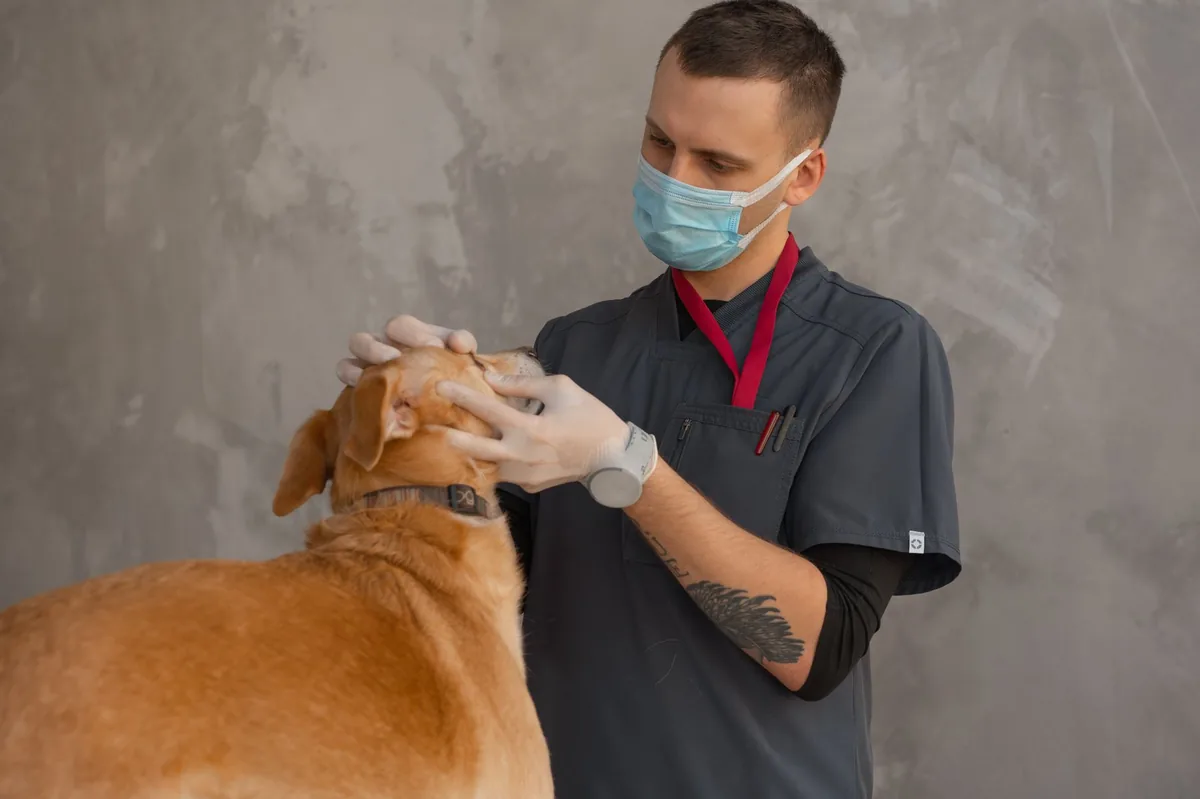
- Oral examination: The vet visually inspects the mouth, palpates the gums, and may use a speculum to view hard‑to‑see areas.
- Biopsy: A small tissue sample is taken (often with a punch or excisional biopsy) and sent to a pathology lab. Histopathology confirms SCC and can grade the tumor’s aggressiveness.
- Imaging: Dental radiographs (X‑rays) evaluate bone involvement. Computed tomography (CT) or magnetic resonance imaging (MRI) provides a 3‑D view of the tumor’s size and spread.
- Staging tests: Chest X‑rays or CT scans check for lung metastasis; ultrasound or fine‑needle aspirates of regional lymph nodes assess spread.
- Blood work: Complete blood count (CBC) and chemistry panel help gauge overall health and suitability for anesthesia or chemotherapy.
All of these pieces help the veterinary team decide on the most appropriate treatment plan.
Treatment options
Medical treatment
When surgery alone can’t remove the entire tumor, or if metastasis is present, medical therapies are added:
- Radiation therapy: External beam radiation (often a fractionated protocol of 8‑12 sessions) targets residual cancer cells. It’s considered the gold standard for oral SCC when surgery isn’t curative.
- Chemotherapy: Drugs such as carboplatin or cisplatin may be used alongside radiation (chemoradiation) or as palliative care. Your vet will tailor the regimen to your dog’s size and health.
- Non‑steroidal anti‑inflammatory drugs (NSAIDs): Piroxicam has shown some anti‑tumor activity in SCC; it’s sometimes prescribed for its dual pain‑relieving and potential anti‑cancer effects. Ask your vet about this option.
All medication choices should be discussed with your veterinarian, who will dose based on weight and disease stage.
Supplements and supportive care
Adjunctive nutrition can help maintain strength and improve quality of life:
- Omega‑3 fatty acids (EPA/DHA): Found in fish oil, they reduce inflammation and may modestly slow tumor growth. Aim for a product formulated for dogs, and ask your vet for the appropriate daily amount.
- Probiotics: Supporting gut health can aid digestion, especially if your dog is on antibiotics or has reduced appetite.
- Palmitoylethanolamide (PEA): An emerging supplement with anti‑inflammatory properties; limited evidence suggests it may help with cancer‑related pain. Discuss with your vet before adding.
These supplements are not cures, but they can make a difference in comfort and appetite during treatment.
Procedures or surgery
When the tumor is localized, surgical removal (mandibulectomy or maxillectomy) offers the best chance for long‑term control. The procedure may involve removing part of the jawbone, followed by reconstructive techniques such as titanium plates or custom 3‑D‑printed implants.
Post‑operative recovery typically includes a 10‑14 day hospital stay for pain control, antibiotics, and feeding tubes if the dog can’t chew. Full healing can take 4‑6 weeks, during which soft, easy‑to‑swallow foods are recommended.
Cost for oral SCC surgery varies widely: $4,000–$9,000 in the U.S., £3,000–£7,000 in the U.K., and AUS $5,000–$10,000 in Australia. Your vet can provide a detailed estimate based on your dog’s size and the extent of the surgery.
Diet and nutrition
Nutrition plays a vital role in supporting a dog fighting oral cancer. While no single diet can cure SCC, feeding a well‑balanced, highly digestible diet helps maintain body condition, encourages wound healing, and may reduce inflammation.
What to feed
- Highly digestible protein sources: Cooked chicken, turkey, or low‑fat beef provide essential amino acids without overburdening the stomach. Prescription therapeutic diets labeled “high‑protein, low‑fat” are also suitable.
- Soft, moist foods: Wet dog food, homemade meat‑broth‑based meals, or a blended kibble mixed with warm water make chewing easier and reduce gum irritation.
- Omega‑3 enriched foods: Some commercial diets (e.g., Hill’s Prescription Diet k/d with added fish oil) include EPA/DHA, supporting anti‑inflammatory pathways.
- Calorie density: Cancer and pain often decrease appetite. Adding healthy fats (e.g., a teaspoon of fish oil or a drizzle of olive oil) can boost calories without increasing volume.
What to limit or avoid
- Hard kibble: Large, crunchy pieces can irritate ulcerated gums. If you prefer dry food, soak it thoroughly or switch to a soft‑mash.
- High‑sugar treats: Excess sugar can fuel inflammation and may interfere with certain chemotherapy agents.
- Bone‑in‑mouth toys: They risk further gum trauma and potential infection.
Prescription therapeutic diets
Veterinarians often recommend “cancer‑support” diets that are enriched with antioxidants, omega‑3s, and highly digestible proteins. Brands such as Royal Canin Veterinary Diet Oncology or Purina Veterinary Diets HA can be appropriate, but the specific choice should be guided by your vet’s assessment of your dog’s nutritional needs and any concurrent conditions (e.g., kidney disease).
Feeding schedule and transition
Offer small, frequent meals (3–4 times daily) to encourage intake without overwhelming the mouth. When transitioning to a new diet, mix 25 % new food with 75 % old food for a few days, then gradually increase the proportion. Monitor weight, stool quality, and enthusiasm for meals; adjust as needed.
Hydration
Oral pain can reduce water intake. Provide fresh water in a shallow bowl, consider adding low‑salt broth, or use a pet water fountain to encourage drinking.
| Food category | Do feed | Limit | Avoid |
|---|---|---|---|
| Protein | Cooked chicken, turkey, low‑fat beef | Raw meat (risk of bacteria) | Processed meats with nitrates |
| Carbohydrate | Cooked rice, sweet potato, oatmeal | Heavy grain kibble | High‑sugar treats |
| Fats | Fish oil, olive oil (moderate) | Excessive butter | Fried foods |
| Supplements | Omega‑3 (EPA/DHA), probiotics | Unverified “herbal” blends | Human vitamins without vet guidance |
Remember, each dog is unique. Your veterinarian can tailor a nutrition plan that fits your dog’s stage of disease, treatment side effects, and personal preferences.
Cost and prognosis
Financial planning is a real concern for many families. Below is a broad range of typical expenses, based on data from the American Animal Hospital Association (AAHA) and the Veterinary Cancer Society:
| Component | US estimate | UK estimate |
|---|---|---|
| Diagnostic work‑up (biopsy, blood work, imaging) | $800–$2,200 | £600–£1,500 |
| Surgery (partial mandibulectomy) | $4,000–$9,000 | £3,000–£7,000 |
| Radiation therapy (8‑12 fractions) | $5,000–$9,000 | £4,000–£8,000 |
| Chemotherapy (single agent) | $1,200–$3,000 | £800–£2,500 |
| Palliative care (pain meds, supplements) | $200–$600 per month | £150–£500 per month |
Overall, total treatment can range from $6,000 to $20,000 (or £5,000–£15,000) depending on the chosen modalities and geographic location.
Prognosis varies with tumor stage at diagnosis:
- Early‑stage (localized) SCC: Median survival of 12–18 months with surgery ± radiation.
- Advanced (bone invasion or metastasis): Median survival drops to 4–8 months, though palliative care can extend quality of life.
These figures are averages; individual outcomes depend on age, overall health, and how aggressively the tumor responds to treatment.
Prevention and home care
While you can’t eliminate all risk, regular dental hygiene and vigilant monitoring dramatically improve early detection:
- Daily tooth brushing: Use a canine‑specific toothbrush and toothpaste to reduce plaque and chronic inflammation.
- Routine dental cleanings: Professional cleanings annually or as recommended by your vet (AAHA Dental Health Guidelines).
- Environmental control: Avoid exposing your dog to tobacco smoke or known carcinogens. Store chemicals and pesticides out of reach.
- Regular vet check‑ups: Include oral exams in wellness visits, especially for breeds at higher risk.
- Monitor at home: Perform a quick gum check each week—lift the lip and look for color changes, swelling, or ulceration.
If a tumor is found, ask your vet about a “staged” treatment plan that balances efficacy with your dog’s comfort and your financial resources. Early intervention often reduces the need for more invasive, costly procedures later.
From our vet team: “Seeing a dog in pain is heartbreaking, but pain control is a cornerstone of care. Even if the tumor can’t be cured, effective analgesia, a soft diet, and compassionate support can give your dog many happy, comfortable months.”
Key takeaways
- Gingival squamous cell carcinoma is the most common oral cancer in dogs and often appears as a pale, ulcerated gum mass.
- Early signs—pale gums, bad breath, and difficulty chewing—should prompt a vet call within 24 hours.
- Diagnosis relies on a biopsy and imaging; treatment may combine surgery, radiation, and pain‑relieving medication.
- Nutrition with soft, high‑protein, omega‑3‑rich foods helps maintain weight and supports healing.
- Costs vary widely ($6K–$20K), so discuss a staged plan and possible financial assistance with your vet.
- Regular dental care and routine oral exams are the best prevention tools you can use at home.
Myth vs. fact
Myth: All mouth cancers in dogs are fatal within weeks.
Fact: Early‑stage gingival SCC can be managed for a year or more with surgery and radiation; palliative care can further extend quality of life.
Myth: Home remedies can cure oral tumors.
Fact: No home remedy replaces veterinary treatment; supplements may aid comfort but cannot eliminate cancer cells.
Myth: Only large breeds get mouth cancer.
Fact: While certain breeds have higher risk, any dog—including small breeds—can develop SCC.
Frequently asked questions
What are the common symptoms of mouth cancer in dogs?
The most frequent signs are pale or pink‑gray gums, a foul odor, visible ulcerated masses on the gums or palate, difficulty chewing, weight loss, and facial swelling.
How is gingival squamous cell carcinoma diagnosed?
Diagnosis starts with a physical oral exam, followed by a biopsy to confirm SCC, and imaging (X‑ray, CT, or MRI) to assess bone involvement and metastasis.
What treatment options are available for dogs with oral cancer?
Options include surgical removal of the tumor, radiation therapy, chemotherapy (often combined with radiation), NSAIDs like piroxicam, and supportive care such as pain medication and nutritional supplements.
Is oral cancer in dogs usually fatal?
Prognosis depends on stage. Early‑stage, localized SCC can have a median survival of 12–18 months with aggressive treatment, while advanced disease shortens life expectancy but palliative care can still provide comfort.
How much does treatment for dog mouth cancer typically cost?
Overall costs range from $6,000 to $20,000 in the United States, covering diagnostics, surgery, radiation, chemotherapy, and ongoing palliative care. Exact figures depend on the chosen modalities and geographic location.
Can diet or supplements help a dog with mouth cancer?
While they cannot cure the disease, a soft, highly digestible diet enriched with omega‑3 fatty acids and probiotics can support weight maintenance, reduce inflammation, and improve overall comfort during treatment.
Ask the PuppaDogs community
Have a question this article didn’t fully answer? Want to compare notes with other dog owners who’ve been through this? Our community forum is moderated by experienced owners and vets — and answers tend to come fast. Ask in the PuppaDogs community →
References
- American Veterinary Medical Association (AVMA). “Cancer in Dogs.” 2023.
- American Animal Hospital Association (AAHA). “Dental Health Guidelines.” 2022.
- American College of Veterinary Internal Medicine (ACVIM). “Oral Tumor Staging and Treatment.” 2021.
- Merck Veterinary Manual. “Squamous Cell Carcinoma, Oral.” Updated 2023.
- American Kennel Club (AKC). “Breed Health Surveys.” 2022.
- World Small Animal Veterinary Association (WSAVA). “Environmental Carcinogens and Pet Health.” 2021.
- Veterinary Cancer Society. “Cost of Cancer Care for Dogs.” 2022.
- Cornell University College of Veterinary Medicine. “Oral Cancer in Dogs: Clinical Management.” 2023.
