












Quick take: Mothball toxicity can happen when a dog or cat ingests, inhales, or even touches the chemicals in mothballs. Early signs include vomiting, drooling, and rapid breathing; severe cases may lead to liver damage or seizures. Prompt veterinary care—often involving decontamination, activated charcoal, and supportive treatment—greatly improves the chance of a full recovery.
It’s 11 p.m., and you’ve just noticed your golden retriever, Max, sitting unusually still on the kitchen floor, his gums looking a shade paler than usual. You glance around for clues and spot a small, translucent white mothball that rolled out from under the pantry door. Your heart races as you wonder whether that tiny plastic pellet could be dangerous.
First, breathe. Mothball poisoning is a real risk, but it’s also very treatable when caught early. In this guide we’ll explain exactly what mothball toxicity is, how pets are exposed, what symptoms to watch for, how veterinarians confirm the diagnosis, and what treatment and prevention steps you can take. By the end you’ll know when to call your vet, what to expect at the clinic, and how to keep your home safe for every furry family member.
What is mothball toxicity?
Mothball toxicity refers to poisoning that occurs after a pet comes into contact with the chemicals inside common mothballs. The two primary compounds are naphthalene and paradichlorobenzene (PDB). Both are volatile, meaning they evaporate into the air, and both are toxic if swallowed, inhaled, or absorbed through the skin.
In dogs and cats, naphthalene tends to cause more severe liver damage, while PDB is more likely to affect the respiratory system and cause neurological signs. Toxicity can develop within minutes to several hours after exposure, depending on the amount and the route.
These chemicals are not used in pet products, but they are still sold in many households for protecting clothing and stored items from moths. According to the American Veterinary Medical Association (AVMA), mothball poisoning, while relatively uncommon, accounts for a noticeable portion of household toxin exposures in dogs and cats each year.
What causes it?
Pets usually encounter mothballs in three ways:
- Ingestion: Chewing or swallowing a mothball, often after it falls from a shelf or is hidden in pet toys.
- Inhalation: Breathing in the vapor from mothballs placed in closets, basements, or laundry rooms.
- Skin contact: Licking or rubbing against a surface where a mothball has been placed, especially if the pet has a wound or irritated skin.
Risk factors include:
| Risk factor | Why it matters |
|---|---|
| Small breed or kitten | Smaller body weight means a higher toxin dose per kilogram. |
| Curious or food‑motivated pets | More likely to chew on non‑food objects. |
| Indoor‑only lifestyle | Greater exposure to household chemicals. |
| Improper storage | Mothballs left where pets can reach them increase accidental ingestion. |
Signs and symptoms
Symptoms can appear quickly or develop over a day. They differ slightly between dogs and cats, and also depend on whether the exposure was through ingestion or inhalation.
| Severity | Early / mild signs | Moderate signs | Severe / late signs |
|---|---|---|---|
| Dogs | Drooling, mild vomiting, loss of appetite | Rapid breathing, pale gums, tremors | Seizures, jaundice (yellow skin), coma |
| Cats | Drooling, coughing, lethargy | Labored breathing, disorientation, bright yellow eyes | Seizures, liver failure, sudden death |
Other red‑flag signs include:
- Unusual behavior such as agitation or stupor
- Unexplained bleeding from the nose or gums
- Dark or tarry stools (possible gastrointestinal bleeding)
Because early signs can mimic a simple stomach upset, it’s easy to miss the connection to mothballs—especially if the exposure was inhalational.

When to call your vet
Call your regular vet today if you notice any of the early or moderate signs listed above, especially if you suspect a mothball was ingested or the area was heavily scented.
Go to an emergency veterinary hospital right now if your pet shows any severe signs such as seizures, difficulty breathing, jaundice, or loss of consciousness. Time is critical—these symptoms indicate that the toxin is already affecting vital organs.
Remember, this article is for information only and does not replace hands‑on veterinary care. If you’re ever unsure, err on the side of caution and seek professional help.
How vets diagnose it
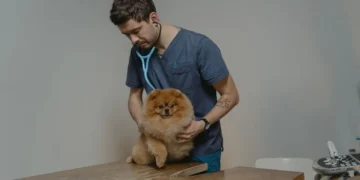
When you bring your pet in, the veterinarian will start with a thorough history: when you first noticed signs, any recent changes in the home (new mothballs, cleaning products), and potential exposure routes.
The physical exam focuses on mucous membrane color, respiratory rate, and neurologic status. Blood work is essential; a complete blood count (CBC) and serum biochemistry panel can reveal anemia, elevated liver enzymes (ALT, AST), and kidney involvement.
Specific toxin screens for naphthalene or PDB are not always available, but a high index of suspicion combined with the lab results often confirms the diagnosis. In some cases, abdominal X‑rays or ultrasound help rule out other causes of vomiting or abdominal pain.
Veterinarians may also use a urine dipstick to look for hemoglobinuria (blood in urine) that can occur with severe hemolysis caused by naphthalene.
Treatment options
Medical treatment
Initial care centers on decontamination. If ingestion was recent (within 1–2 hours), the vet may induce vomiting or perform gastric lavage to remove any remaining mothball fragments.
Activated charcoal is commonly administered because it binds many toxins, including naphthalene and PDB, reducing further absorption. Ask your vet about this option; it’s safe when given under professional supervision.
Supportive medications may include:
- IV fluids to maintain hydration and support kidney function.
- Anticonvulsants such as phenobarbital or midazolam for seizure control.
- Hepatoprotective agents like s‑adenosyl‑methionine (SAMe) or milk thistle extracts, which veterinarians may recommend for liver‑related toxicity.
Antibiotics are only used if a secondary bacterial infection develops, not as a direct antidote to mothball chemicals.
Supplements and supportive care
While supplements cannot reverse poisoning, they can help the liver recover after the acute phase. High‑quality omega‑3 fatty acids (EPA/DHA) have anti‑inflammatory benefits and may aid in tissue healing. Probiotics can support gut health if vomiting and diarrhea have disturbed the intestinal flora.
These adjuncts should be discussed with your vet, who can advise on appropriate brands and dosing based on your pet’s weight and condition.
Procedures or surgery
In severe cases where the toxin has caused extensive liver necrosis or gastrointestinal perforation, more invasive interventions such as plasma transfusion or exploratory surgery may be necessary. Recovery from such procedures can be lengthy (2–4 weeks) and costly, but they are rarely required if treatment begins early.
Diet and nutrition
Nutrition plays a supportive role while your pet recovers from mothball toxicity. The goal is to provide highly digestible, liver‑friendly foods that won’t add extra strain to compromised organs.
What to feed:
- Cooked, skinless chicken or turkey breast – lean protein that’s easy on the liver.
- White rice or boiled sweet potatoes – gentle carbohydrates that provide energy without fat overload.
- Low‑fat cottage cheese – a source of protein and calcium that’s easy to digest.
What to limit:
- High‑fat meats or processed treats – excess fat can worsen liver inflammation.
- Spicy or heavily seasoned foods – may irritate a sensitive stomach.
- Commercial dog foods with high ash content – ash can increase the metabolic load on the liver.
What to avoid:
- Any foods containing onions, garlic, or chives – these are toxic to dogs and cats on their own.
- Raw eggs (especially uncooked) – risk of salmonella and added protein burden.
- High‑protein, high‑fat prescription renal diets – designed for kidney disease, not liver recovery.
Many veterinarians recommend a short‑term “bland diet” for 3–5 days after toxin exposure, gradually re‑introducing regular kibble once the pet’s appetite returns and lab work shows improving liver values. If your dog or cat is a picky eater, warm the food slightly and add a drizzle of low‑sodium broth to increase palatability.
If your pet has an underlying liver condition, discuss a therapeutic diet such as a “low‑copper, high‑quality protein” prescription diet (e.g., Hill’s Prescription Diet l/d) with your vet. These diets are formulated to reduce hepatic workload while still providing essential nutrients.
Transition tips:
- Start with a 75 % bland diet / 25 % regular food mix.
- Increase the bland portion by 25 % each day over a week.
- Monitor stool consistency and energy levels—any regression warrants a call to the vet.
Hydration is also crucial. Fresh water should be available at all times, and you can encourage intake with low‑sodium broth or ice chips if your pet seems reluctant to drink.
Cost and prognosis
The financial impact of mothball poisoning varies widely based on severity, required diagnostics, and treatment intensity. Below are typical ranges for the United States and United Kingdom (both estimates, actual fees may differ).
| Service | US (USD) | UK (GBP) |
|---|---|---|
| Initial emergency exam & blood work | $150–$300 | £80–£150 |
| Activated charcoal & IV fluids (24 h) | $100–$250 | £60–£130 |
| Seizure management (meds + monitoring) | $200–$500 | £120–£300 |
| Hospitalization (per day) | $250–$600 | £150–£350 |
| Follow‑up labs & rechecks (2 weeks later) | $80–$150 | £40–£80 |
Overall prognosis is good when treatment begins within a few hours of exposure. Dogs that receive prompt decontamination and supportive care have a survival rate of 80–90 %. Cats tend to be more vulnerable to respiratory complications, so early intervention is especially critical for felines.
Long‑term effects are rare, but severe liver injury can lead to chronic hepatic insufficiency, requiring lifelong dietary management and periodic blood monitoring.
Prevention and home care
Keeping mothballs out of reach is the simplest way to protect your pets. Here are practical steps you can take today:
- Store mothballs in sealed, child‑ and pet‑proof containers placed high on a cabinet or in a locked drawer.
- Use alternative pest control methods such as cedar blocks, lavender sachets, or vacuum‑sealed storage for seasonal clothing.
- Inspect closets and pantries regularly for stray mothballs, especially after moving or seasonal cleaning.
- Educate household members about the danger of mothballs to pets, not just children.
- Maintain good ventilation in storage areas to reduce vapor buildup.
If you suspect a mothball has been dropped or broken, clean the area with a mild soap solution and ventilate the room for at least 30 minutes before allowing pets back in.
For families that rely on mothballs, consider switching to a vet‑approved pest deterrent that is specifically labeled “pet‑safe.” Many reputable brands now offer natural repellents that pose no toxicity risk.
Vet’s note
From our vet team: “Mothball poisoning can look like a simple upset stomach, but the rapid progression to liver or neurological issues means you should act fast. If you ever find a mothball where your dog or cat can reach it, treat the situation as a potential emergency—call your vet, bring the product label, and let the professionals handle decontamination. Early intervention is the difference between a quick recovery and a prolonged hospital stay.”
Key takeaways
- Mothballs contain naphthalene or paradichlorobenzene, both toxic if ingested, inhaled, or absorbed through the skin.
- Early signs include drooling, vomiting, and pale gums; severe signs can progress to seizures, jaundice, or respiratory distress.
- Prompt veterinary care—often involving activated charcoal and IV fluids—greatly improves survival odds.
- Keep mothballs sealed and out of reach; consider safer pest‑control alternatives for a pet‑friendly home.
- During recovery, feed a bland, low‑fat diet with easily digestible protein and stay vigilant for any worsening of symptoms.
Myth vs. fact
Myth: Only dogs can be poisoned by mothballs.
Fact: Both dogs and cats are vulnerable; cats may be more sensitive to inhaled vapors and can develop fatal respiratory distress.
Myth: Small amounts of mothball vapor are harmless.
Fact: Even low‑level inhalation can cause irritation and, over time, liver damage—especially in pets with pre‑existing health issues.
Myth: Home remedies like milk or honey can neutralize mothball toxins.
Fact: No home remedy reliably detoxifies naphthalene or PDB; professional veterinary treatment is required.
Frequently asked questions
What symptoms do dogs show after eating mothballs?
Dogs may drool, vomit, lose appetite, and develop pale gums within a few hours. As toxicity progresses, they can experience rapid breathing, tremors, seizures, and jaundice.
Is mothball poisoning fatal for cats?
It can be, especially if the cat inhales a large amount of vapor or ingests multiple mothballs. Early veterinary intervention dramatically reduces the risk of death.
How quickly do you need to get veterinary care for mothball ingestion?
Ideally within 1–2 hours of exposure. The sooner decontamination and activated charcoal are administered, the less toxin the body absorbs.
Can activated charcoal treat mothball toxicity?
Yes, activated charcoal is a standard emergency treatment that binds many toxins, including naphthalene and PDB, limiting further absorption. It must be given by a veterinarian to ensure safety.
What household items are safest to store away from pets?
Store chemicals like mothballs, cleaning agents, pesticides, and essential oils in locked cabinets. Use pet‑safe pest deterrents such as cedar blocks or lavender sachets instead of toxic mothballs.
Do mothballs cause liver damage in dogs?
Yes. Naphthalene can cause hemolysis and liver inflammation, leading to elevated liver enzymes and, in severe cases, hepatic failure.
Ask the PuppaDogs community
Have a question this article didn’t fully answer? Want to compare notes with other dog owners who’ve been through this? Our community forum is moderated by experienced owners and vets — and answers tend to come fast. Ask in the PuppaDogs community →
References
- American Veterinary Medical Association (AVMA). “Household Toxin Exposure in Pets.”
- American Animal Hospital Association (AAHA). “Guidelines for Emergency Care of Toxicologic Emergencies.”
- Merck Veterinary Manual. “Naphthalene and Paradichlorobenzene Toxicity.”
- World Small Animal Veterinary Association (WSAVA). “Management of Acute Poisonings.”
- Veterinary Clinics of North America: Small Animal Practice. Review article on hepatic toxicoses, 2022.
- University of California, Davis Veterinary Medicine. “Activated Charcoal Use in Small Animal Emergencies.”
- American College of Veterinary Internal Medicine (ACVIM). “Guidelines for Treatment of Seizures in Dogs and Cats.”
- Pet Poison Helpline. “Mothball (Naphthalene) Toxicity.”


