













Quick take: Miscarriage in dogs—also called a spontaneous abortion—is when a pregnant dog loses one or more fetuses before they’re fully developed. It can happen for many reasons, from infections to hormonal imbalances, and early signs are often subtle. If you notice vaginal bleeding, discharge, or a sudden change in behavior, contact your vet right away; prompt care can protect your dog’s health and future fertility.
It’s 11 p.m., and you’re staring at your normally lively golden retriever, Bella, who’s been nesting in her favorite blanket all afternoon. She’s not moving to greet you at the door, and when you gently lift the blanket you notice a faint pinkish discharge staining the fabric. Your heart races, and the internet search bar fills with “dog miscarriage” as you wonder if something is terribly wrong.
First, take a deep breath. Miscarriage in dogs is a relatively common event, especially in young or overly stressed dams, and many owners navigate it with the help of a veterinarian. In this guide we’ll explain what miscarriage means, why it happens, what to look for, how vets confirm it, and what you can do to support Bella now and protect future pregnancies. We’ll also cover costs, nutrition, and prevention so you feel prepared for every step.
What is miscarriage in dogs?
In canine terms, a miscarriage—also called a spontaneous abortion—is the loss of one or more fetuses before they reach full term (about 63 days of gestation). Unlike a “false pregnancy,” where a non‑pregnant dog shows signs of pregnancy without any embryos, a miscarriage involves actual fetal tissue that has died and is being expelled.
Spontaneous abortions occur in an estimated 5–15 % of all dog pregnancies, according to the American College of Veterinary Internal Medicine (ACVIM). The condition can affect any breed, but larger litters and certain genetic lines appear more vulnerable.
What causes miscarriage in dogs?
Miscarriage is usually multifactorial. Below are the most common categories of causes, each with a few representative examples.
| Category | Typical Causes |
|---|---|
| Infectious agents | Canine parvovirus, Brucella canis, Leptospira, canine herpesvirus, bacterial uterine infections (metritis) |
| Hormonal or metabolic disorders | Low progesterone, thyroid disease, diabetes, severe hypocalcemia |
| Genetic and anatomical factors | Chromosomal abnormalities, uterine malformations, inherited defects |
| Environmental stressors | Extreme heat, severe dietary changes, intense exercise, trauma |
| Nutrition deficiencies | Insufficient protein, lack of essential fatty acids, vitamin A excess |
Many owners discover a combination of these triggers—like a mild infection coupled with a sudden diet switch—contributing to the miscarriage.
Signs and symptoms
Early miscarriage can be tricky to spot because the signs often mimic normal pregnancy changes. Below is a progression chart to help you differentiate mild, moderate, and severe presentations.
| Stage | Typical Signs |
|---|---|
| Mild | Very light pink or brown vaginal discharge, slight decrease in appetite, mild lethargy |
| Moderate | Noticeable discharge (pink to red), abdominal cramping, restlessness, occasional vomiting |
| Severe | Heavy bleeding, foul‑smelling discharge, fever > 103 °F (39.5 °C), collapse, severe abdominal pain |
Other clues include a sudden loss of the “pregnancy swell” in the abdomen, a change in nipple size (they may shrink), and a marked drop in energy. Some dogs may have no outward signs at all, especially if the miscarriage occurs very early (before day 30).
When to call your vet
Call your vet today if you notice any of the following:
- Light to moderate vaginal discharge lasting more than a few hours
- Sudden loss of appetite or mild lethargy
- Abdominal tenderness when you gently press the belly
- Any fever or temperature above normal
Go to an emergency veterinary hospital right now if you see:
- Heavy, bright red bleeding or clots
- Foul‑smelling discharge
- Collapse, severe weakness, or inability to stand
- Signs of shock (pale gums, rapid heartbeat, cold extremities)
These red‑flag symptoms indicate that your dog needs immediate medical attention to prevent life‑threatening complications such as hemorrhagic shock or infection.
This article is for informational purposes only and does not replace a hands‑on veterinary examination.
How vets diagnose miscarriage
Veterinarians use a combination of history, physical exam, and diagnostic testing to confirm a miscarriage and rule out other conditions.
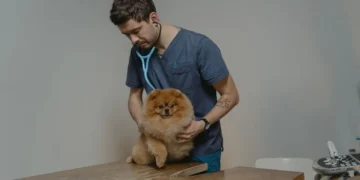
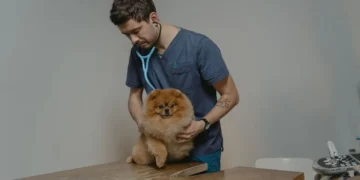
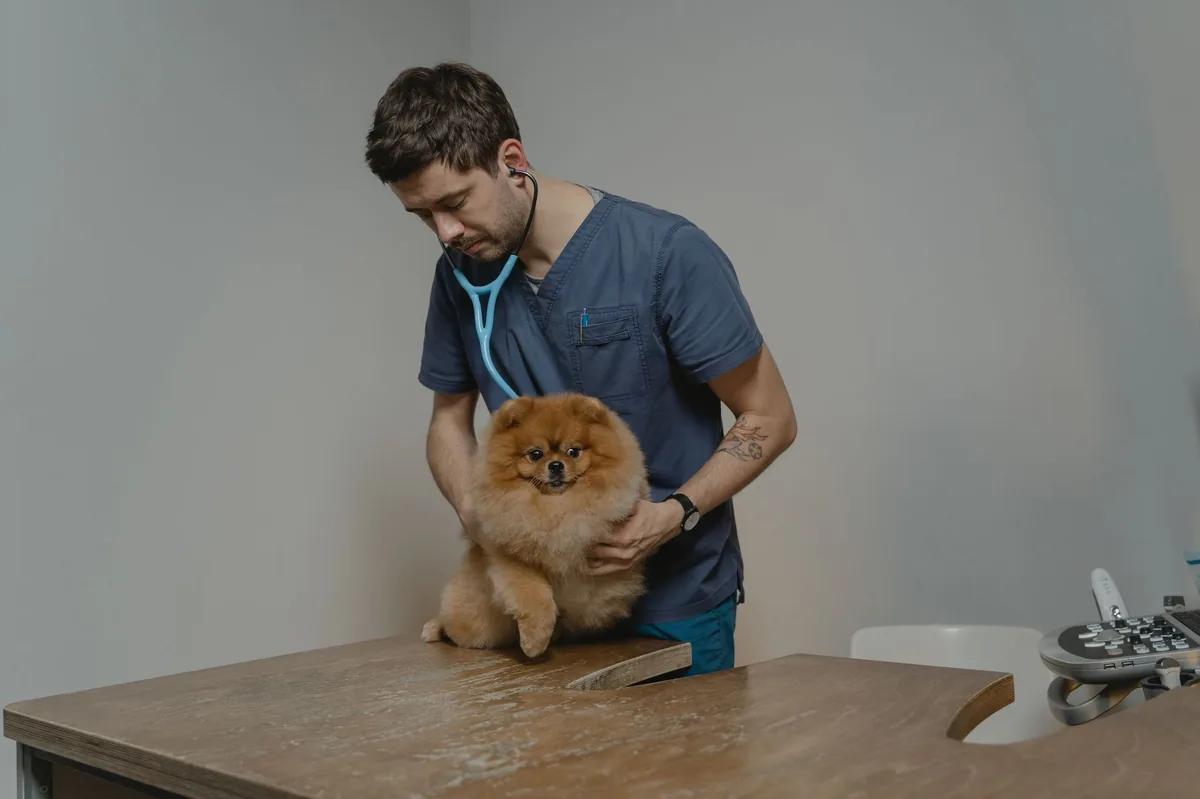
- Physical exam: The vet checks the abdomen for size, pain, and any palpable fetuses. They also evaluate gum color, heart rate, and temperature.
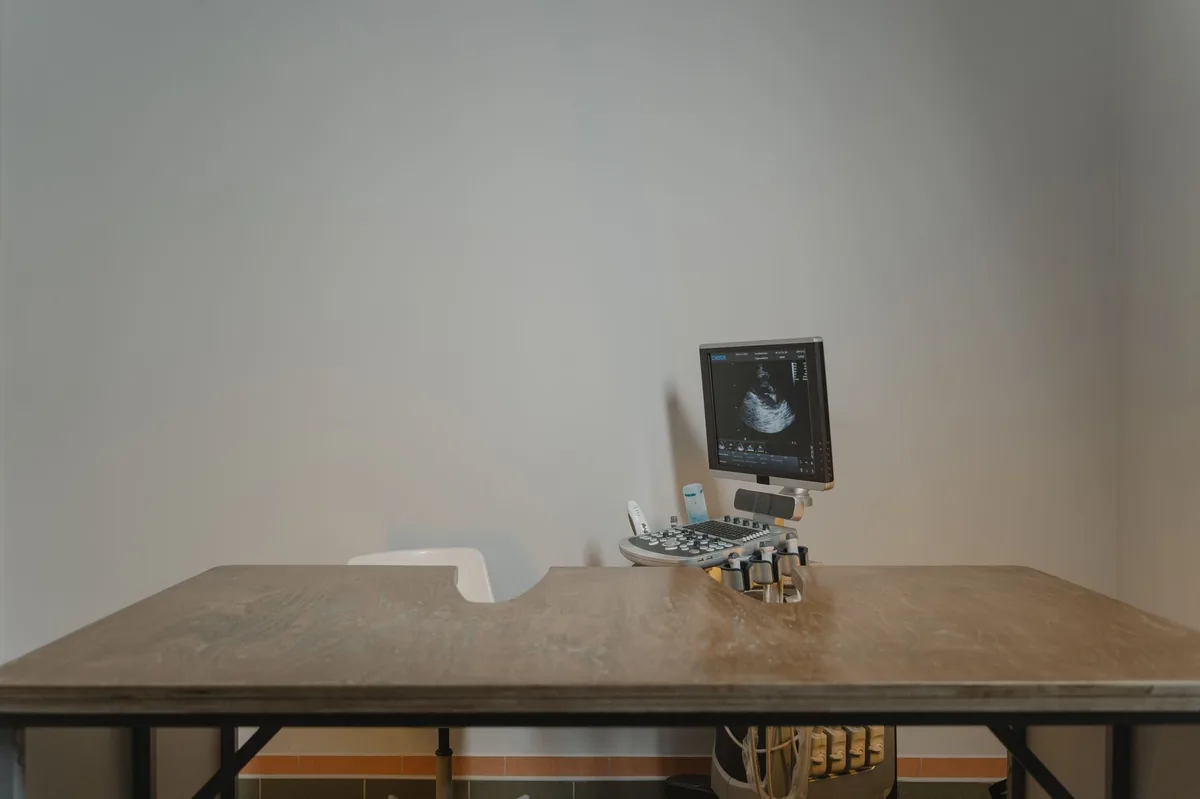
- Ultrasound: An abdominal ultrasound (often done after day 30 of gestation) can visualize fetal hearts and placental tissue. The absence of a heartbeat where one was previously seen confirms loss.
- Hormone testing: Progesterone levels drop sharply after a miscarriage. A rapid progesterone assay helps differentiate a true miscarriage from a false pregnancy.
- Blood work: CBC and chemistry panels assess for infection, anemia, or metabolic disturbances that may have contributed.
- Fecal or uterine cultures: If bacterial infection is suspected, samples are cultured to guide antibiotic therapy.
These tests are guided by the American Veterinary Medical Association (AVMA) recommendations for reproductive emergencies.
Treatment options
Medical treatment
Once a miscarriage is confirmed, the primary goals are to clear any retained fetal tissue, treat infection, and stabilize the dam.
- Antibiotics: Broad‑spectrum drugs such as amoxicillin‑clavulanate or doxycycline are commonly prescribed if bacterial infection is present. Ask your vet about this option.
- Progesterone supplementation: In cases of low progesterone, synthetic progesterone (e.g., medroxyprogesterone acetate) may be used to support the remaining pregnancy or aid recovery. Ask your vet about this option.
- Anti‑inflammatory medication: Non‑steroidal anti‑inflammatory drugs (NSAIDs) like carprofen can reduce uterine inflammation and pain. Ask your vet about this option.
- Uterine evacuation: If large amounts of tissue remain, a veterinarian may perform a gentle uterine lavage or administer a drug such as prostaglandin F2α to help expel the material.
Supplements and supportive care
Supportive nutrition can aid recovery and prepare the dam for future pregnancies.
- Omega‑3 fatty acids (EPA/DHA): Fish‑oil supplements reduce inflammation and promote a healthy uterine environment.
- Vitamin E: Antioxidant support may help with tissue healing, especially after an infection.
- Probiotics: A high‑quality canine probiotic can restore gut flora after antibiotics.
- These supplements should be given only after discussing the appropriate brand and dosage with your vet.
Procedures or surgery
In rare cases where infection or retained tissue cannot be managed medically, a surgical uterine curettage (scraping) may be performed under general anesthesia. Recovery typically takes 7–10 days, and owners can expect an additional $1,200–$2,500 (US) or £900–£1,800 (UK) for the procedure, anesthesia, and postoperative care.
Diet and nutrition
Nutrition plays a pivotal role both before and after a miscarriage. While a single dietary slip is unlikely to cause a loss, consistent deficiencies or excesses can weaken the uterine environment.
During pregnancy, a dam needs about 1.5–2 times her normal caloric intake, high‑quality protein (minimum 22 % of calories), and balanced fatty acids. After a miscarriage, you should gradually return to a maintenance diet while ensuring the nutrients that support uterine healing are present.
| Food category | Do feed | Limit / Avoid |
|---|---|---|
| High‑quality commercial puppy or gestation kibble | Small, frequent meals (3–4 × day) for the first 48 h | None, unless your vet advises a specific therapeutic diet |
| Cooked lean meats (chicken, turkey) | Finely chopped, no skin or bones | Fatty cuts, processed meats |
| Cooked vegetables (pumpkin, carrots) | Plain, unsalted, lightly steamed | Onions, garlic, avocado |
| Supplements | Fish oil (EPA/DHA) and probiotic as advised | Excess calcium or vitamin D supplements unless prescribed |
| Raw diets | Only if balanced and approved by your vet | Unbalanced home‑prepared raw meals |
Key nutrition tips:
- Maintain consistent feeding times to reduce stress.
- Provide fresh water at all times; dehydration can exacerbate uterine inflammation.
- Avoid sudden diet changes—transition new foods over 7–10 days.
- If your dog was on a prescription renal or cardiac diet before pregnancy, discuss with your vet whether to switch back to a gestation‑specific formula.
For a quick reference on daily caloric needs for pregnant dogs, check our pregnancy nutrition calculator.
Cost and prognosis
Financial considerations vary by region, severity, and the type of care required.
| Service | US estimate | UK estimate |
|---|---|---|
| Initial exam + blood work | $150–$250 | £120–£200 |
| Abdominal ultrasound | $200–$350 | £180–£300 |
| Antibiotic course (7 days) | $30–$80 | £25–£70 |
| Progesterone therapy (if needed) | $50–$120 | £40–£100 |
| Surgical uterine curettage | $1,200–$2,500 | £900–£1,800 |
Overall, most dogs recover fully within 2–3 weeks if complications are avoided. The prognosis for future fertility is generally good—studies in the Merck Veterinary Manual show that 80–90 % of dams can conceive again after a successful recovery, though repeat miscarriages are more common in dogs with underlying endocrine or infectious issues.
Prevention and home care
While not every miscarriage can be avoided, proactive care dramatically lowers risk.
- Vaccinate and deworm: Keep your dog up‑to‑date on core vaccines (especially parvovirus) and administer regular heartworm and intestinal parasite preventives.
- Stress reduction: Provide a quiet, temperature‑controlled space. Avoid intense exercise after day 30 of gestation.
- Regular vet check‑ups: Schedule a prenatal exam around day 30 and again around day 45 to monitor progesterone and ultrasound findings.
- Balanced nutrition: Use a high‑quality gestation diet and avoid abrupt diet changes.
- Monitor for early signs: Check gums for pallor, watch for any vaginal discharge, and note changes in appetite or energy.
If a miscarriage does occur, follow your vet’s instructions for medication, rest, and re‑checking. Most owners find that a calm environment, short leash walks, and a gradual return to normal activity help their dog heal both physically and emotionally.
From our vet team: “A miscarriage is stressful for both the dam and the owner, but with quick veterinary attention most dogs bounce back. We always encourage owners to keep a daily log of appetite, temperature, and any discharge—those notes become invaluable if a problem develops.”
Key takeaways
- Miscarriage in dogs is a loss of fetal tissue before day 63 and can be caused by infection, hormonal imbalance, genetics, or stress.
- Early signs include light vaginal discharge, mild lethargy, and a sudden drop in abdominal size; heavy bleeding or shock requires emergency care.
- Veterinary diagnosis relies on physical exam, ultrasound, progesterone testing, and blood work.
- Treatment focuses on clearing retained tissue, managing infection, and supporting uterine health with antibiotics, progesterone, and anti‑inflammatories.
- A balanced gestation diet, stress reduction, and regular prenatal vet visits are the best prevention strategies.
- Most dogs recover fully and can have normal future pregnancies, though underlying issues should be addressed to reduce repeat losses.
Myth vs. fact
Myth: “If a dog isn’t visibly bleeding, she can’t be miscarrying.”
Fact: Light or even absent bleeding can occur, especially early in gestation; subtle changes in behavior or appetite are often the first clues.
Myth: “A miscarriage means the dog will never breed again.”
Fact: Most dams regain fertility after proper recovery; repeat losses are more likely if an underlying condition remains untreated.
Myth: “Home remedies like herbal teas can stop a miscarriage.”
Fact: There’s no scientific evidence that herbal treatments reverse a miscarriage; only veterinary‑guided medical care can address the underlying cause safely.
Frequently asked questions
What are the early signs of a miscarriage in dogs?
Early signs include light pink or brown vaginal discharge, a slight decrease in appetite, mild lethargy, and a subtle reduction in abdominal size. Some owners also notice a change in nipple size or a sudden calmness in a previously active dam.
Can a dog have a miscarriage without any visible symptoms?
Yes. Very early miscarriages (before day 30) may present with no obvious discharge or abdominal changes, making them easy to miss without an ultrasound.
How is a canine miscarriage diagnosed by a vet?
The vet performs a physical exam, then uses abdominal ultrasound to look for fetal heartbeats and placental tissue. Progesterone testing, blood work, and sometimes uterine cultures help confirm the loss and identify any infection.
What treatments are available for a dog that has miscarried?
Treatment may include antibiotics for infection, progesterone supplementation if hormone levels are low, anti‑inflammatory drugs for pain, and, in severe cases, uterine lavage or surgical curettage to remove retained tissue.
Will a miscarriage affect my dog’s future pregnancies?
Most dogs recover fully and can conceive again. However, if the miscarriage was caused by a persistent issue—like a hormonal imbalance or chronic infection—future pregnancies may be at higher risk until that problem is managed.
Is there anything I can do to prevent a miscarriage in my pregnant dog?
Yes. Provide a balanced gestation diet, keep vaccinations current, administer parasite preventives, reduce stress, avoid intense exercise after mid‑gestation, and schedule regular prenatal check‑ups with your vet.
Ask the PuppaDogs community
Have a question this article didn’t fully answer? Want to compare notes with other dog owners who’ve been through this? Our community forum is moderated by experienced owners and vets — and answers tend to come fast. Ask in the PuppaDogs community →
References
- American College of Veterinary Internal Medicine (ACVIM). “Reproductive Disorders in Dogs.” 2023.
- American Veterinary Medical Association (AVMA). “Guidelines for Emergency Reproductive Care.” 2022.
- Merck Veterinary Manual. “Abortion, Spontaneous (Miscarriage) in Dogs.” Updated 2023.
- World Small Animal Veterinary Association (WSAVA). “Canine Pregnancy and Parturition.” 2021.
- American Animal Hospital Association (AAHA). “Nutritional Management of Pregnant Dogs.” 2022.
- University of California, Davis Veterinary Medicine. “Canine Parvovirus and Reproductive Health.” 2020.
- Veterinary Partner. “Progesterone Monitoring in Canine Pregnancy.” 2021.
- British Veterinary Association (BVA). “Cost of Veterinary Care for Reproductive Emergencies.” 2023.


