















Quick take: Mouth cancer (ameloblastoma) in dogs is a malignant tumor that starts in the jaw‑bone‑lining cells. Early signs include bad breath, drooling, facial swelling, or difficulty eating. Prompt veterinary evaluation, imaging, and biopsy are essential; treatment often involves surgery, radiation, or both, and costs can range from a few thousand to over ten thousand dollars.
It’s 9 pm, and your golden‑retriever, Max, is lying on the couch, refusing his usual bowl of kibble. You notice his gums look darker than usual, and a faint, foul odor lingers in his mouth. Your heart races as you Google “dog mouth tumor,” and the screen fills with scary pictures. You’re not alone—many owners first notice a subtle change in appetite or breath before the diagnosis is confirmed.
We understand how unsettling this can feel. While oral cancers are serious, early detection and a clear treatment plan can make a big difference in your dog’s quality of life. In this guide we’ll explain what mouth cancer (ameloblastoma) is, how it shows up, how vets diagnose and treat it, what you might expect financially, and how you can help prevent it.
Read on to learn the signs to watch for, the steps your vet will take, what treatments are available, and practical tips for caring for a dog recovering from oral tumor surgery.
What is mouth cancer (ameloblastoma) in dogs?
Mouth cancer, also called oral ameloblastoma, is a malignant tumor that arises from the cells that line the tooth‑forming (ameloblast) tissue in the jaw. These tumors grow aggressively, can destroy bone, and may spread (metastasize) to other parts of the body if left untreated. Ameloblastoma is the most common type of primary oral tumor in dogs, but other cancers—such as squamous cell carcinoma, melanoma, and fibrosarcoma—can also develop in the mouth.
According to the American Veterinary Medical Association (AVMA) and the Merck Veterinary Manual, oral tumors account for roughly 6–7 % of all canine neoplasms, and ameloblastoma makes up about one‑third of those cases. The condition is most often seen in middle‑aged to senior dogs, typically between 7 and 12 years old.
What causes it?
Exact causes are still being studied, but several risk factors have been identified:
| Category | Key Factors |
|---|---|
| Genetic predisposition | Certain breeds—especially large and giant breeds—show higher incidence rates. |
| Chronic dental disease | Long‑standing periodontal disease, calculus buildup, and untreated tooth extractions may create an environment that promotes malignant transformation. |
| Environmental exposures | Exposure to tobacco smoke, certain chemicals, or chronic irritation from sharp foreign objects (bones, toys) can increase risk. |
While any dog can develop an oral tumor, the breeds most frequently reported with ameloblastoma include Golden Retrievers, Labrador Retrievers, Boxers, and Rottweilers (American Kennel Club data).
Signs and symptoms
Early detection hinges on noticing subtle changes. Below is a progression guide most owners find helpful:
| Stage | Typical Signs |
|---|---|
| Mild | Bad breath, occasional drooling, slight reluctance to chew. |
| Moderate | Visible swelling of the jaw or gums, ulcerated lesions, difficulty eating soft foods, weight loss. |
| Severe | Severe facial deformation, bleeding from the mouth, inability to close the mouth, facial nerve paralysis, lethargy. |
Other red‑flag signs include persistent pawing at the mouth, excessive panting, and a noticeable change in behavior such as irritability or withdrawal.

When to call your vet
Call your vet today if you notice any of the following:
- Persistent bad breath or foul odor that doesn’t improve after brushing.
- Drooling that is new or excessive.
- Swelling or a lump on the jaw, gums, or inside the cheek.
- Changes in eating habits, such as favoring one side of the mouth.
Go to an emergency veterinary hospital right now if you see:
- Severe bleeding from the mouth.
- Inability to close the mouth or severe facial deformation.
- Sudden collapse, difficulty breathing, or signs of extreme pain.
These guidelines are for informational purposes only; they do not replace a professional veterinary examination.
How vets diagnose it
The diagnostic workup typically follows these steps:
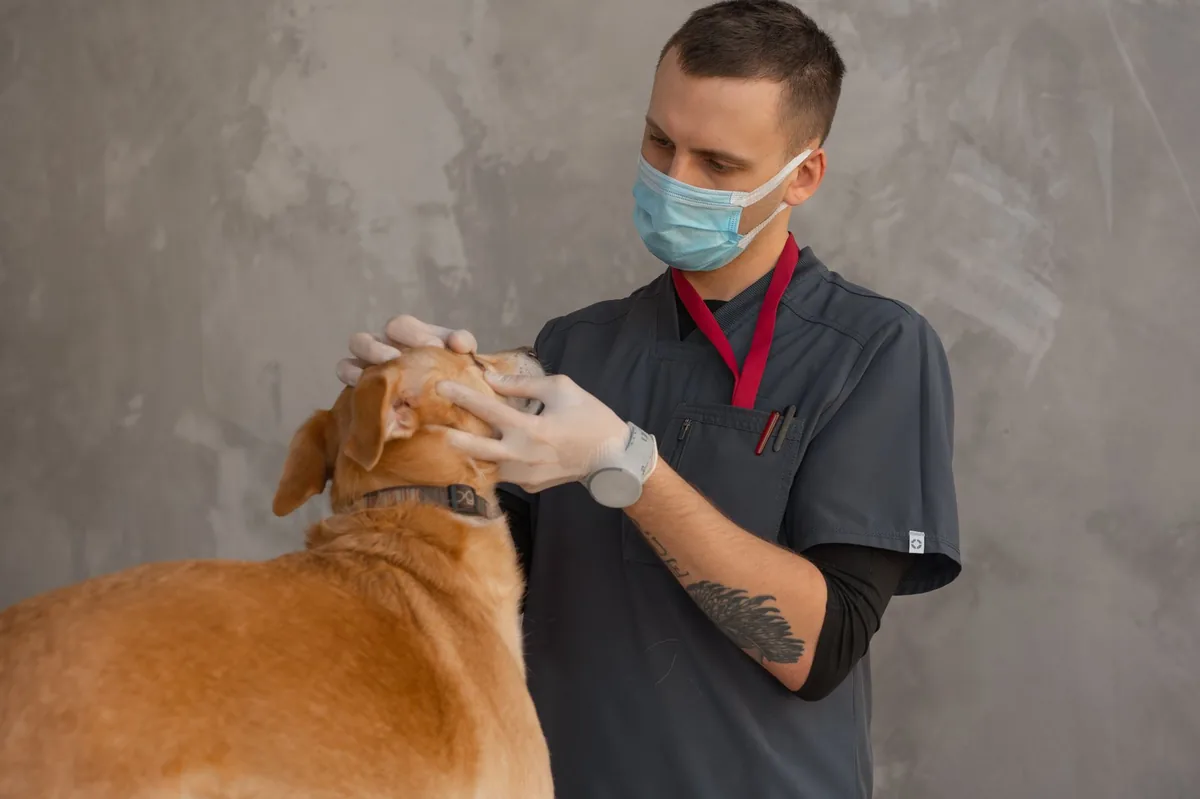
- History and physical exam: Your vet will ask about appetite, behavior changes, and dental care history, then palpate the jaw for masses.
- Imaging: X‑rays (radiographs) reveal bone involvement; CT scans provide detailed 3‑D views of tumor size and potential spread. The American College of Veterinary Radiology (ACVR) recommends CT for surgical planning.
- Biopsy: A tissue sample taken with a needle or during a small surgical excision is examined under a microscope. This is the definitive method for confirming ameloblastoma, as noted by the Merck Veterinary Manual.
- Staging tests: If the tumor appears aggressive, a chest X‑ray or abdominal ultrasound may be performed to check for metastasis.
Treatment options
Medical treatment
While surgery is the mainstay, medical therapies can complement it:
- Radiation therapy: External beam radiation (e.g., linear accelerator) is often used when complete surgical removal is impossible. Typical protocols involve 10–12 fractions over 2–3 weeks.
- Chemotherapy: Drugs such as carboplatin or doxorubicin may be offered, especially if there is evidence of metastasis. These are considered adjuncts rather than curative alone.
- NSAIDs: Non‑steroidal anti‑inflammatory drugs (e.g., carprofen) help control pain and inflammation. Ask your vet about appropriate options.
All medication choices should be discussed with your veterinarian, who will tailor dosing to your dog’s weight and health status.
Supplements and supportive care
Evidence‑based supplements can aid recovery and overall wellbeing:
- Omega‑3 fatty acids (EPA/DHA): Shown to reduce inflammation and may slow tumor growth in some studies (American College of Veterinary Nutrition).
- Probiotics: Helpful after oral surgery to maintain gut health, especially if antibiotics are used.
- Glutamine: An amino acid that supports intestinal lining and may help with appetite during chemotherapy, though data are limited.
Supplements should never replace prescribed medication, and you should discuss any addition with your vet.
Procedures or surgery
When feasible, surgical removal (mandibulectomy or maxillectomy) offers the best chance for long‑term control. The procedure may involve:
- Resection of the affected portion of the jaw.
- Reconstruction using titanium plates or grafts.
- Post‑operative intensive care, including pain control and antibiotics.
Recovery typically takes 2–4 weeks, during which the dog may need soft foods and limited activity. In the United States, surgical costs range from $5,000 to $12,000, while similar procedures in the United Kingdom average £4,000–£8,000 (estimate). Insurance coverage varies; many pet plans cover a portion of surgery and radiation if the condition is diagnosed early.
Diet and nutrition
Nutrition plays a supportive role during treatment and recovery. While no diet can cure oral cancer, feeding choices can help maintain weight, reduce inflammation, and aid wound healing.
Foods to favor are those that are easy to chew, highly digestible, and rich in quality protein. Soft, moist foods such as canned veterinary‑grade formulas, home‑cooked meals with boiled chicken or turkey, and low‑fat pumpkin puree can encourage intake without stressing the jaw.
Foods to limit or avoid include hard kibble that may irritate surgical sites, very spicy or salty treats, and foods high in simple sugars that can promote inflammation. If your dog is on a prescription renal diet, discuss any modifications with your vet—some renal diets are low in protein, which might not meet the increased needs during recovery.
Supplementing with omega‑3 fatty acids (e.g., fish oil) can be beneficial, as noted by the American College of Veterinary Nutrition. Adding a small amount of bone broth (unsalted) can provide extra calories and hydration without requiring chewing.
Feeding frequency may need adjustment. Many owners switch to 4–6 small meals per day for the first week after surgery, gradually returning to the normal schedule as the mouth heals. Transition any new diet over 3–5 days to avoid gastrointestinal upset.
| Do feed | Limit | Avoid |
|---|---|---|
| Soft canned or home‑cooked protein (chicken, turkey, fish) | Hard kibble (until cleared by vet) | Spicy, salty, or sugary treats |
| Warmed low‑sodium broth | Raw bones (risk of fracture) | Very hot or very cold foods |
| Omega‑3 supplemented foods | High‑fat commercial treats | Any food causing dental pain |
Staying hydrated is critical; if your dog struggles to drink, you can offer water mixed with a little low‑sodium broth or use a syringe (without a needle) to gently administer fluids.
For detailed diet planning, you can use our nutritional calculators or consult the Our Experts page for a list of veterinary nutritionists.
Cost and prognosis
Financial considerations are an important part of decision‑making. Below are typical cost ranges (estimates based on 2023–2024 data from the American Pet Products Association and UK Veterinary Association):
- Surgical removal (mandibulectomy/maxillectomy): US $5,000–$12,000; UK £4,000–£8,000.
- Radiation therapy (full course): US $4,000–$9,000; UK £3,500–£7,000.
- Chemotherapy (single agent): US $1,500–$3,000 per protocol; UK £1,200–£2,500.
- Palliative care (pain meds, supplements): $200–$600 per month.
Many pet insurance policies cover a portion of surgery and radiation if the tumor is diagnosed early. Review your policy’s exclusions and pre‑authorization requirements.
Prognosis depends on stage at diagnosis. For localized ameloblastoma that is completely resected, median survival can exceed 2 years, with some dogs living 3–5 years disease‑free. When the tumor has invaded surrounding structures or metastasized, median survival drops to 6–12 months despite aggressive therapy (American Veterinary Medical Association).
Prevention and home care
While you can’t eliminate all risk, regular dental hygiene dramatically lowers the chance of oral tumors developing.
- Brush your dog’s teeth at least 2–3 times per week using a veterinary‑approved toothpaste.
- Schedule professional dental cleanings with your vet every 1–2 years, especially for breeds prone to dental disease.
- Provide chew toys that are soft enough not to cause gum trauma.
- Avoid exposing your dog to second‑hand smoke or chemicals that may irritate oral tissues.
- Monitor for any changes in eating behavior, breath, or facial appearance and report them promptly.
After surgery, keep your dog’s activity low for the first week, use a soft diet, and administer prescribed pain medication as directed. Gentle mouth checks (lifting the lip to view gums) can help you track healing. If you notice swelling, bleeding, or a sudden loss of appetite, contact your vet immediately.
From our vet team: “Early detection saves lives. Even a brief change in your dog’s eating pattern or a new bad odor should prompt a veterinary exam. The combination of surgery and radiation offers the best chance for long‑term control, and supportive nutrition makes recovery smoother.”
Key takeaways
- Bad breath, drooling, or facial swelling are early warning signs of oral ameloblastoma—don’t ignore them.
- Diagnosis requires a physical exam, imaging (X‑ray or CT), and a biopsy to confirm the tumor type.
- Surgery, often paired with radiation, provides the highest chance of long‑term remission.
- Costs vary widely; many pet insurance plans cover part of the expense if caught early.
- Soft, high‑protein foods and omega‑3 supplements support healing after tumor removal.
- Regular dental care and prompt attention to oral changes are the best preventive strategies.
Myth vs. fact
Myth: All oral cancers in dogs are the same and require the same treatment.
Fact: There are several types of oral tumors (ameloblastoma, squamous cell carcinoma, melanoma, etc.), each with distinct behavior and treatment protocols. Ameloblastoma often responds well to surgery plus radiation, whereas other types may need different approaches.
Myth: If a dog can still eat, the tumor isn’t serious.
Fact: Dogs can mask pain and continue chewing despite a growing tumor. Persistent bad breath, swelling, or any change in eating habits warrants veterinary evaluation, regardless of appetite.
Myth: Radiation therapy always causes severe side effects.
Fact: Modern fractionated radiation is usually well‑tolerated; common side effects include mild skin redness and temporary dry mouth, which are manageable with supportive care.
Frequently asked questions
What does mouth cancer look like in a dog’s mouth?
It often appears as a firm, painless lump or ulcerated area on the gums, palate, or jawbone, sometimes with a bluish‑gray hue. The mass may bleed if brushed or chewed.
How quickly does oral ameloblastoma spread in dogs?
Ameloblastoma is considered locally aggressive; it can invade surrounding bone within weeks to months if untreated. Distant metastasis is less common but can occur, especially in advanced stages.
Can mouth cancer be cured in dogs?
When detected early and surgically removed with clean margins, many dogs achieve long‑term remission, especially when radiation follows surgery. Cure rates decline if the tumor is large or has spread.
What are the side effects of radiation therapy for canine oral tumors?
Typical side effects include mild skin irritation, temporary dry mouth, and reduced appetite. Most dogs tolerate the treatment well, and side effects are usually reversible after the course ends.
How much does it cost to treat mouth cancer in a dog?
Overall costs range from $5,000 to $12,000 for surgery, $4,000 to $9,000 for a full radiation series, and additional expenses for chemotherapy or palliative care. Insurance can offset a portion of these expenses if the condition is diagnosed early.
Which dog breeds are most at risk for oral cancer?
Large and giant breeds such as Golden Retrievers, Labrador Retrievers, Boxers, Rottweilers, and German Shepherds have higher reported incidences of ameloblastoma. Small breeds are less commonly affected.
Ask the PuppaDogs community
Have a question this article didn’t fully answer? Want to compare notes with other dog owners who’ve been through this? Our community forum is moderated by experienced owners and vets — and answers tend to come fast. Ask in the PuppaDogs community →
References
- American Veterinary Medical Association (AVMA). “Oral Tumors in Dogs.” 2023.
- Merck Veterinary Manual. “Ameloblastoma (Oral Tumor) in Dogs.” Updated 2024.
- American College of Veterinary Radiology (ACVR). “Imaging Guidelines for Oral Tumors.” 2022.
- American College of Veterinary Nutrition. “Omega‑3 Fatty Acids in Canine Cancer Care.” 2021.
- American Animal Hospital Association (AAHA). “Dental Care Guidelines for Dogs.” 2023.
- American Kennel Club (AKC). “Breed-Specific Cancer Risks.” 2024.
- World Small Animal Veterinary Association (WSAVA). “Cancer Management in Companion Animals.” 2022.
- Veterinary Oncology Group (VOG). “Radiation Therapy Protocols for Canine Oral Tumors.” 2023.
- Pet Insurance Review (PIR). “Typical Coverage for Canine Cancer Treatments.” 2024.


