













Quick take: Brucellosis (caused by Brucella canis) can trigger miscarriage in pregnant dogs. It spreads through close contact, semen, or birth fluids, and is diagnosed with blood tests or PCR. Prompt antibiotics, supportive care, and strict biosecurity can save the dam and future litters, but the infection often reduces fertility long‑term.
It’s 11 p.m., and your two‑month‑old Golden Retriever puppy is nowhere to be seen. Instead, you find the mother curled up on the rug, looking listless, with a faint odor lingering in the air. Her abdomen feels softer than usual, and when you gently press her gums, they look paler than normal. The sudden loss of a pregnancy can feel like a cruel surprise, and the internet floods you with alarming headlines about “deadly infections.” You wonder: could a bacterial infection be the culprit? Could it affect other dogs or people in the home?
We understand how unsettling a miscarriage is, especially when a hidden infection like brucellosis may be involved. In this guide we’ll explain what brucellosis is, why it can cause a loss, how to spot the signs, and what steps you can take right now and moving forward. We’ll also cover costs, prognosis, and practical prevention so you can protect your breeding program or beloved companion.
Read on for a clear, step‑by‑step rundown that answers the most common questions—from “What does a Brucella‑related miscarriage look like?” to “How much will testing and treatment cost?” and “Can I keep my other dogs safe?”
What is brucellosis in dogs?
Brucellosis is a bacterial infection caused by Brucella canis, a tiny gram‑negative organism that prefers the reproductive tracts of dogs. It spreads primarily through direct contact with infected semen, vaginal discharge, or aborted fetal tissue. In pregnant females, the bacteria can invade the placenta, leading to inflammation, reduced blood flow, and ultimately fetal loss—what we call a bacterial‑induced miscarriage.
The disease is considered “zoonotic,” meaning it can jump from dogs to humans, though human cases are rare. In the United States, the American Veterinary Medical Association (AVMA) estimates that brucellosis accounts for a small but notable portion of reproductive failures in breeding kennels. While any breed can be affected, certain breeds—especially those used heavily in breeding programs—show higher infection rates.
What causes it?
Brucellosis arises when dogs are exposed to the bacteria through one of several routes:
- Breeding contact: Infected semen or vaginal fluids during mating.
- Maternal‑fetal transmission: Exposure to aborted tissues or placental fluids.
- Environmental contamination: Surfaces, bedding, or grooming tools that have not been properly disinfected.
- Horizontal spread: Direct nose‑to‑nose or saliva contact, especially in crowded kennel settings.
Risk factors include:
| Risk factor | Why it matters |
|---|---|
| High‑density breeding kennels | More opportunities for close contact and contaminated environments. |
| Lack of routine testing | Asymptomatic carriers can spread the bacteria unnoticed. |
| Recent introduction of new breeding dogs | Potentially brings in an undetected carrier. |
| Inadequate sanitation | Surfaces retain bacteria for weeks if not disinfected with appropriate agents. |
Signs and symptoms
Early brucellosis can be subtle, especially in a pregnant dam. Watch for these clues, which may progress from mild to severe:
| Stage | Typical signs |
|---|---|
| Mild | Reduced appetite, slight weight loss, occasional fever (≤103°F/39.5°C). |
| Moderate | Pale gums, noticeable lethargy, vaginal discharge, mild abdominal swelling. |
| Severe | Full‑blown miscarriage or stillbirth, heavy foul‑smelling discharge, high fever (>104°F/40°C), severe dehydration. |
Other systemic signs—such as swollen lymph nodes, joint pain, or eye inflammation—can appear in non‑pregnant dogs, reflecting the bacteria’s ability to spread beyond the reproductive tract.
When to call your vet
Call your regular vet today if you notice:
- Any vaginal discharge, even if it’s just a few drops.
- Pale gums, lethargy, or reduced appetite in a pregnant dog.
- Sudden abdominal softening or a noticeable loss of pregnancy.
Go to an emergency veterinary hospital right now if you see:
- Heavy, foul‑smelling discharge with blood.
- High fever (≥104°F/40°C) accompanied by shaking or collapse.
- Signs of severe dehydration (dry gums, skin tenting).
These red‑flag signs can indicate a life‑threatening infection or sepsis. This article is for information only and does not replace professional veterinary care.
How vets diagnose it
Veterinarians use a combination of history, physical exam, and laboratory tests to pinpoint brucellosis:
- History & physical exam: Breeding records, recent miscarriages, and any exposure to other dogs are reviewed.
- Serology (antibody testing): The most common test is the rapid slide agglutination test (RSAT) followed by confirmatory ELISA. A positive result indicates exposure, but a negative result does not completely rule out early infection.
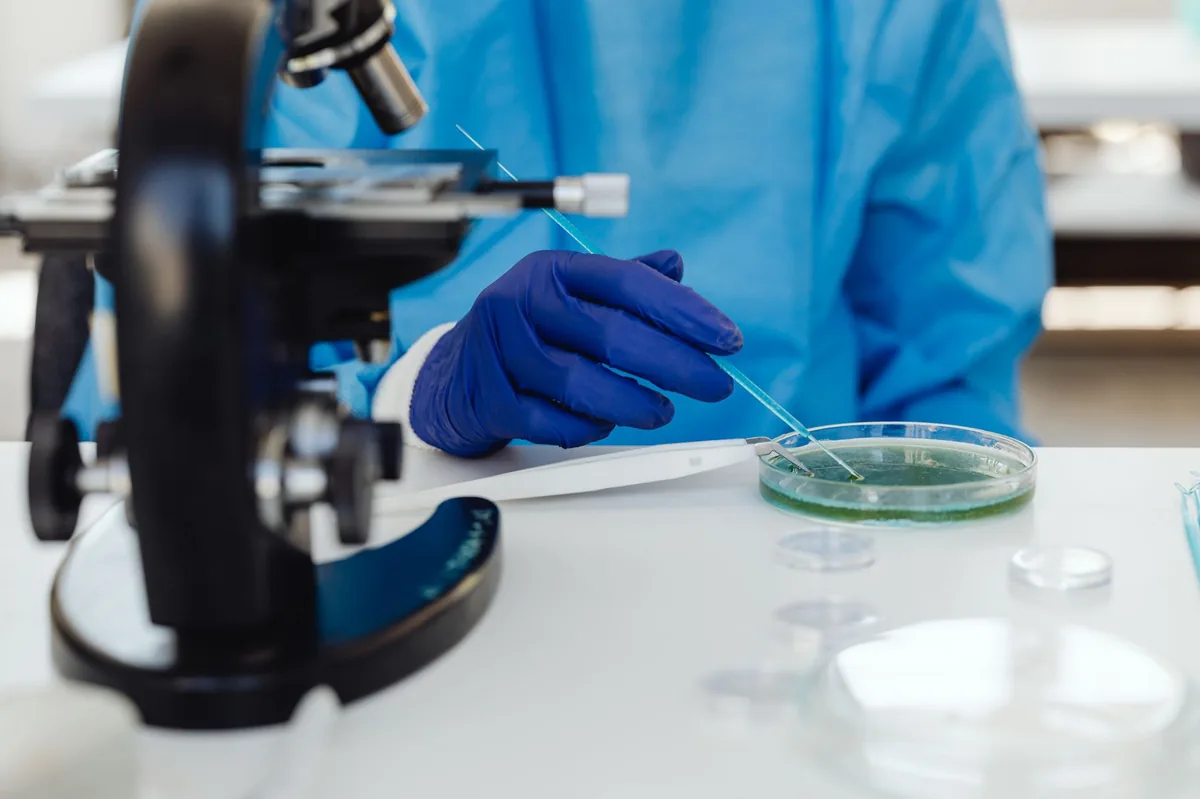
- Polymerase chain reaction (PCR): Detects bacterial DNA in blood, vaginal swabs, or tissue samples. PCR is highly specific and can confirm active infection.
- Bacterial culture: Gold‑standard but requires biosafety‑level 3 labs and can take weeks; used when other tests are inconclusive.
- Imaging: Ultrasound may reveal fetal demise or placental inflammation, helping to differentiate bacterial causes from hormonal or anatomical issues.
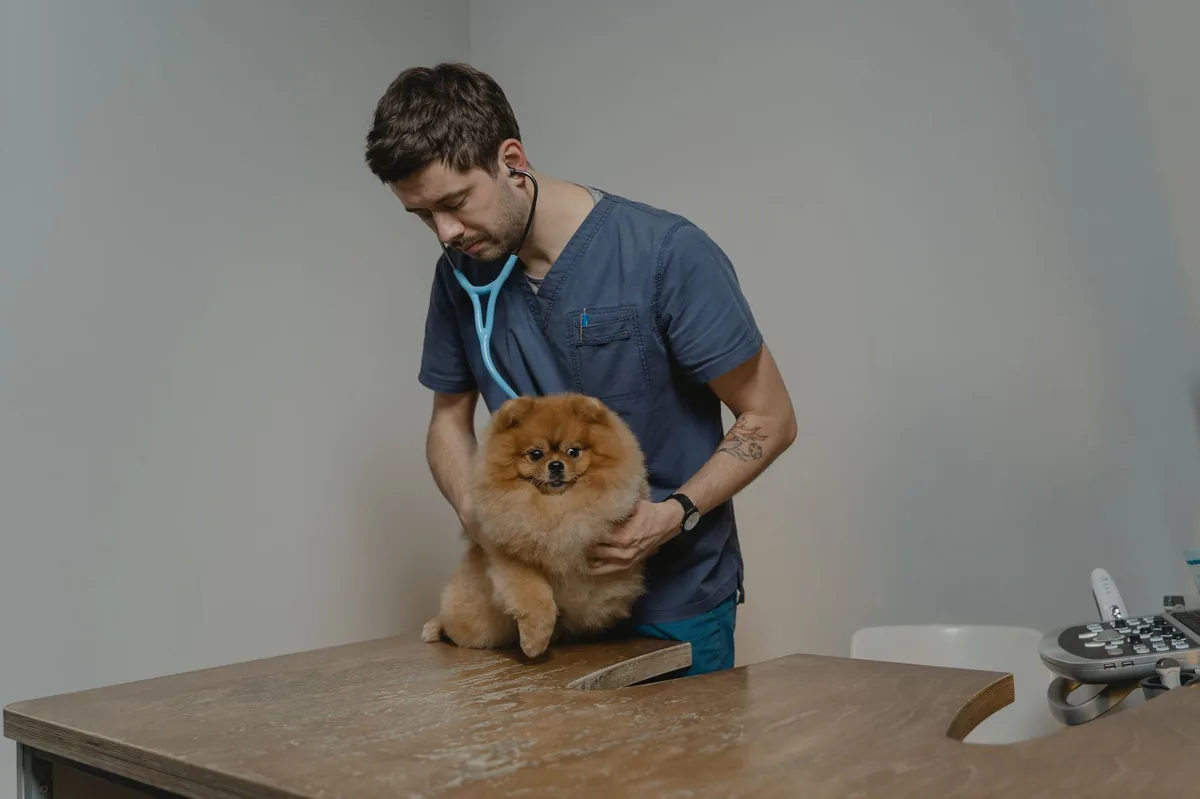
For a pregnant dam, the vet will likely collect a blood sample, a vaginal swab, and possibly a tissue sample from any aborted material.
Treatment options
Medical treatment
Antibiotic therapy is the cornerstone of brucellosis management. The most widely recommended regimens, based on AAHA and ACVIM guidelines, include:
- Doxycycline (a tetracycline antibiotic) combined with rifampin. This two‑drug approach targets intracellular bacteria.
- Enrofloxacin or marbofloxacin may be used as alternatives, especially if doxycycline is contraindicated.
- Therapy typically lasts 6–8 weeks, with periodic re‑testing to confirm bacterial clearance.
Ask your vet about these options; dosages will be tailored to your dog’s weight and health status. In severe cases, supportive fluids and anti‑inflammatory drugs (e.g., NSAIDs) help stabilize the patient.
Supplements and supportive care
While supplements cannot cure brucellosis, they can aid recovery:
- Omega‑3 fatty acids (EPA/DHA): Reduce systemic inflammation and support immune function.
- Probiotics (e.g., Enterococcus faecium): Help maintain gut health during prolonged antibiotic courses.
- Vitamin C and E: Antioxidants that may lessen oxidative stress from infection.
These adjuncts are most useful after the acute phase, once the dog is eating and drinking normally. Always discuss supplement choices with your veterinarian.
Procedures or surgery
There is no surgical cure for brucellosis itself. However, if a miscarriage has already occurred, the veterinarian may need to perform a uterine evacuation to remove retained fetal tissue and reduce infection risk. This is typically done under sedation and follows standard aseptic techniques. Recovery is usually swift, but the dam will need close monitoring for infection recurrence.

Diet and nutrition
Nutrition plays a pivotal role in helping a dam bounce back from a brucellosis‑related miscarriage. While there is no “brucellosis‑specific” commercial diet, you can tailor the feeding plan to address the dog’s increased metabolic demands and potential anemia.
What to feed:
- Highly digestible protein: Choose a formula with 22‑28 % high‑quality animal protein (e.g., chicken, turkey, or fish). This supports tissue repair and red‑blood‑cell production.
- Moderate fat (12‑14 %): Provides energy without overloading the liver.
- Added omega‑3 (EPA/DHA): Anti‑inflammatory benefits; many premium foods already contain fish oil.
- Iron‑rich ingredients: Small amounts of liver or iron‑fortified foods can help counter anemia, but avoid excess to prevent oxidative damage.
- Probiotic‑enhanced kibble or a quality supplement: Maintains gut flora during antibiotic therapy.
What to limit or avoid:
- Raw diets with unknown bacterial load: While some owners feed raw, it can introduce additional pathogens. If you choose raw, ensure thorough freezing and safe handling.
- High‑salt treats: Excess sodium can exacerbate dehydration.
- Excessive carbohydrates: Simple carbs may cause spikes in blood glucose, which can stress the immune system.
If your dog was on a prescription renal or gastrointestinal diet before the miscarriage, you can transition back to a high‑protein, moderate‑fat diet over 3‑5 days. Mix increasing portions of the new food with the old one, monitoring for any digestive upset.
Feeding frequency should remain consistent—typically twice daily for adult dogs—to maintain steady energy levels. Fresh water must always be available, and you may add a low‑sodium broth to encourage hydration.
For breeders, the our‑experts page offers links to nutrition calculators that help you determine exact caloric needs based on weight, activity, and stage of recovery.
Cost and prognosis
Financial considerations are a real concern for breeding programs. Below are typical cost ranges (estimates, not guarantees):
| Item | US estimate | UK estimate |
|---|---|---|
| Initial serology (RSAT) and ELISA | $80‑$150 | £60‑£120 |
| PCR test | $120‑$250 | £90‑£200 |
| 6‑week doxycycline + rifampin course | $200‑$350 | £150‑£280 |
| Follow‑up re‑testing (2‑3 times) | $150‑$300 | £110‑£220 |
| Uterine evacuation (if needed) | $300‑$600 | £250‑£500 |
Overall, a full diagnostic and treatment plan often runs between $750 and $1,500 in the United States, depending on the number of tests and the severity of the infection.
Prognosis varies:
- Early‑detected cases: With proper antibiotics, many dams recover fully and can breed again after a 6‑month quarantine.
- Late‑stage or chronic infection: Fertility may be reduced; some dogs become carriers for life, requiring lifelong monitoring.
- Severe systemic disease: If sepsis develops, the mortality risk rises sharply, emphasizing the importance of early veterinary intervention.
While brucellosis can be a setback, most dogs that receive timely treatment live healthy, productive lives.
Prevention and home care
Preventing brucellosis hinges on biosecurity, testing, and responsible breeding practices:
- Routine testing: Screen every breeding dog at least once a year using serology and PCR. New additions to the kennel should be quarantined and tested before breeding.
- Quarantine new arrivals: Keep newcomers separate for 30 days and monitor for any signs of infection.
- Hygiene protocols: Disinfect mating areas, whelping boxes, and equipment with a 10 % bleach solution or an EPA‑registered disinfectant effective against gram‑negative bacteria.
- Separate breeding lines: Avoid using the same male for multiple litters without a negative test between cycles.
- Protect humans: Wear gloves when handling birth fluids or aborted material, and wash hands thoroughly afterward. The CDC recommends these precautions for zoonotic risk.
There is currently no widely available vaccine for Brucella canis in the United States, though some experimental vaccines exist in Europe. Until a licensed vaccine becomes common, strict testing and sanitation remain the best defenses.
For kennel owners, our calculators tool can help you estimate the cost of a comprehensive testing program, making budgeting easier.
From our vet team: “If you suspect brucellosis, don’t wait for the next breeding season—start diagnostics now. Early antibiotic therapy not only saves the dam but also protects the rest of your breeding program. Remember, a negative test today doesn’t guarantee future negativity; regular re‑testing is essential.”
Key takeaways
- Brucellosis can cause miscarriage; early testing and treatment are vital.
- Typical signs include vaginal discharge, pale gums, and sudden loss of pregnancy.
- Diagnosis relies on serology, PCR, and sometimes culture; confirm with your vet.
- Standard treatment uses doxycycline plus rifampin for 6‑8 weeks, plus supportive care.
- Recovery can be full, but fertility may be reduced; re‑testing before future breeding is mandatory.
- Prevent spread by testing all breeding dogs, enforcing quarantine, and maintaining strict hygiene.
Myth vs. fact
Myth: Brucellosis always causes a dead litter.
Fact: Not every infected dam will abort; some may carry the bacteria without obvious reproductive loss, making testing essential.
Myth: A single negative antibody test means the dog is safe forever.
Fact: Dogs can become infected after a negative test; regular retesting is recommended, especially before each breeding cycle.
Myth: There’s a reliable vaccine for canine brucellosis.
Fact: No FDA‑approved vaccine exists for dogs in the U.S.; prevention relies on testing, quarantine, and hygiene.
Frequently asked questions
What causes miscarriage in dogs due to bacterial infection?
Brucellosis, caused by Brucella canis, is the most common bacterial culprit; it invades the placenta, leading to inflammation and fetal loss.
How do I know if my dog’s miscarriage was caused by brucellosis?
Ask your vet for serology (RSAT/ELISA) and PCR testing on blood or vaginal swabs; a positive result confirms exposure to Brucella canis.
What is the prognosis for a dog after a brucellosis‑related miscarriage?
With prompt antibiotic therapy, many dams recover fully, but fertility may be reduced and they may remain carriers, requiring future retesting.
Which antibiotics are effective against Brucella canis in dogs?
Combination therapy with doxycycline and rifampin is the standard; enrofloxacin or marbofloxacin are alternatives if doxycycline isn’t tolerated.
Can brucellosis be spread to other pets or humans?
Yes, the bacteria can transmit through bodily fluids to other dogs and, rarely, to humans; proper hygiene and protective gloves are recommended.
How much does it cost to test and treat brucellosis in a pregnant dog?
Testing (serology + PCR) typically costs $200‑$400, while a full 6‑week antibiotic course adds $200‑$350; total expenses often range $750‑$1,500 in the U.S.
Ask the PuppaDogs community
Have a question this article didn’t fully answer? Want to compare notes with other dog owners who’ve been through this? Our community forum is moderated by experienced owners and vets — and answers tend to come fast. Ask in the PuppaDogs community →
References
- American Animal Hospital Association (AAHA). “Guidelines for Reproductive Health in Dogs,” 2023.
- American College of Veterinary Internal Medicine (ACVIM). “Management of Canine Brucellosis,” 2022.
- Merck Veterinary Manual. “Brucellosis in Dogs” chapter, 2024 edition.
- Centers for Disease Control and Prevention (CDC). “Brucellosis – Zoonotic Information,” accessed 2024.
- World Small Animal Veterinary Association (WSAVA). “Infection Control in Breeding Facilities,” 2023.
- University of California, Davis Veterinary Medicine. “Canine Reproductive Disorders,” 2023.
- American Veterinary Medical Association (AVMA). “Zoonotic Diseases: Brucellosis,” 2022.
- Plumb’s Veterinary Drug Handbook, 9th Edition, 2023.
- International Committee on Taxonomy of Viruses (ICTV). “Brucella canis taxonomy,” 2022.
- British Veterinary Association (BVA). “Guidelines for Testing Breeding Dogs,” 2023.


