

















Quick take: Intestinal lymphangiectasia (IL) is a chronic gut disorder where the lymph vessels become dilated and leak protein‑rich fluid into the intestine. It causes chronic diarrhea, weight loss, and low blood protein, but with a low‑fat, medium‑chain triglyceride (MCT) diet and appropriate meds most dogs can live a comfortable, long life. Prompt veterinary work‑up, ongoing diet management, and regular monitoring are key.
It’s 9 p.m., you’re scrolling through the pantry looking for a snack, and your senior Labrador – usually the first one to beg for food – lies half‑heartedly on the couch, eyes dull, and refuses his usual kibble. A quick glance at his gums shows they’re a little paler than normal. You’ve Googled “why won’t my dog eat?” and the top result mentions “lymphangiectasia.” Your heart races. Is this something you can handle at home, or is it an emergency?
We get it. Intestinal lymphangiectasia (sometimes called lymph node inflammation of the gut) is a confusing term, and the symptoms overlap with many other gastrointestinal (GI) problems. In this guide we break down exactly what IL is, how it shows up, how vets diagnose it, and – most importantly – what you can do now to keep your dog comfortable and thriving. We’ll also cover diet tricks, medication options, cost expectations, and prevention tips, so you’ll have a clear roadmap rather than a maze of scattered facts.
By the end of this article you’ll know the warning signs, when to call the vet, what the treatment plan looks like, and how to keep your pup’s gut happy for years to come.
What is intestinal lymphangiectasia in dogs?
Intestinal lymphangiectasia (IL) is a condition where the lymphatic vessels lining the small intestine become dilated (a process called “lymphangiectasia”) and start leaking lymph fluid into the gut lumen. Lymph fluid is rich in protein, fat, and immune cells, so its loss leads to low blood protein (hypoproteinemia), low albumin (hypoalbuminemia), and fatty diarrhea. The disease can be primary (idiopathic) – the exact cause is unknown – or secondary to other problems that increase pressure in the lymph system, such as intestinal inflammation, tumors, or heart disease.
While IL can affect dogs of any age, it’s most commonly diagnosed in young to middle‑aged dogs (2‑5 years) and in certain breeds that have a genetic predisposition. According to the American College of Veterinary Internal Medicine (ACVIM), about 1‑2 % of dogs evaluated for chronic GI signs are eventually diagnosed with lymphangiectasia.

What causes it?
IL can arise from several underlying mechanisms. The most common categories are:
- Primary (idiopathic) lymphangiectasia: The exact trigger isn’t known, but genetic factors seem to play a role in certain breeds.
- Secondary inflammation: Chronic enteritis, inflammatory bowel disease (IBD), or food‑protein intolerance can increase lymphatic pressure, leading to dilation.
- Obstructive or neoplastic processes: Intestinal tumors, lymphoma, or severe intestinal wall thickening can block lymph flow.
- Cardiovascular disease: Congestive heart failure raises venous pressure, which can back‑up into intestinal lymphatics.
Breeds with a higher reported risk include the Soft Coated Wheaten Terrier, Miniature Schnauzer, and Cocker Spaniel, according to the American Kennel Club (AKC) breed health surveys.
Signs and symptoms
Because IL steals protein and fat from the gut, the clinical picture often mimics other GI disorders. Early signs can be subtle, while severe disease shows more dramatic changes.
| Severity | Typical signs |
|---|---|
| Early / mild | Loose stool, occasional soft feces, mild weight loss, reduced appetite, slightly pale gums. |
| Moderate | Frequent watery diarrhea (sometimes with a greasy appearance), noticeable weight loss, edema (especially in paws), dull coat, lethargy. |
| Severe | Profound hypoalbuminemia leading to ascites (abdominal fluid), severe edema, vomiting, marked lethargy, and susceptibility to infections. |
Key differences from classic IBD include the presence of “steatorrhea” (fatty, frothy stools) and a tendency for low blood protein despite normal or only mildly inflamed intestinal walls on imaging.
When to call your vet
Call your vet today if:
- Your dog has persistent loose stools for more than three days.
- Weight loss or reduced appetite is noticeable.
- Gums look paler than usual or you feel a mild swelling in the paws.
Go to an emergency veterinary hospital right now if:
- Your dog shows rapid breathing, severe lethargy, or collapses.
- There’s obvious abdominal swelling (ascites) or severe edema.
- Vomiting is profuse and the dog can’t keep down water.
These guidelines are for information only and do not replace a hands‑on veterinary exam.
How vets diagnose it
Diagnosing IL is a step‑wise process that combines history, physical exam, and targeted testing.
- Blood work: A complete blood count (CBC) and serum chemistry often reveal low albumin and total protein, sometimes with a mild anemia. The AAHA recommends checking a serum albumin level to gauge severity.
- Urinalysis: Helps rule out protein loss via kidneys (protein‑losing nephropathy).
- Fecal fat assessment: A “fecal oil stain” or quantitative fat test can demonstrate steatorrhea, supporting IL.
- Imaging: Abdominal ultrasound may show thickened intestinal walls and dilated lacteals (the lymph vessels) – a hallmark of lymphangiectasia.
- Endoscopy with biopsy: The gold standard. Small‑intestine biopsies taken via endoscopy allow a pathologist to see the dilated lymphatics under the microscope, confirming the diagnosis and differentiating from IBD.
In some cases, a full‑thickness surgical biopsy is needed if endoscopic samples are inconclusive.
Treatment options
Medical treatment
Medications aim to reduce intestinal inflammation, control protein loss, and manage secondary complications.
- Glucocorticoids (e.g., prednisone): Often the first line to dampen inflammation. Your vet will tailor the dose to your dog’s weight and disease severity.
- Immunosuppressants (e.g., cyclosporine, azathioprine): Used when steroids alone aren’t enough or cause side effects.
- Antibiotics (e.g., tylosin): May help modulate gut bacteria and reduce inflammation in some dogs.
- Octreotide: A synthetic hormone that reduces lymph flow; sometimes considered for refractory cases.
Ask your vet about each option; they’ll decide which fits your dog’s specific situation.
Supplements and supportive care
Evidence‑based adjuncts can improve gut health and protein balance:
- Medium‑chain triglyceride (MCT) oil: Provides readily absorbable fat that bypasses the lymphatic system. A common dose is 0.5 – 1 g per 10 lb of body weight, mixed into food, but your vet will fine‑tune it.
- Omega‑3 fatty acids (EPA/DHA): Anti‑inflammatory and may aid intestinal healing. Look for a high‑purity fish‑oil supplement.
- Probiotics (e.g., Enterococcus faecium): Help restore a balanced gut microbiome, especially during antibiotic therapy.
- Vitamin B12 (cobalamin): Dogs with chronic GI disease often become deficient; supplementation supports appetite and energy.
These supplements are not a cure, but they can make the diet easier to tolerate and reduce flare‑ups.
Procedures or surgery
Most cases are managed medically and nutritionally, but surgery may be required when a specific obstructive lesion (e.g., intestinal tumor) is identified. Surgical resection of the affected segment can be curative if the disease is localized, but recovery typically involves a 2‑3 week hospital stay, a gradual return to the MCT diet, and follow‑up blood work. Costs for such procedures in the United States range from $4,000 to $8,000, depending on the clinic and geographic location.
Diet and nutrition
Nutrition is the cornerstone of IL management. The goal is to provide calories while minimizing lymphatic fat flow, which reduces protein loss and diarrhea.
Key principles:
- Low‑fat, high‑protein: Aim for < 15 % fat on a dry‑matter basis. High‑quality protein (chicken, turkey, lamb) supports muscle mass.
- Medium‑chain triglycerides (MCTs): Replace long‑chain fats with MCT oil. MCTs are absorbed directly into the portal blood, bypassing the intestinal lymphatics.
- Highly digestible carbohydrates: Rice, sweet potato, or potatoes provide energy without stressing the gut.
- Limited fiber: Excessive fiber can ferment and produce gases, worsening diarrhea. A modest amount (≤ 3 % on a dry‑matter basis) is usually tolerated.
- Prescription therapeutic diets: Commercial low‑fat, high‑protein formulas (e.g., Hill’s Prescription Diet i/d, Royal Canin Gastrointestinal Low Fat) are formulated to meet AAFCO nutrient requirements while adhering to the low‑fat principle.
When transitioning, introduce the new food over 7‑10 days, mixing increasing amounts of the therapeutic diet with the previous food. This gradual switch helps prevent sudden GI upset.
Foods to favor
- Cooked skinless chicken breast, turkey, or lean beef.
- White rice or sweet potato (cooked, unseasoned).
- Low‑fat cottage cheese (if tolerated).
- Commercial low‑fat therapeutic kibble or wet food.
- MCT oil added to meals (as directed by your vet).
Foods to limit or avoid
- High‑fat meats (e.g., bacon, sausage, chicken skin).
- Rich dairy products, especially full‑fat cheese and cream.
- Fatty fish (e.g., salmon with skin) unless specifically formulated.
- Table scraps, especially fried foods.
- Commercial treats that exceed 15 % fat.
| Dietary item | Do feed | Limit | Avoid |
|---|---|---|---|
| Cooked lean chicken | ✓ | ||
| Low‑fat kibble | ✓ | ||
| MCT oil | ✓ (vet‑guided) | ||
| Full‑fat cheese | ✗ | ||
| Dog treats (high‑fat) | ✗ |
Because the diet is lifelong, many owners find it helpful to keep a daily calorie calculator on hand to ensure their dog stays at a healthy weight. Regularly weigh your dog and adjust portions as needed.
Cost and prognosis
Managing IL involves an upfront diagnostic investment and ongoing dietary expenses.
| Expense | US estimate | UK estimate |
|---|---|---|
| Initial blood panel & chemistry | $150‑$300 | £80‑£150 |
| Abdominal ultrasound | $400‑$800 | £250‑£500 |
| Endoscopic biopsy (with pathology) | $1,200‑$2,500 | £800‑£1,500 |
| Prescription low‑fat diet (monthly) | $60‑$120 | £45‑£90 |
| Medications (steroids, immunosuppressants) | $30‑$150 per month | £25‑£120 per month |
| Long‑term monitoring (blood work every 6 mo) | $100‑$200 each | £70‑£130 each |
Overall, the first‑year cost typically ranges from $2,000 to $4,000 in the United States, with ongoing yearly expenses of $500‑$1,200 for diet and monitoring. The exact amount varies by region, the severity of disease, and whether complications (e.g., ascites) develop.
Prognosis is generally good when the disease is caught early and the diet is strictly followed. Studies compiled by the Merck Veterinary Manual indicate that 70‑80 % of dogs respond well to a low‑fat MCT diet and remain clinically stable for several years. However, severe hypoalbuminemia or secondary complications (like infections) can worsen outcomes.
Prevention and home care
Because many cases are idiopathic, absolute prevention isn’t possible, but you can reduce the risk of flare‑ups and catch problems early.
- Regular vet check‑ups: Annual exams with a CBC and serum albumin test are advisable for at‑risk breeds.
- Maintain a low‑fat diet: Even after remission, continue feeding a diet ≤ 15 % fat to keep lymphatic pressure low.
- Monitor body condition: Keep a weekly log of weight and stool consistency. Any sudden change should prompt a call to the vet.
- Limit stress: Stress can exacerbate GI inflammation. Provide a calm routine, especially around feeding times.
- Avoid high‑fat treats: Use low‑fat chew toys or fruits like apple slices (without seeds) as occasional rewards.
For puppies of predisposed breeds, discuss with your vet whether early dietary modulation (e.g., low‑fat, high‑protein puppy food) could lower future risk, though evidence is still emerging.
Vet’s note
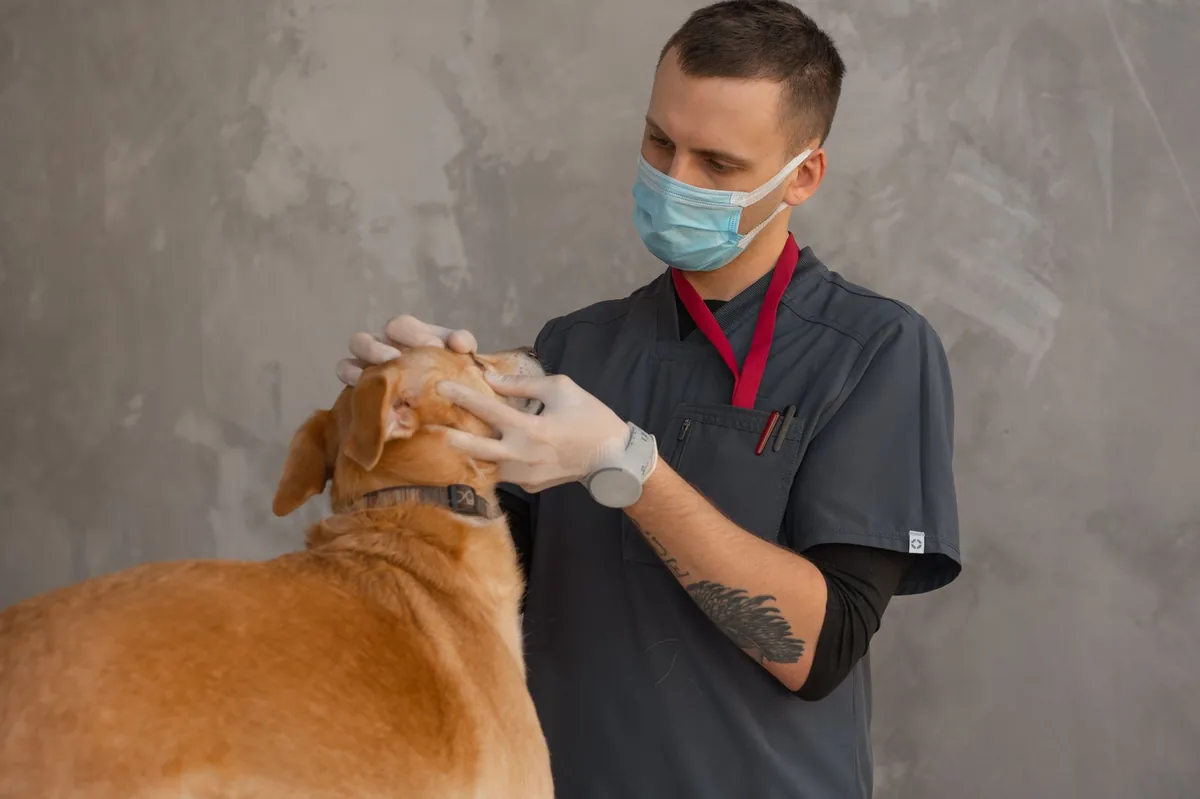
From our vet team: “Intestinal lymphangiectasia can feel overwhelming, but remember that the disease is manageable with a strict low‑fat, MCT‑rich diet and regular monitoring. Most owners see dramatic improvement within weeks of diet change, and many dogs live for years without major setbacks. The key is consistency—don’t let occasional high‑fat treats slip in, and keep up with quarterly blood checks to catch any protein drops early.”
Key takeaways
- Intestinal lymphangiectasia is a low‑fat, high‑protein dietary disease that leaks protein‑rich lymph into the gut.
- Early signs include soft stools, mild weight loss, and slightly pale gums; severe disease can cause edema and ascites.
- Diagnosis relies on blood work, ultrasound, and confirmatory intestinal biopsies.
- First‑line treatment is a strict low‑fat, MCT‑supplemented diet, often combined with steroids or immunosuppressants.
- Long‑term costs average $500‑$1,200 per year for diet and monitoring, with an initial $2,000‑$4,000 diagnostic work‑up.
- Regular vet check‑ups, consistent low‑fat feeding, and careful monitoring of weight and stool quality are the best prevention strategies.
Myth vs. fact
Myth: “If you feed a low‑fat diet, the disease will go away completely.”
Fact: The diet controls symptoms and slows progression, but IL is a chronic condition that requires lifelong management.
Myth: “All dogs with chronic diarrhea have IL.”
Fact: Chronic diarrhea has many causes; IL is just one, diagnosed through specific tests like ultrasound and biopsy.
Myth: “You can treat IL with over‑the‑counter supplements alone.”
Fact: Supplements such as MCT oil help but must be paired with a veterinarian‑approved diet and, when needed, prescription medication.
Frequently asked questions
What are the early signs of intestinal lymphangiectasia in dogs?
Early signs often include soft or mildly oily stools, slight weight loss, reduced appetite, and mildly pale gums. These symptoms can appear gradually over weeks.
How is lymph node inflammation in the gut diagnosed?
Diagnosis starts with blood tests showing low albumin, followed by abdominal ultrasound to look for dilated lacteals, and is confirmed by endoscopic intestinal biopsies that reveal the characteristic dilated lymphatic vessels.
Can diet alone control lymphangiectasia in dogs?
For many dogs, a strict low‑fat, MCT‑supplemented diet can bring clinical signs into remission and may eliminate the need for long‑term steroids, but some cases still require medication to control inflammation.
Is lymphangiectasia curable or only manageable?
IL is generally considered a chronic, manageable disease. With proper dietary control and medication when needed, most dogs live a comfortable life for years, though a complete cure is rare.
What is the typical prognosis for dogs with this condition?
When caught early and managed with diet and medication, 70‑80 % of dogs maintain a good quality of life for several years. Severe hypoalbuminemia or secondary infections can lower the prognosis.
Are certain breeds more prone to intestinal lymphangiectasia?
Yes. Soft Coated Wheaten Terriers, Miniature Schnauzers, and Cocker Spaniels have a higher reported incidence, according to AKC breed health data.
Ask the PuppaDogs community
Have a question this article didn’t fully answer? Want to compare notes with other dog owners who’ve been through this? Our community forum is moderated by experienced owners and vets — and answers tend to come fast. Ask in the PuppaDogs community →
References
- American College of Veterinary Internal Medicine (ACVIM) – Gastrointestinal Disease Guidelines, 2022.
- American Animal Hospital Association (AAHA) – Nutritional Management of Chronic Gastrointestinal Disorders, 2023.
- Merck Veterinary Manual – Intestinal Lymphangiectasia in Dogs, 2021 edition.
- American Kennel Club (AKC) – Breed Health Surveys, 2022.
- World Small Animal Veterinary Association (WSAVA) – Nutritional Recommendations for Dogs with Protein‑Losing Enteropathies, 2023.
- Cornell University College of Veterinary Medicine – Clinical Nutrition for Veterinary Patients, 2022.
- Plumb’s Veterinary Drug Handbook – Immunosuppressive Therapies, 2023.
- Royal Canin Veterinary Diet – Gastrointestinal Low Fat, product information, 2023.
- Hill’s Prescription Diet – i/d Low Fat, product information, 2023.
