
















Quick take: Heart valve infection, or infective endocarditis, is a rare but serious bacterial disease that attacks the inner lining of a dog’s heart valves. Early signs include fever, lethargy, and new heart murmurs. Prompt veterinary care—often involving IV antibiotics and intensive monitoring—offers the best chance of survival, though costs can be high and long‑term outlook varies.
It’s 11 p.m., and your 8‑year‑old mixed‑breed Labrador is lying on the couch, eyes half‑closed, refusing his favorite peanut‑butter treat. You notice his gums look a shade paler than usual and his breathing feels a little shallow. A quick Google search later, you stumble across “heart valve infection in dogs.” The term feels ominous, and you wonder if you’re looking at a life‑threatening emergency.
We get it—seeing your dog act out of character is gut‑wrenching. The good news is that infective endocarditis, while uncommon, can be caught early and treated. In this article we’ll explain what the disease is, why it happens, what to watch for, how vets diagnose it, treatment options, costs, nutrition during recovery, and steps you can take to reduce risk. By the end you’ll know exactly what to ask your vet and how to support your pup through a tough diagnosis.
What is Heart Valve Infection (Infective Endocarditis) in Dogs?
Infective endocarditis (IE) is an infection of the endocardium—the thin inner lining of the heart chambers and valves—caused most often by bacteria that travel through the bloodstream and lodge on a valve. Once bacteria adhere, they form a vegetative mass (tiny clumps of microbes, fibrin, and platelets) that can damage the valve, leak blood, or block flow entirely.
IE is rare in dogs, accounting for roughly 0.1–0.5 % of all canine cardiac cases according to the American College of Veterinary Internal Medicine (ACVIM). Because the disease can mimic other heart problems, it’s frequently diagnosed only after a thorough work‑up.

What causes it?
Infective endocarditis starts when bacteria enter the bloodstream (bacteremia) and find a spot on a heart valve. Several routes and risk factors are recognized:
| Category | Typical Sources / Risk Factors |
|---|---|
| Dental disease | Periodontal infections, especially in dogs with tartar buildup; common bacteria: Streptococcus spp. |
| Skin or wound infections | Abscesses, bite wounds, or chronic dermatitis that allow bacteria into the blood. |
| Urinary or respiratory infections | Pyelonephritis, pneumonia, or chronic bronchitis; often caused by Escherichia coli or Staphylococcus spp. |
| Intravenous catheters / surgeries | Hospital‑acquired bacteria, especially after orthopedic or dental procedures. |
| Breed predisposition | Golden Retrievers, German Shepherds, and Labrador Retrievers show a slightly higher incidence, possibly due to larger valve size and predisposition to immune‑mediated disease. |
Age is another factor—middle‑aged to senior dogs (6 years and older) are most often affected, likely because chronic conditions and dental disease accumulate over time.
Signs and symptoms
Because the heart’s interior is normally sterile, any infection can cause systemic signs. Early clues are often vague, so it helps to compare mild, moderate, and severe presentations.
| Severity | Typical Signs |
|---|---|
| Mild | Lethargy, low‑grade fever (101‑103 °F), reduced appetite, subtle heart murmur. |
| Moderate | Noticeable weight loss, coughing, pale gums, rapid breathing, fever spikes. |
| Severe | Sudden collapse, severe shortness of breath, fluid buildup (edema) in lungs or abdomen, shock, jaundice. |
Key differences from other heart diseases:
- New or changing murmur: IE often creates a brand‑new murmur or worsens an existing one.
- Fever without infection elsewhere: Most chronic heart conditions don’t cause fever.
- Systemic signs: Weight loss, night sweats, and joint pain can accompany IE, whereas primary valve disease usually presents only with cardiac signs.
When to call your vet
Call your regular vet today if you notice any of the following:
- Lethargy lasting more than 24 hours.
- Loss of appetite or a sudden drop in weight.
- New heart murmur detected by a vet or a faint “whooshing” sound you can hear.
- Persistent fever (temperature above 103 °F) without obvious cause.
Go to an emergency veterinary hospital right now if you see:
- Sudden collapse, difficulty breathing, or bluish gums.
- Severe bleeding, shock (cold skin, rapid weak pulse), or seizures.
- Rapid swelling of the abdomen or chest (possible fluid buildup).
These signs indicate a life‑threatening situation that requires immediate medical attention. This article is for information only and does not replace a hands‑on veterinary exam.
How vets diagnose it
Diagnosing infective endocarditis is a stepwise process that combines history, physical exam, and targeted testing:
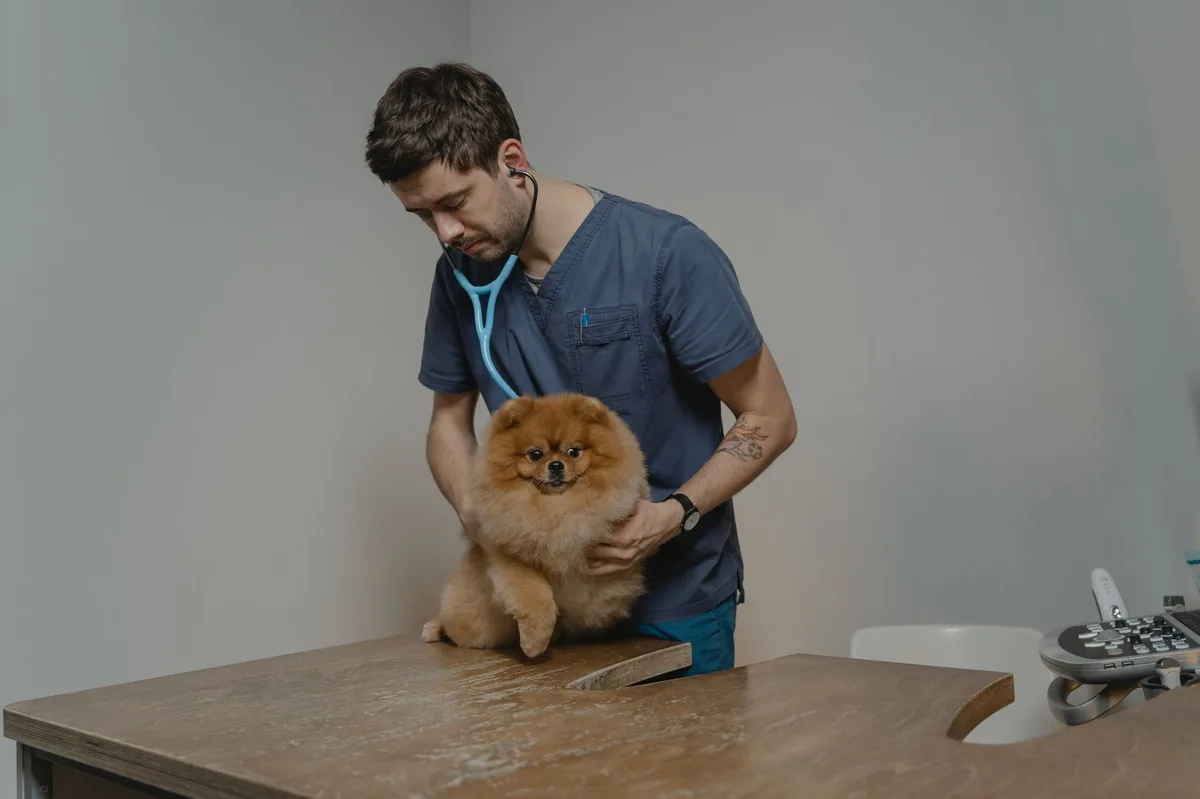
- Auscultation: The vet listens for new or changing murmurs and may note irregular heart rhythms.
- Blood work: Complete blood count (CBC) often shows anemia and a left‑shifted neutrophilia; blood chemistry may reveal kidney or liver stress.
- Blood cultures: Three separate blood samples are taken 12 hours apart to grow any bacteria. Positive cultures confirm the infectious agent in about 40‑60 % of cases.
- Echocardiography (ultrasound): The gold‑standard imaging that visualizes vegetative masses on valves, assesses valve function, and rules out other cardiac diseases.
- Radiographs: Chest X‑rays check for fluid in the lungs or heart enlargement.
- Additional tests: Urinalysis, throat swabs, or dental X‑rays may help locate the primary infection source.
Guidelines from the American Animal Hospital Association (AAHA) and ACVIM recommend a combination of positive blood culture plus echocardiographic evidence for a definitive diagnosis.
Treatment options
Medical treatment
Antibiotics are the cornerstone of therapy. The typical regimen involves a high‑dose, long‑acting IV antibiotic (often a third‑generation cephalosporin or a combination of ampicillin and sulbactam) for 4–6 weeks, followed by oral antibiotics for another 4–6 weeks. Your vet may also add:
- NSAIDs: To control fever and inflammation (e.g., carprofen, meloxicam).
- Anticoagulants: Low‑dose aspirin or clopidogrel to prevent clot formation on vegetations.
- Heart‑support drugs: Pimobendan or ACE inhibitors if valve function is compromised.
All drug choices should be discussed with your vet, who will tailor dosages to your dog’s weight and disease severity.
Supplements and supportive care
While supplements can’t replace antibiotics, they may aid recovery:
- Omega‑3 fatty acids (EPA/DHA): Shown to reduce systemic inflammation and support heart health.
- Probiotics: Helpful if your dog experiences antibiotic‑associated diarrhea.
- Vitamin C: In moderate doses, may support immune function, but always ask your vet before adding it.
Supportive care also includes fluid therapy to maintain hydration, pain control, and close monitoring of temperature and heart rate.
Procedures or surgery
In a minority of cases where valve damage is severe or vegetations cause emboli (clots that travel to other organs), surgical valve replacement or repair may be considered. These procedures are performed at specialty referral hospitals and require cardiopulmonary bypass.
Recovery from cardiac surgery typically involves a 2‑week intensive care stay, followed by 4–6 weeks of restricted activity. Costs can exceed $15,000 USD in the United States, depending on the facility and geographic region.
Diet and nutrition
Nutrition plays a supportive role in recovery from heart valve infection. The goal is to provide highly digestible, nutrient‑dense food that reduces cardiac workload while supporting the immune system.
- High‑quality protein: Choose a diet with easily digestible animal proteins (chicken, turkey, or fish). This helps maintain muscle mass, especially if your dog has been eating less.
- Moderate fat, enriched with omega‑3: Fat provides energy, but keep it moderate (around 10‑12 % of calories) and include EPA/DHA to curb inflammation.
- Low‑sodium: Excess sodium can exacerbate fluid buildup. Look for “low‑sodium” or “cardiac‑support” formulations, or add a splash of water to kibble and avoid salty treats.
- Complex carbohydrates: Sweet potatoes or pumpkin supply steady energy without spiking blood glucose.
- Added antioxidants: Vitamin E and selenium, naturally present in many commercial diets, help mitigate oxidative stress.
Prescription therapeutic diets such as “renal‑support” or “cardiac‑support” formulas (e.g., Hill’s Prescription Diet k/d, Royal Canin Veterinary Diet Cardiac) are formulated with reduced sodium and balanced nutrients. While not a cure, they can make recovery smoother. Talk to your vet about whether a prescription diet is appropriate for your dog’s specific condition.
| Food Group | Do feed | Limit | Avoid |
|---|---|---|---|
| Protein | Cooked chicken, turkey, white fish | Red meat (high fat) | Raw organ meats (risk of bacteria) |
| Fats | Fish oil supplement (EPA/DHA) | Butter, cheese | Fried foods |
| Carbs | Sweet potato, pumpkin puree | White rice (large volumes) | Processed snacks with excess salt |
| Treats | Low‑salt commercial treats | Human salty snacks | Jerky, cured meats |
When transitioning to a new diet, do it gradually over 5‑7 days: mix 25 % new food with 75 % old, then increase the new portion each day. This helps maintain gut health and reduces the risk of gastrointestinal upset, which can be problematic when your dog is already on antibiotics.
Hydration is equally important. Offer fresh water at all times, and consider adding a low‑sodium broth (made without onions or garlic) to encourage fluid intake if your dog seems reluctant to drink.
Cost and prognosis
Financial planning is a realistic concern. Costs vary widely based on location, severity, and whether surgery is required.
| Service | US Estimate | UK Estimate |
|---|---|---|
| Initial work‑up (blood work, cultures, echo) | $800‑$1,500 | £400‑£800 |
| IV antibiotics (4‑6 weeks inpatient) | $2,000‑$4,500 | £1,200‑£2,500 |
| Oral antibiotics (post‑discharge) | $200‑$600 | £100‑£300 |
| Cardiac surgery (if indicated) | $12,000‑$20,000+ | £8,000‑£15,000+ |
| Follow‑up visits & labs (first 3 months) | $300‑$800 | £150‑£400 |
Overall, the median cost for medical management alone ranges from $3,500 to $7,000 USD. Survival rates differ by underlying cause and treatment intensity. Studies in the Merck Veterinary Manual report a 30‑50 % survival rate for dogs treated medically, with higher rates (up to 70 %) when surgery is successful and the infection is caught early.
Factors that improve prognosis include: early detection, a single bacterial species identified (especially Streptococcus spp.), absence of embolic complications, and a strong baseline health status. Older dogs with multiple organ involvement have a lower chance of full recovery.
Prevention and home care
Because IE often follows another infection, good overall health is the best preventive strategy:
- Dental hygiene: Brush teeth weekly and schedule professional cleanings at least annually. The American Veterinary Dental College (AVDC) notes that dental disease is a leading source of bacteremia in dogs.
- Prompt wound care: Clean cuts or bites immediately, and seek veterinary care for deep or infected wounds.
- Vaccinations & parasite control: Keep up‑to‑date on core vaccines and use flea/tick preventives recommended by the AAHA.
- Regular check‑ups: Annual physical exams can catch early murmurs or subtle changes before they become serious.
- Monitor for fever: A rectal temperature above 103 °F that lasts more than 24 hours warrants a vet call.
During recovery, limit strenuous activity for at least 4–6 weeks, keep your dog in a calm environment, and follow your vet’s medication schedule closely. Keep a log of temperature, appetite, and any new symptoms to discuss at follow‑up visits.
From our vet team: “If you catch infective endocarditis early, the combination of targeted antibiotics and supportive care gives many dogs a real chance at a good quality of life. The hardest part is often the waiting—so stay in close contact with your vet, track your dog’s vitals, and don’t hesitate to ask for clarification on any test result.”
Key takeaways
- Infective endocarditis is a rare bacterial infection of the heart valves that can cause fever, lethargy, and a new heart murmur.
- Common sources include dental disease, skin infections, and urinary or respiratory infections; middle‑aged to senior dogs, especially certain breeds, are at higher risk.
- Diagnosis relies on blood cultures, echocardiography, and blood work; early detection dramatically improves survival odds.
- Standard treatment involves 4–6 weeks of IV antibiotics followed by oral therapy, plus supportive drugs and possibly surgery for severe valve damage.
- Expect total medical costs of $3,500‑$7,000 USD (or comparable UK figures) and a survival rate of roughly 30‑50 % with medical management alone.
- Prevent IE by maintaining dental health, treating wounds promptly, keeping vaccinations current, and monitoring for fever or changes in energy.
Myth vs. fact
Myth: “All heart valve infections are fatal.” Fact: While IE is serious, many dogs survive with appropriate antibiotics and supportive care, especially when caught early.
Myth: “Antibiotics alone always cure the infection.” Fact: Some cases require prolonged IV therapy, anticoagulants, and even cardiac surgery; treatment length and intensity vary by severity.
Myth: “Only purebred dogs get infective endocarditis.” Fact: Mixed‑breed dogs can develop IE; the key risk factors are dental disease and underlying infections, not breed alone.
Frequently asked questions
What causes infective endocarditis in dogs?
It usually follows a bacterial infection that enters the bloodstream, most often from dental disease, skin wounds, or urinary/respiratory infections. The bacteria lodge on a heart valve and form vegetative growths.
What signs should I look for if my dog has a heart valve infection?
Watch for fever, lethargy, loss of appetite, new or worsening heart murmur, coughing, pale gums, and rapid breathing. Sudden collapse or severe breathing difficulty requires emergency care.
How do vets confirm a diagnosis of endocarditis in a dog?
Diagnosis combines a new murmur on auscultation, blood cultures that grow bacteria, and echocardiography that visualizes vegetations on the valve. Additional blood work and imaging help assess organ involvement.
What are the treatment options and success rates?
First‑line therapy is high‑dose IV antibiotics for 4–6 weeks, followed by oral antibiotics. Supportive drugs (NSAIDs, anticoagulants) are added as needed. Surgery is reserved for severe valve damage. Survival rates range from 30‑50 % with medical treatment alone to up to 70 % when surgery is successful and infection is caught early.
Is infective endocarditis fatal for dogs?
It can be life‑threatening, especially if diagnosis is delayed or complications like emboli occur. However, many dogs recover with aggressive treatment and return to a good quality of life.
How much does treatment typically cost?
Medical management (diagnostics, IV antibiotics, follow‑up) usually costs $3,500‑$7,000 USD in the United States. Surgical intervention can exceed $15,000 USD. Costs vary by region and facility; discuss a detailed estimate with your vet early on.
Ask the PuppaDogs community
Have a question this article didn’t fully answer? Want to compare notes with other dog owners who’ve been through this? Our community forum is moderated by experienced owners and vets — and answers tend to come fast. Ask in the PuppaDogs community →
References
- American College of Veterinary Internal Medicine (ACVIM). “Guidelines for Diagnosis and Treatment of Infective Endocarditis in Dogs.” 2022.
- American Animal Hospital Association (AAHA). “Canine Cardiology Guidelines.” 2023.
- Merck Veterinary Manual. “Endocarditis in Dogs.” Updated 2023.
- American Veterinary Dental College (AVDC). “Dental Disease as a Source of Bacteremia.” 2021.
- Cornell University College of Veterinary Medicine. “Infective Endocarditis Overview.” 2022.
- UC Davis School of Veterinary Medicine. “Antibiotic Therapy for Canine Infective Endocarditis.” 2021.
- World Small Animal Veterinary Association (WSAVA). “Vaccination and Parasite Prevention Recommendations.” 2022.


