













Quick take: Pericarditis, or inflammation of the heart sac, can cause fluid buildup and pressure on the heart. Early signs include lethargy, fainting, and shallow breathing. Prompt veterinary care—often a combination of medication and fluid drainage—greatly improves outcome, but costs can range from a few hundred dollars for diagnostics to several thousand for surgery.
It’s 9 p.m., and you’ve just noticed your senior Golden Retriever, Max, dragging his paws across the living‑room carpet, his usual enthusiasm replaced by a slow, hesitant gait. When you gently press his gums, they look paler than they have in months, and his breathing feels shallow. A quick Google search lands you on “heart sac inflammation in dogs,” and the worry spikes. You’re not alone—many owners first spot pericarditis when a beloved dog’s energy fades or a fainting episode occurs.
Pericarditis is an inflammation of the pericardium, the thin, double‑layered sac that protects and lubricates the heart. In dogs, this condition can lead to fluid accumulation (pericardial effusion) that squeezes the heart, a situation known as cardiac tamponade. While the diagnosis can feel daunting, most dogs respond well to timely medical or surgical treatment, and our guide will walk you through what to look for, how vets evaluate it, and what you can expect at home.
In this article we’ll cover:
- What pericarditis is and how common it is
- Typical causes and the breeds most often affected
- Early and late clinical signs
- When you should call your vet—or rush to an emergency clinic
- Diagnostic steps, treatment options, diet, cost, and recovery
- Prevention tips and home care after surgery
What is heart sac inflammation (pericarditis) in dogs?
Pericarditis is the inflammation of the pericardium, the fibrous membrane that surrounds the heart and contains a thin layer of fluid for smooth movement. When this membrane becomes inflamed, it can leak fluid into the pericardial space, creating a pericardial effusion. If the fluid volume grows quickly, it can compress the heart, limiting its ability to pump blood—a life‑threatening emergency called cardiac tamponade.
In the United States, pericarditis is relatively uncommon, accounting for roughly 1–2 % of all canine cardiac cases seen at referral hospitals (AAHA 2022). However, because the signs are often subtle at first, many cases go undiagnosed until the disease progresses.
What causes heart sac inflammation?
Pericarditis can be triggered by a variety of underlying problems. Below is a concise overview of the most frequent causes in dogs.
| Category | Typical Triggers |
|---|---|
| Idiopathic | Unknown origin; immune‑mediated inflammation without a detectable pathogen |
| Infectious | Bacterial (e.g., Streptococcus), viral (e.g., canine parvovirus), fungal, or tick‑borne diseases like ehrlichiosis |
| Trauma | Blunt chest injury from a car accident or a fall |
| Neoplasia | Primary heart tumors (hemangiosarcoma) or metastatic cancers spilling into the pericardial space |
| Autoimmune | Systemic immune diseases such as systemic lupus erythematosus (SLE) |
Breed predisposition is modest, but larger breeds—especially Golden Retrievers, Labrador Retrievers, and German Shepherds—appear more often in case series, likely because they are more prone to heart disease overall (Cornell 2023).
Signs and symptoms
Pericarditis can masquerade as other heart or respiratory problems. Recognizing the pattern of early versus severe signs helps you decide when to act.
| Severity | Typical Signs |
|---|---|
| Early / Mild | Lethargy, reduced appetite, slight panting, faint cough |
| Moderate | Noticeable difficulty breathing, pale gums, fainting (syncope) during activity, abdominal distension from fluid buildup |
| Severe / Cardiac tamponade | Rapid, shallow breaths, severe weakness, collapse, bluish gums or tongue, low heart rate (bradycardia) |
Because the pericardial sac is a closed space, fluid accumulation can happen quickly. A dog may go from a mild cough to collapsing within hours, especially if a tumor is bleeding into the sac.

When to call your vet
Call your vet today if you notice any of the following:
- Lethargy or decreased appetite lasting more than 24 hours
- Persistent cough or mild difficulty breathing
- Pale or bluish gums on examination
- Fainting episodes, even if brief
Go to an emergency animal hospital right now if your dog shows any sign of cardiac tamponade:
- Sudden collapse or inability to stand
- Very rapid, shallow breathing with a weak pulse
- Blue‑tinged tongue or gums
- Extreme weakness or loss of consciousness
These red‑flag symptoms indicate that the heart is being compressed and urgent drainage may be lifesaving. This article is for information only and does not replace professional veterinary care.
How vets diagnose pericarditis
The diagnostic work‑up combines a physical exam with imaging and laboratory tests to pinpoint fluid accumulation and its cause.
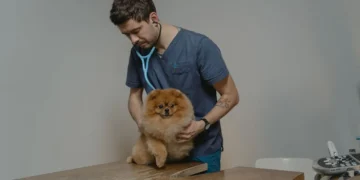
- Physical exam: The veterinarian may feel a muffled heart sound and detect rapid, weak pulses. A careful check of the gums and mucous membranes can reveal pallor.
- Thoracic radiographs (X‑rays): Show an enlarged, globular cardiac silhouette suggestive of fluid in the pericardial sac.
- Echocardiogram (ultrasound of the heart): The gold‑standard tool; it visualizes fluid, measures its volume, and can identify masses like hemangiosarcoma (AVMA 2023).
- Thoracocentesis: If fluid is present, a needle is used to withdraw a sample for analysis (cell count, bacterial culture, cytology) to determine if infection or cancer is involved.
- Blood work: CBC and chemistry panels assess anemia, organ function, and inflammatory markers; a high neutrophil count may point to infection.
- Advanced imaging (CT or MRI): Occasionally employed to evaluate tumors or complex trauma.
These tests together give the vet a clear picture of how much fluid is present, why it’s there, and what the best treatment route may be.
Treatment options
Medical treatment
When the fluid amount is modest or the underlying cause is infectious or autoimmune, medication is the first line.
- Non‑steroidal anti‑inflammatory drugs (NSAIDs): Drugs such as carprofen or meloxicam reduce inflammation and pain. Your vet will dose based on your dog’s weight and condition.
- Corticosteroids: Prednisone or prednisolone are used for immune‑mediated pericarditis. They suppress the immune response that fuels inflammation.
- Antibiotics or antifungals: If a bacterial or fungal infection is identified, appropriate agents (e.g., amoxicillin‑clavulanate, fluconazole) are prescribed. Ask your vet about these options.
- Supportive fluids and oxygen: To maintain blood pressure and oxygenation while the heart recovers.
Supplements and supportive care
While supplements cannot replace prescription medication, they can aid recovery when used alongside veterinary care.
- Omega‑3 fatty acids (EPA/DHA): Anti‑inflammatory properties may help reduce pericardial inflammation. Look for a high‑quality fish‑oil supplement approved for dogs.
- Coenzyme Q10 (CoQ10): Supports cardiac energy production; some studies in dogs with heart disease suggest modest benefit (WSAVA 2022).
- Probiotics: Helpful if the dog is on antibiotics, to maintain gut health.
Always discuss any supplement with your vet to avoid interactions.
Procedures or surgery
When fluid builds rapidly or a tumor is the source, more invasive interventions are needed.
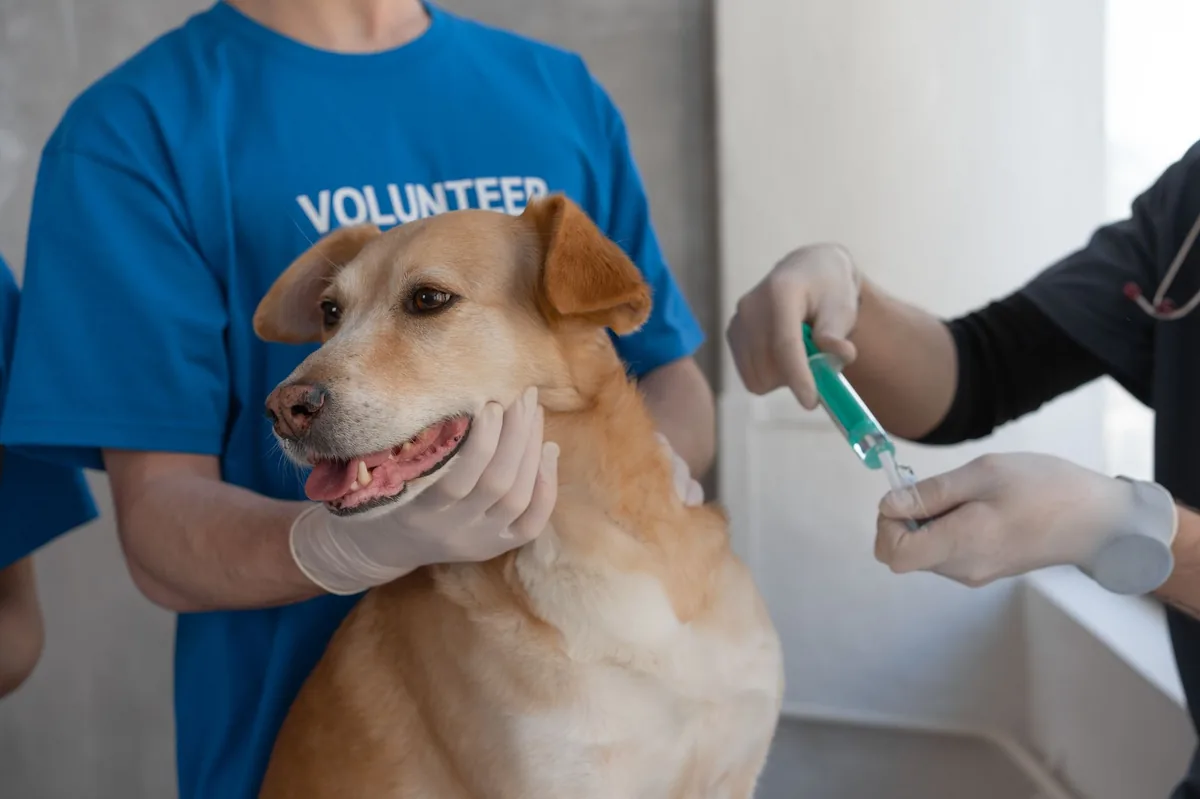
- Pericardiocentesis: A needle is inserted into the pericardial space to drain fluid, providing immediate relief. It may be repeated if fluid re‑accumulates.
- Pericardiectomy (pericardial window): Surgical removal of a portion of the pericardium creates a permanent “window” for fluid to escape into the chest cavity, where it is absorbed. This is often performed when a hemangiosarcoma is causing recurrent effusion.
- Tumor resection: If a localized tumor is identified, removal may be curative, though many heart tumors are malignant and have guarded prognosis.
Recovery from pericardiocentesis is usually quick—dogs may be home within a day. Pericardiectomy is a major thoracic surgery; most dogs stay 3–5 days in the hospital and require careful monitoring for infection and fluid buildup.
Diet and nutrition
Nutrition plays a supportive role in recovery, especially when the heart is under strain. While there is no “pericarditis‑specific” diet, feeding a balanced, low‑sodium, highly digestible diet helps reduce cardiac workload and supports overall health.
| Do feed | Limit | Avoid |
|---|---|---|
| High‑quality protein (chicken, turkey, fish) with digestible amino acids | Excessive treats and table scraps | High‑salt foods (processed meats, cheese, salty snacks) |
| Omega‑3 rich fish oil or flaxseed oil | Very high‑fat meals (may worsen heart strain) | Raw bone‑in‑food diets that are not balanced (risk of excess calcium) |
| Prescription renal‑support diet if kidney function is compromised (common in older dogs) | Excessive carbohydrates (white rice, corn) | Any diet high in phosphorus additives |
Key feeding tips:
- Offer smaller, more frequent meals (2–3 times daily) to avoid overloading the heart after a large meal.
- Transition to a new diet gradually over 7–10 days to prevent gastrointestinal upset.
- Ensure fresh water is always available; dehydration can increase blood viscosity and heart strain.
- If your dog is on a prescription diet (e.g., a renal formula), follow the manufacturer’s feeding guide and discuss any adjustments with your vet.
For senior dogs recovering from pericardial surgery, a diet formulated for joint health—containing glucosamine and chondroitin—can be beneficial, as reduced activity may otherwise lead to stiffness.
Cost and prognosis
Financial considerations are an important part of planning care. Below are typical cost ranges in the United States and United Kingdom, based on data from the AAHA and veterinary practice surveys.
| Service | US Estimate | UK Estimate |
|---|---|---|
| Initial exam + blood work | $150–$300 | £80–£150 |
| Thoracic X‑ray | $100–$200 | £60–£120 |
| Echocardiogram | $300–$600 | £200–£350 |
| Pericardiocentesis (single drainage) | $500–$1,200 | £350–£700 |
| Pericardiectomy (surgical window) | $2,500–$5,500 | £1,800–£3,500 |
| Post‑operative hospitalization (3 days) | $600–$1,200 | £300–£800 |
The prognosis depends heavily on the underlying cause. Idiopathic pericarditis that responds to medication has a good to excellent outlook, with many dogs returning to normal activity within weeks. When a malignant tumor is the source, median survival after surgery is 3–6 months, though some dogs live longer with adjunct chemotherapy (Merck Veterinary Manual). Early detection and prompt treatment dramatically improve survival chances.
Prevention and home care
While you can’t always prevent pericarditis—especially idiopathic or tumor‑related cases—several everyday steps can reduce risk and support recovery.
- Regular veterinary wellness exams: Annual heart auscultation and, for senior breeds, routine echocardiograms can catch early fluid buildup.
- Tick control: Prevent tick‑borne infections (e.g., ehrlichiosis) with year‑round preventatives approved by the our experts. Use products appropriate for your region (US, UK, AU).
- Weight management: Maintaining an ideal body condition lessens cardiac workload.
- Limit exposure to trauma: Keep dogs safe in vehicles with proper restraints and avoid high‑impact activities for senior dogs.
- Monitor for subtle changes: Keep a daily log of appetite, energy, and breathing. Any sudden shift should prompt a call to the vet.
- Post‑surgical care: Follow your surgeon’s instructions on activity restriction (usually 2–4 weeks of limited leash walks) and keep the incision clean. Use a prescribed pain reliever and monitor for signs of infection (redness, swelling, discharge).
After a pericardiocentesis, your dog may need a short period of restricted activity while the heart readjusts. A calm environment, easy access to water, and a low‑stair home can make recovery smoother.
Diet and nutrition
During recovery, the goal is to provide easily digestible, nutrient‑dense meals that don’t over‑tax the heart.
| Category | Recommendation |
|---|---|
| Protein | High‑quality, low‑fat sources (e.g., boiled chicken breast, white fish) |
| Carbohydrates | Simple, easily digestible carbs like sweet potato or pumpkin |
| Fats | Moderate omega‑3 enriched oils; avoid excessive animal fat |
| Electrolytes | Maintain balanced sodium (≤0.2 % of diet) to avoid fluid retention |
| Supplements | Omega‑3 fish oil (1 g per 10 lb body weight) and CoQ10 (0.05 mg/kg) after vet approval |
Feeding tips for the first few weeks after surgery:
- Offer 4–5 small meals daily rather than one large bowl.
- Warm the food slightly (body temperature) to enhance aroma and encourage eating.
- Gradually re‑introduce regular kibble over 7–10 days to avoid gastrointestinal upset.
- Monitor stool consistency; any persistent diarrhea warrants a vet call.
For dogs with concurrent kidney issues, a prescription renal diet (low phosphorus, moderate protein) is often recommended. Discuss any diet change with your vet to ensure it meets your dog’s specific needs.
Cost and prognosis
We’ve covered the financial side earlier, but it’s worth reiterating that early diagnosis can keep costs lower. A simple echo and pericardiocentesis may total under $2,000, while full surgical intervention can exceed $5,000. Many veterinary hospitals offer payment plans or financing options; check the cost portal for resources.
Overall survival rates:
- Idiopathic pericarditis treated medically: 70–90 % of dogs recover fully.
- Pericardial effusion from hemangiosarcoma: median survival 3–6 months after surgery; some dogs respond to adjunct chemotherapy.
- Infectious pericarditis with appropriate antibiotics: 80–95 % recovery if treated promptly.
Quality of life after treatment is generally good when the underlying cause is controlled, and most dogs return to normal activity levels within 4–6 weeks.
Prevention and home care
Preventing recurrence often hinges on managing the root cause.
- Vaccination: Keep vaccinations up‑to‑date, especially for canine parvovirus and distemper, which can occasionally trigger cardiac inflammation.
- Regular heart screening: Senior dogs benefit from annual echocardiograms, especially breeds predisposed to cardiac tumors.
- Dental health: Periodontal disease can seed bacterial infections that affect the heart; use a VOHC‑approved dental chew and brush regularly.
- Environmental enrichment: Gentle mental stimulation (puzzle toys, short leash walks) keeps senior dogs active without overexertion.
- Medication adherence: If your vet prescribes steroids or NSAIDs, give them exactly as directed and report any side effects.
At home, keep a calm routine, limit stairs, and provide a soft, supportive bed. Checking gums twice daily for color changes can give an early warning of anemia or fluid shifts.
From our vet team: “If your dog suddenly seems weak or starts fainting, think of the heart as a pump that might be “blocked” by fluid. Quick drainage can be lifesaving, and most owners are amazed at how fast dogs bounce back once the pressure is released. Don’t wait for the next walk to notice changes—trust your instincts and call your vet early.”
Key takeaways
- Pericarditis is inflammation of the heart sac that can cause fluid buildup and, if severe, cardiac tamponade.
- Early signs include lethargy, pale gums, and a mild cough; sudden collapse signals an emergency.
- Diagnosis relies on physical exam, X‑ray, and especially echocardiography to visualize fluid and identify underlying causes.
- Medical management (NSAIDs, steroids, antibiotics) works for many cases; fluid drainage or pericardiectomy is needed for severe effusion or tumors.
- Low‑sodium, high‑quality protein diets with added omega‑3s support heart health during recovery.
- Costs range from a few hundred dollars for diagnostics to over $5,000 for surgery; early detection can keep expenses lower.
Myth vs. fact
Myth: Pericarditis always requires heart surgery.
Fact: Many dogs improve with medication and fluid drainage alone; surgery is reserved for recurrent or tumor‑related cases.
Myth: A single fainting episode means the dog will die.
Fact: Syncope can be an early warning sign; prompt veterinary care often resolves the issue and restores normal function.
Myth: Pericarditis is highly contagious.
Fact: Most cases are non‑infectious (idiopathic) or stem from internal disease; it is not spread between dogs.
Frequently asked questions
What causes pericarditis in dogs?
Pericarditis can arise from idiopathic (unknown) inflammation, bacterial or viral infections, chest trauma, neoplastic growths, or autoimmune disorders. Large breeds and senior dogs are commonly affected.
Can pericarditis be cured in dogs?
Yes, many dogs recover fully with appropriate treatment—especially when the cause is idiopathic or infectious. Tumor‑related pericarditis can be managed but often has a guarded prognosis.
What are the early symptoms of heart sac inflammation in dogs?
Early signs include reduced energy, mild cough, slight difficulty breathing, and pale gums. These symptoms may be subtle, so any sudden change in behavior warrants a vet call.
How is pericarditis diagnosed by a veterinarian?
Vets perform a physical exam, thoracic X‑rays, and an echocardiogram to detect fluid. They may also withdraw fluid (thoracocentesis) for lab analysis and run blood work to look for infection or inflammation.
What is the prognosis for dogs diagnosed with pericarditis?
Prognosis varies: idiopathic cases treated medically have a 70–90 % chance of full recovery; tumor‑related cases often survive 3–6 months after surgery. Early detection improves outcomes.
Are there any home remedies or supportive care for dogs with pericarditis?
Supportive care includes a low‑sodium, high‑quality diet, omega‑3 supplements (with vet approval), and limiting strenuous activity. Always follow your vet’s medication plan; there are no proven “home cures.”
Ask the PuppaDogs community
Have a question this article didn’t fully answer? Want to compare notes with other dog owners who’ve been through this? Our community forum is moderated by experienced owners and vets — and answers tend to come fast. Ask in the PuppaDogs community →
References
- American Animal Hospital Association (AAHA) 2022 Canine Cardiology Guidelines.
- American Veterinary Medical Association (AVMA) 2023 Veterinary Emergency and Critical Care Handbook.
- Merck Veterinary Manual, “Pericardial Disease” chapter.
- World Small Animal Veterinary Association (WSAVA) 2022 Consensus Statement on Cardiovascular Supplements.
- Cornell University College of Veterinary Medicine, “Canine Heart Disease” clinical overview, 2023.
- American College of Veterinary Internal Medicine (ACVIM) 2021 Consensus on Pericardial Effusion Management.


