













Quick take: A cardiac rhabdomyoma is a rare, usually benign muscle tumor that can grow inside a dog’s heart. It often shows up as a soft‑thudding heartbeat, coughing, or reduced stamina, and can become life‑threatening if it blocks blood flow. Diagnosis relies on ultrasound or advanced imaging, and surgery is the only curative option for most dogs, though costs can range from a few thousand to over ten thousand dollars.
It’s 11 p.m., and your 8‑year‑old mixed‑breed Labrador lies on the couch, breathing a little faster than usual. You notice a faint “whooshing” sound when you place your hand on his chest, and his once‑bright eyes look a bit dull. A quick internet search for “dog heart thump” sends you spiraling into medical jargon, and you wonder whether that thudding rhythm could be a tumor.
We get it. When a heart‑related sound or a sudden drop in energy shows up, the mind races—“Is this a heart attack? Do I need surgery? Will my dog survive?” The good news is that a heart tumor called rhabdomyoma, while rare, is often treatable if caught early. In this guide we’ll explain exactly what a cardiac rhabdomyoma is, how to spot it, what your vet will do to confirm it, and what treatment, cost, and home‑care options look like. By the end you’ll know the red‑flag signs, the steps to take tonight, and how to support your dog through diagnosis and recovery.
What is a heart tumor (rhabdomyoma) in dogs?
A heart tumor is an abnormal growth of tissue inside the heart. The most common type in dogs is a hemangiosarcoma, a malignant (cancerous) tumor of blood‑vessel cells. Rhabdomyoma, by contrast, is a benign (non‑cancerous) tumor that arises from cardiac muscle cells (myocytes). “Benign” means the tumor itself does not spread to other organs, but its size or location can still cause serious problems by obstructing blood flow or interfering with the heart’s electrical system.
Rhabdomyomas are rare—accounting for less than 5 % of all canine cardiac tumors, according to the American College of Veterinary Internal Medicine (ACVIM). They are most often diagnosed in puppies and young adults, but senior dogs can develop them too. Because they grow slowly, they may be present for months before obvious signs appear.
What causes it?
Rhabdomyomas are not caused by an infection or lifestyle factor the owner can control. They are thought to arise from developmental errors in cardiac muscle cells, similar to certain human pediatric tumors. A few genetic and breed‑related risk factors have been identified:
| Risk factor | Details |
|---|---|
| Breed predisposition | Boxers, German Shepherds, and Golden Retrievers show a slightly higher incidence (AKC data). |
| Age | Most cases appear in dogs under 3 years, but senior dogs can develop secondary rhabdomyomas. |
| Genetic mutations | Mutations in the PRKAG2 gene have been linked to familial cardiac rhabdomyoma in some studies (Cornell Veterinary School). |
| Congenital heart disease | Dogs with pre‑existing structural heart defects may be more likely to develop secondary tumors. |
While you can’t prevent a genetic error, early veterinary screening—especially in breeds with known predisposition—helps catch a tumor before it compromises heart function.
Signs and symptoms
Because rhabdomyomas grow within the heart muscle, they often mimic other heart conditions. The key is to notice subtle changes that persist or worsen over days to weeks.
| Severity | Typical signs |
|---|---|
| Mild | Reduced stamina on walks, occasional cough after exercise, faint heart murmur detected by a vet. |
| Moderate | Persistent cough, noticeable rapid breathing (tachypnea), fainting episodes (syncope), irregular heartbeat (arrhythmia). |
| Severe | Sudden collapse, severe shortness of breath, blue‑tinged gums, shock, or sudden death. |
Other clues include a “whooshing” sound when you place your hand on the chest, unexplained weight loss, or a change in appetite. If any of these appear, especially in a breed prone to heart disease, it’s time to act.
When to call your vet
Call your vet today if you notice any of the following:
- New or worsening cough, especially after activity.
- Reduced stamina, reluctance to play, or fatigue after short walks.
- Irregular heart rhythm felt by a veterinarian or a new heart murmur.
- Fainting or brief episodes of weakness.
Go to an emergency veterinary hospital right now if you see:
- Rapid, labored breathing or open‑mouth panting at rest.
- Blue or very pale gums, tongue, or mucous membranes.
- Sudden collapse, seizures, or inability to stand.
- Severe bleeding from any site (rare but possible if tumor ruptures).
This article is for informational purposes only and does not replace a hands‑on veterinary examination. If you’re unsure, err on the side of caution and call your vet.
How vets diagnose it
Diagnosis is a stepwise process that combines history, physical exam, and targeted tests:
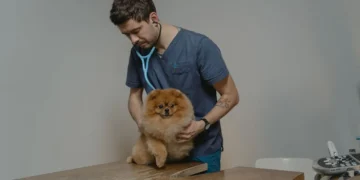
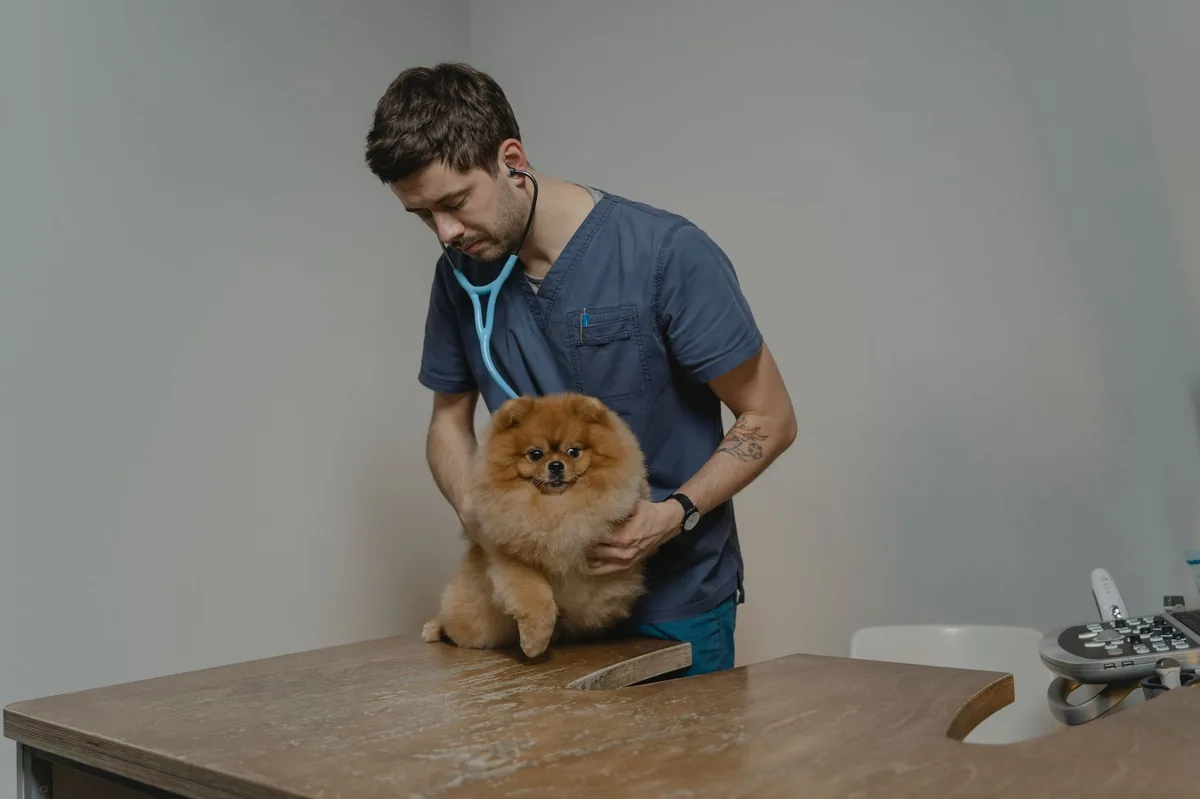
- Physical exam: Your vet will listen for murmurs, assess respiratory rate, and palpate for a thudding pulse.
- Thoracic radiographs (X‑rays): Provide a quick look at heart size and any fluid in the lungs.
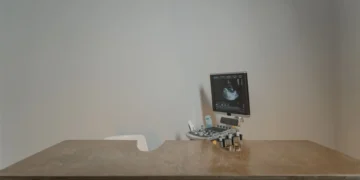
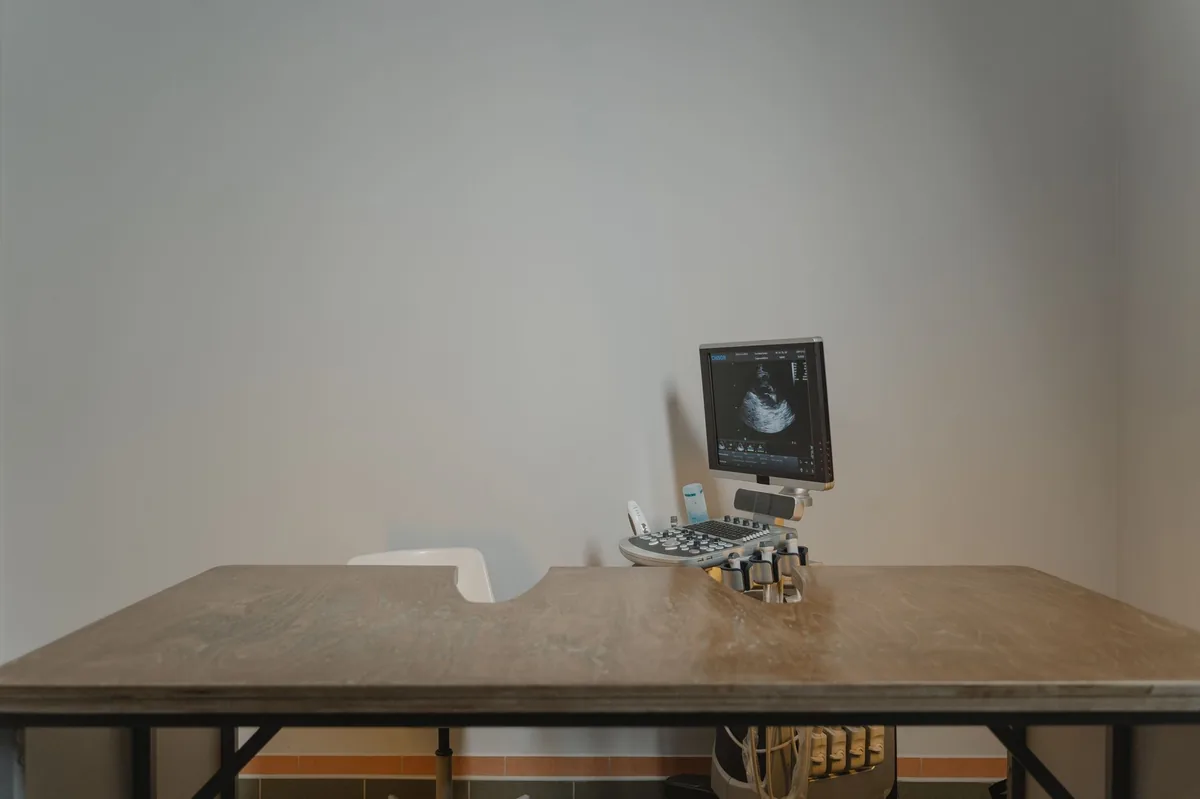
- Echocardiography (ultrasound of the heart): The gold‑standard for spotting rhabdomyoma. It shows the tumor’s size, location, and effect on blood flow.
- Advanced imaging: CT or MRI may be recommended for precise surgical planning.
- Blood work: CBC, chemistry panel, and cardiac biomarkers (e.g., NT‑proBNP) help evaluate overall health and rule out other causes.
- Biopsy (rare): In some cases, a fine‑needle aspirate or surgical biopsy confirms the tumor type, especially if imaging cannot differentiate rhabdomyoma from hemangiosarcoma.
Most vets follow AAHA guidelines for cardiac work‑ups, which stress the importance of echocardiography before deciding on surgery.
Treatment options
Medical treatment
While surgery offers the only chance for a cure, medical management can stabilize a dog while awaiting an operation or when surgery isn’t feasible.
- Beta‑blockers (e.g., atenolol): Reduce heart rate and lessen arrhythmia risk.
- ACE inhibitors (e.g., enalapril): Lower blood pressure and ease the heart’s workload.
- Diuretics (e.g., furosemide): Help manage fluid buildup in the lungs if heart failure develops.
- Anti‑arrhythmic drugs (e.g., sotalol): May be prescribed if the tumor causes dangerous rhythm disturbances.
All medication decisions are individualized; ask your vet about these options and how they fit your dog’s specific condition.
Supplements and supportive care
Evidence‑based supplements can complement medical therapy, especially for dogs with heart strain:
- Omega‑3 fatty acids (EPA/DHA): Reduce inflammation and support cardiac cell membranes. A dose of 50–100 mg EPA per kilogram body weight is common, but your vet will tailor it.
- L‑carnitine: Helps the heart use fatty acids more efficiently, useful in dogs with mild cardiomyopathy.
- Coenzyme Q10: Antioxidant that may improve myocardial energy production; safe in most dogs.
- Probiotics: Support gut health, especially if your dog is on long‑term antibiotics.
Supplements should never replace prescribed medication, but they can ease symptoms and improve quality of life.
Procedures or surgery
When the tumor blocks a valve or significantly impairs blood flow, surgical removal (cardiomyotomy) is recommended. The procedure typically involves:
- General anesthesia with a cardiopulmonary bypass machine.
- Opening the chest (sternotomy) to access the heart.
- Excising the tumor while preserving surrounding muscle.
- Closing the chest and monitoring in an intensive care unit for 24–48 hours.
Recovery at home usually takes 2–4 weeks, with restricted activity and careful monitoring for arrhythmias. The cost varies widely—US estimates range from $5,000 to $12,000 for the entire surgical episode, while UK figures are roughly £4,000–£9,000 (both include anesthesia, ICU stay, and post‑op meds). Your vet can give a more precise quote after imaging.
Diet and nutrition
Nutrition plays a supporting role in managing a heart tumor. While no diet can shrink a rhabdomyoma, feeding a heart‑healthy diet can reduce the workload on the heart, aid recovery after surgery, and help maintain body condition.
| Category | Recommendations |
|---|---|
| Do feed | Highly digestible protein sources (e.g., chicken, turkey), omega‑3 enriched foods, low‑sodium kibble or wet diet formulated for cardiac health. |
| Limit | High‑fat treats, table scraps, and foods high in sodium such as processed meats. |
| Avoid | Excessive carbohydrates (e.g., large amounts of rice or corn), very high‑calorie foods that can lead to obesity. |
Key nutrients to look for:
- Protein: Aim for 18–22 % of calories from high‑quality animal protein. This helps maintain muscle mass without overloading the heart.
- Fat: Keep total fat around 10–12 % of calories, with a focus on omega‑3 sources (fish oil, flaxseed).
- Sodium: Less than 0.2 % (200 mg per 100 kcal) is ideal for heart‑compromised dogs, per AAHA nutrition guidelines.
- Potassium and magnesium: Balanced electrolytes support cardiac rhythm; many therapeutic cardiac diets contain these in appropriate amounts.
If your vet recommends a prescription cardiac diet (e.g., Hill’s Prescription h/d or Royal Canin Cardiac), you can transition gradually over 5‑7 days by mixing increasing amounts of the new food with the old.
Hydration is equally important. Offer fresh water at all times, but avoid large “water bowls” that may encourage excessive intake if your dog is on diuretics—ask your vet how much water is appropriate.
During post‑operative recovery, smaller, more frequent meals (2–3 times daily) are easier on the heart and help prevent nausea from anesthesia. Adding a spoonful of canned pumpkin or a low‑sodium broth can improve appetite without adding excess sodium.
Cost and prognosis
Financial planning helps owners feel more in control. Below is a rough cost breakdown based on US and UK averages (these are estimates; actual costs depend on location, clinic, and individual case):
| Service | US estimate | UK estimate |
|---|---|---|
| Initial exam & blood work | $150–$300 | £80–£150 |
| Chest X‑ray | $200–$400 | £120–£250 |
| Echocardiogram | $400–$800 | £250–£500 |
| CT/MRI (if needed) | $800–$1,500 | £600–£1,200 |
| Surgical removal (incl. ICU) | $5,000–$12,000 | £4,000–£9,000 |
| Post‑op meds & supplements (first month) | $200–$400 | £100–£250 |
| Follow‑up visits (first 3 months) | $300–$600 | £150–£300 |
Prognosis hinges on tumor size, location, and whether surgery is possible. Dogs that undergo successful removal often enjoy a good quality of life for years, with a 70–85 % survival rate at 1 year post‑op (AAHA 2022 data). Those managed medically alone may live months to a few years, depending on heart function.
Early detection dramatically improves outcomes, so regular heart screenings—especially for at‑risk breeds—are a wise investment.
Prevention and home care
Because rhabdomyoma isn’t preventable in the classic sense, focus on minimizing secondary complications:
- Regular cardiac check‑ups: Annual exams for at‑risk breeds; semi‑annual echocardiograms if a small tumor is already known.
- Weight management: Keep body condition score (BCS) at 4‑5/9 to reduce cardiac strain.
- Exercise moderation: Short, leashed walks rather than high‑intensity play until cleared by your vet.
- Medication adherence: Never skip prescribed heart meds; set reminders or use a pill organizer.
- Monitor for changes: Keep a daily log of breathing rate, appetite, and activity level. Any sudden shift warrants a call.
- Vaccinations and parasite control: Follow AAHA vaccination schedules and use heartworm preventatives; while they don’t affect rhabdomyoma, overall heart health matters.
Our Dog Questions Answered guide offers printable checklists for tracking heart‑related symptoms, and the Cost Calculator can help you budget future veterinary expenses.
From our vet team: “If your dog’s heart murmur suddenly changes or your pet starts coughing at rest, don’t wait for the next routine appointment. Early imaging can differentiate a benign rhabdomyoma from a malignant hemangiosarcoma, and surgery performed before the tumor blocks a valve often yields the best outcome. Trust your instincts—if something feels off, call us.”
Key takeaways
- Cardiac rhabdomyoma is a rare, usually benign heart tumor that can cause coughing, reduced stamina, or life‑threatening blockage.
- Early signs include a new heart murmur, persistent cough, or sudden fatigue—call your vet promptly.
- Diagnosis relies on echocardiography; surgery is the only curative option for most dogs.
- Medical management (beta‑blockers, ACE inhibitors) can stabilize dogs awaiting surgery or when surgery isn’t possible.
- Post‑op care includes a low‑sodium, omega‑3‑rich diet, limited activity for 2–4 weeks, and regular follow‑up imaging.
- Costs range from a few thousand to over ten thousand dollars; early detection improves both survival and expense.
Myth vs. fact
Myth: All heart tumors in dogs are deadly cancer.
Fact: Rhabdomyomas are benign; they can be removed surgically and many dogs live long, healthy lives afterward.
Myth: A heart tumor always causes immediate collapse.
Fact: Small rhabdomyomas often grow slowly and may only cause mild coughing or reduced stamina for months before severe signs appear.
Myth: Diet can cure a heart tumor.
Fact: Nutrition supports heart function and recovery but cannot eliminate the tumor; it should be part of a comprehensive treatment plan.
Frequently asked questions
What signs should I look for if my dog has a heart tumor?
Typical signs include a new heart murmur, persistent cough, reduced stamina, rapid breathing, fainting episodes, or a “whooshing” pulse when you place your hand on the chest. Early detection improves treatment options.
How do vets confirm a diagnosis of rhabdomyoma in a dog’s heart?
Vets use echocardiography as the primary tool; it shows the tumor’s size, shape, and effect on blood flow. In ambiguous cases, CT or MRI and sometimes a biopsy are added to rule out malignant tumors.
Are there non‑surgical treatments for heart rhabdomyoma in dogs?
Yes. Medications such as beta‑blockers, ACE inhibitors, and diuretics can control heart rate and fluid buildup, while omega‑3 supplements support cardiac health. However, these measures usually manage symptoms rather than cure the tumor.
What is the typical recovery time after heart tumor surgery?
Most dogs stay in the ICU for 24–48 hours, then recover at home for 2–4 weeks with restricted activity. Full return to normal exercise often occurs after a follow‑up echocardiogram confirms no residual tumor.
Will my dog need lifelong medication after a heart tumor is removed?
Many dogs require ongoing cardiac meds—such as ACE inhibitors or beta‑blockers—to keep heart function stable, especially if the tumor caused permanent valve damage. Your vet will tailor the regimen to your dog’s needs.
How much does treatment for a canine heart tumor usually cost?
Overall expenses can range from $5,000 to $12,000 in the United States, covering diagnostics, surgery, ICU care, and post‑op medications. UK costs are roughly £4,000–£9,000. Exact numbers depend on tumor size, required imaging, and geographic location.
Ask the PuppaDogs community
Have a question this article didn’t fully answer? Want to compare notes with other dog owners who’ve been through this? Our community forum is moderated by experienced owners and vets — and answers tend to come fast. Ask in the PuppaDogs community →
References
- American College of Veterinary Internal Medicine (ACVIM). “Cardiac Tumors in Dogs.” 2022.
- American Animal Hospital Association (AAHA). “Guidelines for Cardiac Care.” 2023.
- Merck Veterinary Manual. “Rhabdomyoma, Cardiac.” Updated 2023.
- Veterinary Oncology Society. “Hemangiosarcoma vs. Rhabdomyoma: Diagnostic Differentiation.” 2021.
- Cornell University College of Veterinary Medicine. “Genetic Mutations Linked to Canine Cardiac Rhabdomyoma.” 2020.
- American Veterinary Medical Association (AVMA). “Heart Failure Management in Dogs.” 2022.
- World Small Animal Veterinary Association (WSAVA). “Nutritional Recommendations for Dogs with Cardiac Disease.” 2021.
- AKC Breed Statistics. “Incidence of Cardiac Tumors by Breed.” 2022.
- Plumb’s Veterinary Drug Handbook. “Cardiovascular Drugs for Dogs.” 9th Edition, 2023.


