















Quick take: Heart valve malformation in dogs is a congenital defect where one or more heart valves don’t form correctly, often leading to a leaky or narrowed valve. It can cause coughing, fatigue, or fainting, but many dogs live comfortably with medication and lifestyle adjustments. Early detection and regular veterinary monitoring are key to a good quality of life.
It’s 9 p.m., and you’re watching your usually energetic Border Collie flop onto the couch, eyes half‑closed, breathing a little faster than normal. You notice a faint, “whoosh” sound when you gently press on his chest, and his gums look a shade paler than usual. The Google search bar lights up with “heart valve problem in dogs.” Your heart races; you wonder if you’ve missed something.
We get it. A heart issue feels scary, especially when it shows up out of the blue. The good news is that heart valve malformation—while serious—is often manageable with the right care plan. In this guide we’ll explain what the condition is, why it happens, how to spot it, when you need urgent help, and what treatment, nutrition, and cost look like. By the end you’ll have a clear roadmap for keeping your companion comfortable.
Read on to learn about the anatomy behind the defect, the signs that signal trouble, and the steps you can take today to protect your dog’s heart.

What is Heart Valve Malformation in Dogs?
Heart valve malformation, also called congenital valve disease, is a structural abnormality present at birth where a valve leaf‑let or supporting tissue is malformed. The most common valves affected are the pulmonic (right‑side) and aortic (left‑side) valves, but the mitral and tricuspid valves can be involved too. Because the valve doesn’t close properly, blood can leak backward (regurgitation) or the opening can be too narrow (stenosis), forcing the heart to work harder.
While exact prevalence is hard to pin down, the American College of Veterinary Internal Medicine (ACVIM) estimates that congenital heart defects affect roughly 1‑2 % of all puppies, with valve malformations comprising a notable portion of those cases. Certain breeds—such as Newfoundlands, Boxers, and German Shepherds—show a higher genetic predisposition, but the defect can appear in any size or breed.
What causes it?
The root cause is a developmental error during the embryonic stage when the heart’s chambers and valves are forming. Genetic mutations, environmental factors in the dam’s pregnancy, and occasionally viral infections can interfere with normal valve formation.
| Cause | Details |
|---|---|
| Genetic predisposition | Inherited mutations seen in breeds like Boxers, Newfoundlands, and German Shepherds. |
| Maternal factors | Poor nutrition, certain medications, or infections (e.g., canine parvovirus) during gestation. |
| Spontaneous developmental error | Random embryologic mishap with no clear hereditary link. |
Signs and symptoms
Because the heart tries to compensate, early signs can be subtle. As the defect worsens, clinical signs become more pronounced.
| Severity | Typical signs |
|---|---|
| Mild | Occasional cough after exercise, slight fatigue, faint heart murmur detectable by a vet. |
| Moderate | Frequent coughing, reduced stamina, rapid breathing, fainting episodes, bluish gums. |
| Severe | Labored breathing at rest, ascites (fluid in abdomen), severe lethargy, collapse, sudden death. |
Other clues include a noticeable “whoosh” sound when you place a hand on the chest, reduced appetite, and weight loss despite a normal diet.
When to call your vet
Call your vet today if you notice any of the following:
- New or worsening cough, especially after activity.
- Fatigue, reluctance to play or walk.
- Noticeable heart murmur (your vet can detect this).
- Reduced appetite or unexplained weight loss.
Go to an emergency veterinary hospital right now if your dog shows:
- Labored breathing at rest or sudden difficulty breathing.
- Blue‑tinged gums or tongue.
- Fainting or collapse.
- Sudden swelling of the abdomen (ascites).
This article is for information only and does not replace a hands‑on veterinary exam. If you’re ever unsure, contact your vet or an emergency clinic immediately.
How vets diagnose it
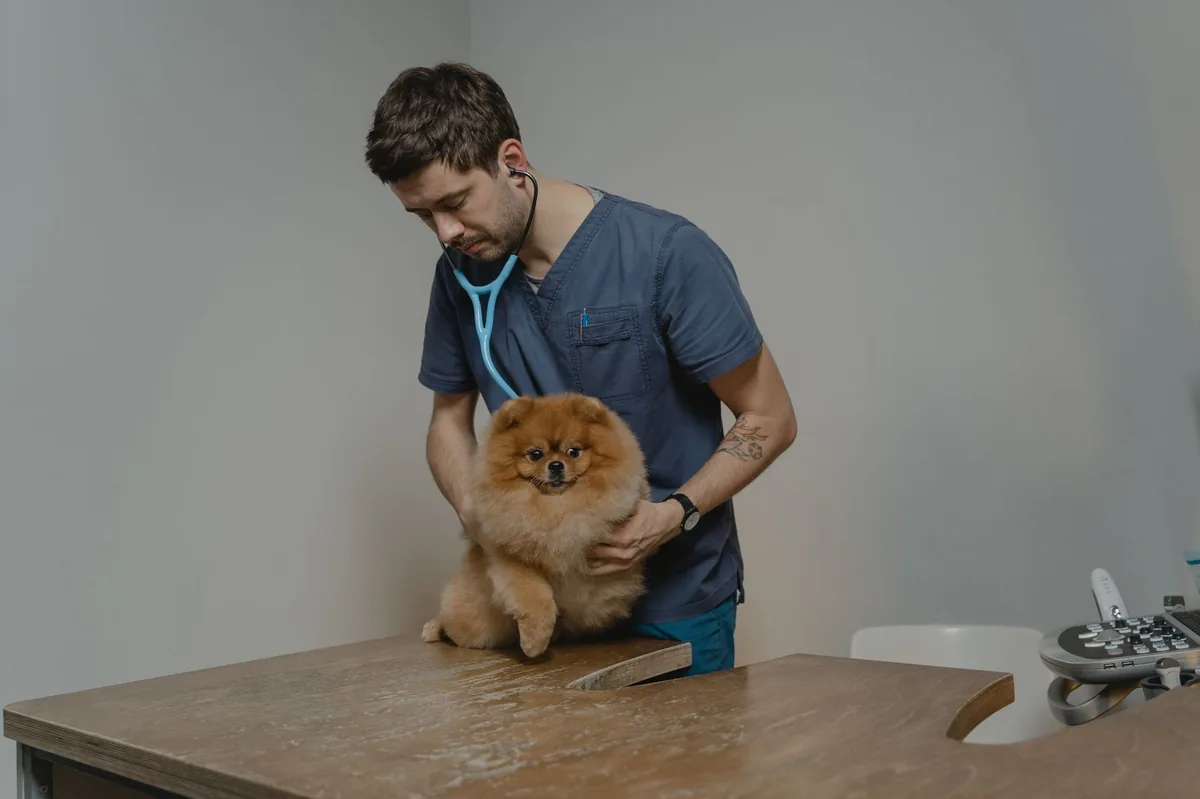
Veterinarians start with a thorough history and physical exam, listening for murmurs with a stethoscope. The diagnostic work‑up typically includes:
- Thoracic radiographs (X‑rays): Show heart size and any fluid accumulation.
- Echocardiogram (ultrasound of the heart): The gold standard; visualizes valve structure, measures blood flow, and quantifies regurgitation or stenosis.
- Electrocardiogram (ECG): Detects rhythm abnormalities that can accompany valve disease.
- Blood work: Rules out secondary issues (e.g., anemia, infection) and assesses organ function.
These tests let the vet grade the severity (e.g., mild, moderate, severe) and tailor a treatment plan.
Treatment options
Medical treatment
Most dogs with valve malformation are managed medically. Common drug classes include:
- Angiotensin‑converting enzyme (ACE) inhibitors (e.g., enalapril) to reduce cardiac workload.
- Diuretics (e.g., furosemide) to remove excess fluid when heart failure develops.
- Beta‑blockers (e.g., atenolol) to control heart rate and improve efficiency.
- Anticoagulants (e.g., clopidogrel) in cases where turbulent flow raises clot risk.
Ask your vet about these options; dosing will depend on your dog’s weight and disease stage.
Supplements and supportive care
Evidence‑based supplements can help reduce inflammation and support cardiac health:
- Omega‑3 fatty acids (EPA/DHA) – shown to improve heart function and lower blood pressure in dogs with chronic cardiac disease (AAHA 2022 guidelines).
- L‑carnitine – may aid in energy metabolism for dogs with congestive heart failure.
- Coenzyme Q10 – antioxidant that supports myocardial cells; recommended when a dog is on long‑term cardiac meds.
These should be used as adjuncts, not replacements for prescribed medication.
Procedures or surgery
In rare cases where the valve is severely stenotic or the regurgitation is life‑threatening, surgical repair or balloon valvuloplasty may be considered. These procedures require a specialist cardiologist and a referral center. Recovery typically involves a 1‑2 week hospital stay, followed by strict activity restriction for 4‑6 weeks. Costs can range from $8,000‑$15,000 (US) or £6,000‑£12,000 (UK), depending on the facility.
Diet and nutrition
Nutrition plays a supportive role in managing heart valve malformation, especially when heart failure develops. The goal is to provide high‑quality, easily digestible protein while limiting excess sodium, which can promote fluid retention.
What to feed
- Highly digestible protein sources (e.g., chicken, turkey, or fish) to maintain muscle mass without overloading the heart.
- Complex carbohydrates like sweet potato or pumpkin for steady energy.
- Omega‑3 enriched kibble or a supplement (EPA/DHA) to reduce inflammation.
- Prescription cardiac diets (e.g., “Renal/Heart Support” formulas) that are low in sodium and enriched with taurine, L‑carnitine, and antioxidants. Your vet can recommend a brand that meets AAFCO standards.
What to limit
- Table scraps high in salt or fat.
- Processed treats with added preservatives.
- Raw bones that can splinter and cause trauma; if feeding raw, ensure they are low‑sodium and balanced.
What to avoid
- High‑sodium foods such as deli meats, cheese, or canned soups.
- Excessive dairy (some dogs are lactose intolerant and it can cause GI upset).
- Large, fatty meals that can trigger post‑prandial “after‑eat” breathing difficulty.
| Dietary Action | Recommendation |
|---|---|
| Do feed | High‑quality protein, low‑sodium kibble, omega‑3 supplement. |
| Limit | Salty treats, raw bones, high‑fat snacks. |
| Avoid | Table scraps with added salt, processed meats, large fatty meals. |
When transitioning to a new diet, do it gradually over 7‑10 days—mix increasing amounts of the new food with decreasing amounts of the old. This helps avoid gastrointestinal upset, which can stress the heart.
For dogs with advanced heart failure, a reduced‑calorie diet may be prescribed to prevent fluid overload while still meeting protein needs. Your veterinarian may suggest feeding smaller, more frequent meals (e.g., 3‑4 times daily) to ease the workload on the heart.
Finally, maintain fresh water at all times. Dehydration can thicken blood and increase cardiac strain, especially on hot days.
Cost and prognosis
Financial considerations are an important part of planning care. Below is a rough guide; actual costs vary by region, clinic, and individual case.
| Service | US Estimate | UK Estimate |
|---|---|---|
| Initial exam + basic bloodwork | $150‑$250 | £120‑£200 |
| Echocardiogram | $300‑$600 | £250‑£500 |
| ACE inhibitor prescription (first month) | $30‑$60 | £20‑£45 |
| Diuretic (furosemide) 30‑day supply | $15‑$30 | £10‑£25 |
| Balloon valvuloplasty (if needed) | $8,000‑$15,000 | £6,000‑£12,000 |
| Monthly cardiac diet (premium) | $50‑$80 | £40‑£70 |
Prognosis depends on severity and how early the condition is caught. Dogs with mild valve leakage often live a normal lifespan with medication and lifestyle tweaks. Moderate disease may lead to intermittent heart failure episodes, reducing life expectancy by 2‑5 years on average. Severe stenosis or regurgitation without intervention carries a guarded to poor outlook, but surgical options can improve survival when feasible.
Prevention and home care
Because the defect is congenital, you can’t prevent it entirely, but you can reduce secondary complications:
- Schedule regular wellness exams (at least annually) to monitor heart sounds.
- Maintain a healthy weight; obesity strains the heart.
- Provide low‑impact exercise—short, frequent walks rather than long, intense sessions.
- Limit exposure to extreme temperatures; hot weather can exacerbate cardiac workload.
- Use heart‑healthy supplements (omega‑3) as advised by your vet.
- Follow up on any medication changes and keep a log of symptom changes.
If your dog is diagnosed, ask your vet about a tailored home‑monitoring plan. Simple checks—listening for a murmur, watching for coughing, and noting activity tolerance—can alert you to early decompensation.
From our vet team: “Owners often underestimate how much a gentle, consistent routine can do for a dog with valve disease. Regular low‑stress walks, a low‑sodium diet, and staying on prescribed meds usually keep the heart from overworking. If you notice any change in breathing or energy, call us right away—early intervention makes a huge difference.”
Key takeaways
- Heart valve malformation is a birth defect that can cause leakage or narrowing of heart valves.
- Early signs include a cough, fatigue, and a heart murmur; severe signs require emergency care.
- Diagnosis relies on an echocardiogram, X‑rays, and blood work.
- Medical management (ACE inhibitors, diuretics, beta‑blockers) and low‑sodium diets are the mainstays of treatment.
- Watch your dog’s weight, keep activity low‑impact, and schedule regular vet check‑ups.
- Costs vary, but many dogs thrive on affordable medication and diet adjustments.
Myth vs. fact
Myth: All dogs with heart valve malformation will die young.
Fact: Many dogs with mild to moderate valve disease live full, active lives with proper medical care and lifestyle management.
Myth: A heart murmur always means a serious problem.
Fact: Murmurs can be harmless (innocent) or indicate disease; a vet’s diagnostic work‑up determines the significance.
Myth: You can cure valve malformation with diet alone.
Fact: Nutrition supports heart health but cannot correct the structural defect; medication and monitoring are essential.
Frequently asked questions
Can heart valve malformation be inherited?
Yes, certain breeds have a genetic predisposition, so breeders often screen for cardiac anomalies. However, sporadic cases also occur without a known family history.
Is the condition contagious?
No, heart valve malformation is not an infectious disease; it’s a structural defect that cannot be passed between dogs through contact.
How much will lifelong medication cost?
Typical monthly costs for standard cardiac drugs range from $30‑$90 in the US and £20‑£60 in the UK, depending on the specific medication and pharmacy pricing.
What is the expected recovery time after balloon valvuloplasty?
Most dogs recover enough to walk on a leash within 7‑10 days, but full cardiac remodeling may take several weeks. Strict activity restriction is advised for 4‑6 weeks.
Can my dog go back to normal exercise after treatment?
With stable disease and proper medication, many dogs resume moderate activity—short walks and gentle play—while avoiding high‑intensity sprinting.
Should I avoid raw feeding for a dog with valve disease?
Raw diets aren’t inherently harmful, but they often contain higher sodium levels. If you choose raw, work with your vet to formulate a low‑sodium recipe and monitor blood pressure.
Ask the PuppaDogs community
Have a question this article didn’t fully answer? Want to compare notes with other dog owners who’ve been through this? Our community forum is moderated by experienced owners and vets — and answers tend to come fast. Ask in the PuppaDogs community →
References
- American College of Veterinary Internal Medicine (ACVIM). “Congenital Heart Disease in Dogs.” 2023.
- American Animal Hospital Association (AAHA). “Guidelines for the Management of Cardiac Disease in Dogs.” 2022.
- Merck Veterinary Manual. “Valvular Heart Disease.” Updated 2023.
- American Veterinary Medical Association (AVMA). “Heart Murmurs in Dogs.” 2021.
- World Small Animal Veterinary Association (WSAVA). “Nutrition for Dogs with Cardiovascular Disease.” 2022.
- Cornell University College of Veterinary Medicine. “Canine Cardiology.” 2024.


