












Quick take: A heart‑beat standstill, also called cardiac arrest, means the heart stops pumping blood. It’s an emergency—if your dog’s heart stops, start CPR right away and get to a veterinary emergency clinic within minutes. Survival depends on how quickly you act, the underlying cause, and the dog’s overall health.
It’s 11 p.m., and your usually‑energetic Golden Retriever lies motionless on the rug, her tongue hanging loose and her gums a startling pale pink. Your heart races as you scroll through search results, wondering if she’s having a heart attack. The fear that the rhythm inside her chest might have stopped is overwhelming.
First, take a breath. You’re not alone—many owners face this terrifying moment. In this guide we’ll explain exactly what “heart‑beat problems (standstill)” means, how to recognize the warning signs, what you can do in those crucial minutes, and what to expect from veterinary care and long‑term management. By the end you’ll know when to act, what treatments are available, how much they might cost, and how to help keep your dog’s heart rhythm steady.
What is Heart Beat Problems (Standstill) in Dogs?
Heart‑beat standstill, medically termed cardiac arrest, occurs when the heart stops generating effective electrical impulses, so it can no longer contract and move blood. Without circulation, oxygen delivery to the brain and organs ceases within seconds. Cardiac arrest is distinct from other arrhythmias—such as atrial fibrillation or heart block—where the heart continues to beat, but irregularly. In standstill, there is literally no pulse.
Although any dog can experience cardiac arrest, it is relatively rare compared to chronic heart disease. The American College of Veterinary Internal Medicine (ACVIM) estimates that sudden cardiac death accounts for roughly 5–10 % of all canine deaths, with higher rates in breeds predisposed to congenital or inherited heart conditions.
What causes it?
Underlying triggers can be grouped into three main categories:
| Category | Typical Causes |
|---|---|
| Cardiac disease | Degenerative valve disease, dilated cardiomyopathy, congenital defects, myocarditis |
| Systemic emergencies | Severe electrolyte imbalance (hyperkalemia), massive blood loss, anaphylaxis, toxin ingestion (e.g., chocolate, certain rodenticides) |
| External events | Trauma to the chest, severe hypoxia (e.g., drowning), extreme stress or excitement in predisposed dogs |
Breed predispositions are well documented. Large, deep‑chested breeds such as Doberman Pinschers, Boxers, and Great Danes have higher rates of dilated cardiomyopathy, while small breeds like Miniature Schnauzers are prone to early‑onset valve disease. Genetic testing and regular cardiac screening can uncover hidden risks before a crisis occurs.
Signs and symptoms
Because a heart standstill happens in seconds, the signs you notice are often the events that lead up to it. Recognizing early warnings can buy you precious minutes.
| Severity | Signs |
|---|---|
| Mild | Exercise intolerance, fainting (syncope), brief episodes of weakness, pale gums after exertion |
| Moderate | Irregular heartbeat felt by a veterinarian, labored breathing, persistent coughing, lethargy, loss of appetite |
| Severe / Immediate | No pulse, unresponsive, limp body, cyanotic (bluish) gums or tongue, no breathing or very shallow breaths |
Many owners first notice a fainting spell—your dog may collapse after a short sprint, recover within a minute, and seem fine afterward. This “syncope” often signals an arrhythmia that could progress to full cardiac arrest.
When to call your vet
Call your regular vet today if you notice any of the moderate signs above—especially fainting, persistent coughing, or a noticeable change in gum color.
Go to an emergency veterinary hospital right now if your dog shows any severe signs: no detectable pulse, unresponsiveness, or breathing that has stopped. Begin CPR (chest compressions and rescue breaths) while someone calls the emergency clinic.
Disclaimer: This article is for informational purposes only and does not replace professional veterinary care. If you suspect cardiac arrest, seek emergency veterinary help immediately.
How vets diagnose it
When you arrive at the clinic, the veterinary team will follow a systematic work‑up:
- History and physical exam: The vet asks about recent fainting, exercise tolerance, diet, and any known heart disease.
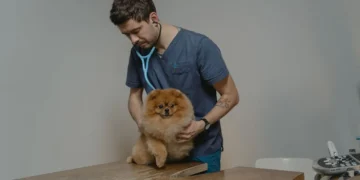
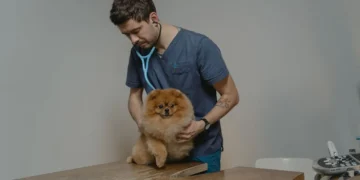
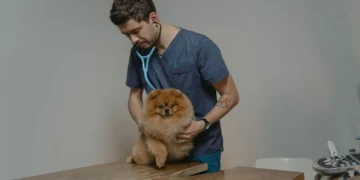
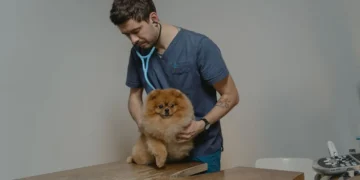
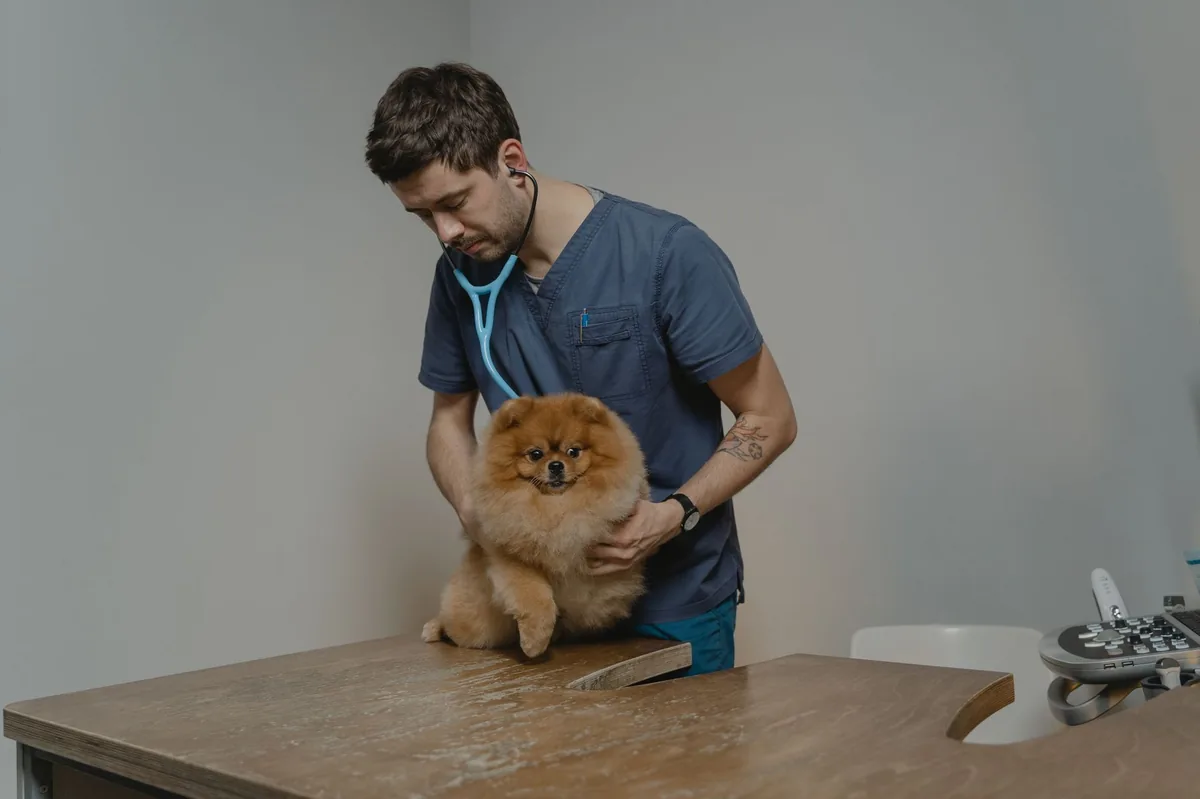
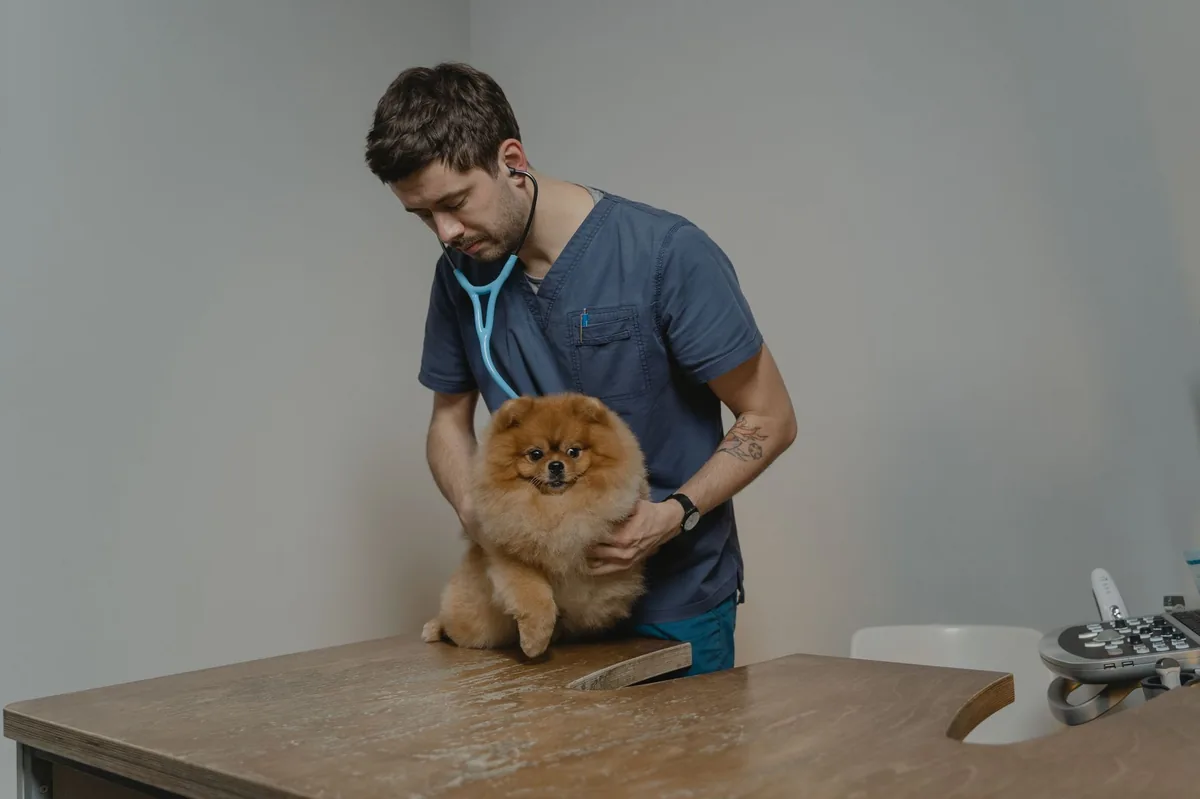
- Electrocardiogram (ECG): This test records the heart’s electrical activity. An absent or flat line confirms cardiac arrest; other arrhythmias show characteristic wave patterns.
- Blood work: A complete blood count (CBC) and chemistry panel reveal electrolyte abnormalities (like high potassium) or markers of heart muscle damage (troponin).
- Imaging: Thoracic radiographs (X‑rays) assess heart size and lung fluid. An echocardiogram (ultrasound of the heart) shows structural problems such as valve disease or cardiomyopathy.
- Advanced monitoring: In some cases, a Holter monitor (24‑hour ECG) or event recorder captures intermittent arrhythmias that a single ECG might miss.
These diagnostics help the vet pinpoint the cause, guide treatment, and estimate prognosis.
Treatment options
Medical treatment
Emergency care focuses on restoring circulation and addressing the underlying trigger. Commonly used drug classes include:
- Anti‑arrhythmic agents: Lidocaine or amiodarone may be administered intravenously to stabilize abnormal heart rhythms. Ask your vet about these options.
- Inotropes: Dobutamine or dopamine support heart muscle contractility when the heart is weak.
- Electrolyte correctors: Calcium gluconate or insulin‑glucose protocols can lower dangerously high potassium levels.
- Antibiotics or anti‑inflammatories: If myocarditis (heart muscle inflammation) is suspected, broad‑spectrum antibiotics or corticosteroids may be prescribed.
All medication dosing is weight‑based and must be prescribed by your veterinarian.
Supplements and supportive care
While supplements cannot replace emergency treatment, they can aid recovery and support cardiac health in the long term:
- Omega‑3 fatty acids (EPA/DHA): Shown to reduce inflammation and improve heart function in dogs with chronic heart disease. Look for a veterinary‑grade fish oil supplement.
- Coenzyme Q10: An antioxidant that may help myocardial energy production; some studies suggest modest benefit in cardiomyopathy.
- Vitamin E and Selenium: Antioxidants that protect heart cells from oxidative stress, often included in cardiac‑support diets.
Always discuss supplement choices with your vet, especially if your dog is on prescription medications.
Procedures or surgery
When a structural defect is the culprit, surgical or interventional options may be considered:
- Defibrillation: An external or implanted defibrillator delivers a controlled electric shock to restart the heart. This is the primary emergency measure for ventricular fibrillation.
- Pacemaker implantation: For chronic high‑grade heart block, a permanent pacemaker can maintain a regular rhythm and prevent future standstills.
- Valve repair or replacement: In severe mitral or tricuspid valve disease, surgery can correct the leak and improve cardiac output.
These procedures are typically performed at specialty referral centers and require a postoperative recovery period of several weeks.
Diet and nutrition
Nutrition plays a pivotal role in both preventing heart‑beat problems and supporting recovery after a cardiac event. While there is no single “heart‑stop” diet, several dietary strategies are evidence‑based for dogs with existing or at‑risk heart disease.
Why diet matters—the heart relies on a steady supply of oxygen‑carrying blood, which in turn depends on the quality of the nutrients that keep blood viscosity, electrolyte balance, and myocardial energy metabolism optimal. Poor nutrition can exacerbate arrhythmias, increase inflammation, and strain the heart.
Below is a practical guide for feeding your dog if they have a history of arrhythmias or are being monitored for cardiac health.
| Category | Recommendations |
|---|---|
| Do feed | High‑quality protein sources (chicken, turkey, fish), omega‑3 enriched foods, moderate‑fat levels (10‑15 % of calories), low‑sodium kibble or wet food formulated for cardiac health |
| Limit | Excessive salt, high‑fat treats, foods high in caffeine or theobromine (chocolate), very high‑carbohydrate meals that can cause rapid glucose spikes |
| Avoid | Raw bones that can splinter, foods with added preservatives that may trigger inflammation, excessive dairy for dogs with lactose intolerance |
Key nutrients:
- Protein: Supports muscle mass, including the heart muscle. Aim for at least 18–22 % of the diet as high‑biologic‑value protein.
- Omega‑3 fatty acids: EPA and DHA reduce ventricular arrhythmia risk. Look for “fish oil” or “salmon oil” added to the kibble, or supplement with a veterinary‑approved product.
- Sodium: Keep intake low (≤0.3 % of diet) to prevent fluid overload, especially in dogs with congestive heart failure.
- Potassium: Maintain normal levels; both high and low potassium can precipitate arrhythmias. If your vet identifies an imbalance, they may recommend a specific potassium supplement or restriction.
- Taurine: An amino acid essential for heart muscle function; some breeds (e.g., Golden Retrievers) benefit from added taurine, especially if on a grain‑free diet.
When transitioning to a new diet, do it gradually over 7–10 days to avoid gastrointestinal upset. Mix increasing amounts of the new food with decreasing amounts of the old, monitoring for changes in appetite, stool consistency, and energy levels.
For dogs with severe heart disease, your veterinarian may prescribe a therapeutic “cardiac diet” such as a low‑sodium, high‑protein formula (e.g., Hill’s Prescription h/d or Royal Canin Cardiac). These diets are formulated to meet AAFCO nutrient profiles for dogs with heart conditions.
Finally, keep fresh water available at all times. Dehydration can concentrate electrolytes and increase the risk of arrhythmias.
Cost and prognosis
Financial considerations are a real part of emergency cardiac care. Below are typical cost ranges, expressed in U.S. dollars and British pounds, but actual fees vary by clinic, geographic region, and individual case complexity.
| Service | US Estimate | UK Estimate |
|---|---|---|
| Emergency CPR (compressions, oxygen, monitoring) | $500–$1,200 | £400–£900 |
| Defibrillation (single shock) | $300–$600 | £250–£500 |
| Hospitalization (first 24 hr) | $400–$800 | £350–£650 |
| Pacemaker implantation | $5,000–$9,000 | £4,000–£7,500 |
| Long‑term cardiac meds (monthly) | $30–$120 | £25–£100 |
Prognosis varies widely. Dogs whose cardiac arrest is caught within minutes and who receive prompt CPR have survival rates of 30–45 % according to the American Veterinary Medical Association (AVMA). Underlying disease heavily influences outcome: a young dog with a toxin‑induced arrest may recover fully, whereas an older dog with advanced dilated cardiomyopathy faces a poorer long‑term outlook.
Quality‑of‑life assessments are essential. Your vet will discuss expected activity levels, potential for recurrent arrhythmias, and any lifestyle modifications needed to keep your dog comfortable.
Prevention and home care
While you can’t eliminate every risk, several practical steps can lower the chance of a sudden cardiac event:
- Regular cardiac screenings: For at‑risk breeds, annual exams that include an ECG and heart ultrasound (echocardiogram) are recommended by the AAHA.
- Maintain a healthy weight: Obesity strains the heart. Use a calibrated feeding calculator (PuppaDogs calculators) to keep your dog at an ideal body condition score.
- Balanced diet low in sodium: Follow the dietary guidelines outlined above.
- Limit exposure to toxins: Keep chocolate, grapes, onions, and rodenticide‑containing products well out of reach.
- Exercise wisely: Provide regular, moderate activity but avoid extreme exertion in dogs with known heart disease.
- Monitor for early signs: Keep an eye on coughing, fainting, or changes in gum color. A simple “pulse check” (feeling the femoral artery for a beat) can be practiced at home.
- Emergency kit: Assemble a canine CPR kit with a pediatric mask for rescue breathing, a small towel for chest compressions, and your vet’s emergency contact number. A quick‑reference card can be printed from our FAQ hub.
Vet’s note
From our vet team: Cardiac arrest in dogs is frightening, but rapid, coordinated CPR can buy crucial minutes for definitive care. Even if the outcome is uncertain, owners who stay calm and act quickly give their pets the best possible chance. Keep a basic emergency kit at home, and schedule routine heart checks if your dog belongs to a high‑risk breed.
Key takeaways
- Heart‑beat standstill means the heart has stopped; it is a true emergency requiring immediate CPR.
- Early warning signs include fainting, pale gums, and sudden coughing—don’t wait to act.
- Veterinary diagnosis relies on ECG, blood work, and imaging to find the cause.
- Emergency treatments include chest compressions, defibrillation, anti‑arrhythmic drugs, and possibly pacemaker placement.
- Long‑term management focuses on a low‑sodium, high‑quality protein diet enriched with omega‑3s and regular cardiac monitoring.
- Prepare an at‑home emergency kit and know the nearest 24‑hour veterinary hospital to reduce response time.
Myth vs. fact
Myth: Dogs don’t get “heart attacks” like humans.
Fact: While the term “heart attack” is less common, dogs can suffer myocardial infarction, severe arrhythmias, or cardiac arrest, all of which are life‑threatening emergencies.
Myth: If a dog collapses, it’s always too late to save them.
Fact: Effective canine CPR can restore circulation if started within 4–5 minutes, dramatically improving survival odds.
Myth: Only large breeds experience sudden cardiac death.
Fact: Small and medium breeds can also be affected, especially those with inherited valve disease or myocarditis.
Frequently asked questions
What are the first signs of a heart attack in a dog?
The quickest way to spot a problem is a sudden collapse or fainting episode, often after excitement or exercise. Look for pale or bluish gums, rapid shallow breathing, and an absent pulse.
Can a dog be revived after its heart stops?
Yes—if you begin CPR within a few minutes and get to an emergency clinic quickly, many dogs can be revived. Success depends on the cause of the arrest and the dog’s overall health.
How quickly does a dog die without a heartbeat?
Brain cells start to die after about 4–5 minutes without oxygen, so irreversible damage can occur quickly. Immediate chest compressions and rescue breathing are essential to buy time.
What emergency treatments are available for canine cardiac arrest?
Veterinary emergency care includes chest compressions, rescue breathing, defibrillation, anti‑arrhythmic drugs, and supportive IV fluids. In some cases, a pacemaker or surgical correction may be needed.
Which breeds are most at risk for sudden heart failure?
Doberman Pinschers, Boxers, Great Danes, and German Shepherds are commonly cited for dilated cardiomyopathy. Small breeds like Miniature Schnauzers and Cavalier King Charles Spaniels often develop severe valve disease that can precipitate arrhythmias.
How much does emergency cardiac care cost for dogs?
Initial emergency CPR typically ranges from $500 to $1,200 in the U.S., with additional costs for defibrillation, hospitalization, and possible pacemaker placement. Exact fees depend on the clinic and the required interventions.
Ask the PuppaDogs community
Have a question this article didn’t fully answer? Want to compare notes with other dog owners who’ve been through this? Our community forum is moderated by experienced owners and vets — and answers tend to come fast. Ask in the PuppaDogs community →
References
- American College of Veterinary Internal Medicine (ACVIM). “Guidelines for the Management of Canine Cardiomyopathy.” 2022.
- American Veterinary Medical Association (AVMA). “Cardiopulmonary Resuscitation (CPR) in Small Animals.” 2023.
- AAHA. “Canine Cardiac Care Guidelines.” 2023.
- Merck Veterinary Manual. “Cardiac Arrest.” Updated 2024.
- World Small Animal Veterinary Association (WSAVA). “Nutrition for Cardiac Disease.” 2022.
- Cornell University College of Veterinary Medicine. “Canine Arrhythmias.” 2023.
- UC Davis Veterinary Medicine. “Electrocardiography in Dogs.” 2022.
- American Animal Hospital Association (AAHA). “Heart Disease Screening Recommendations.” 2021.


