















Quick take: Atrial fibrillation and atrial flutter are irregular heart rhythms that can cause fatigue, coughing, or fainting in dogs. They range from mild to life‑threatening, but early detection, proper diagnostics, and tailored treatment—often medication, sometimes a procedure—can give many dogs a good quality of life.
It’s 11 p.m., and your senior Golden Retriever, Bella, is lying on the couch, eyes half‑closed, and you notice her breathing is a little faster than usual. When you gently press her gums, they feel a shade paler than they did this morning. You remember the vet mentioning “irregular heartbeat” at the last check‑up, and a quick search on your phone brings up “heart beat problems (fibrillation and flutter) in dogs.” The worry spikes, but you’re not alone—many owners face the same moment of uncertainty.
We understand how unsettling an abnormal heart rhythm can feel. In this article, we’ll explain what atrial fibrillation and atrial flutter are, how they differ, what triggers them, and the signs you can spot at home. We’ll walk through the tests your vet will run, the medical and procedural options available, typical costs, and practical steps you can take to support your dog’s heart health.
By the end, you’ll know when to call the vet, what questions to ask, and how to tailor diet and lifestyle for a dog living with a rhythm disorder. Let’s dive in.

What is heart beat problems (fibrillation and flutter) in dogs?
Atrial fibrillation (AF) and atrial flutter (AFL) are types of cardiac arrhythmias—abnormal electrical patterns that make the heart beat irregularly. In AF, the upper chambers (atria) quiver rapidly and chaotically, preventing them from contracting effectively. In AFL, the atria beat very fast but in a more organized, “saw‑tooth” pattern. Both conditions can reduce the amount of blood the heart pumps, leading to fatigue, fluid buildup, or even heart failure.
These rhythm disorders are relatively uncommon compared to other heart diseases, but they appear more often in older, large‑breed dogs such as Great Danes, Boxers, and Dobermans. According to the American College of Veterinary Internal Medicine (ACVIM), atrial fibrillation accounts for roughly 5–10 % of all canine cardiac arrhythmias seen in specialty practices.
What causes it?
Several factors can set the stage for AF or AFL in dogs. The most common categories are:
| Category | Typical Triggers |
|---|---|
| Underlying heart disease | Degenerative valve disease, dilated cardiomyopathy, congenital defects |
| Systemic illnesses | Hyperthyroidism, chronic lung disease, severe electrolyte imbalances |
| Age‑related changes | Fibrosis of atrial tissue in senior dogs, especially large breeds |
| Secondary factors | High blood pressure, sustained high heart rates from chronic stress or excitement |
While genetics play a role—certain breeds have a higher predisposition—the condition usually arises from a combination of heart remodeling and systemic stressors. Rarely, toxins or drug side‑effects can provoke an arrhythmia, but these are uncommon.
Signs and symptoms
Heart rhythm problems can be subtle at first. Early signs often mimic normal aging or other conditions, which is why owners may miss them. Below is a progression guide:
| Severity | Typical Signs |
|---|---|
| Mild | Reduced stamina, slight coughing after exercise, occasional faint panting |
| Moderate | Noticeable fatigue, persistent cough, fainting spells (syncope), pale gums, rapid breathing at rest |
| Severe | Labored breathing, fluid accumulation in abdomen (ascites), collapse, bluish tongue or gums |
Other red‑flag clues include a sudden change in heart rate that feels “irregular” when you place a hand over the chest, or a new heart murmur detected by a vet. Because dogs can’t tell us how they feel, any unexplained drop in activity or appetite deserves a closer look.
When to call your vet
Call your vet today if you notice:
- Persistent coughing, especially at night or after mild activity.
- Marked fatigue, reluctance to play, or difficulty climbing stairs.
- Pale or bluish gums, rapid shallow breathing, or a noticeable irregular pulse.
Go to an emergency veterinary hospital right now if you see:
- Sudden collapse or fainting.
- Severe labored breathing or gasping.
- Blue‑tinged tongue, lips, or gums.
These signs can indicate that the heart rhythm disturbance is compromising blood flow. This article is for informational purposes only and does not replace professional veterinary care.
How vets diagnose it
Diagnosis starts with a thorough history and physical exam. Your vet will listen for an irregular rhythm and may feel the pulse at the femoral artery. The core tests include:
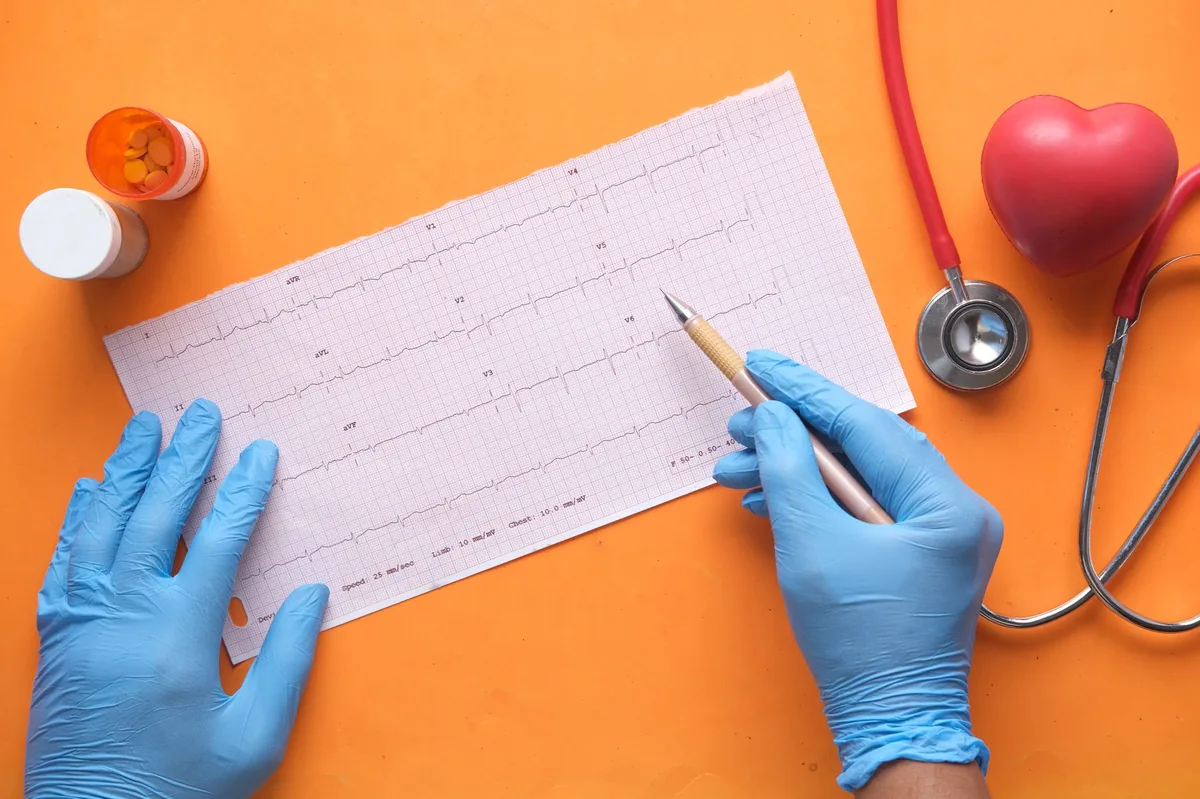
- Electrocardiogram (ECG): A quick, non‑invasive recording of the heart’s electrical activity that clearly shows the characteristic “irregularly irregular” pattern of AF or the “saw‑tooth” waves of AFL.
- Holter monitor: A wearable device that records heart rhythm continuously for 24‑48 hours, capturing intermittent episodes that a brief ECG might miss.
- Blood work: CBC, chemistry panel, and thyroid panel to rule out systemic causes like anemia or hyperthyroidism.
- Chest X‑rays and echocardiogram: Imaging to assess heart size, valve function, and any fluid buildup in the lungs or abdomen.
These tests let the veterinary cardiology team determine whether the arrhythmia is primary (arising on its own) or secondary to another disease, which guides treatment choices.
Treatment options
Medical treatment
Most dogs with AF or AFL start with medications that control heart rate and, when possible, restore a regular rhythm. Common drug classes include:
- Rate‑controlling agents: Beta‑blockers such as atenolol, and calcium channel blockers like diltiazem, help slow the heart to a safer pace. Ask your vet about these options.
- Anti‑arrhythmic drugs: Class III agents such as amiodarone or sotalol may be used to convert AF to a normal rhythm, especially in younger dogs or those without severe heart enlargement.
- Anticoagulants: In dogs at risk for blood clots (often those with chronic AF), medications like clopidogrel or low‑dose aspirin may be recommended to prevent stroke‑like events.
All medication plans are individualized. Your vet will adjust dosages based on weight, blood levels, and response.
Supplements and supportive care
Adjunctive supplements can help support cardiac function and reduce inflammation:
- Omega‑3 fatty acids (EPA/DHA): Found in fish oil, they improve heart muscle health and may lower arrhythmia triggers. Use a veterinary‑grade product and follow the dosage guidelines your vet provides.
- Coenzyme Q10: An antioxidant that supports mitochondrial energy production; some studies suggest modest benefits for dogs with heart disease.
- Probiotics: Maintaining gut health can aid overall wellbeing, especially when dogs are on multiple medications.
Supplements are not a cure, but they can complement medical therapy and improve quality of life.
Procedures or surgery
When medication alone cannot control the rhythm or the dog develops heart failure, interventional procedures may be considered:
- Catheter‑based cardiac ablation: A minimally invasive technique where a tiny wire delivers heat or radiofrequency energy to destroy the tissue causing the abnormal electrical signals. Success rates in dogs range from 70‑85 % for AF, according to ACVIM guidelines.
- Pacemaker implantation: In rare cases where the heart rate becomes dangerously slow, a pacemaker can maintain a regular rhythm.
- Surgical atrial reduction: A more invasive option rarely used today, involving removal of excess atrial tissue.
Procedural costs vary widely. A full cardiac ablation work‑up (ECG, Holter, echocardiogram, anesthesia) can run $2,500‑$5,000 USD in the United States, while the ablation itself may add $4,000‑$8,000 USD. In the United Kingdom, similar services typically range £2,000‑£6,000. These figures are estimates; your clinic will give a precise quote after assessment.
Diet and nutrition
Feeding a dog with a heart rhythm disorder focuses on supporting cardiac efficiency, controlling fluid balance, and minimizing excess weight that can strain the heart. Below are practical guidelines you can start implementing tonight.
| Category | Recommendations |
|---|---|
| Do feed | Highly digestible protein sources (e.g., chicken, turkey, fish), moderate‑fat diets (<15 % of calories), omega‑3 enriched foods, low‑sodium kibble or cooked meals. |
| Limit | Excessive sodium (processed meats, table scraps), high‑fat treats, foods high in simple carbohydrates. |
| Avoid | Very high‑salt canned foods, raw diets with unknown sodium content, excessive dairy, and any food containing caffeine or chocolate. |
Prescription therapeutic diets—often labeled “cardiac” or “heart health”—are formulated with reduced sodium and added taurine, L‑carnitine, and omega‑3s. While we won’t endorse a specific brand, many owners find these diets helpful when transitioning from regular kibble. If you choose a therapeutic diet, introduce it gradually over 7‑10 days to avoid gastrointestinal upset.
Feeding frequency can also matter. Splitting the daily ration into two or three smaller meals helps maintain steady blood pressure and reduces post‑prandial spikes in heart workload. Ensure fresh water is always available, as dehydration can aggravate arrhythmias.
For dogs with concurrent heart failure and fluid buildup, your vet may recommend a low‑protein, low‑sodium “renal‑cardiac” diet to limit fluid retention. Always discuss any diet change with your vet, especially if your dog is on diuretics or other cardiac meds.

Cost and prognosis
Financial considerations are an important part of planning care. Below is a rough breakdown of typical expenses in the United States and United Kingdom (prices are estimates and can vary by clinic, region, and insurance coverage):
| Service | US Estimate | UK Estimate |
|---|---|---|
| Initial vet exam & basic blood work | $150‑$300 | £80‑£150 |
| ECG (in‑clinic) | $100‑$200 | £60‑£120 |
| 24‑48 hr Holter monitor | $300‑$600 | £200‑£400 |
| Echocardiogram | $400‑$800 | £250‑£500 |
| Medication (first 3 months) | $200‑$500 | £150‑£350 |
| Cardiac ablation (procedure + hospital stay) | $6,000‑$12,000 | £4,000‑£9,000 |
| Follow‑up visits (annual) | $150‑$250 | £100‑£200 |
Prognosis depends on the underlying cause, the dog’s age, and how quickly treatment begins. Dogs with primary AF (no other heart disease) that receive effective rate control can live many years with a good quality of life. When AF is secondary to severe dilated cardiomyopathy, the outlook is more guarded, and median survival may be 6‑12 months despite therapy.
Procedural options like ablation dramatically improve survival for suitable candidates, often extending life by several years and reducing medication burden. However, each case is unique, and your vet will discuss realistic expectations based on your dog’s specific situation.
Prevention and home care
While you can’t completely prevent a genetic predisposition, several everyday habits can lower the risk of developing an arrhythmia or keep an existing one stable:
- Maintain a healthy weight: Obesity adds strain to the heart; aim for a body condition score of 4‑5/9.
- Regular veterinary check‑ups: Annual heart exams, especially for senior or large‑breed dogs, catch early changes.
- Control systemic diseases: Keep thyroid levels, blood pressure, and respiratory health in the normal range.
- Limit stressful excitement: While play is essential, avoid extreme bursts of activity that can trigger a rapid heart rate in a dog known to have AF.
- Monitor for fluid buildup: Regularly feel the abdomen for swelling and watch for sudden weight gain.
After any procedure, follow your vet’s post‑op instructions closely—usually involving restricted activity for 2‑4 weeks, a gradual return to normal exercise, and routine medication checks. Keeping a log of your dog’s heart rate (you can feel the femoral pulse) and any coughing episodes helps your vet adjust therapy promptly.
Vet’s note
From our vet team: “If your dog has been diagnosed with atrial fibrillation, remember that the condition is manageable. Consistent medication, a heart‑healthy diet, and routine monitoring give many dogs a full, happy life. Don’t hesitate to ask about Holter monitoring—it often reveals intermittent episodes you might miss at home.”
Key takeaways
- Atrial fibrillation and flutter are irregular heart rhythms that can range from mild to life‑threatening.
- Common signs include fatigue, coughing, pale gums, and an irregular pulse; sudden collapse requires emergency care.
- Diagnosis relies on ECG, Holter monitoring, blood work, and imaging to uncover the underlying cause.
- Medical therapy (beta‑blockers, anti‑arrhythmics, anticoagulants) is first‑line; catheter ablation offers a high success rate for refractory cases.
- Low‑sodium, omega‑3‑rich diets and weight management support heart health and improve treatment response.
- Regular veterinary follow‑up and early detection are the best ways to keep your dog comfortable and extend its lifespan.
Myth vs. fact
Myth: “Atrial fibrillation always means a dog will die quickly.”
Fact: With proper rate control and monitoring, many dogs live for years after diagnosis, especially if the arrhythmia is caught early.
Myth: “Home remedies like herbal teas can cure a heart rhythm disorder.”
Fact: No home remedy replaces veterinary‑prescribed medication or procedures; however, supportive care like omega‑3 supplements can be beneficial when approved by your vet.
Frequently asked questions
What causes atrial fibrillation in dogs?
Atrial fibrillation often results from underlying heart disease such as degenerative valve disease or dilated cardiomyopathy, but it can also be triggered by hyperthyroidism, chronic lung issues, or age‑related changes in the atrial tissue.
How can I tell if my dog has a heart rhythm problem?
The quickest clue is an irregular pulse or a “fluttering” sensation when you feel the femoral artery. Persistent coughing, fatigue, or pale gums are additional red flags. A definitive diagnosis requires an ECG or Holter monitor performed by a vet.
Is atrial flutter treatable in dogs?
Yes. Rate‑controlling drugs, anti‑arrhythmic medications, and, in suitable candidates, catheter ablation can effectively manage atrial flutter. Success rates are comparable to those for atrial fibrillation when the underlying heart condition is addressed.
What is the prognosis for dogs with atrial fibrillation?
Prognosis varies. Dogs with primary AF and good heart function can live several years with medication. When AF is secondary to severe heart disease, median survival is shorter, often 6‑12 months, though aggressive therapy may improve quality of life.
Are there any home remedies for canine heart rhythm issues?
There are no proven cures at home. However, maintaining a low‑sodium diet, providing omega‑3 supplements (under veterinary guidance), and ensuring a calm environment can support treatment and reduce stress on the heart.
How much does treatment for canine arrhythmias cost?
Initial diagnostics (ECG, blood work, echocardiogram) typically range from $500‑$1,500 USD. Medications for the first few months may cost $200‑$500. Advanced procedures like catheter ablation can exceed $6,000‑$12,000, depending on the clinic and geographic location.
Ask the PuppaDogs community
Have a question this article didn’t fully answer? Want to compare notes with other dog owners who’ve been through this? Our community forum is moderated by experienced owners and vets — and answers tend to come fast. Ask in the PuppaDogs community →
References
- American College of Veterinary Internal Medicine (ACVIM) 2022 Consensus Statement on Canine Cardiac Arrhythmias.
- Merck Veterinary Manual, “Atrial Fibrillation” chapter, 2023 edition.
- American Veterinary Medical Association (AVMA) Guidelines for Veterinary Cardiology, 2021.
- AAHA (American Animal Hospital Association) 2023 Canine Cardiology Care Standards.
- Cornell University College of Veterinary Medicine, “Canine Cardiac Arrhythmia Management” lecture notes.
- World Small Animal Veterinary Association (WSAVA) Nutritional Recommendations for Dogs with Cardiac Disease, 2022.
- UK Veterinary Cardiology Society (UKVCS) Cost Overview for Cardiac Ablation, 2023.


