
















Quick take: A heart attack (myocardial infarction) in dogs is rare but life‑threatening. It usually follows a blockage in the coronary arteries, leading to sudden loss of heart muscle function. Prompt emergency care, followed by long‑term medication and lifestyle changes, gives many dogs a chance at recovery.
It’s 11 p.m., and your 9‑year‑old Golden Retriever, Max, isn’t answering his name. He lies on the rug, breathing shallowly, and his gums look a pale, almost gray. Your heart races as you scroll through search results, hoping you’ll find a simple fix.
First, take a breath. You’re not alone—many owners describe that exact moment of panic when their dog seems “off.” A heart attack in dogs, medically called a myocardial infarction, is a serious emergency, but understanding what’s happening, how to act, and what comes next can turn fear into focused care.
In this guide we’ll explain what a canine heart attack is, why it happens, the warning signs to watch for, how vets confirm the diagnosis, and what emergency and long‑term treatments look like. We’ll also cover costs, diet tips for recovery, prevention strategies, and practical steps you can take at home. Read more about common dog health questions for additional context.
What is a heart attack in dogs?
A heart attack, or myocardial infarction, occurs when blood flow to a portion of the heart muscle is abruptly blocked, usually by a clot or plaque in a coronary artery. Without oxygen, the affected muscle cells begin to die, leading to sudden weakness of the heart’s pumping ability. In dogs, this condition is far less common than in people, but when it does happen it can mimic a heart‑failure episode or a severe arrhythmia.
According to the American College of Veterinary Internal Medicine (ACVIM), myocardial infarction accounts for less than 2 % of all emergency cardiac cases in dogs, making it a rare but critical diagnosis. The condition can affect dogs of any age, but it is most frequently seen in middle‑aged to senior dogs with underlying heart disease or metabolic disorders.
What causes it?
Several underlying problems can set the stage for a canine heart attack. The most common categories are:
| Category | Typical Causes |
|---|---|
| Coronary artery disease | Arterial plaque (atherosclerosis), thrombosis, or congenital coronary anomalies. |
| Heart muscle disease | Dilated cardiomyopathy, hypertrophic cardiomyopathy, or myocarditis. |
| Metabolic and systemic disorders | Hyperlipidemia, diabetes mellitus, severe anemia, or endocrine disorders. |
| Acute triggers | Severe stress, trauma, intense exercise, or sudden temperature extremes. |
Breed predisposition also plays a role. Large‑breed dogs such as Doberman Pinschers, Boxers, and German Shepherds are over‑represented in reports of coronary artery disease, while smaller breeds may develop heart attacks secondary to myocarditis or metabolic disease.
Signs and symptoms
Because a heart attack can masquerade as other cardiac problems, it’s essential to notice the subtle clues that differentiate it from chronic heart disease.
| Severity | Typical Signs |
|---|---|
| Mild | Sudden lethargy, brief episodes of coughing, slight decrease in appetite. |
| Moderate | Rapid, shallow breathing; pale or bluish gums; weakness when standing; occasional collapse. |
| Severe | Sudden collapse, unresponsiveness, very pale or gray gums, irregular heartbeat (arrhythmia), loss of consciousness. |
Other red‑flag signs include:
- Sudden inability to move or walk.
- Chest pain‑like behavior (whining, pacing, or guarding the chest).
- Excessive drooling or panting without heat.
- Rapid, weak pulse that feels thready at the femoral artery.
When to call your vet
Call your regular vet today if you notice:
- Any sudden change in energy, breathing, or appetite.
- Persistent coughing or gagging that wasn’t there before.
- Pale or bluish gums that don’t improve with rest.
- Irregular heartbeats felt by gently pressing the femoral artery.
Go to an emergency veterinary hospital right now if you see:
- Sudden collapse or inability to stand.
- Severe, rapid breathing (more than 40 breaths per minute in a medium‑size dog).
- Unconsciousness or a dog that is not responding to stimuli.
- Bleeding from the mouth or nose that doesn’t stop quickly.
These signs indicate a medical emergency that could be life‑threatening. This article provides general information only and is not a substitute for professional veterinary care.
How vets diagnose it
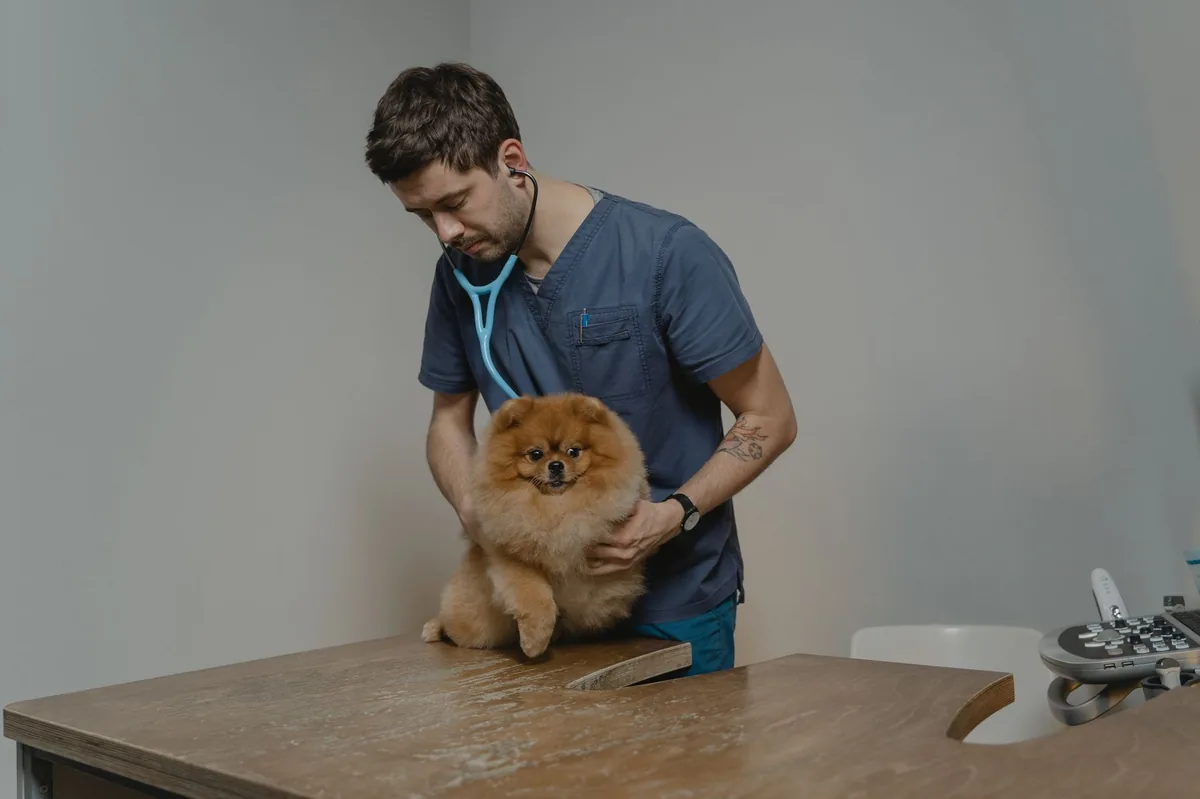
When you arrive at the clinic, the veterinary team will start with a focused history and physical exam, listening for abnormal heart sounds or irregular pulses. The key diagnostic tools for a suspected myocardial infarction include:
- Electrocardiogram (ECG): Records the heart’s electrical activity. Certain patterns, such as ST‑segment elevation, suggest a blockage.
- Cardiac troponin I test: A blood test that measures the level of troponin, a protein released when heart muscle cells are damaged. Elevated troponin is a strong indicator of myocardial injury.
- Echocardiogram (ultrasound of the heart): Shows the movement of the heart walls and can reveal areas that are not contracting properly.
- Chest X‑rays: Help rule out fluid buildup (pulmonary edema) and assess the size of the heart.
- Blood work: Includes a complete blood count, chemistry panel, and lipid profile to identify underlying metabolic issues.
In some cases, a coronary angiogram (rare in veterinary practice) or advanced imaging like CT may be used at specialty centers, but most diagnoses rely on the combination of ECG, troponin, and echo findings.
Treatment options
Medical treatment
Emergency care focuses on stabilizing the heart and restoring blood flow. Common drug classes include:
- Antiplatelet agents (e.g., clopidogrel) to prevent further clot formation – ask your vet about this option.
- Thrombolytics such as tissue‑type plasminogen activator (tPA) are occasionally used in specialty hospitals to dissolve clots.
- Beta‑blockers (e.g., atenolol) to reduce heart workload and control arrhythmias.
- ACE inhibitors (e.g., enalapril) to improve cardiac output and lower blood pressure.
- IV fluids and oxygen therapy to support circulation while the heart recovers.
All medication dosages are individualized based on weight, severity, and concurrent conditions, so you’ll need to discuss the exact plan with your veterinarian.
Supplements and supportive care
While supplements cannot replace prescription meds, they can aid recovery when used alongside veterinary guidance:
- Omega‑3 fatty acids (EPA/DHA): Anti‑inflammatory and may improve cardiac function; look for a veterinary‑grade fish oil.
- Coenzyme Q10: Supports mitochondrial energy production in heart cells; evidence is modest but safe for most dogs.
- Vitamin E: Antioxidant that can help protect heart tissue from oxidative stress.
Always ask your vet before adding any supplement, especially if your dog is already on anticoagulants or other cardiac drugs.
Procedures or surgery
In rare cases where a coronary artery anomaly or severe blockage is identified, interventional cardiology (balloon angioplasty or stent placement) may be performed at a specialty referral center. Recovery from such procedures typically involves a 24‑48 hour intensive care stay, followed by several weeks of strict medication and activity restriction. Costs can range from $5,000 to $12,000 USD, depending on the hospital and region.
Diet and nutrition
Nutrition is a cornerstone of cardiac recovery. After a heart attack, the goal is to reduce cardiac workload while providing high‑quality nutrients that support healing.
Key dietary principles include:
- Highly digestible protein: Lean sources such as boiled chicken, turkey, or fish help preserve muscle mass without overloading the heart.
- Low sodium: Excess salt encourages fluid retention and raises blood pressure. Aim for < 0.2 % sodium on a dry‑matter basis.
- Moderate fat: Healthy fats from fish oil provide omega‑3s, but total fat should stay around 10‑12 % of calories to avoid excess workload.
- Complex carbohydrates: Cooked sweet potatoes or pumpkin supply steady energy without spiking blood glucose.
- Antioxidants: Ingredients like blueberries, carrots, or spinach contribute vitamin C and E, which may protect heart cells.
Many veterinarians recommend a therapeutic “cardiac diet” formulated to meet these criteria. Brands such as Hill’s Prescription Diet k/d or Royal Canin Cardiac are designed with reduced sodium and added taurine, an amino acid important for heart muscle function. You don’t have to pick a specific brand—any high‑quality, low‑sodium commercial diet works, as long as it meets AAFCO nutrient profiles for your dog’s life stage.
When transitioning to a new diet, do it gradually over 7‑10 days: mix 25 % new food with 75 % old food the first day, then increase the new food portion by 25 % each subsequent day. This helps avoid gastrointestinal upset, which can be especially risky in a recovering cardiac patient.
Feeding frequency can aid stability. Offering two to three smaller meals per day rather than one large meal reduces post‑prandial stress on the heart. For senior or overweight dogs, measuring portions with a kitchen scale ensures calorie control.
| Food category | Do feed | Limit | Avoid |
|---|---|---|---|
| Protein | Lean chicken, turkey, white fish | Moderate‑fat cuts | High‑fat meats, organ meats |
| Carbohydrate | Cooked sweet potato, pumpkin, rice | White rice large amounts | Grains with high gluten |
| Fats | Fish oil, flaxseed oil | Butter, lard | Cooked bacon, fatty treats |
| Sodium | Low‑sodium kibble, homemade balanced meals | Table scraps with salt | Processed foods, cured meats |
Hydration remains essential. Provide fresh water at all times, but avoid excessive free‑choice water if your dog develops edema (fluid buildup). Your vet may recommend a controlled water intake schedule during the acute phase.
Finally, monitor your dog’s weight. Gaining even a few pounds can increase cardiac strain, while losing weight too quickly may indicate poor nutrition or underlying disease. A weekly weigh‑in and a simple body‑condition score (BCS) chart can help you stay on track.
Cost and prognosis
Emergency cardiac care can be expensive because it often requires intensive monitoring, advanced imaging, and multiple medications.
| Service | US estimate | UK estimate (GBP) |
|---|---|---|
| Emergency ER visit (initial eval, ECG, troponin, bloodwork) | $800‑$1,500 | £600‑£1,200 |
| Echocardiogram | $300‑$600 | £250‑£500 |
| Hospitalization (ICU, 24‑hr monitoring) | $1,200‑$2,500 per day | £900‑£2,000 per day |
| Medications (first month) | $150‑$400 | £120‑£300 |
| Follow‑up visits (3‑month package) | $250‑$500 | £200‑£450 |
Overall, the total cost of acute care plus the first three months of follow‑up typically ranges from $3,000 to $7,000 USD, depending on severity, location, and whether specialty procedures are needed.
Prognosis varies. Dogs that receive rapid emergency treatment and have no extensive heart muscle loss can survive and enjoy a good quality of life for months to years. However, if a large portion of the heart is damaged, chronic heart failure may develop, reducing life expectancy. Your veterinarian will discuss specific survival odds based on echo findings and response to therapy.
Prevention and home care
While you can’t eliminate every risk, several lifestyle adjustments can lower the chance of a heart attack:
- Maintain a healthy weight: Obesity strains the heart and raises blood pressure. Aim for a body‑condition score of 4‑5 on a 9‑point scale.
- Exercise wisely: Regular, moderate aerobic activity (e.g., brisk walks) supports cardiovascular health, but avoid sudden, high‑intensity bursts in dogs with known heart disease.
- Control blood lipids: If your dog has high cholesterol or triglycerides, discuss dietary changes or medications with your vet.
- Manage underlying conditions: Keep diabetes, hypothyroidism, and endocrine disorders well‑controlled.
- Avoid tobacco smoke: Second‑hand smoke is linked to increased cardiac risk in pets.
- Regular veterinary check‑ups: Annual cardiac exams, especially for breeds predisposed to heart disease, can catch early changes before a crisis.
At home, monitor your dog’s breathing and activity level daily. Use a simple “watch‑and‑note” log: record the number of breaths per minute at rest, any coughing episodes, and changes in appetite. Bring this log to each veterinary visit; trends often reveal subtle deterioration before a full‑blown attack.

Vet’s note
From our vet team: A heart attack in a dog is a medical emergency, but early recognition and rapid transport to an emergency hospital dramatically improve outcomes. Even if you’re unsure whether it’s a heart attack or another cardiac issue, err on the side of caution and seek help now. Once stabilized, most dogs benefit from a lifelong cardiac regimen that includes low‑sodium diet, regular low‑impact exercise, and scheduled re‑checks. Your vet will tailor medication dosages, so never adjust or stop any drug without consulting us first.
Key takeaways
- Heart attacks in dogs are rare but life‑threatening; immediate veterinary care is essential.
- Watch for sudden lethargy, pale gums, rapid breathing, or collapse as emergency red flags.
- Diagnosis relies on ECG, cardiac troponin, and echocardiography—tests your vet can perform quickly.
- Emergency treatment includes oxygen, IV fluids, antiplatelet drugs, and possibly thrombolytics.
- Long‑term management uses beta‑blockers, ACE inhibitors, low‑sodium diets, and controlled exercise.
- Preventive care—weight control, regular check‑ups, and managing underlying diseases—reduces future risk.
Myth vs. fact
Myth: Dogs can’t get heart attacks because they don’t have cholesterol.
Fact: Dogs do develop atherosclerotic plaques and can suffer coronary artery blockages, especially large‑breed and older dogs.
Myth: If a dog survives the first episode, they won’t have another.
Fact: Dogs with one myocardial infarction are at higher risk for future cardiac events; ongoing medication and monitoring are crucial.
Myth: Home remedies like aspirin are safe for treating a canine heart attack.
Fact: Human aspirin dosages can be toxic to dogs; only a veterinarian should prescribe antiplatelet therapy.
Frequently asked questions
What causes a heart attack in dogs?
Heart attacks stem from a blockage in a coronary artery, often due to atherosclerotic plaque, thrombosis, or a congenital anomaly. Underlying heart disease, high blood lipids, and severe stress can also trigger an infarction.
How quickly can a dog die from a heart attack?
Death can occur within minutes if the blockage is massive and the heart stops pumping effectively. Prompt emergency care can prevent rapid deterioration, so act the moment you notice severe symptoms.
What are the emergency signs of a canine heart attack?
Key signs include sudden collapse, rapid shallow breathing, pale or bluish gums, weak thready pulse, and unresponsiveness. Any of these warrant immediate transport to an emergency veterinary hospital.
Can heart attacks be treated at home?
No. Treatment requires professional diagnostics, oxygen therapy, IV fluids, and prescription medications that must be dosed by a veterinarian. Attempting home treatment can delay life‑saving care.
What medications are used for dogs with heart attacks?
Veterinarians may use antiplatelet agents (clopidogrel), beta‑blockers (atenolol), ACE inhibitors (enalapril), and sometimes thrombolytics (tPA) in specialty settings. Supplements like omega‑3s may support recovery, but always ask your vet first.
Are certain dog breeds more likely to have heart attacks?
Large breeds such as Doberman Pinschers, Boxers, German Shepherds, and older mixed‑breed dogs with underlying heart disease show a higher incidence. However, any dog with risk factors can develop a myocardial infarction.
Ask the PuppaDogs community
Have a question this article didn’t fully answer? Want to compare notes with other dog owners who’ve been through this? Our community forum is moderated by experienced owners and vets — and answers tend to come fast. Ask in the PuppaDogs community →
References
- American College of Veterinary Internal Medicine (ACVIM) – Cardiology Guidelines, 2022.
- American Animal Hospital Association (AAHA) – Veterinary Emergency and Critical Care Standards, 2023.
- Merck Veterinary Manual, “Myocardial Infarction in Dogs” chapter, 2021.
- American Veterinary Medical Association (AVMA) – Canine Cardiac Disease Overview, 2022.
- World Small Animal Veterinary Association (WSAVA) – Nutrition Recommendations for Cardiac Patients, 2023.
- Cornell University College of Veterinary Medicine – Canine Heart Disease Clinical Resources, 2022.
- UC Davis Veterinary Medicine – Cardiac Biomarkers (Troponin I) in Dogs, 2020.
- American Kennel Club (AKC) – Breed Predispositions to Cardiovascular Disease, 2021.
