
















Quick take: Complete (third‑degree) heart block in dogs is a serious arrhythmia where the heart’s electrical signals fail to travel from the atria to the ventricles. Without a permanent pacemaker, most affected dogs will develop fainting, weakness, or sudden cardiac arrest. Prompt veterinary evaluation, diagnostic testing, and discussion of pacemaker implantation are essential for the best chance at a good quality of life.
It’s 11 p.m.; you’re sitting on the couch, and your usually‑spry Golden Retriever, Max, isn’t answering the call to go outside. When you finally coax him up, he shuffles slowly, his ears droop, and his gums look a shade paler than usual. Your mind jumps to the list of “serious” conditions you’ve Googled before, and one headline catches your eye: “Complete heart block in dogs.” The worry spikes, but you also feel a surge of relief that you’ve finally pinpointed something concrete to ask the vet about.
We understand how unsettling it feels to see your dog’s energy dip and to wonder whether the heart is the culprit. In this article we break down everything you need to know about complete (third‑degree) heart block—what it is, why it happens, how it’s diagnosed, treatment options (including pacemaker surgery), costs, diet tweaks, and ways to keep your companion thriving. We’ll also give you clear signs that demand immediate veterinary care, so you can act confidently when the moment arrives.
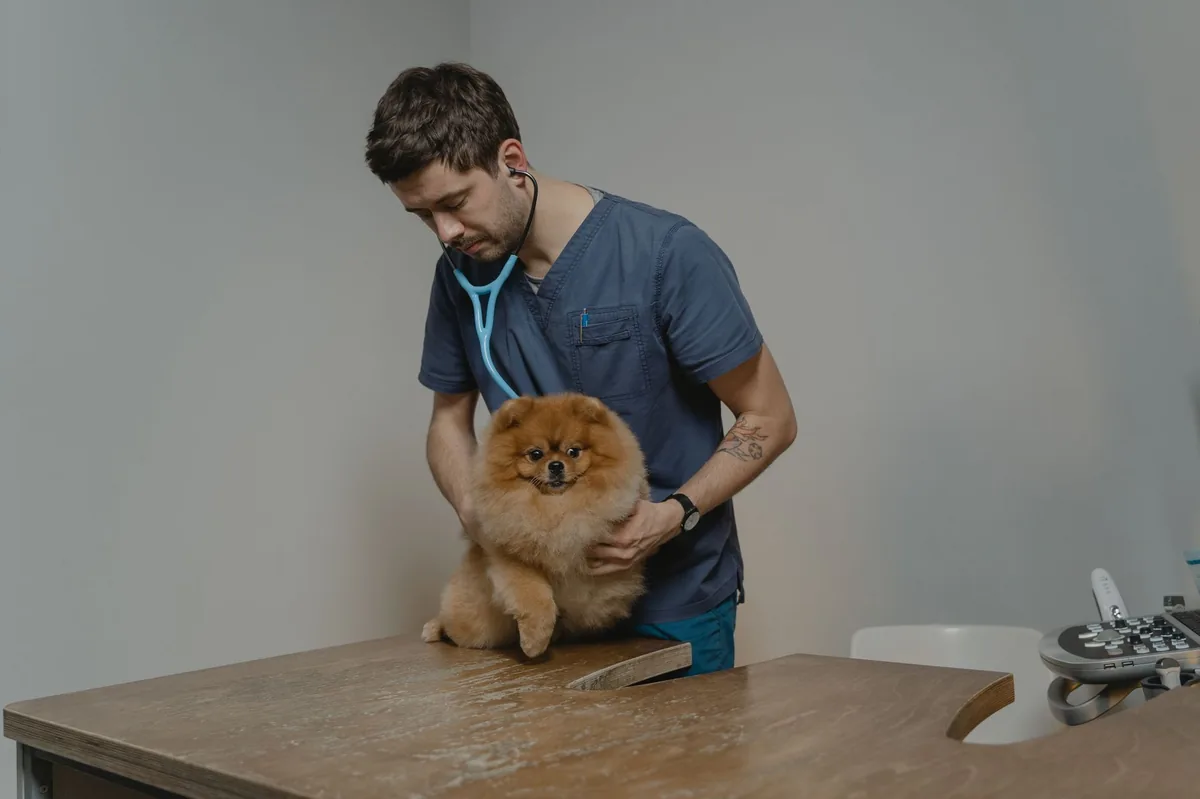
What is complete heart block in dogs?
Complete heart block—also called third‑degree atrioventricular (AV) block—is an electrical failure where the signals generated in the sinus node (the heart’s natural pacemaker) never reach the ventricles. Instead, the ventricles generate their own, much slower rhythm on their own. In dogs this results in a markedly reduced heart rate (often 30–60 beats per minute) and a mismatch between atrial and ventricular beats.
Although any dog can develop this condition, it is most common in older, medium‑to‑large breeds such as Golden Retrievers, Labrador Retrievers, and Boxers. Studies from the American College of Veterinary Internal Medicine (ACVIM) estimate that complete heart block accounts for roughly 5–10 % of all canine arrhythmias presented to specialty clinics.
What causes it?
- Age‑related degeneration: Fibrosis of the AV node is the leading cause in senior dogs.
- Inflammatory heart disease: Myocarditis from infectious agents (e.g., Babesia, Mycoplasma) can damage conduction tissue.
- Congenital defects: Rarely, puppies are born with malformed AV nodes.
- Drug toxicity: Certain anti‑arrhythmic or anesthetic drugs (e.g., quinidine, beta‑blockers) may precipitate block.
- Electrolyte disturbances: Severe hyperkalemia or hypocalcemia can impair signal transmission.
- Breed predisposition: Golden Retrievers, Labradors, Boxers, and Doberman Pinschers show a higher incidence, likely due to genetic factors influencing conduction tissue health.
Signs and symptoms
Because the heart’s pumping efficiency drops, dogs with complete heart block often display a spectrum of signs that can be mistaken for “just getting old.” Early clues are subtle, while severe manifestations can be life‑threatening.
| Severity | Typical signs | What they mean |
|---|---|---|
| Mild | Reduced stamina, occasional fainting (syncope) during excitement, pale gums | Ventricular rate is low but still supports basic circulation. |
| Moderate | Marked lethargy, coughing, difficulty breathing after mild exertion, irregular heart sounds | Ventricular output insufficient for oxygen demand; fluid may accumulate in lungs. |
| Severe | Sudden collapse, bradycardia < 40 bpm, cyanotic gums, loss of consciousness | Critical loss of cardiac output; risk of sudden cardiac arrest. |
When to call your vet
Call your regular vet today if you notice:
- Persistent lethargy or reduced appetite lasting more than 24 hours.
- Occasional fainting episodes, especially after excitement.
- Pale or bluish gums, especially when combined with a slow pulse (< 80 bpm).
Go to an emergency veterinary hospital right now if your dog:
- Collapses or becomes unresponsive.
- Shows a heart rate under 40 bpm or irregular beats that you can feel.
- Has sudden severe coughing, difficulty breathing, or blue‑tinged tongue.
These guidelines are for information only; they do not replace a hands‑on veterinary exam.
How vets diagnose it
Diagnosis starts with a thorough history—how quickly the signs appeared, any recent medications, and breed information. A physical exam focuses on heart rate, rhythm, and lung sounds. The cornerstone test is a 12‑lead electrocardiogram (ECG) that reveals a complete dissociation between P waves (atrial activity) and QRS complexes (ventricular activity). A Holter monitor, worn for 24‑48 hours, can capture intermittent episodes and quantify the average ventricular rate.
Blood work (CBC, chemistry panel) helps rule out electrolyte imbalances or infectious causes. Thoracic radiographs evaluate heart size and look for pulmonary edema. An echocardiogram (ultrasound of the heart) assesses structural disease and can identify fibrosis or inflammation of the conduction system.
Treatment options
Medical treatment
While medications cannot correct a complete block, they may stabilize the dog while a pacemaker is being considered. Commonly used drug classes include:
- Anti‑arrhythmics such as atropine (to increase heart rate temporarily) – ask your vet about this option.
- Beta‑blockers are generally avoided because they can worsen bradycardia, but in rare cases of concurrent tachyarrhythmias they may be used under strict supervision.
- Antibiotics or antiparasitics if an infectious cause (e.g., Babesia) is identified – your vet will choose the appropriate drug.
Medical management alone is rarely curative; most dogs will eventually need a permanent pacemaker to achieve a sustainable heart rate.
Supplements and supportive care
Adjunctive supplements can help support overall cardiac health while awaiting definitive therapy:
- Omega‑3 fatty acids (EPA/DHA): Shown to reduce inflammation and improve ventricular function in some cardiac patients.
- Coenzyme Q10: May aid mitochondrial energy production, though evidence in dogs is limited.
- Vitamin E and selenium: Antioxidants that support myocardial cells, especially if oxidative stress from infection is suspected.
Always discuss supplement use with your veterinarian—some can interfere with blood thinners or other cardiac drugs.
Procedures or surgery
The definitive therapy for complete heart block is implantation of a permanent pacemaker. The procedure involves placing a small pulse generator under the skin (usually near the shoulder) and threading leads through a vein into the right ventricle. Surgery typically lasts 1–2 hours and is performed under general anesthesia.
Recovery includes a 24‑hour hospital stay for monitoring, followed by 2–4 weeks of limited activity while the incision heals. Most dogs adapt quickly; the pacemaker can be programmed to match the dog’s natural activity level. Long‑term follow‑up appointments every 6–12 months ensure the device functions properly.
Diet and nutrition
Nutrition plays a supportive role in managing heart block, especially when a pacemaker is in place and the heart’s workload is altered. A diet that is easy to digest, moderate in sodium, and rich in high‑quality protein helps maintain muscle mass and prevents fluid overload.
Key principles:
- High‑quality protein: Choose foods with named animal proteins (chicken, turkey, lamb) to preserve lean body mass.
- Moderate sodium: Excess salt can promote fluid retention and exacerbate pulmonary edema. Aim for ≤0.3 % sodium on a dry‑matter basis.
- Balanced omega‑3s: Commercial therapeutic diets often include fish oil; if feeding a standard kibble, consider adding a veterinarian‑approved fish‑oil supplement.
- Controlled calories: Over‑weight dogs place extra strain on the heart. Use a calorie calculator (PuppaDogs Calorie Calculator) to determine the appropriate amount.
- Avoid high‑fat treats: Fatty foods can lead to pancreatitis, which further stresses the cardiovascular system.
| Food category | Do feed | Limit/avoid |
|---|---|---|
| Protein sources | Cooked chicken, turkey, lean beef, or high‑quality commercial kibble with >18 % protein | Processed meats with high sodium, raw bone‑in‑diet without veterinary guidance |
| Carbohydrates | Whole grains (brown rice, oatmeal) or grain‑free alternatives if grain‑sensitive | Excessive corn or wheat fillers, sugary treats |
| Fats | Fish oil supplement (EPA/DHA) or foods with added omega‑3 | High‑fat table scraps, fried foods |
| Sodium | Low‑sodium therapeutic diets (e.g., renal or cardiac formulas) | Table salt, salty snacks, cured meats |
If your dog receives a pacemaker, the device itself does not require a special diet, but maintaining a stable weight and preventing electrolyte swings is crucial. Transition to any new food slowly over 7–10 days to avoid gastrointestinal upset.
Cost and prognosis
Financial considerations are an important part of decision‑making. Below are typical cost ranges for the United States and the United Kingdom; actual prices vary by clinic, region, and individual case complexity.
| Service | US estimate | UK estimate |
|---|---|---|
| Initial consultation & diagnostics (ECG, Holter, blood work, X‑ray) | $300–$800 | £250–£600 |
| Pacemaker implantation (device + surgery) | $5,000–$9,000 | £4,000–£7,500 |
| Post‑operative hospitalization (24‑48 hr) | $500–$1,200 | £400–£900 |
| Follow‑up visits & device checks (annual) | $150–$300 each | £100–£250 each |
| Potential medication & supplement regimen (annual) | $100–$400 | £80–£350 |
Prognosis depends heavily on whether a pacemaker is placed. Dogs that receive a properly programmed device often enjoy a life expectancy close to that of age‑matched peers, with many living 5 years or more after implantation. Without a pacemaker, survival time is generally measured in weeks to months, as the heart cannot reliably maintain circulation.
Prevention and home care
While you can’t prevent age‑related degeneration, several proactive steps can reduce the risk of secondary problems and help catch heart block early:
- Routine wellness exams: Annual cardiac auscultation and, for senior breeds, a baseline ECG can reveal subtle conduction changes before they become severe.
- Heart‑healthy lifestyle: Maintain an ideal body condition, provide regular low‑impact exercise, and avoid sudden spikes in excitement that could trigger syncopal episodes.
- Monitor pulse and gum color: A quick check of the femoral pulse (30–60 bpm is low for most dogs) and pink versus pale gums can alert you to worsening bradycardia.
- Limit exposure to known cardiotoxins: Avoid over‑the‑counter human medications (e.g., certain beta‑blockers) and discuss any new supplements with your vet.
- Vaccination and parasite control: Prevent infectious myocarditis by keeping vaccinations up to date (AAHA 2023 Canine Vaccination Guidelines) and using year‑round heartworm preventives.
After pacemaker placement, keep the incision clean and dry, restrict vigorous activity for at least 2 weeks, and watch for signs of infection (redness, swelling, discharge). Most owners find that once the dog resumes normal walks, the pacemaker operates quietly in the background.
From our vet team: “Seeing a dog’s heart rate drop to 30 bpm is scary, but the technology we have today—especially reliable, programmable pacemakers—means many dogs can return to a happy, active life. Early detection, a calm approach, and a clear discussion of costs make the decision easier for families.”
Key takeaways
- Complete heart block is a third‑degree AV conduction failure that causes a very slow ventricular rhythm.
- Typical signs include fainting, pale gums, and a heart rate under 60 bpm; sudden collapse requires emergency care.
- Diagnosis relies on ECG, Holter monitoring, and imaging; a pacemaker is the definitive treatment.
- Pacemaker implantation costs $5,000–$9,000 in the US, but it can extend life expectancy to several years.
- Feed a moderate‑sodium, high‑quality protein diet and keep your dog at a healthy weight to support cardiac health.
Myth vs. fact
Myth: Complete heart block always leads to sudden death.
Fact: While untreated block can be fatal within weeks, many dogs live comfortably for years after pacemaker implantation.
Myth: Dogs with pacemakers need a special “electric‑dog” diet.
Fact: No unique diet is required; the focus is on low sodium, high‑quality protein, and stable calories, just as for any senior dog with cardiac disease.
Frequently asked questions
What are the signs of complete heart block in a dog?
Dogs with complete heart block often show fainting (syncope), lethargy, pale or bluish gums, and a heart rate that may drop below 60 bpm. If the dog collapses or you feel a very slow pulse, seek emergency care immediately.
How do vets confirm a diagnosis of third-degree AV block?
The definitive test is a 12‑lead ECG that shows complete dissociation between atrial (P waves) and ventricular (QRS complexes) activity. A Holter monitor can capture intermittent episodes and provide an average heart rate over 24‑48 hours.
Can a dog survive without a pacemaker if it has complete heart block?
Survival without a pacemaker is limited; most dogs will deteriorate over weeks to months because the heart cannot maintain adequate blood flow. Some may live longer with medical support, but quality of life usually declines.
What is the typical cost of pacemaker surgery for a dog?
In the United States, total costs—including device, surgery, anesthesia, and 24‑hour monitoring—range from $5,000 to $9,000. In the United Kingdom, the range is roughly £4,000 to £7,500, depending on the clinic and any complications.
Which dog breeds are most likely to develop complete heart block?
Golden Retrievers, Labrador Retrievers, Boxers, and Doberman Pinschers have a higher incidence, likely due to genetic predisposition to AV node degeneration. Senior dogs of any breed can be affected, however.
Are there any home care tips for dogs living with a pacemaker?
After surgery, limit activity for 2–4 weeks, keep the incision clean, and monitor for signs of infection. Regularly check your dog’s pulse and gum color, and maintain routine veterinary follow‑ups to ensure the pacemaker is functioning properly.
Ask the PuppaDogs community
Have a question this article didn’t fully answer? Want to compare notes with other dog owners who’ve been through this? Our community forum is moderated by experienced owners and vets — and answers tend to come fast. Ask in the PuppaDogs community →
References
- American College of Veterinary Internal Medicine (ACVIM) Consensus Statement on Canine Cardiac Arrhythmias, 2022.
- American Animal Hospital Association (AAHA) 2023 Canine Vaccination Guidelines.
- Merck Veterinary Manual, “Heart Block” entry, updated 2023.
- Cornell University College of Veterinary Medicine, “Canine Cardiology” textbook, 2021.
- UC Davis Veterinary Medicine, “Management of Canine Atrioventricular Block,” 2022.
- American Veterinary Medical Association (AVMA) – Guidelines on Pacemaker Use in Dogs, 2020.
- World Small Animal Veterinary Association (WSAVA) – Nutritional Recommendations for Cardiac Patients, 2021.


