













Quick take: Pneumocystosis is a rare fungal lung infection that usually shows up in dogs with weakened immune systems. Early signs include a dry cough, tiredness, and trouble breathing. Prompt veterinary evaluation, targeted antifungal therapy, and supportive care give many dogs a good chance at recovery, though treatment can be costly and may require lifelong prevention measures.
It’s 11 p.m., the house is quiet, and you notice your senior Beagle, Max, isn’t greeting you at the door like usual. Instead, he’s lying on his side, eyes half‑closed, and you catch a faint, dry cough as he sighs. Your heart races and you start Googling “dog lung infection.” You’re not alone—many owners first spot Pneumocystis pneumonia when a normally spry dog suddenly slows down or coughs.
We understand how unsettling this can feel. While Pneumocystosis (often called Pneumocystis pneumonia) is uncommon, it can be serious, especially in puppies, senior dogs, or any dog whose immune system is compromised. In the next few minutes we’ll walk you through what this fungal infection is, why it happens, what to look for, how vets diagnose it, treatment options, expected costs, and how you can help prevent it in the future.
By the end you’ll know the red‑flag signs that demand an immediate vet visit, the typical work‑up your vet will perform, which medications are commonly used, and practical tips for feeding and caring for a recovering dog. Let’s dive in.

What is Pneumocystosis in dogs?
Pneumocystosis is an infection of the lungs caused by the fungus Pneumocystis jirovecii (formerly P. carinii). Unlike the more familiar skin or ear fungi, this organism lives in the tiny air sacs (alveoli) and can provoke inflammation that impairs breathing. In healthy dogs the fungus is usually held in check by the immune system, but when immunity wanes—due to age, disease, or immunosuppressive drugs—the organism can multiply and cause pneumonia.
Overall, Pneumocystosis accounts for less than 1 % of canine respiratory infections, according to the American College of Veterinary Internal Medicine (ACVIM). It’s more common in puppies, senior dogs, and breeds predisposed to immune dysfunction, such as Cocker Spaniels, Dachshunds, and some mixed‑breed rescue dogs.
What causes it?
The fungus is widespread in the environment and can be inhaled from contaminated air, but it rarely causes disease in dogs with a normal immune system. The main drivers are factors that weaken immunity.
- Age‑related immune decline: Puppies (especially under 6 months) and dogs over 10 years old have less robust immune defenses.
- Underlying disease: Chronic conditions such as hypothyroidism, Cushing’s disease, or neoplasia can suppress immunity.
- Immunosuppressive medications: Corticosteroids, chemotherapy, or cyclosporine used for allergies or autoimmune disease increase risk.
- Genetic predisposition: Certain breeds, including Cocker Spaniels, English Bulldogs, and some mixed breeds, have higher rates of immune‑mediated disorders that can predispose them.
Signs and symptoms
Because Pneumocystosis develops gradually, early signs can be subtle. Below is a progression guide to help you spot the disease before it becomes severe.
| Stage | Typical signs |
|---|---|
| Mild | Occasional dry cough, slight lethargy, reduced appetite, mild fever (101‑102 °F) |
| Moderate | Persistent cough, rapid breathing (tachypnea), noticeable fatigue, pale gums, occasional vomiting |
| Severe | Labored breathing, blue‑tinged gums or tongue, marked weight loss, collapse, high fever (>103 °F) |
Key early clues include a cough that doesn’t improve after a week of rest, and a change in energy level—your dog may no longer want to go for walks or play fetch. In severe cases, you might hear wheezing or notice the dog’s belly moving rapidly as it struggles to get enough oxygen.
When to call your vet
Call your vet today if:
- You notice a new or worsening cough lasting more than 5 days.
- Your dog is unusually tired, refuses treats, or has a fever.
- Gums look pale or the tongue appears bluish.
Go to an emergency veterinary hospital right now if:
- Breathing is labored, rapid, or you hear wheezing.
- Your dog collapses, shows signs of distress, or has a very high fever.
These guidelines are for information only; they do not replace professional veterinary care.
How vets diagnose it
Diagnosing Pneumocystosis involves a combination of history, physical exam, and specific tests that target the fungus.
- Thoracic radiographs (X‑rays): Reveal a diffuse, interstitial pattern typical of fungal pneumonia. While not definitive, they help rule out other causes.
- Bronchoalveolar lavage (BAL): A thin tube is passed through the airway to collect fluid from the lower lungs. The sample is examined under a microscope for the characteristic cysts of Pneumocystis.
- Polymerase chain reaction (PCR): Detects fungal DNA in BAL fluid or tracheal washes, offering a highly sensitive confirmation. The American Veterinary Medical Association (AVMA) recommends PCR when BAL cytology is inconclusive.
- Complete blood count (CBC) and chemistry panel: Often show a mild leukocytosis (increased white blood cells) and may reveal underlying conditions like anemia or organ dysfunction.
- Immunologic testing: In some cases, vets assess immune status (e.g., CD4/CD8 ratios) to identify why the infection took hold.
Treatment options
Medical treatment
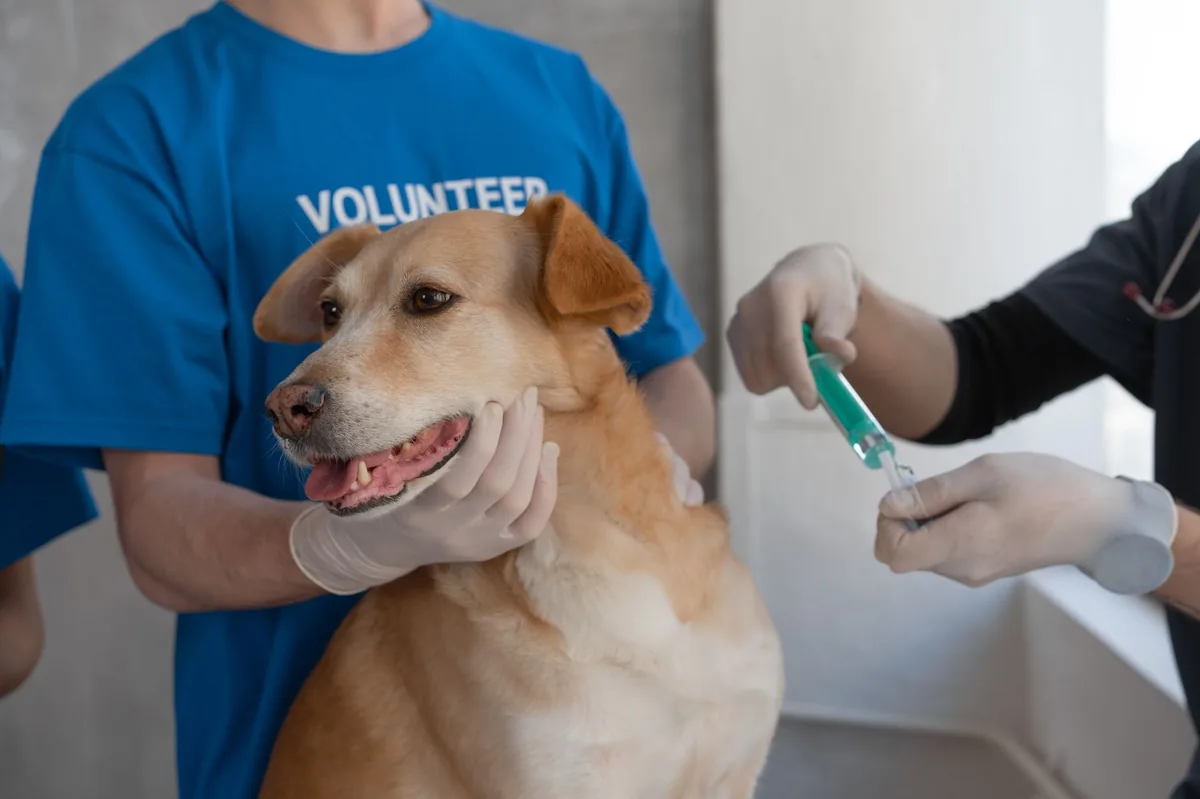
The cornerstone of therapy is an antifungal drug that targets Pneumocystis. The most widely used agents are:
- Trimethoprim‑sulfamethoxazole (TMP‑SMX): Often the first‑line oral medication. It interferes with the fungus’s folic‑acid pathway.
- Pentamidine isethionate: Used when a dog cannot tolerate TMP‑SMX or when the infection is refractory. It’s administered intravenously or subcutaneously.
- Azithromycin: Occasionally added as a synergistic agent, especially in immunocompromised patients.
All of these drugs require veterinary prescription and dosing based on your dog’s weight and disease severity. Ask your vet about these options, and discuss any potential side effects such as gastrointestinal upset or bone‑marrow suppression.
Supplements and supportive care
While supplements cannot cure Pneumocystosis, they can help reduce inflammation and support recovery:
- Omega‑3 fatty acids (EPA/DHA): Anti‑inflammatory properties may ease lung irritation. Look for a high‑quality fish‑oil supplement formulated for dogs.
- Probiotics: Maintaining gut health can bolster overall immunity, especially when antibiotics are part of the regimen.
- Vitamin C (ascorbic acid): Some studies suggest modest antioxidant benefits in respiratory infections, but it should be given under veterinary guidance.
Procedures or surgery
In most cases Pneumocystosis does not require surgery. However, a few dogs develop secondary bacterial pneumonia or lung abscesses that may need thoracoscopic drainage or, rarely, lung lobectomy. Recovery from such procedures can take 2–4 weeks and typically adds $3,000–$5,000 to the overall cost.
Diet and nutrition
Nutrition plays a supporting role in recovery from any lung infection. While there is no “Pneumocystis‑specific” diet, feeding a highly digestible, nutrient‑dense diet helps keep immune function strong and reduces the metabolic load on a compromised body.
What to feed:
- High‑quality protein: Choose a diet with easily digestible animal protein (e.g., chicken, turkey, or fish) to maintain muscle mass. If your dog is picky, warm the food slightly to enhance aroma.
- Moderate fat: Fat provides energy, but excessive fat can worsen inflammation. Aim for 10‑12 % fat on a dry‑matter basis.
- Complex carbohydrates: Sweet potatoes, pumpkin, or rice offer gentle energy without spiking blood sugar.
- Added omega‑3: As noted above, fish‑oil supplements (EPA/DHA) can help mitigate lung inflammation.
- Hydration: Encourage water intake; adding low‑salt broth to meals can be helpful if your dog is reluctant to drink.
What to limit or avoid:
- Highly processed kibble with low protein: These can be harder to digest and may lack the nutrients needed for immune recovery.
- Excessive sodium: High salt can contribute to fluid retention, which is undesirable in a dog with respiratory compromise.
- Raw diets with unknown bacterial load: Unless you’re confident about hygiene, raw foods can introduce secondary bacterial infections.
Some owners opt for therapeutic renal or gastrointestinal diets during treatment because they are formulated to be highly digestible and low in phosphorus or fat. While not required, they can be useful if your dog has concurrent kidney disease or severe appetite loss. Always discuss any diet change with your vet.
Transitioning to a new diet should be gradual—mix 25 % new food with 75 % old food for a few days, then increase the new food portion every 2–3 days. This helps avoid gastrointestinal upset, which can be especially problematic when your dog is already on antibiotics or antifungals.
| Food category | Do feed | Limit | Avoid |
|---|---|---|---|
| Protein source | Cooked chicken, turkey, lean fish | Low‑fat ground meat | Highly processed meat scraps |
| Carbohydrate | Cooked sweet potato, pumpkin, rice | Whole‑grain kibble | High‑fiber raw veg (may cause gas) |
| Fats | Fish‑oil supplement (EPA/DHA) | Butter or animal fat | Excessive oil or lard |
| Supplements | Probiotic powder, vitamin C (vet‑approved) | Human multivitamins | Unregulated herbal extracts |
Finally, keep feeding times consistent and avoid sudden changes in schedule. A regular routine reduces stress, which in turn helps the immune system focus on fighting the infection.
Cost and prognosis
Financial considerations are an important part of any treatment plan. Below is a rough cost breakdown based on US and UK veterinary pricing (prices vary by region and clinic).
| Item | US estimate | UK estimate |
|---|---|---|
| Initial exam & diagnostics (CBC, chemistry, X‑ray) | $150–$300 | £120–£250 |
| Bronchoalveolar lavage (procedure + lab) | $400–$600 | £300–£500 |
| PCR test for Pneumocystis | $250–$350 | £200–£350 |
| Antifungal medication (4‑week course) | $200–$500 | £150–£400 |
| Supportive care (fluids, supplements) | $100–$250 | £80–£200 |
| Potential hospitalization (if severe) | $1,200–$3,000 per day | £800–£2,000 per day |
| Follow‑up visits (2–3) | $100–$200 | £80–£150 |
Overall, uncomplicated cases typically run $1,500–$3,000 in the United States, while severe cases requiring intensive care can exceed $6,000. Many pet insurance plans cover a portion of the diagnostic work‑up and medication, but antifungal drugs are sometimes excluded or limited. Check your policy’s “infectious disease” or “respiratory illness” clauses for details.
Prognosis depends largely on the dog’s age, immune status, and how quickly treatment begins. According to the Merck Veterinary Manual, dogs diagnosed early and treated aggressively have a 70‑85 % chance of full recovery. Senior dogs or those with concurrent immunosuppressive disease may have a more guarded outlook, with 40‑60 % achieving a good quality of life after treatment.
Prevention and home care
Because the fungus is ubiquitous, the goal is to keep your dog’s immune system strong and minimize exposure to high‑risk environments (e.g., kennels with poor ventilation). Here are practical steps you can take:
- Vaccinate and deworm regularly: While there is no vaccine for Pneumocystis, staying up‑to‑date on core vaccines (e.g., canine distemper, parvovirus) reduces overall respiratory disease burden.
- Limit exposure to crowded dog areas: If your dog is immunocompromised, avoid dog parks, boarding kennels, or grooming salons during outbreaks of respiratory illness.
- Maintain good indoor air quality: Use HEPA filters, avoid smoking indoors, and keep humidity between 30‑50 % to reduce fungal spore load.
- Regular health checks: Annual exams can catch early immune dysfunction. For dogs on immunosuppressive drugs, your vet may recommend more frequent blood work.
- Nutrition and supplements: Feed a balanced diet and consider probiotic or omega‑3 supplementation as preventive measures.
If your dog has a known immune deficiency, discuss prophylactic antifungal therapy with your vet—some specialists prescribe low‑dose TMP‑SMX on a long‑term basis to keep the fungus at bay.
From our vet team: “Pneumocystosis often sneaks up on dogs that already have a hidden immune problem. The moment you notice a new cough, especially in a senior or a puppy, call your vet. Early bronchoalveolar lavage and PCR can confirm the diagnosis quickly, and starting trimethoprim‑sulfamethoxazole right away gives the best chance for a full recovery.”
Key takeaways
- Pneumocystosis is a rare fungal lung infection that primarily affects dogs with weakened immunity.
- Early signs include a persistent dry cough, fatigue, and reduced appetite; severe cases show labored breathing and pale gums.
- Veterinary diagnosis relies on chest X‑rays, bronchoalveolar lavage, and PCR testing for fungal DNA.
- First‑line treatment is trimethoprim‑sulfamethoxazole; alternatives include pentamidine and azithromycin, always under veterinary supervision.
- Recovery can take 4–8 weeks, and costs range from $1,500 to $6,000 depending on severity and hospitalization needs.
- Preventive measures focus on maintaining immune health, good indoor air quality, and avoiding crowded dog environments for at‑risk pets.
Myth vs. fact
Myth: Pneumocystosis is caused by eating contaminated food.
Fact: The fungus is inhaled from the environment; diet is not a direct source, though a poor diet can weaken immunity.
Myth: All dogs with a cough have Pneumocystosis.
Fact: Coughing is common in many respiratory conditions; definitive diagnosis requires specific tests like BAL and PCR.
Myth: Once treated, the infection never returns.
Fact: Dogs with ongoing immune suppression can experience recurrence; regular monitoring is essential.
Frequently asked questions
What causes Pneumocystosis in dogs?
Pneumocystosis is caused by inhaling the fungus Pneumocystis jirovecii, which normally stays dormant unless the dog’s immune system is compromised.
How can I tell if my dog has a fungal lung infection?
Key clues are a persistent dry cough, fatigue, and breathing difficulty that don’t improve with routine care; a veterinary exam with X‑rays and BAL is needed for confirmation.
What tests are used to diagnose Pneumocystis pneumonia in dogs?
Veterinarians typically perform thoracic radiographs, bronchoalveolar lavage with cytology, and a PCR test to detect fungal DNA.
What medications are prescribed for Pneumocystosis in dogs?
The most common drug is trimethoprim‑sulfamethoxazole; alternatives include pentamidine and azithromycin, all prescribed based on weight and disease severity.
What is the prognosis for dogs with Pneumocystosis?
When caught early and treated aggressively, 70‑85 % of dogs recover fully; dogs with severe immune compromise have a more guarded outlook.
Can Pneumocystosis be prevented in dogs with weakened immune systems?
Prevention focuses on minimizing exposure to crowded settings, maintaining good indoor air quality, and supporting immune health through nutrition and regular veterinary monitoring.
Ask the PuppaDogs community
Have a question this article didn’t fully answer? Want to compare notes with other dog owners who’ve been through this? Our community forum is moderated by experienced owners and vets — and answers tend to come fast. Ask in the PuppaDogs community →
References
- American College of Veterinary Internal Medicine (ACVIM) – “Guidelines for Diagnosis and Management of Fungal Respiratory Infections in Dogs,” 2022.
- American Animal Hospital Association (AAHA) – “Veterinary Care for Immunocompromised Dogs,” 2023.
- Merck Veterinary Manual – “Pneumocystis Pneumonia (Canine)” entry, 2024 edition.
- American Veterinary Medical Association (AVMA) – “PCR Testing for Respiratory Pathogens,” clinical guidelines, 2021.
- World Small Animal Veterinary Association (WSAVA) – “Environmental Management to Reduce Fungal Spore Load,” 2022.
- Cornell University College of Veterinary Medicine – “Antifungal Drug Handbook,” 2023.
- UK Veterinary Association – “Cost of Veterinary Care for Respiratory Infections,” 2022.


