











Quick take: Rhinosporidiosis is a rare fungal infection that forms polyp‑like growths in a dog’s nose or sinuses. It can cause nasal discharge, bleeding, and difficulty breathing, but with prompt veterinary care—often surgery plus antifungal medication—most dogs recover well. Early detection, proper treatment, and good environmental hygiene are key.
It’s 11 p.m., and you’re watching your usually‑playful Border Collie, Bella, sit on the porch, head tilted, eyes half‑closed. She’s not sniffing the evening breeze like she usually does. A quick check of her nose reveals a small, pinkish mass that seems to bleed a little when she nudges it with her nose. Your heart races, and you start Googling “dog nose growth.” The panic is real, but you’re not alone—many owners face the same moment of uncertainty.
We understand how unsettling a mysterious nasal lesion can be. While rhinosporidiosis is uncommon, it’s treatable, and knowing what to look for, how it’s diagnosed, and what the care pathway looks like can help you act confidently. Below we break down everything from the cause of this fungal infection to recovery tips, costs, and prevention.
What is rhinosporidiosis in dogs?
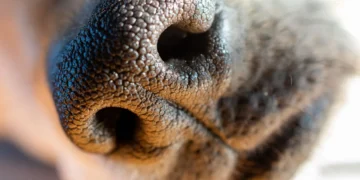
Rhinosporidiosis is an infection caused by the aquatic fungus Rhinosporidium seeberi. The organism forms sporangia—tiny, sac‑like structures—that lodge in the nasal passages, sinuses, or, rarely, the eyes. Over time, these sporangia develop into fleshy, polyp‑like growths that can bleed and obstruct airflow.
In dogs, the condition is rare but documented worldwide, especially in tropical or subtropical regions where stagnant water is common. Because the fungus thrives in moist environments, dogs that love swimming, drinking from ponds, or digging in damp soil are at higher risk. While the exact incidence is unknown, veterinary surveys (e.g., AAHA 2022 Fungal Disease Report) list rhinosporidiosis among the less common but noteworthy nasal diseases.
What causes rhinosporidiosis?
- Environmental exposure: Contact with contaminated freshwater—ponds, lakes, irrigation ditches—where the fungus’s spores are present.
- Trauma or mucosal irritation: Small cuts or abrasions in the nasal lining can provide an entry point for spores.
- Breed or anatomical predisposition: Breeds with long, floppy ears or brachycephalic (short‑snouted) anatomy may retain moisture longer, creating a favorable micro‑environment.
- Immune status: Dogs with weakened immune systems (e.g., due to age, chronic illness, or immunosuppressive drugs) may be less able to clear the fungus.
Signs and symptoms
| Severity | Typical signs |
|---|---|
| Mild | Intermittent nasal discharge (clear or slightly blood‑tinged), occasional sneezing, slight nose rubbing. |
| Moderate | Persistent unilateral discharge, visible pinkish mass, occasional nosebleeds, reduced appetite. |
| Severe | Obstructed airway, frequent or profuse nosebleeds, facial swelling, lethargy, weight loss, difficulty breathing. |
Early signs often mimic common rhinitis or allergies, which is why owners may attribute them to seasonal changes. As the fungal polyps grow, they become more apparent and may bleed when the dog brushes its nose against objects.
When to call your vet
Call your vet today if you notice:
- Any nasal discharge that is blood‑tinged or persistent for more than a few days.
- A visible mass or swelling around the nose or face.
- Frequent sneezing or nose rubbing that doesn’t improve.
- Reduced appetite, lethargy, or weight loss.
Go to an emergency veterinary hospital right now if your dog:
- Is struggling to breathe or shows open‑mouth breathing.
- Has profuse, uncontrolled nosebleeds.
- Appears to be in pain, especially when the nose is touched.
These signs can indicate airway obstruction or severe bleeding, which require immediate attention. This article is for informational purposes only and does not replace a hands‑on veterinary exam.
How vets diagnose rhinosporidiosis
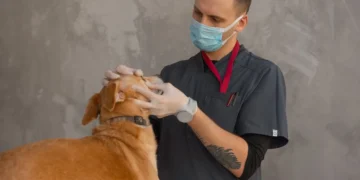
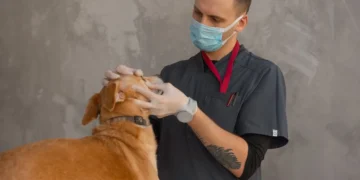
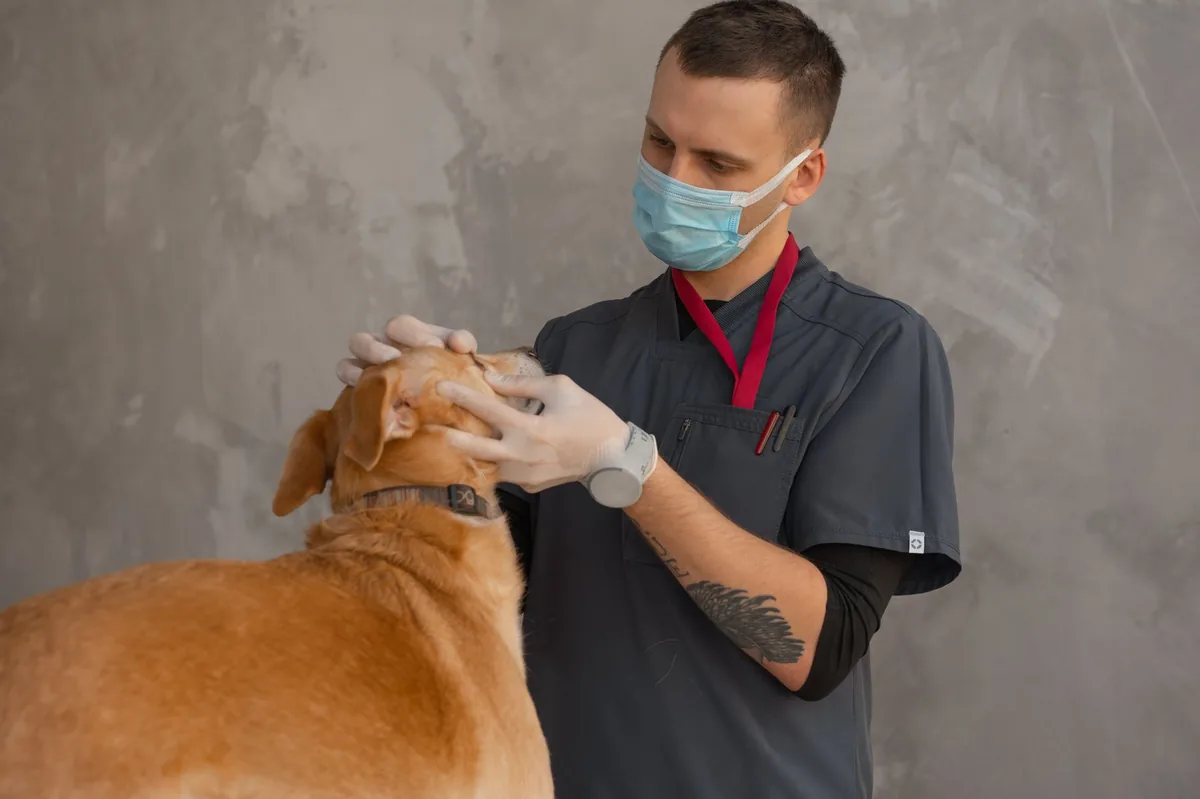
Diagnosis starts with a thorough history and physical exam. Your vet will ask about water exposure, recent injuries, and any nasal symptoms. A visual inspection of the nose—often using an otoscope—can reveal the characteristic polypoid lesions.
Key diagnostic tools include:
- Endoscopic examination: A flexible endoscope lets the vet view inside the nasal cavity and take biopsies of the growth.
- Imaging: Radiographs (X‑rays) and, more commonly, CT scans show the size and location of the lesion and any bone involvement.
- Histopathology: Tissue samples stained and examined under a microscope reveal the distinctive sporangia of R. seeberi.
- Fungal culture (rare): Growing the organism in a lab is difficult, so most diagnoses rely on the microscopic appearance.
These steps help differentiate rhinosporidiosis from other nasal conditions such as bacterial rhinitis, nasal tumors, or fungal pneumonia.
Treatment options
Medical treatment
Antifungal therapy is an important adjunct to surgery. Commonly used oral agents include:
- Itraconazole – a broad‑spectrum azole that penetrates nasal tissue.
- Terbinafine – an allylamine effective against many dermal fungi.
- Fluconazole – sometimes chosen for its good oral absorption.
These drugs are given for several weeks to months, depending on response. Your vet will tailor the regimen based on your dog’s weight, liver function, and any concurrent medications. Ask your vet about these options if surgery is not feasible or as a post‑operative measure.
Supplements and supportive care
While supplements cannot eradicate the fungus, they can improve overall health and aid recovery:
- Omega‑3 fatty acids (EPA/DHA): Reduce inflammation in the nasal passages and support skin health. A daily fish‑oil supplement formulated for dogs works well.
- Probiotics: Help maintain gut balance, especially if long‑term antibiotics are used.
- Vitamin C: An antioxidant that may bolster the immune response; however, high doses should be discussed with your vet.
These adjuncts are most beneficial after surgical removal and during antifungal therapy.
Procedures or surgery
Surgical excision is the primary curative approach. Techniques include:
- Endoscopic sinus surgery: Minimally invasive removal of the polypoid mass using specialized instruments.
- Laser ablation: Precise vaporization of the lesion, often with reduced bleeding.
- Traditional open rhinotomy: Reserved for large or invasive lesions that require direct access.
Recovery usually involves a short hospital stay (1–3 days) for pain control and monitoring. Most dogs return to normal activity within 2–4 weeks, though a gradual re‑introduction to vigorous play is advised. Post‑operative care includes nasal saline flushes and a short course of antibiotics to prevent secondary bacterial infection.
Diet and nutrition
Nutrition plays a supportive role during recovery from rhinosporidiosis. A diet that is easy to chew, highly digestible, and rich in quality protein helps maintain body condition while the nasal passages heal.
Consider the following guidelines:
- High‑quality protein: Choose a commercial dog food that lists real meat (chicken, turkey, or fish) as the first ingredient. Protein supports tissue repair and immune function.
- Limited sodium: Excess salt can increase swelling of nasal tissues. Opt for low‑sodium formulas, especially if your dog shows any facial edema.
- Moisture‑rich foods: Soft canned or freshly‑prepared meals are easier to eat when the dog may have mild nasal congestion.
- Anti‑inflammatory additives: Foods enriched with omega‑3 fatty acids (e.g., salmon‑based diets) can complement the anti‑inflammatory effect of antifungal drugs.
- Avoid hard kibble that may irritate the nasal passages: If you normally feed dry kibble, consider soaking it in warm water or broth for the first few weeks post‑surgery.
| Food category | Do feed | Limit / Avoid |
|---|---|---|
| Protein sources | Cooked chicken, turkey, salmon, or high‑quality commercial meat‑based diet | Low‑protein or plant‑only meals |
| Fats | Omega‑3 enriched foods or a fish‑oil supplement | Excessive saturated fats (e.g., fatty cuts of beef) |
| Carbohydrates | Cooked sweet potato or rice, especially if mixed with wet food | Highly processed fillers like corn gluten meal |
| Treats | Soft, low‑salt treats (e.g., freeze‑dried chicken bites) | Hard biscuits that require vigorous chewing |
Transition to any new diet gradually over 5–7 days to avoid gastrointestinal upset. Start by mixing 25 % new food with 75 % old, then increase the new portion each day. If your dog has a pre‑existing condition such as kidney disease, consult your vet before making major changes.
For owners who prefer home‑cooked meals, the PuppaDogs nutrition calculator can help you balance calories, protein, and fat to meet your dog’s specific needs during recovery.
Cost and prognosis
Because rhinosporidiosis is uncommon, exact cost figures vary by region, clinic, and case complexity. Below are typical expense ranges based on recent veterinary billing data (AAHA 2023 Practice Cost Survey).
| Item | US (USD) | UK (GBP) |
|---|---|---|
| Initial examination & diagnostics (CBC, imaging, endoscopy) | $250–$600 | £180–£450 |
| Biopsy and histopathology | $150–$300 | £120–£250 |
| Surgical removal (endoscopic or laser) | $1,200–$2,500 | £900–£1,800 |
| Post‑operative antifungal medication (6–12 weeks) | $200–$500 | £150–£350 |
| Follow‑up visits & imaging | $100–$250 per visit | £80–£200 per visit |
Overall, owners can expect a total out‑of‑pocket cost ranging from $1,800 to $4,000 (or £1,400 to £3,200) for a full diagnostic workup, surgery, and medication. Insurance coverage varies, so check your policy’s infectious disease exclusions.
Prognosis is generally good when the lesion is fully removed and antifungal therapy is completed. Most dogs return to normal activity within a month, although a small percentage may experience recurrence if any fungal tissue remains. Early detection and complete excision are the biggest factors influencing a favorable outcome.
Prevention and home care
Preventing rhinosporidiosis centers on reducing environmental exposure and maintaining nasal health:
- Limit stagnant water contact: Avoid letting your dog drink or swim in ponds, ditches, or untreated irrigation channels.
- Keep nasal passages clean: Regularly wipe the nose with a damp cloth, especially after outdoor play.
- Promptly treat nasal injuries: Minor cuts or abrasions should be cleaned and monitored for infection.
- Maintain up‑to‑date vaccinations and parasite preventives: While not directly linked, a healthy immune system reduces susceptibility to opportunistic infections.
- Routine veterinary check‑ups: Annual exams can catch early nasal changes before they become problematic.
If your dog has a history of rhinosporidiosis, schedule follow‑up endoscopic exams every 6–12 months, or sooner if new nasal symptoms appear. Your vet may also recommend periodic blood work to monitor liver function while on long‑term antifungal medication.
From our vet team: “Rhinosporidiosis can look alarming, but with timely surgery and a short course of antifungal drugs, most dogs bounce back. The key is to act quickly when you notice any nasal growth or unexplained nosebleeds—early intervention dramatically improves the odds of a full recovery.”
Key takeaways
- Rhinosporidiosis is a rare fungal infection that creates polyp‑like growths in a dog’s nose or sinuses.
- Typical signs include nasal discharge, visible masses, and occasional nosebleeds; severe cases may cause breathing difficulty.
- Diagnosis relies on endoscopic examination, imaging, and biopsy confirmation.
- Surgical removal plus a course of antifungal medication offers the best chance of cure.
- Recovery usually takes 2–4 weeks, and total treatment costs range from $1,800–$4,000 (or £1,400–£3,200) depending on location.
- Prevent future infections by avoiding stagnant water, keeping nasal passages clean, and seeking prompt veterinary care for any nasal changes.
Myth vs. fact
Myth: Rhinosporidiosis is highly contagious to humans.
Fact: The fungus primarily affects animals; human cases are extremely rare and usually linked to direct exposure to contaminated water, not pet‑to‑person transmission.
Myth: All nasal tumors in dogs are cancerous.
Fact: Rhinosporidiosis produces benign polyps, which can be mistaken for malignant tumors on imaging but are treatable with surgery.
Myth: Surgery alone cures the infection.
Fact: While surgery removes the visible growth, adjunct antifungal therapy is recommended to eliminate any residual spores and reduce recurrence risk.
Frequently asked questions
What are the common signs of rhinosporidiosis in dogs?
Typical signs include unilateral nasal discharge (often blood‑tinged), a visible pinkish mass inside the nostril, sneezing, and occasional nosebleeds. In advanced cases, dogs may show facial swelling or difficulty breathing.
How is rhinosporidiosis diagnosed?
Veterinarians use a combination of endoscopic visualisation, biopsies examined under a microscope for characteristic sporangia, and imaging such as CT scans to assess the lesion’s size and location.
Can rhinosporidiosis be cured?
Yes—most dogs recover after surgical removal of the lesion followed by a course of antifungal medication. Complete excision and compliance with treatment are essential for a cure.
Is rhinosporidiosis contagious to humans?
Human infection is extremely rare and usually occurs only after direct exposure to contaminated water, not through contact with an infected dog. Standard hygiene—hand washing after handling your pet—remains good practice.
What is the typical cost of treatment?
Overall expenses range from $1,800 to $4,000 (or £1,400 to £3,200) in the United States and United Kingdom, covering diagnostics, surgery, medication, and follow‑up visits. Exact costs depend on the clinic, region, and severity of the infection.
How long does recovery take after surgery?
Most dogs return to normal activity within 2–4 weeks. Full healing of nasal tissues may take up to 8 weeks, during which a soft diet and limited strenuous exercise are recommended.
Ask the PuppaDogs community
Have a question this article didn’t fully answer? Want to compare notes with other dog owners who’ve been through this? Our community forum is moderated by experienced owners and vets — and answers tend to come fast. Ask in the PuppaDogs community →
References
- American Animal Hospital Association (AAHA). 2023 Fungal Disease Guidelines.
- Merck Veterinary Manual. “Rhinosporidiosis” chapter, 2022 edition.
- Cornell University College of Veterinary Medicine. “Nasal Polyps in Dogs” clinical overview, 2021.
- World Small Animal Veterinary Association (WSAVA). Environmental exposure recommendations for infectious diseases, 2020.
- American College of Veterinary Internal Medicine (ACVIM). “Management of Nasal Masses” consensus statement, 2022.
- UK Veterinary Association (UKVA). Cost considerations for surgical procedures, 2023.


