













Quick take: Malassezia pachydermatis is a yeast that lives on normal dog skin but can overgrow, causing itchy, greasy, and sometimes smelly patches. Most cases are linked to allergies or hormonal issues, and they respond well to antifungal shampoos, topical creams, and, when needed, oral medication. If your dog shows rapid hair loss, painful redness, or a foul odor, contact your vet promptly.
It’s 9 p.m. and you’re scrolling through pet‑health forums while your 7‑year‑old Golden Retriever, Bella, lies on the rug, her belly and ears looking slick and a little red. You notice a faint “yeasty” smell drifting from her neck, and her usual tail‑wagging enthusiasm has vanished. The Googling starts, the anxiety builds, and you wonder: is this something you can fix at home, or does Bella need a vet tomorrow?
We’ve seen many owners describe that exact moment—a sudden change in skin texture, an odd odor, and a drop in energy. In most cases the culprit is Malassezia pachydermatis, a yeast that normally lives harmlessly on a dog’s skin but can explode into an infection when the skin’s balance is disturbed. Below we break down what this fungus is, why it shows up, how you can spot it, and what steps—both medical and at‑home—can get your pup back to feeling great.
Read on for a clear, step‑by‑step guide: the signs to watch for, when to call the vet, how the diagnosis is made, treatment options (including cost), diet tweaks that help, and prevention tips you can start today.
What is fungal infection (Malassezia pachydermatis) of the skin in dogs?
Malassezia pachydermatis is a type of yeast—a single‑cell fungus—that normally lives on a dog’s skin and ears. Think of it as the “good bacteria” of the skin microbiome: in tiny numbers it helps keep the surface healthy. When the skin’s environment changes—due to allergies, hormonal shifts, excess moisture, or a weakened immune system—the yeast can multiply rapidly, leading to an infection called Malassezia dermatitis.
It’s fairly common. Studies from the American College of Veterinary Dermatology (ACVD) estimate that up to 15 % of dogs with skin disease have a Malassezia component, and certain breeds (e.g., Bulldogs, Cocker Spaniels, and German Shepherds) are over‑represented.
What causes it?
The overgrowth is usually secondary, meaning something else creates a favorable playground for the yeast. Major contributors fall into three categories:
| Category | Typical triggers |
|---|---|
| Allergies | Food allergy, atopic dermatitis, flea allergy dermatitis |
| Hormonal/Metabolic | Hypothyroidism, Cushing’s disease, diabetes |
| Skin environment | Excess moisture, occlusive collars, poor grooming, ear infections |
When any of these factors disturb the skin’s pH or oil balance, Malassezia can proliferate, turning a harmless resident into a problematic infection.
Signs and symptoms
Malassezia dermatitis often starts subtly and can progress quickly if left untreated. Below is a quick visual guide to help you gauge severity.
| Severity | Typical signs |
|---|---|
| Mild | Fine scaling, slight greasiness, mild itch, faint “yeasty” odor |
| Moderate | Noticeable redness, thicker crusty patches, hair loss, stronger odor, ear canal flakiness |
| Severe | Extensive erythema, oozing or pustules, intense itching, secondary bacterial infection, pain when touched |
Commonly affected areas include the head, ears, armpits, groin, and between the toes. You may also see:
- Dark, oily brown patches (especially on the neck and chin)
- Hair thinning or “bald” spots
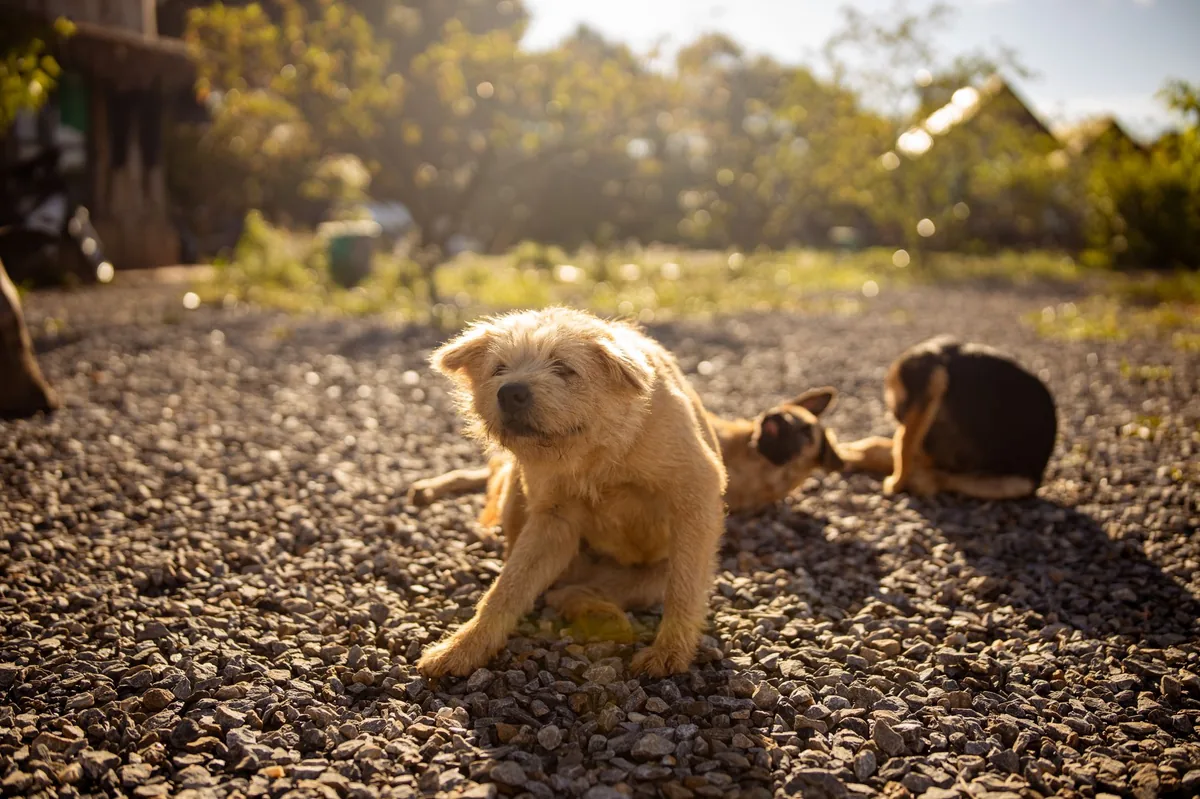
- Scratching, licking, or head‑shaking that seems excessive
- Odor that resembles bread dough or wet fur
When to call your vet
Call your vet today if you notice:
- Persistent itching or redness that lasts more than a few days
- Hair loss or thick crusts on any part of the body
- Odor that won’t fade after a bath
- Ear discharge that looks greasy or brown
Go to an emergency veterinary hospital right now if:
- The skin becomes extremely painful, hot, or swollen
- You see open sores, pus, or the dog is refusing to eat or drink
- There are signs of systemic illness—vomiting, lethargy, fever
These red‑flag signs can indicate a secondary bacterial infection or an underlying disease that needs urgent care. This article is for information only and does not replace professional veterinary advice.
How vets diagnose it
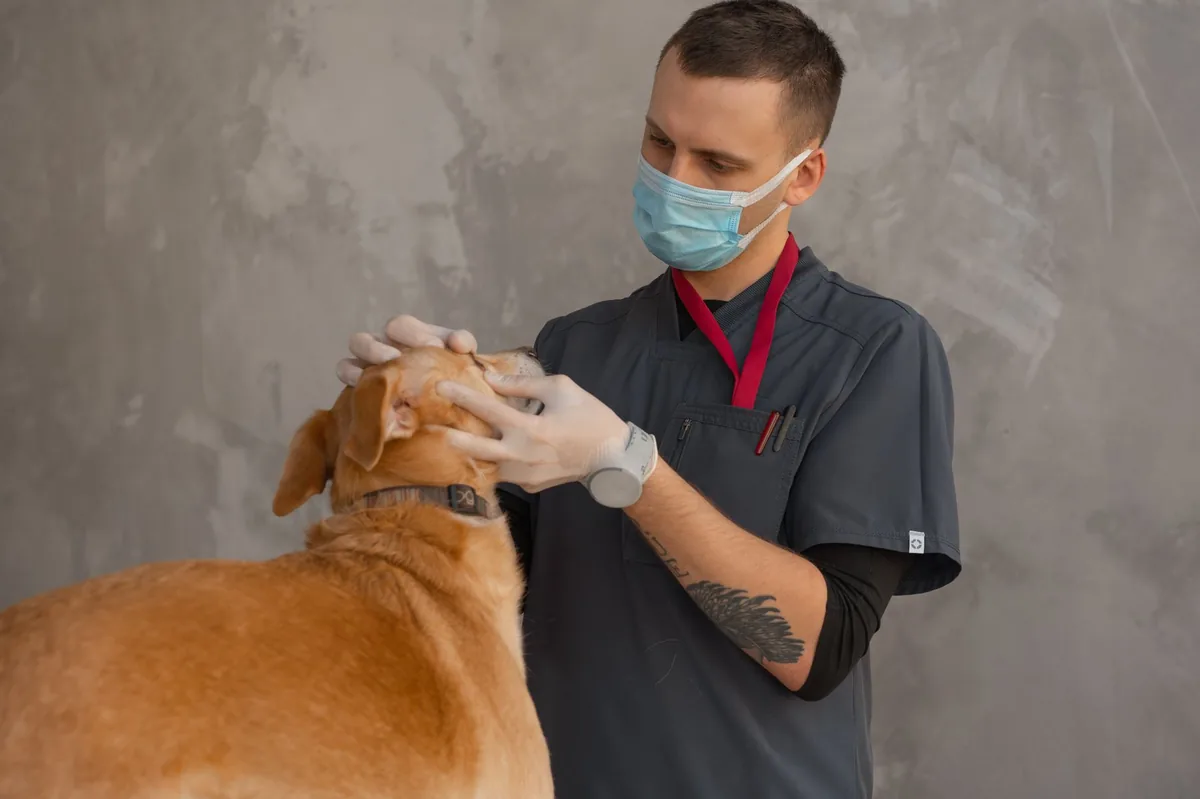
Diagnosis starts with a thorough history and physical exam. Your vet will ask about diet, recent allergies, grooming habits, and any hormonal concerns.
Key diagnostic tools include:
- Skin scrapings: A small blade gently removes a thin layer of skin. The sample is examined under a microscope for yeast cells, which appear as round or oval structures with budding.
- Cytology (wax‑roll or impression smear): A tape or slide picks up debris from the affected area. Under the microscope, clusters of Malassezia yeast are easy to spot.
- Culture: In rare ambiguous cases, a sample may be sent to a lab to grow the organism, confirming its identity and helping guide drug choice.
- Blood work: If an underlying endocrine disorder is suspected, a complete blood count (CBC) and chemistry panel can reveal thyroid or adrenal abnormalities.
These tests let the vet differentiate Malassezia from bacterial infections, mange, or allergic dermatitis, ensuring the right treatment plan.
Treatment options
Medical treatment
Antifungal therapy is the cornerstone. Depending on severity, treatment can be topical, systemic, or a combination.
- Topical shampoos: Medicated shampoos containing miconazole, ketoconazole, or chlorhexidine are rinsed off after a few minutes. They reduce yeast load on the surface and are often the first line for mild to moderate cases.
- Topical creams or sprays: Products with terbinafine or clotrimazole can be applied to localized patches.
- Oral antifungals: For extensive or recurrent infections, drugs such as itraconazole or fluconazole are prescribed. Your vet will dose based on your dog’s weight and liver health—ask your vet about this option.
- Anti‑inflammatory drugs: Short courses of NSAIDs (e.g., carprofen) may be used to control pain and itching, but only under veterinary supervision.
Most dogs see improvement within 2–4 weeks of consistent treatment. If the infection recurs, your vet will likely investigate deeper allergy or hormonal issues.
Supplements and supportive care
While supplements aren’t a cure, they can help restore skin health and keep yeast in check.
- Omega‑3 fatty acids (EPA/DHA): Found in fish oil, these reduce inflammation and improve coat condition.
- Probiotics: Strains like Enterococcus faecium support gut health, which can indirectly influence skin immunity.
- Biotin and zinc: These nutrients strengthen the skin barrier, especially in dogs with underlying allergies.
Discuss any supplement with your vet to avoid interactions with antifungal medications.
Procedures or surgery
Procedures are rarely needed for Malassezia alone. In severe, chronic cases where thick crusts (hyperkeratosis) form, a vet may gently debride the area under sedation to allow topical medication to penetrate. The recovery is quick—usually a few days of rest and continued antifungal therapy.
Diet and nutrition
Because Malassezia thrives on oils and excess sugars, feeding a balanced, low‑glycemic diet can help keep yeast populations in check. While no single “cure diet” exists, several nutritional strategies are supported by veterinary research and the AAHA guidelines.
Choose highly digestible protein sources. Dogs with allergies often have compromised skin barriers; a protein that’s easy to absorb reduces the immune load. Look for foods that list real meat (chicken, turkey, salmon) as the first ingredient and avoid excessive fillers like corn or wheat.
Limit dietary fats that feed yeast. While essential fatty acids are crucial, overly rich foods (especially those high in saturated fats) can create an oily skin surface that encourages yeast growth. Opt for moderate fat levels (around 12–15 % of the diet) and prioritize sources rich in omega‑3s.
Control carbohydrate quality. Simple sugars can ferment on the skin and feed Malassezia. Choose complex carbs such as sweet potatoes or peas, and avoid diets heavy on rice or barley if your dog shows sensitivity.
Consider prescription therapeutic diets. For dogs with recurring infections tied to allergies, veterinary‑formulated hypoallergenic or limited‑ingredient diets (often labeled “renal” or “dermatology” diets) can reduce skin inflammation. Brands vary by region; ask your vet for a recommendation that meets AAFCO standards.
Hydration matters. Adequate water intake supports skin health and helps flush excess nutrients that could feed yeast. Fresh water should always be available, and adding a small amount of low‑sodium broth can encourage drinking in picky eaters.
Feeding schedule and portion control. Over‑feeding leads to obesity, which is a risk factor for skin infections. Split meals into two or three smaller portions to maintain a stable weight and reduce skin folds where moisture can accumulate.
Below is a quick guide to help you plan meals while keeping Malassezia in mind.
| Do feed | Limit | Avoid |
|---|---|---|
| High‑quality protein (chicken, salmon, turkey) | Rich animal fats (butter, lard) | Heavy‑fat treats (cheese, bacon bits) |
| Omega‑3 rich fish oil | Excessive grain‑based carbs | High‑sugar snacks (fruit snacks, sweetened treats) |
| Complex carbs (sweet potato, pumpkin) | Frequent table scraps | Processed kibble with added yeast extracts |
In practice, many owners find success by switching to a limited‑ingredient, grain‑free formula that lists a single animal protein and includes added omega‑3s. Pair this with regular grooming (see Prevention) and you’ll give your dog’s skin the best chance to stay yeast‑free.
Cost and prognosis
Treatment costs vary by severity, geographic location, and whether additional diagnostics (e.g., blood work) are needed. Below are typical US and UK price ranges, based on recent AAHA and VCA data:
| Service | US (USD) | UK (GBP) |
|---|---|---|
| Initial exam + skin cytology | $80–$120 | £60–£90 |
| Medicated shampoo (3‑week supply) | $30–$50 | £25–£40 |
| Oral antifungal (e.g., itraconazole, 2‑week course) | $150–$300 | £120–£250 |
| Follow‑up visit | $50–$80 | £40–£70 |
| Underlying endocrine work‑up (if needed) | $200–$500 | £150–£350 |
Most dogs respond well to treatment, with an 80–90 % improvement rate within a month when the underlying cause is addressed. Recurrence is common if allergies or hormonal imbalances persist, but regular maintenance (diet, grooming, and occasional antifungal shampoos) can keep flare‑ups infrequent.
Prevention and home care
Keeping Malassezia at bay is largely about maintaining a healthy skin environment and managing any underlying issues.
- Regular grooming: Bathe your dog every 2–4 weeks with a gentle, antifungal‑compatible shampoo. Dry the ears and skin folds thoroughly after baths or after your dog gets wet.
- Ear hygiene: Use a veterinarian‑approved ear cleaner (e.g., a saline‑based solution) weekly. Avoid cotton swabs deep inside the canal; a soft cloth works best.
- Allergy management: If your vet identifies food or environmental allergies, follow the prescribed elimination diet or flea‑control plan. Consistency is key.
- Weight control: Keep body condition score in the ideal range (4‑5/9). Overweight dogs develop skin folds that trap moisture.
- Environmental moisture: Dry paws after walks, especially in humid climates. Use a towel or a low‑heat blow dryer on a cool setting.
- Routine check‑ups: Annual vet visits can catch early skin changes. For dogs with a history of Malassezia, schedule check‑ups every 6 months.
For owners who love DIY, a mild solution of diluted apple cider vinegar (1 part vinegar to 4 parts water) can be sprayed on clean skin to help restore pH balance—just be sure the skin isn’t raw or ulcerated before applying.
From our vet team: “If you notice a new oily sheen or a yeasty smell, don’t wait for the infection to spread. A quick visit for a skin scrape can confirm Malassezia, and most dogs feel better within a week of starting an appropriate shampoo. Remember, the infection is usually a symptom of something deeper—addressing allergies or hormonal issues is what keeps it from returning.”
Key takeaways
- Malassezia pachydermatis is a normal skin yeast that can overgrow when allergies, hormones, or excess moisture disturb the skin’s balance.
- Watch for greasy, itchy patches, hair loss, and a distinct “yeasty” odor—especially on the ears, neck, and paw folds.
- Prompt veterinary diagnosis (skin scrapings or cytology) distinguishes yeast from bacterial infections and guides treatment.
- Topical antifungal shampoos often clear mild cases; oral antifungals are reserved for extensive or recurrent infections.
- Supportive care—including omega‑3 supplements, proper diet, and diligent grooming—prevents future flare‑ups.
- Contact your vet today for persistent itch or odor, and seek emergency care if the skin becomes painful, hot, or ulcerated.
Myth vs. fact
Myth: Malassezia infections are caused by poor hygiene alone.
Fact: While excess moisture can worsen the condition, most infections stem from underlying allergies or endocrine disorders, not just lack of cleaning.
Myth: Over‑the‑counter human antifungal creams will cure a dog’s skin infection.
Fact: Human products often contain ingredients that are too harsh for canine skin and may not reach the deeper layers where yeast hides. Veterinary‑approved shampoos and medications are safest and most effective.
Myth: Once the yeast is cleared, the problem is solved forever.
Fact: Recurrence is common unless the root cause—usually an allergy or hormonal imbalance—is managed long‑term.
Frequently asked questions
Can Malassezia cause hair loss in dogs?
Yes. The yeast can irritate the skin, leading to scratching and secondary inflammation that results in localized hair thinning or bald patches.
Why does my dog’s skin smell oily and yeasty?
The characteristic “bread‑dough” odor comes from the metabolic by‑products of Malassezia as it proliferates on oily skin surfaces.
Do ear infections in dogs involve Malassezia?
Often. The warm, moist environment of the ear canal is ideal for yeast growth, and many chronic ear infections have a Malassezia component alongside bacteria.
Is Malassezia infection a sign of an underlying allergy?
In most cases, yes. The yeast overgrowth is usually secondary to skin barrier disruption caused by food allergies, atopic dermatitis, or flea allergy dermatitis.
Can I use over‑the‑counter shampoos for Malassezia in dogs?
Some OTC shampoos contain mild antifungal agents, but they may not be strong enough for moderate or severe infections. Your vet can recommend a prescription shampoo that’s proven effective.
When should I see a vet for suspected Malassezia dermatitis?
If itching, redness, or odor persists beyond a few days, or if you notice hair loss, crusting, or ear discharge, schedule a veterinary appointment promptly.
Ask the PuppaDogs community
Have a question this article didn’t fully answer? Want to compare notes with other dog owners who’ve been through this? Our community forum is moderated by experienced owners and vets — and answers tend to come fast. Ask in the PuppaDogs community →
References
- American College of Veterinary Dermatology (ACVD). “Malassezia dermatitis in dogs” – clinical guidelines, 2022.
- American Animal Hospital Association (AAHA). “Skin Health and Antimicrobial Use” – 2023 update.
- Merck Veterinary Manual. “Yeast Infections (Malassezia) – Dogs” – 2021 edition.
- American Veterinary Medical Association (AVMA). “Allergy‑related skin disease in dogs” – 2022.
- World Small Animal Veterinary Association (WSAVA). “Nutritional Management of Dermatologic Conditions” – 2021.
- Cornell University College of Veterinary Medicine. “Fungal skin infections” – client handout, 2023.
- Veterinary Dermatology Textbook, 5th Edition. “Malassezia spp. – Pathogenesis and treatment” – 2020.
- AAFA (American Academy of Feline Medicine) – cross‑reference for yeast infections in pets, 2022.


