












Quick take: Aspergillosis is a fungal infection that most often affects a dog’s nose or sinuses. Early signs include sneezing, nasal discharge, and facial swelling. Prompt veterinary work‑up, antifungal medication, and sometimes surgery give many dogs a good chance at recovery, though treatment can be costly and may require months of care.
It’s 11 p.m., and your 7‑year‑old mixed‑breed Labrador is lying on the couch, eyes half‑closed, and you notice a thin, brownish discharge dripping from his right nostril. He isn’t his usual self—he’s sniffing less, sneezing more, and you catch a faint whiff of mold that you never smelled before. Your heart races as you type “dog nasal discharge” into the search bar, and the first result mentions a fungal infection called aspergillosis.
That moment of worry is exactly why we wrote this guide. We’ll walk you through what aspergillosis is, why some dogs are more at risk, what to look for, how vets confirm the diagnosis, and what treatment paths look like—including costs and home‑care tips. By the end, you’ll know the next steps to take and feel more confident in managing this condition.
Read on for a clear, step‑by‑step rundown that balances medical detail with practical advice you can apply tonight.
What is fungal infection (aspergillosis) in dogs?
Aspergillosis is an infection caused by the mold Aspergillus—most often the species A. fumigatus. The spores are everywhere in the environment: soil, decaying plant material, and even indoor dust. In most dogs the immune system clears these spores without a problem. When the fungus settles in the nasal passages, sinuses, or, less commonly, the lungs or brain, it can grow into a colony that irritates tissue and triggers inflammation.
While any breed can develop aspergillosis, the condition is considered uncommon overall, representing roughly 1–2 % of all canine nasal disease cases according to the American College of Veterinary Internal Medicine (ACVIM). Because it mimics more common problems like bacterial sinusitis or allergic rhinitis, a definitive diagnosis usually requires a few specific tests.
What causes it?
Aspergillosis results from inhalation of fungal spores that then find a niche to grow. Several factors increase a dog’s susceptibility:
| Risk factor | Why it matters |
|---|---|
| Age | Older dogs (6 years +) have weaker immune responses, making fungal colonization easier. |
| Breed predisposition | German Shepherds, Labrador Retrievers, and Boxers show higher rates, possibly due to breed‑related sinus anatomy. |
| Environmental exposure | Living in dusty barns, hay lofts, or areas with high mold spore counts raises risk. |
| Immune compromise | Dogs on long‑term steroids, chemotherapy, or with chronic disease (e.g., diabetes) are more vulnerable. |
It’s important to note that most dogs with heavy environmental exposure never develop disease; genetics and individual immunity play big roles.
Signs and symptoms
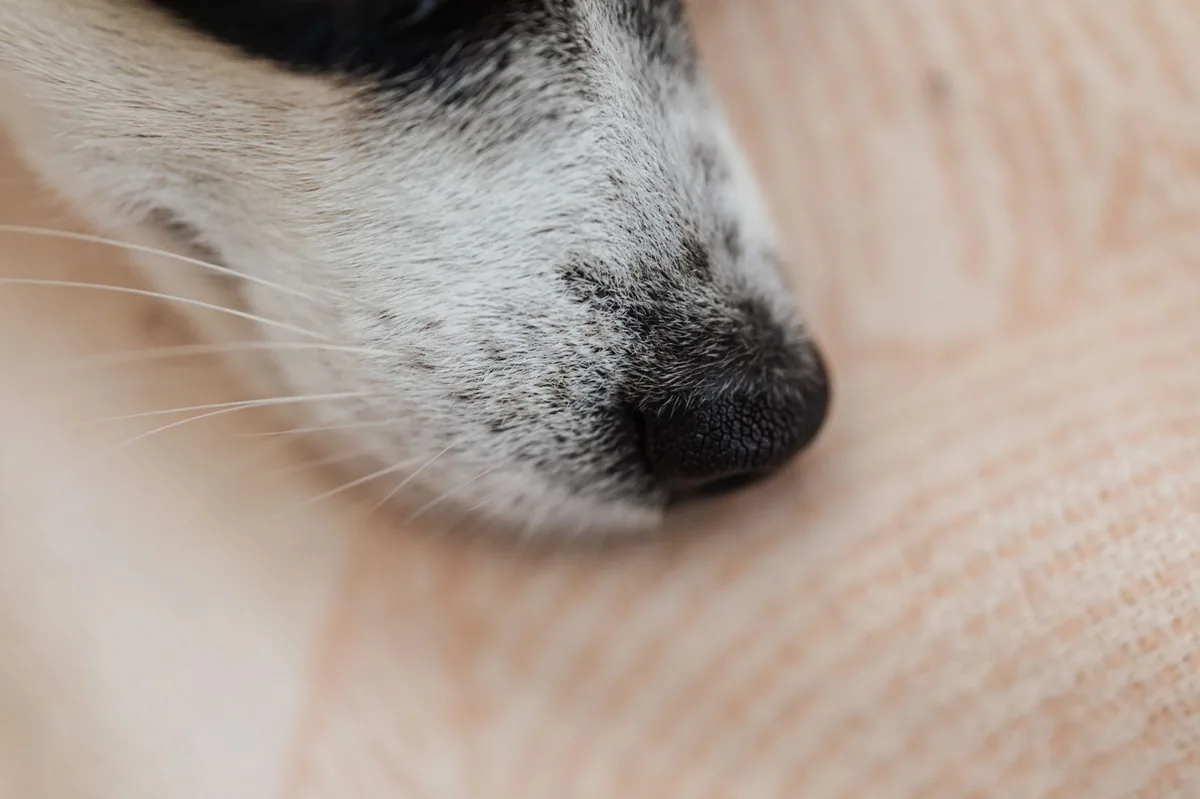
Because aspergillosis primarily affects the upper respiratory tract, the first clues are often subtle and can be mistaken for a simple cold.
| Severity | Typical signs |
|---|---|
| Mild | Occasional sneezing, thin clear to brown nasal discharge, slight facial twitching. |
| Moderate | Frequent sneezing, thick yellow‑green discharge, unilateral facial swelling, reduced appetite. |
| Severe | Persistent unilateral or bilateral discharge, marked facial deformity, epistaxis (nosebleeds), weight loss, lethargy, and possible orbital involvement causing eye discharge or vision loss. |
Other red‑flag signs include persistent nosebleeds, facial pain (the dog may whine when you touch the area), and any sudden change in behavior such as reluctance to play or go for walks. These symptoms differ from simple allergic rhinitis, which usually presents with clear discharge and no facial swelling.
When to call your vet
Call your vet today if you notice any of the following:
- Persistent sneezing (more than a few days) combined with nasal discharge.
- Unilateral facial swelling or a firm lump near the nose.
- Reduced appetite or mild lethargy lasting over 48 hours.
Go to an emergency clinic right now if you see any of these urgent signs:
- Frequent nosebleeds or bright red discharge.
- Severe facial pain that makes the dog whine or snap when touched.
- Sudden collapse, difficulty breathing, or signs of neurological involvement (e.g., circling, head tilt).
These guidelines are informational only; they do not replace a hands‑on veterinary exam.
How vets diagnose it
Diagnosing aspergillosis is a stepwise process that combines history, physical exam, and targeted diagnostics.
- Physical exam: The vet will palpate the face and nasal passages, looking for swelling, discharge, or a firm mass.
- Imaging: Radiographs (X‑rays) can reveal a “fungus ball” in the nasal cavity, while a CT scan provides a detailed view of sinus involvement and any bone erosion.
- Endoscopic examination: A flexible scope lets the vet directly visualize the nasal cavity and collect samples.
- Fungal culture and cytology: Tissue or discharge samples are sent to a lab. Growing Aspergillus spores or seeing characteristic hyphae under a microscope confirms the infection.
- Blood work: CBC and chemistry panels rule out secondary infections and assess organ function before starting antifungal drugs.
Because some other fungal diseases (like blastomycosis) can look similar on imaging, culture and cytology are essential for a definitive diagnosis, as recommended by the AAHA and ACVIM guidelines.
Treatment options
Medical treatment
Antifungal medication is the cornerstone of therapy. The most common drugs include:
- Itraconazole – a triazole antifungal that concentrates in nasal tissue. Your vet will dose based on your dog’s weight and disease severity; ask your vet about this option.
- Voriconazole – another triazole often used when itraconazole isn’t effective or when the infection is extensive. It penetrates the central nervous system well, which is useful for invasive cases.
- Posaconazole – a newer agent reserved for refractory cases.
- Fluconazole – less potent for Aspergillus but occasionally used in combination therapy.
Therapy typically lasts 3–6 months, with regular blood work to monitor liver enzymes and drug levels. Your vet may also prescribe a short course of broad‑spectrum antibiotics if a secondary bacterial infection is suspected.
Supplements and supportive care
While supplements cannot replace antifungal drugs, they can help your dog stay comfortable during treatment:
- Omega‑3 fatty acids (EPA/DHA): Reduce inflammation and support skin health. Look for a fish‑oil supplement formulated for dogs.
- Probiotics: Maintain gut flora, especially if your dog is on long‑term antibiotics. A product containing Enterococcus faecium is veterinary‑approved.
- Vitamin C: May aid immune function, but discuss dosing with your vet.
These adjuncts are optional and should be introduced after consulting your vet.
Procedures or surgery
When a fungal ball (mycetoma) forms a hard mass or causes significant bone destruction, surgical removal becomes necessary. The most common approach is a frontal sinus trephination or a rhinotomy performed by an experienced veterinary surgeon.
During surgery the affected sinus is opened, the fungal debris is cleared, and the cavity is flushed with sterile saline. Post‑operative care includes pain management, a short course of antibiotics, and continued antifungal medication for several weeks.
Recovery from sinus surgery usually takes 2–4 weeks for wound healing, but the full resolution of clinical signs can extend to 3–6 months as the antifungal regimen continues.
Diet and nutrition
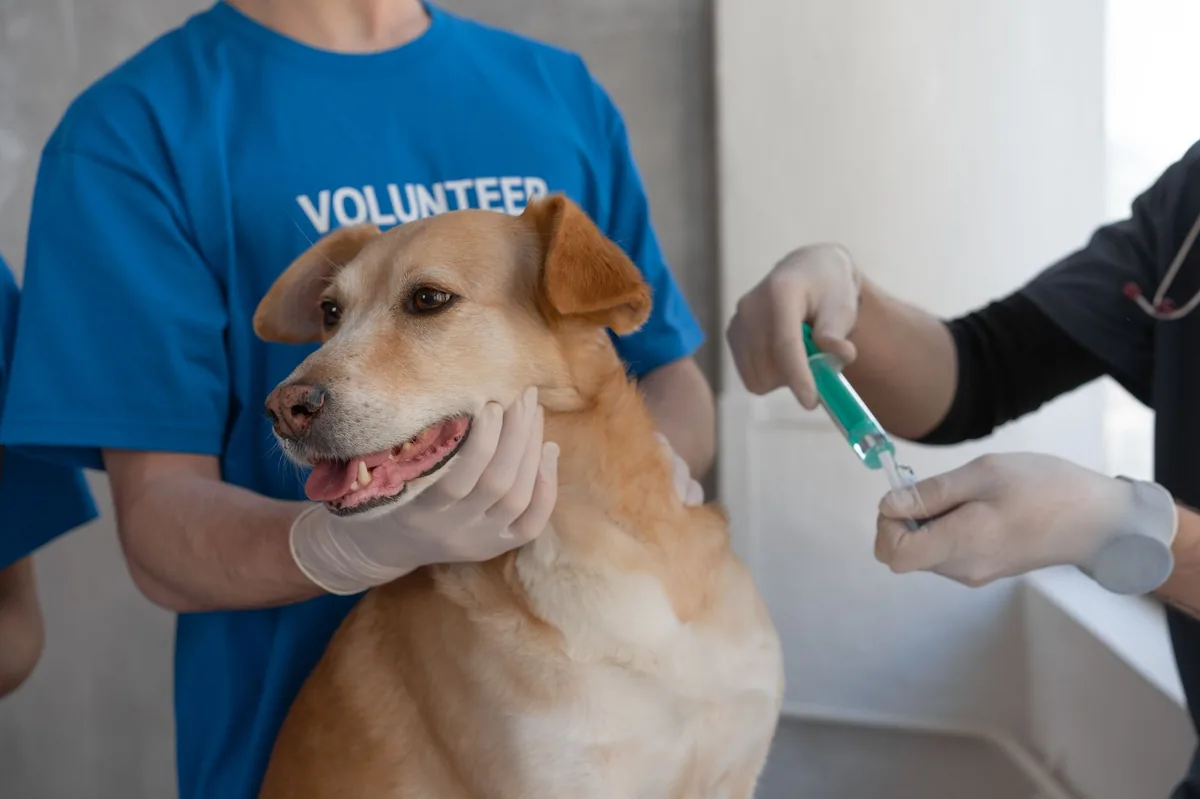
Antifungal drugs can be hard on the liver, and the infection itself may reduce appetite. Feeding a balanced, highly digestible diet supports recovery and minimizes additional strain on the liver.
Here are practical feeding guidelines for dogs undergoing aspergillosis treatment:
| Category | Recommendations |
|---|---|
| Do feed | High‑quality dry or wet food with at least 20 % digestible protein, moderate fat (10‑12 %), and added omega‑3 fatty acids. Examples: veterinary‑approved senior or “light” formulas. |
| Limit | Very high‑fat treats, raw bones, and foods high in phosphorus, which can stress kidneys if the infection spreads. |
| Avoid | Any food containing onion, garlic, or excessive salt, as these compounds can compound liver stress. |
If your dog is a picky eater, warm the food slightly or mix in a spoonful of low‑sodium chicken broth to improve aroma. Small, frequent meals (3‑4 times daily) are easier on the gastrointestinal tract than one large meal.
Prescription therapeutic diets such as “renal‑support” formulas are not routinely required for aspergillosis unless the infection has affected kidney function. However, a diet formulated for dogs with liver disease (e.g., reduced copper, added antioxidants) can be useful if liver enzyme elevations appear on blood work.
Transition to a new diet gradually over 5‑7 days to avoid gastrointestinal upset. Start with 75 % old food mixed with 25 % new, then shift the ratio every couple of days.
Hydration is equally important. Fresh water should be available at all times, and adding a splash of water or low‑sodium broth to dry kibble can encourage intake.
For more detailed feeding plans, check our Dog Questions Answered guide or ask the community for personalized tips.
Cost and prognosis
Financial considerations often shape treatment decisions. Below are typical cost ranges in the United States and the United Kingdom (prices are estimates and can vary by clinic, region, and severity).
| Service | US (USD) | UK (GBP) |
|---|---|---|
| Initial exam & labs (CBC, chemistry) | $150–$250 | £80–£130 |
| Imaging (CT scan) | $800–$1,200 | £400–£650 |
| Endoscopic sampling & culture | $300–$500 | £150–£250 |
| Antifungal medication (3‑month course) | $400–$1,200 | £250–£700 |
| Surgical sinus removal (if needed) | $2,500–$4,500 | £1,200–£2,200 |
| Follow‑up visits (3‑4 total) | $200–$400 | £100–£200 |
Overall, total treatment can range from $2,000 to $7,000 in the U.S., depending on whether surgery is required and the length of antifungal therapy. Many pet insurance plans cover a portion of the medication and diagnostic costs, but coverage for exotic fungal infections varies. Review your policy details and discuss pre‑authorization with your insurer before starting treatment.
Prognosis is generally good when the disease is caught early and treated aggressively. According to the Merck Veterinary Manual, about 70–80 % of dogs respond well to medical therapy alone, while surgical removal improves outcomes for the remaining cases. Even with a challenging infection, most dogs regain normal appetite and activity levels within 3–6 months.
Prevention and home care
Because aspergillosis stems from environmental spores, reducing exposure is the most effective preventive measure.
- Keep living areas dry and well‑ventilated: Use dehumidifiers in damp basements or barns where mold thrives.
- Limit time in high‑risk environments: Avoid prolonged stays in hay lofts, compost piles, or dusty construction zones.
- Regular cleaning: Vacuum with HEPA filters and wash dog bedding weekly to lower spore load.
- Routine veterinary check‑ups: Annual exams with a full nasal exam help catch early changes before they become severe.
- Monitor for early signs: Keep a short log of sneezing or discharge; a pattern of 3+ sneezes per day over a week warrants a vet call.
If your dog is on long‑term steroids or has a chronic illness, discuss prophylactic antifungal strategies with your vet. While there is no vaccine for aspergillosis, staying on top of vaccination schedules (e.g., canine distemper, parvovirus) keeps the immune system robust.
From our vet team: “Most owners worry that a fungal infection is a death sentence. In reality, early detection, consistent antifungal therapy, and supportive care give dogs a strong chance of returning to their normal lives. Don’t hesitate to ask your vet about the exact duration of medication and the signs that indicate it’s working.”
Key takeaways
- Aspergillosis usually starts with sneezing and unilateral nasal discharge; facial swelling is a red flag.
- Diagnosis relies on imaging, endoscopic sampling, and fungal culture—early work‑up improves outcomes.
- Antifungal drugs (itraconazole, voriconazole) for 3–6 months are the mainstay; surgery is reserved for fungal balls or bone erosion.
- Expect treatment costs of $2,000–$7,000 in the U.S., with many insurers covering part of the expense.
- Keep your home dry, limit exposure to dusty environments, and monitor any nasal changes closely.
- Nutrition matters—provide a high‑quality, digestible diet with added omega‑3s and ensure plenty of fresh water.
Myth vs. fact
Myth: Aspergillosis only affects dogs that live outdoors.
Fact: While outdoor exposure increases risk, indoor dogs can develop the infection if they encounter high spore loads inside the home or via contaminated bedding.
Myth: A single dose of over‑the‑counter antifungal will cure the infection.
Fact: Effective treatment requires a prescribed, weight‑based antifungal regimen for months, plus monitoring of liver function.
Myth: Surgery is always required to fix aspergillosis.
Fact: Most cases respond to medication alone; surgery is only needed when a fungal ball causes obstruction or bone damage.
Frequently asked questions
What does canine aspergillosis look like?
It typically presents as unilateral sneezing, thick nasal discharge (often brownish), and facial swelling on the affected side. In advanced cases, nosebleeds and eye discharge may appear.
How do vets confirm a diagnosis of aspergillosis in a dog?
Veterinarians combine CT imaging, nasal endoscopy, and fungal culture of nasal tissue. The presence of Aspergillus spores on microscopy or growth in culture confirms the infection.
What medications are used to treat aspergillosis in dogs?
First‑line drugs include itraconazole and voriconazole, given orally for several months. In refractory cases, posaconazole or a combination of antifungals may be used, always under veterinary supervision.
Is surgery ever needed for a dog with aspergillosis?
Surgery is indicated when a fungal ball creates a solid mass, causes bone erosion, or does not respond to medication. Procedures like frontal sinus trephination or rhinotomy remove the infected tissue and improve drug penetration.
How much should I expect to pay for aspergillosis treatment?
Overall costs range from $2,000 to $7,000 in the United States, including diagnostics, medication, possible surgery, and follow‑up visits. Insurance coverage varies, so check your policy early.
Can my dog fully recover from aspergillosis?
Yes—about 70–80 % of dogs achieve full clinical remission with appropriate antifungal therapy and, when needed, surgery. Recovery may take several months, and ongoing monitoring is essential.
Ask the PuppaDogs community
Have a question this article didn’t fully answer? Want to compare notes with other dog owners who’ve been through this? Our community forum is moderated by experienced owners and vets — and answers tend to come fast. Ask in the PuppaDogs community →
References
- American College of Veterinary Internal Medicine (ACVIM). Canine Upper Respiratory Tract Infections Guidelines, 2022.
- American Animal Hospital Association (AAHA). Veterinary Diagnostic Imaging Recommendations, 2023.
- Merck Veterinary Manual. Aspergillosis in Dogs, 2021 edition.
- Plumb’s Veterinary Drug Handbook. Antifungal Drug Dosing Tables, 9th edition, 2020.
- World Small Animal Veterinary Association (WSAVA). Fungal Disease Management, 2022.
- Cornell University College of Veterinary Medicine. Fungal Infections in Companion Animals, client education handout, 2023.
- American Veterinary Medical Association (AVMA). Pet Insurance and Exotic Infections Overview, 2022.
- UK Kennel Club. Breed Predisposition to Respiratory Infections, 2021.


