





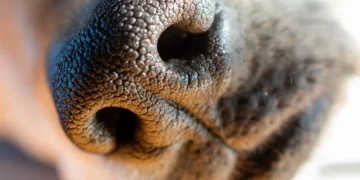










Quick take: Frostbite in dogs occurs when skin and underlying tissues freeze, usually on exposed parts like ears, paws, tail, or nose. Mild cases can be warmed at home, but severe frostbite needs prompt veterinary care to prevent permanent damage. Watch for pale, cold skin, swelling, or blisters, and act quickly to re‑warm and protect your pup.
It’s 7 p.m., the snow has finally stopped, and you notice your Jack Russell Terrier’s ears are curled up and look a little gray‑ish. The chill in the air makes you shiver, and a quick Google search later you’re staring at the words “frostbite in dogs” and wondering if you’ve already caused lasting harm. You’re not alone—many owners first spot frostbite when a beloved dog’s paws or ears look unusually cold, swollen, or discolored after a winter walk.
First, take a breath. Frostbite is a treatable cold‑injury, but the seriousness depends on how quickly you act and how deep the tissue damage runs. In this guide we’ll explain what frostbite is, why it happens, the signs to look for, how to give first aid, what your vet will do, the likely costs, and how to keep your dog safe when the temperature drops.
By the end you’ll know exactly how to recognize early frostbite, when home care is enough, when a vet visit is urgent, and how to protect your pup for the rest of the season.
What is frostbite in dogs?
Frostbite is a type of cold injury where skin and the tissues beneath it freeze. The freezing creates ice crystals that damage cells, blood vessels, and nerves. In dogs, the most common sites are the ears, paws, tail, and nose—areas with less fur and poorer blood flow. The condition ranges from superficial (affecting only the outer skin) to deep (involving muscles, tendons, and bone).
According to the Merck Veterinary Manual, frostbite is less common than general hypothermia but still seen in colder climates, especially after prolonged outdoor exposure. While any dog can be affected, breeds with thin coats, short ears, or low body fat—such as Greyhounds, Chihuahuas, and some terriers—are at higher risk.
What causes frostbite?
Frostbite results from a combination of low temperature, wind chill, moisture, and exposure time. The following factors increase the likelihood:
| Factor | Typical Threshold | Why it matters |
|---|---|---|
| Air temperature | Below 0 °C (32 °F) | Cold air removes heat from skin faster than the body can replace it. |
| Wind chill | Effective temp ≤ ‑10 °C (14 °F) | Moving air accelerates heat loss, especially on exposed ears and paws. |
| Moisture | Wet fur or paws | Water conducts heat away from the body, increasing freezing risk. |
| Duration | 30 minutes + in severe cold | Longer exposure gives ice crystals more time to form and damage cells. |
| Breed & size | Thin‑coated, small‑bodied, or hairless breeds | Less insulation and poorer peripheral circulation. |
Other contributors include high altitude (lower ambient pressure), underlying health issues that impair circulation (like heart disease), and previous injuries that already compromised blood flow to a limb.
Signs and symptoms
Frostbite can develop quickly—sometimes within minutes—so early detection is key. Look for the following changes, which often start subtle and progress if the dog remains in the cold:
| Stage | Typical Signs |
|---|---|
| Mild (superficial) | Pale or gray skin, cold to touch, slight swelling, tingling or “pins‑and‑needles” sensation (hard to gauge in dogs). |
| Moderate | Skin becomes waxy, blisters form, the area may turn red‑purple, and the dog may lick or chew the spot. |
| Severe (deep) | Blackened tissue, loss of sensation, foul odor, and the dog may limp or refuse to use the affected paw. |
Typical locations:
- Ears: Curling, loss of hair, gray‑white discoloration.
- Paws: Pads turn pale, may develop blisters or ulcerations.
- Tail: The tip may look shriveled, cold, and change color.
- Nose: The bridge can become puckered and turn dark.
Any sudden change in gait, refusal to walk, or excessive licking of a specific area should raise suspicion, especially after a cold outing.
When to call your vet
Call your vet today if:
- Skin is pale, cold, or swollen but still feels soft.
- Blisters or small areas of blackening appear.
- Your dog is limping, whining, or refusing to walk.
- There’s any sign of infection (pus, foul smell).
Go to an emergency veterinary hospital right now if:
- Large areas of the ear, paw, tail, or nose are black, hard, or dead‑looking.
- Your dog shows signs of severe pain, uncontrolled shivering, or signs of systemic illness (vomiting, lethargy).
- You notice loss of sensation in a limb or the dog cannot bear weight.
These guidelines are for information only. If you’re ever unsure, err on the side of caution and contact a professional.
How vets diagnose frostbite
Veterinary assessment begins with a thorough history: when and where the dog was exposed, weather conditions, and any pre‑existing health problems. The physical exam focuses on the affected areas, checking temperature, color, texture, and sensation.
Diagnostic tools may include:
- Thermography: Infrared imaging to map temperature differences across the skin.
- Blood work: To rule out secondary infection or systemic effects (e.g., elevated white blood cell count).
- X‑rays or ultrasound: In severe cases to evaluate underlying bone or soft‑tissue damage.
- Skin biopsies: Rarely, if necrosis (tissue death) is uncertain.
The AAHA notes that most frostbite diagnoses are made clinically, but imaging helps plan surgery if tissue loss is extensive.
Treatment options
Medical treatment
Re‑warming is the cornerstone of care. Vets typically soak the affected area in warm (not hot) water—around 40 °C (104 °F)—for 20–30 minutes, monitoring for pain and tissue response. After re‑warming, the following medications may be prescribed:
- Non‑steroidal anti‑inflammatory drugs (NSAIDs) such as carprofen or meloxicam to reduce pain and inflammation.
- Antibiotics (e.g., amoxicillin‑clavulanate) if there’s a risk of bacterial infection.
- Analgesics like gabapentin for neuropathic pain, especially in deeper frostbite.
- Topical agents such as silver sulfadiazine cream to support wound healing.
All medication choices should be discussed with your vet—ask your vet about these options to understand benefits and potential side effects.
Supplements and supportive care
While supplements can’t reverse frozen tissue, they may aid recovery:
- Omega‑3 fatty acids (EPA/DHA): Anti‑inflammatory properties that support skin healing.
- Vitamin C and E: Antioxidants that may help protect cells during re‑warming.
- Probiotics: If antibiotics are used, probiotics can maintain gut health.
Introduce any supplement only after consulting your vet, as dosage depends on size and overall health.
Procedures or surgery
Severe frostbite can lead to tissue necrosis that requires surgical debridement (removal of dead tissue) or even amputation of a paw or tail segment. These procedures are performed under general anesthesia, followed by pain management and wound care.
Recovery from surgery typically involves 2–3 weeks of restricted activity, frequent bandage changes, and possible physical therapy to regain mobility. The American College of Veterinary Surgeons estimates surgical costs range from $1,200 to $3,500 in the U.S., depending on the extent of the operation and geographic location.
Diet and nutrition
Nutrition plays a subtle but important role in recovery from frostbite. Healing frozen tissue requires adequate protein, essential fatty acids, and micronutrients that support skin integrity and immune function. While no specific “frostbite diet” exists, the following guidelines align with the AAHA’s recommendations for wound healing and can help your dog bounce back faster.
What to feed
- High‑quality, highly digestible protein: Sources such as chicken, turkey, or fish provide the amino acids needed for tissue repair. Look for a guaranteed analysis of at least 22 % protein for adult dogs.
- Omega‑3 fatty acids: Salmon oil or fish‑oil‑enhanced kibble contributes EPA/DHA, which reduces inflammation and promotes healthy skin.
- Complex carbohydrates: Sweet potato or pumpkin provide steady energy without spikes that could stress the gastrointestinal tract.
- Vitamins C and E: Commercial diets formulated for skin health often include these antioxidants; they help mitigate oxidative stress from re‑warming.
What to limit or avoid
| Do feed | Limit / Avoid |
|---|---|
| Fresh, lean meats | High‑fat treats (excessive bacon, cheese) |
| Omega‑3 enriched foods | Excessive sodium (canned foods with high salt) |
| Balanced commercial diet meeting AAFCO standards | Raw bones that could splinter, especially if the dog’s mouth is already sensitive from frostbite on the nose. |
Feeding schedule and transition tips
During the acute recovery phase (first 48–72 hours), offer smaller, more frequent meals to avoid overloading the digestive system. Warm the food slightly (room temperature) to make it more appealing if the dog’s nose is sore. If you’re switching to a prescription or therapeutic diet—often recommended for dogs with extensive skin loss—introduce the new food gradually over 5–7 days, mixing increasing amounts with the current diet to prevent gastrointestinal upset.
Hydration is equally vital. Cold weather can reduce a dog’s water intake, yet fluids help deliver nutrients to peripheral tissues. Provide fresh, lukewarm water in a bowl that’s easy to access, and consider adding a splash of low‑sodium broth for flavor if your vet approves.
For senior dogs or those with pre‑existing kidney or heart disease, consult your vet before making major changes. The World Small Animal Veterinary Association advises monitoring body condition score (BCS) weekly during recovery to ensure the dog maintains a healthy weight.
Cost and prognosis
Veterinary expenses for frostbite vary widely based on severity, needed diagnostics, and whether surgery is required. Below is a typical cost outline (USD & GBP) for the United States and United Kingdom:
| Service | US Estimate | UK Estimate |
|---|---|---|
| Initial exam & re‑warming | $150–$250 | £80–£130 |
| Blood work & imaging | $200–$400 | £100–£200 |
| Medications (NSAIDs, antibiotics, dressings) | $50–$150 | £30–£90 |
| Surgical debridement / amputation | $1,200–$3,500 | £900–£2,500 |
| Follow‑up visits & physical therapy | $100–$300 per visit | £70–£150 per visit |
Overall, mild frostbite that heals with home care may cost under $200, while severe cases requiring surgery can exceed $3,000. Insurance policies that cover “injury” or “surgical” claims often offset a portion of these expenses; check your provider’s limits.
Prognosis depends on depth of injury. Superficial frostbite usually resolves without lasting problems, though the skin may remain slightly discolored. Deep frostbite can lead to permanent loss of tissue, chronic pain, or loss of a limb or tail segment. Early detection and prompt re‑warming dramatically improve outcomes—studies cited by the Veterinary Clinics of North America show a 70 % reduction in permanent damage when treatment begins within the first 4 hours.
Prevention and home care
Keeping your dog safe in winter is mostly about managing exposure and providing protection:
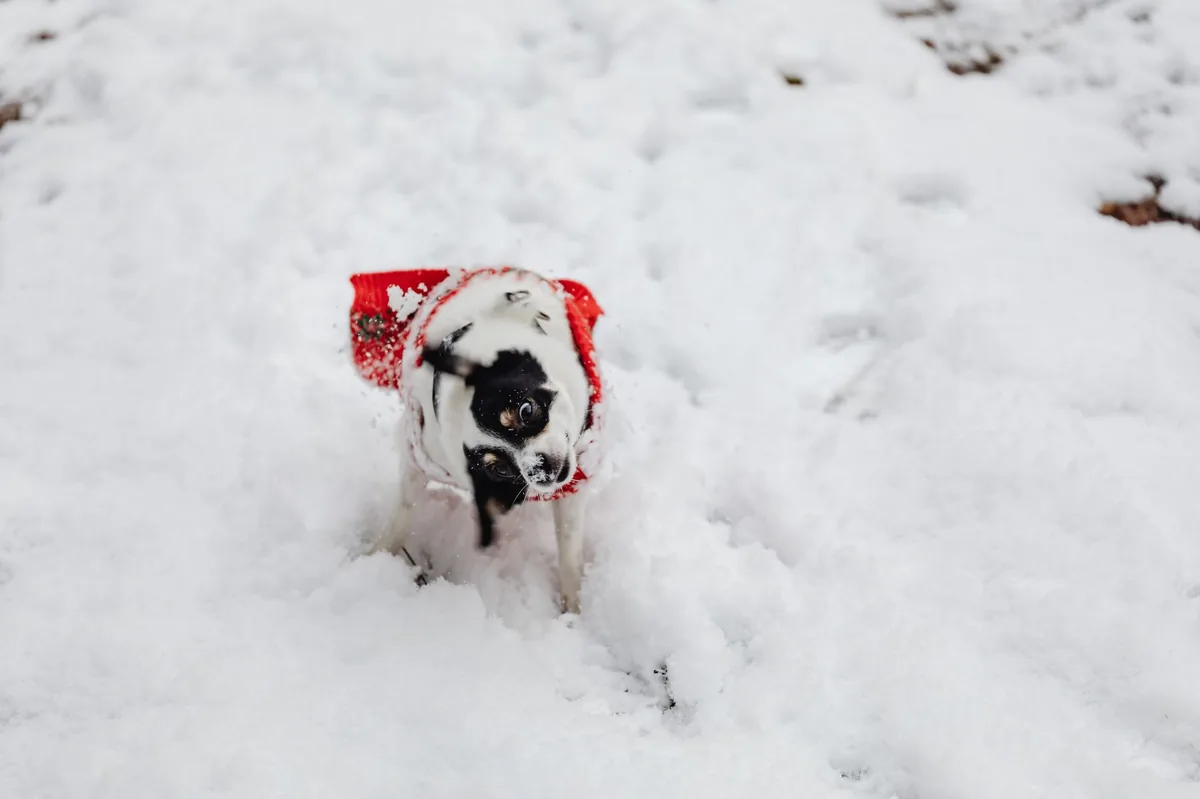
- Dress appropriately: Use a well‑fitted winter coat or sweater for breeds with thin coats, especially covering ears and paws. Look for reflective trims for visibility.
- Limit time outdoors: In sub‑zero temperatures, keep walks short (5–10 minutes) and monitor for shivering or slowed movement.
- Use paw protectors: Booties or waxed paw balms create a barrier against snow, ice, and salt.
- Warm up after exposure: Dry your dog thoroughly, especially the paws and ears, and bring them into a warm indoor environment (around 20 °C/68 °F) before offering food.
- Indoor heating: Ensure your home’s temperature stays above 15 °C (59 °F) for senior or small dogs. Use a pet‑safe space heater if needed.
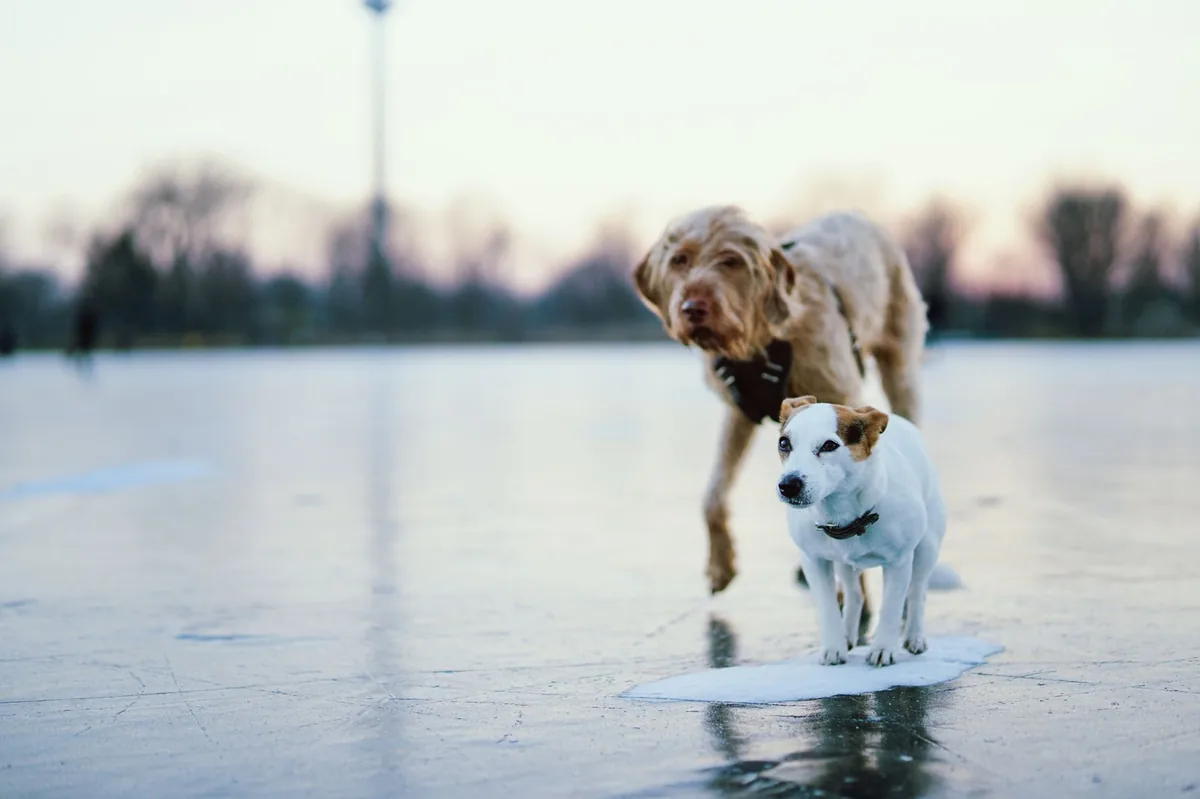
- Check the environment: Avoid areas with wind tunnels (between buildings) and be cautious of icy surfaces that can trap moisture against the paws.
- Regular grooming: Trim hair around ears and paws to reduce insulation that can trap cold air.
For owners seeking specific gear, our Dog Questions Answered guide includes a comparison of the best winter coats for frostbite‑prone dogs.
Vet’s note
From our vet team: “We see frostbite most often after a sudden snowstorm when owners think a quick walk won’t hurt their dog. The key is to inspect the ears, paws, and tail as soon as you get inside. If the skin feels cold but the dog is otherwise normal, a gentle warm water soak at home can prevent deeper injury. However, if any area looks black or the dog is in pain, bring them in right away—early veterinary intervention can save tissue and reduce the need for surgery.”
Key takeaways
- Frostbite freezes skin and underlying tissue, most often on ears, paws, tail, or nose.
- Cold, wind, moisture, and prolonged exposure are the main risk factors; thin‑coated breeds are especially vulnerable.
- Early signs include pale, cold, swollen skin; treat mild cases with gentle warm water re‑warming at home.
- Severe discoloration, blackened tissue, or inability to walk warrants immediate veterinary care.
- Recovery needs proper nutrition, omega‑3 supplements, and possibly antibiotics; surgery may be required for deep tissue loss.
- Prevent frostbite by using winter coats, paw protectors, limiting outdoor time, and warming your dog promptly after exposure.
Myth vs. fact
Myth: A hair dryer can safely warm a frozen paw.
Fact: Rapid heating with a hair dryer can cause “thermal shock,” worsening tissue damage. Vets recommend gradual re‑warming in warm (not hot) water or using a heating pad set to low.
Myth: Frostbite always leads to permanent loss of the affected part.
Fact: Most mild to moderate frostbite heals fully with proper care; permanent damage only occurs when tissue necrosis is extensive.
Myth: Only dogs that love the snow get frostbite.
Fact: Any dog can develop frostbite if exposed to low temperatures, especially if they have thin fur, short ears, or compromised circulation.
Frequently asked questions
What does frostbite look like on a dog’s paws?
Early frostbite makes the pads look pale or gray and feel cold; as it progresses, the skin may become waxy, develop blisters, or turn black and hard.
How quickly can frostbite develop in a dog?
In severe cold with wind chill below ‑10 °C (14 °F), frostbite can begin within 10–20 minutes of exposure, especially on unprotected ears or paws.
Should I warm a frozen dog paw with a hair dryer?
No. A hair dryer heats too rapidly and can cause additional tissue injury. Use warm (not hot) water at 40 °C (104 °F) for 20–30 minutes, or apply a low‑heat heating pad.
When should I take my dog to the vet for frostbite?
Seek veterinary care immediately if any area looks black, feels hard, or your dog is in severe pain, limping, or showing signs of infection.
Can frostbite be reversed if caught early?
Yes. Early, gentle re‑warming often restores normal blood flow and prevents permanent damage. The sooner you act, the better the outcome.
What long‑term effects can frostbite have on a dog?
Potential long‑term issues include permanent hair loss, scar tissue, reduced sensation, chronic pain, or loss of a limb or tail segment if deep tissue was destroyed.
Ask the PuppaDogs community
Have a question this article didn’t fully answer? Want to compare notes with other dog owners who’ve been through this? Our community forum is moderated by experienced owners and vets — and answers tend to come fast. Ask in the PuppaDogs community →
References
- Merck Veterinary Manual, “Frostbite in Dogs” chapter.
- American Animal Hospital Association (AAHA) Guidelines for Cold‑Weather Care, 2023.
- American College of Veterinary Surgeons (ACVS) Surgical Cost Survey, 2022.
- Veterinary Clinics of North America: Small Animal Practice, “Management of Cold Injuries” 2021.
- World Small Animal Veterinary Association (WSAVA) Nutrition Guidelines, 2022.
- American Veterinary Medical Association (AVMA) “Cold Stress in Companion Animals” fact sheet.
- University of California, Davis School of Veterinary Medicine, “Winter Safety for Dogs” client handout.


