















Quick take: Fatty tissue inflammation in dogs is a painful swelling of the body’s fat deposits, often linked to obesity, injury, or metabolic disease. It can mimic arthritis, but with proper diagnosis and treatment most dogs recover fully. Prompt veterinary care and weight management are key.
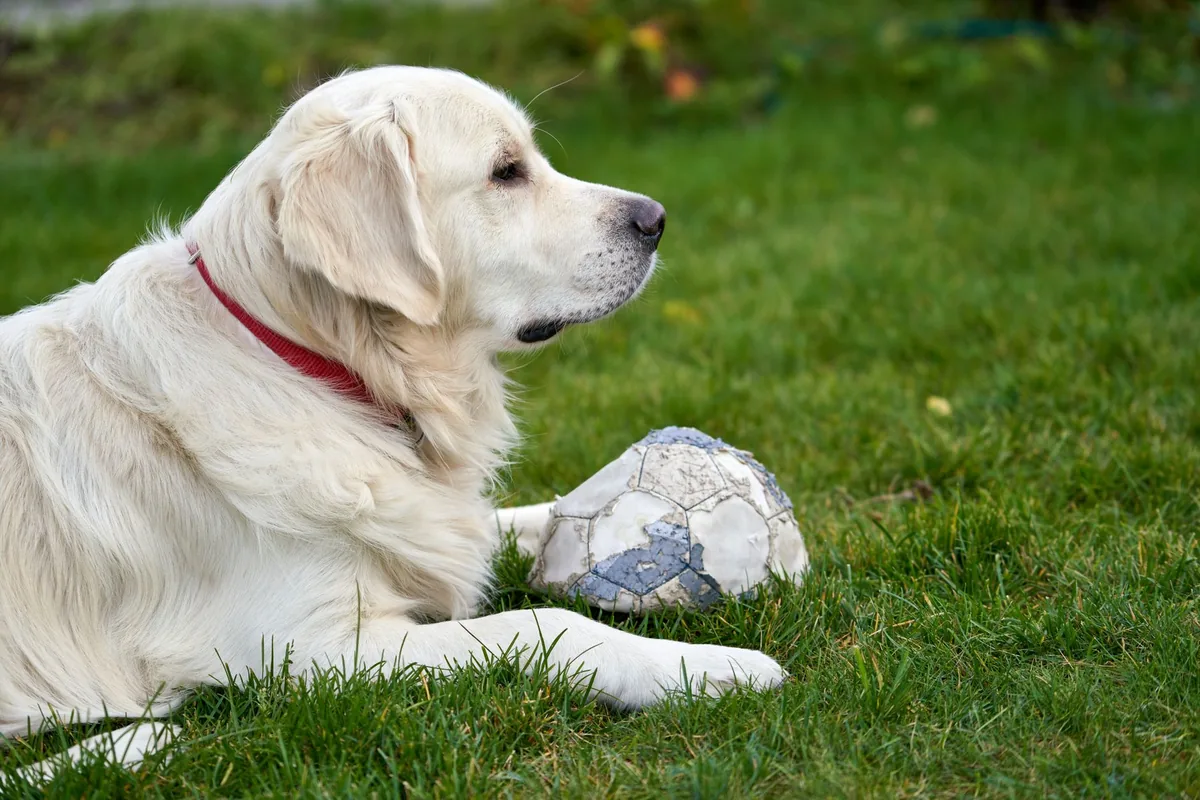
It’s 9 p.m., you’re scrolling through your phone while your golden‑retriever, Max, sighs and settles on the couch instead of bounding to the door. You notice his belly looks a little puffier, and when you gently press his side, a tender, firm lump gives way with a slight “wobble.” The worry spikes: Is this just a sore muscle, or could it be something more serious?
That uneasy feeling is common. Many owners first spot fatty tissue inflammation when a normally active dog slows down, refuses to jump, or shows localized swelling that feels warm to the touch. The good news is that with a clear understanding of what’s happening, how to spot it, and what steps to take, you can guide Max—or any dog—through a smooth recovery.
In this article we’ll explain what fatty tissue inflammation is, why it occurs, how to differentiate it from arthritis or other conditions, what your vet will look for, and which treatments, diets, and preventive measures work best. We’ll also break down typical costs, expected prognosis, and give you a checklist for when to call the vet right away.
What is fatty tissue inflammation in dogs?
Fatty tissue inflammation, medically called adipose tissue inflammation or panniculitis, is an inflammatory response that affects the layers of fat under the skin. In dogs, the most common form is called “subcutaneous panniculitis,” where the fat cells swell, become infiltrated with immune cells, and turn tender or firm.
While the exact prevalence is unclear, the condition is seen more often in overweight dogs and in breeds prone to obesity, such as Labrador Retrievers, Beagles, and Pugs. According to the American Animal Hospital Association (AAHA), obesity affects roughly 56 % of the canine population in the United States, and it is a major risk factor for fatty tissue inflammation.
What causes fatty tissue inflammation?
The inflammation can arise from several overlapping factors. Below is a concise overview of the most common triggers:
| Category | Typical Causes | Notes for Owners |
|---|---|---|
| Obesity & metabolic imbalance | Excess body fat, insulin resistance, hormonal shifts | Weight gain over months, especially after neutering or reduced activity |
| Trauma or pressure | Bruising from rough play, falls, or prolonged lying on hard surfaces | Often follows a specific incident, but may develop weeks later |
| Systemic disease | Hypothyroidism, Cushing’s disease, pancreatitis, or immune‑mediated disorders | May have other signs like hair loss, increased thirst, or abdominal distension |
| Infection or parasites | Secondary bacterial infection, tick‑borne diseases | Often accompanied by fever, redness, or a foul odor |
Breed predisposition also plays a role. Large, deep‑chested breeds that store more subcutaneous fat (e.g., Labrador Retrievers, Golden Retrievers) and short‑nosed breeds prone to weight gain (e.g., Bulldogs, Pugs) are reported more frequently in case series from the Veterinary Teaching Hospital at Cornell University.
Signs and symptoms
Fatty tissue inflammation can be subtle at first, then progress to more obvious discomfort. Below is a tiered guide to help you spot the condition early:
| Severity | Typical Signs | What It May Look Like |
|---|---|---|
| Mild | Localized swelling, soft “fluffiness,” slight tenderness when touched | Dog still walks but may favor the affected side |
| Moderate | Firm, warm lump; reduced activity; reluctance to jump or climb stairs | Owner notices the dog lying down more often |
| Severe | Marked pain, visible redness, possible ulceration, fever | Dog may vocalize, limp, or become aggressive when the area is handled |
Key differences from arthritis include:
- Arthritis typically causes joint stiffness and a “creaky” gait, while fatty tissue inflammation is felt in the soft tissue layers, not the joint itself.
- Swelling from panniculitis is often more diffuse and may shift location, whereas arthritis usually stays in the same joint.
- Arthritic pain worsens with activity and improves with rest; inflamed fat can be painful even at rest.
When to call your vet
Call your vet today if you notice any of the following:
- Localized swelling that feels firm or warm.
- Changes in your dog’s activity level, especially reluctance to climb stairs or jump.
- Visible redness, heat, or a small ulcer over the swelling.
- Fever (temperature > 103 °F/39.4 °C) or loss of appetite lasting more than 24 hours.
Go to an emergency veterinary hospital right now if your dog shows:
- Severe, sudden pain with the dog vocalizing or crying out.
- Rapid swelling that spreads quickly, especially if the skin looks stretched or blisters form.
- Signs of systemic illness—vomiting, diarrhea, collapse, or difficulty breathing.
Our guidance is informational only; it does not replace a hands‑on exam. If you’re ever in doubt, a quick call to your veterinarian is the safest route.
How vets diagnose fatty tissue inflammation
Diagnosing fatty tissue inflammation starts with a thorough history and physical exam. Your vet will:
- Ask about diet, weight changes, recent injuries, and any systemic disease. This helps narrow down potential triggers.
- Palpate the affected area. The vet assesses firmness, warmth, and whether the swelling is fixed or mobile.
- Perform blood work. A complete blood count (CBC) and chemistry panel can reveal infection, inflammation markers (elevated C‑reactive protein), or endocrine disorders like hypothyroidism.
- Order imaging. Radiographs (X‑rays) rule out underlying bone injury, while ultrasound can differentiate fluid‑filled cysts from solid inflamed fat.
- Biopsy or fine‑needle aspirate. In ambiguous cases, a small sample of the tissue is sent to a pathology lab to confirm panniculitis and exclude neoplasia.
These tests are guided by the American College of Veterinary Internal Medicine (ACVIM) recommendations for soft‑tissue disorders, ensuring a systematic approach that minimizes unnecessary procedures.
Treatment options
Medical treatment
Most cases respond to anti‑inflammatory and supportive medications. Your vet may prescribe:
- NSAIDs (non‑steroidal anti‑inflammatory drugs) such as carprofen or meloxicam to reduce pain and swelling.
- Glucocorticoids (corticosteroids) like prednisone for more pronounced inflammation, especially when an immune component is suspected.
- Antibiotics if a secondary bacterial infection is present (e.g., amoxicillin‑clavulanate).
- Hormone therapy for underlying endocrine disorders (e.g., levothyroxine for hypothyroidism).
Ask your vet about each medication; dosing is always weight‑based and tailored to your dog’s health status.
Supplements and supportive care
Evidence supports a few adjuncts that can help reduce inflammation and promote tissue healing:
- Omega‑3 fatty acids (EPA/DHA) from fish oil—studies in the Journal of Veterinary Internal Medicine show they can lower inflammatory cytokines in dogs with soft‑tissue inflammation.
- Vitamin E as an antioxidant—often combined with omega‑3s for synergistic effect.
- Probiotics to support gut health, especially if the dog is on antibiotics.
These supplements are not a replacement for prescription meds but can be a helpful part of a multimodal plan.
Procedures or surgery
In rare cases where a large, necrotic fat mass threatens the skin’s integrity, surgical debridement may be required. The procedure involves removing the inflamed tissue, cleaning the wound, and sometimes placing drains to prevent fluid buildup. Recovery typically takes 2–3 weeks, and the cost can range from $1,200 USD to $2,500 USD (≈ £950–£2,000 GBP) depending on the clinic and anesthesia time.
Diet and nutrition
Nutrition plays a central role in both treatment and prevention of fatty tissue inflammation. The goal is to support healthy weight, provide easily digestible protein, and limit pro‑inflammatory ingredients.
Below is a practical feeding guide you can start using tonight:
| Category | What to feed | What to limit or avoid |
|---|---|---|
| High‑quality protein | Cooked chicken breast, turkey, or lean fish; commercial diets meeting AAFCO protein minimum (≥ 22 % dry matter) | Low‑protein “grain‑only” meals; excessive meat‑by‑products |
| Healthy fats | Fish oil supplement (EPA/DHA 300–500 mg per 10 lb body weight); modest amounts of olive oil | Excessive animal fat, coconut oil, or fried foods |
| Complex carbohydrates | Cooked sweet potato, pumpkin, or brown rice; limited‑ingredient kibble with added fiber | High‑glycemic corn, wheat, or potato‑heavy formulas |
| Anti‑inflammatory additives | Turmeric (curcumin) at veterinarian‑approved levels; blueberries or cranberries as treats | Artificial colors, flavors, and preservatives |
For dogs with concurrent endocrine disease (e.g., hypothyroidism), a prescription “weight‑management” diet such as the Royal Canin Veterinary Diet Weight Care or Hill’s Prescription Diet Metabolic is often recommended. These diets provide controlled calories while maintaining essential nutrients.
Feeding tips:
- Measure meals with a calibrated scoop; avoid free‑feeding.
- Split daily calories into two or three smaller meals to stabilize blood sugar.
- Gradually transition to a new diet over 7‑10 days to prevent gastrointestinal upset.
- Encourage low‑impact exercise (short walks, gentle play) to promote fat loss without over‑loading inflamed tissue.
Our veterinary nutritionists at the University of California, Davis recommend monitoring body condition score (BCS) weekly during the first month of diet change. A BCS drop of 0.5–1 point often correlates with reduced inflammation within 4–6 weeks.
Cost and prognosis
Financial considerations matter, especially if multiple tests or treatments are needed. Below is a rough breakdown of typical expenses in the United States and United Kingdom (prices are estimates and can vary by clinic, region, and insurance coverage):
| Service | US Estimate | UK Estimate |
|---|---|---|
| Initial exam & history | $50–$100 | £40–£80 |
| Blood work (CBC + chemistry) | $120–$200 | £90–£150 |
| Ultrasound | $250–$350 | £180–£300 |
| Biopsy (if needed) | $300–$500 | £250–£400 |
| NSAID or steroid medication (30 days) | $30–$80 | £25–£60 |
| Omega‑3 supplement (monthly supply) | $15–$35 | £12–£30 |
| Surgical debridement (rare) | $1,200–$2,500 | £950–£2,000 |
Prognosis is generally good when the underlying cause is addressed promptly. Most dogs experience a noticeable reduction in swelling and pain within 2–4 weeks of initiating therapy. Full recovery, including return to normal activity levels, may take 6–12 weeks, especially if weight loss is part of the plan.
Long‑term outcomes depend on the root cause: dogs with obesity‑related panniculitis that achieve a stable, healthy weight often remain symptom‑free, while those with chronic endocrine disease may need ongoing monitoring.
Prevention and home care
Preventing fatty tissue inflammation is largely about maintaining a healthy weight and minimizing trauma. Here are practical steps you can adopt today:
- Weight management: Use a body condition calculator to keep your dog in the ideal BCS range (4‑5/9).
- Regular, low‑impact exercise: Daily walks, swimming, or gentle fetch sessions keep muscle tone without over‑loading fat pads.
- Balanced diet: Feed a diet meeting AAFCO nutrient profiles, limit high‑calorie treats, and incorporate omega‑3s.
- Monitor for injuries: After rough play, check your dog’s sides and limbs for bruising or swelling.
- Routine veterinary check‑ups: Annual exams can catch early signs of endocrine disease that predispose to inflammation.
- Home massage: Gentle, circular strokes around the affected area (if not acutely painful) can improve circulation; always ask your vet first.
For senior dogs, the AAHA emphasizes regular joint and soft‑tissue assessments at least twice a year, as older pets are more prone to both obesity and tissue fragility.
From our vet team: “If you catch the swelling early, most dogs bounce back with a modest diet change and a short course of anti‑inflammatory meds. The biggest factor is keeping the weight steady—once the fat starts inflaming, it’s a bit of a cascade, but it’s one we can break with consistent care.”
Key takeaways
- Fatty tissue inflammation is an inflammation of subcutaneous fat, often linked to obesity, injury, or metabolic disease.
- Early signs include firm, warm swelling and reduced activity; differentiate it from arthritis by noting the soft‑tissue location.
- Veterinary diagnosis involves physical exam, blood work, imaging, and sometimes a biopsy to rule out infection or tumor.
- Treatment typically combines NSAIDs or steroids, a weight‑controlled diet, and omega‑3 supplements; surgery is rare.
- Prevent recurrence by maintaining a healthy body condition, providing regular low‑impact exercise, and monitoring for endocrine disorders.
Myth vs. fact
Myth: Fatty tissue inflammation is the same as arthritis.
Fact: Arthritis affects joints, while fatty tissue inflammation involves the fat layer under the skin; they may cause similar limping but require different treatments.
Myth: Only overweight dogs get this condition.
Fact: While obesity is a major risk factor, trauma, infections, and hormonal disorders can cause inflammation in dogs of any weight.
Myth: Supplements alone can cure the swelling.
Fact: Supplements like fish oil support healing but should accompany veterinary‑prescribed meds and diet changes for effective recovery.
Frequently asked questions
What causes fatty tissue inflammation in dogs?
It most commonly stems from excess body fat, localized trauma, or underlying metabolic disorders such as hypothyroidism.
Can obesity lead to fatty tissue inflammation in dogs?
Yes—obesity creates chronic low‑grade inflammation in fat tissue, making it more likely to swell and become painful when stressed.
How can I tell if my dog has fatty tissue inflammation?
Look for a firm, warm lump under the skin that hurts when pressed, especially if your dog is less active or reluctant to jump.
What veterinary tests are used to diagnose fatty tissue inflammation?
Vets start with a physical exam, then run blood work, ultrasound imaging, and may take a fine‑needle aspirate or biopsy to confirm the diagnosis.
Are there natural remedies for fatty tissue inflammation in dogs?
Omega‑3 fish oil and mild anti‑inflammatory herbs like turmeric can aid recovery, but they should be used alongside prescribed medication and under vet guidance.
Will my dog recover fully after treatment for fatty tissue inflammation?
Most dogs improve dramatically within weeks and return to normal activity within a few months, especially when weight is managed and any underlying disease is treated.
Ask the PuppaDogs community
Have a question this article didn’t fully answer? Want to compare notes with other dog owners who’ve been through this? Our community forum is moderated by experienced owners and vets — and answers tend to come fast. Ask in the PuppaDogs community →
References
- American Animal Hospital Association (AAHA). “Obesity in Dogs: Clinical Guidelines.” 2023.
- American Veterinary Medical Association (AVMA). “Guidelines for Soft‑Tissue Inflammation.” 2022.
- Merck Veterinary Manual. “Panniculitis (Fatty Tissue Inflammation) in Dogs.” Updated 2024.
- Veterinary Center for Animal Health, Cornell University. “Case Series on Subcutaneous Panniculitis in Large‑Breed Dogs.” 2021.
- World Small Animal Veterinary Association (WSAVA). “Nutrition and Weight Management in Companion Animals.” 2023.
- Journal of Veterinary Internal Medicine. “Omega‑3 Fatty Acids Reduce Inflammatory Markers in Canine Soft‑Tissue Disorders.” 2020.
- American College of Veterinary Internal Medicine (ACVIM). “Diagnostic Approach to Soft‑Tissue Masses.” 2022.
- American Association of Feed Control Officials (AAFCO). “Nutrient Profiles for Complete Dog Foods.” 2023.
- University of California, Davis Veterinary Medicine. “Body Condition Scoring and Weight Management.” 2022.
- Royal Canin Veterinary Diet. “Weight Care Clinical Nutrition Guide.” 2021.


