















Quick take: A fatty layer or nodule under the skin in dogs is most often a lipoma—a benign tumor of fat cells. It’s usually harmless, but a vet should check any new lump to rule out cancer or other problems. Monitoring, diet, and occasional removal are the main ways to manage it.
It’s 9 p.m., you’re scrolling through your phone, and you notice a soft, squishy bump on the side of your 12‑year‑old mixed‑breed terrier. The spot feels a little larger than it did a month ago, and you’re not sure if it’s something to worry about. You’ve heard “lipoma” mentioned at the clinic, but the term “fatty layer or nodule under the skin” feels vague and a little scary.
First, take a breath. Most of the time, that lump is just a lipoma—an innocuous growth of fat that doesn’t need aggressive treatment. In this article we’ll explain exactly what a fatty nodule is, how to spot warning signs, what your vet will do to diagnose it, and the options you have for care, diet, and cost. We’ll also share practical tips for preventing new lumps from forming.
By the end, you’ll know whether the bump is something you can watch at home or a sign that a vet visit is needed right away. Let’s get into the details.
What is a fatty layer or nodule under the skin in dogs?
A fatty layer or nodule under the skin is medically called a lipoma. Lipomas are tumors made up of mature fat cells that grow just beneath the skin (subcutaneous tissue). They develop when a cluster of fat cells expands faster than the surrounding tissue can reabsorb it. Because they are composed of normal‑looking fat, lipomas are almost always benign—meaning they don’t spread to other parts of the body or damage internal organs.
In dogs, lipomas are one of the most common soft‑tissue tumors. Studies from the American College of Veterinary Surgeons (ACVS) report that lipomas account for roughly 20‑30 % of all canine skin tumors, especially in middle‑aged to senior dogs. While any breed can develop a lipoma, larger breeds and certain genetics (e.g., Labrador Retrievers, Boxers, and Dachshunds) appear to be predisposed.
What causes it?
Most lipomas arise without a single clear trigger, but several risk factors increase the likelihood of developing a fatty nodule.
| Risk factor | Why it matters |
|---|---|
| Age | Fat cell metabolism slows, and the body’s ability to remodel tissue declines, making lumps more common after 7 years. |
| Breed | Large and giant breeds (Labrador, Golden Retriever, Great Dane) and some medium breeds (Boxer, Dachshund) have higher reported rates in ACVS surveys. |
| Obesity | Extra body fat provides more substrate for fatty growth; weight‑gain also stresses skin and connective tissue. |
| Hormonal disorders | Conditions like hypothyroidism or Cushing’s disease can alter fat distribution and promote tumor formation. |
| Genetic predisposition | Family lines with a history of lipomas suggest a heritable component, though the exact genes aren’t fully mapped. |
Environmental factors such as chronic inflammation or repeated trauma to a specific area can also play a role, but they are less common than the factors listed above.
Signs and symptoms
Because lipomas are made of soft fat, they usually feel doughy, movable, and painless. Most owners first notice a lump because it looks different from the surrounding skin or seems to be growing.
| Stage | Typical signs |
|---|---|
| Early / mild | Small, soft bump (1–2 cm); skin over the lump looks normal; dog shows no discomfort. |
| Moderate | Growth to 3–5 cm; may be slightly more prominent; dog may be less inclined to lie on that side. |
| Severe / concerning | Rapid enlargement (>1 cm per week); firmness; ulcerated skin; pain on palpation; interference with movement or gait. |
Red flags that suggest something other than a simple lipoma include:
- Hardness or fixation to underlying muscle.
- Irregular borders or ulcerated skin.
- Rapid growth over a few weeks.
- Associated weight loss, loss of appetite, or lethargy.
When any of these appear, a veterinary evaluation becomes urgent.
When to call your vet
Call your vet today if:
- The lump is larger than a golf ball or has grown noticeably in the past few weeks.
- You notice any pain, redness, or ulceration over the area.
- Your dog seems uncomfortable when lying down or moving.
Go to an emergency veterinary hospital right now if:
- The lump feels hard, fixed, or is rapidly expanding (more than 1 cm in a few days).
- You see signs of systemic illness—vomiting, severe lethargy, sudden weight loss, or difficulty breathing.
These guidelines are for information only. Always trust your own judgment and seek professional care when in doubt.
How vets diagnose it
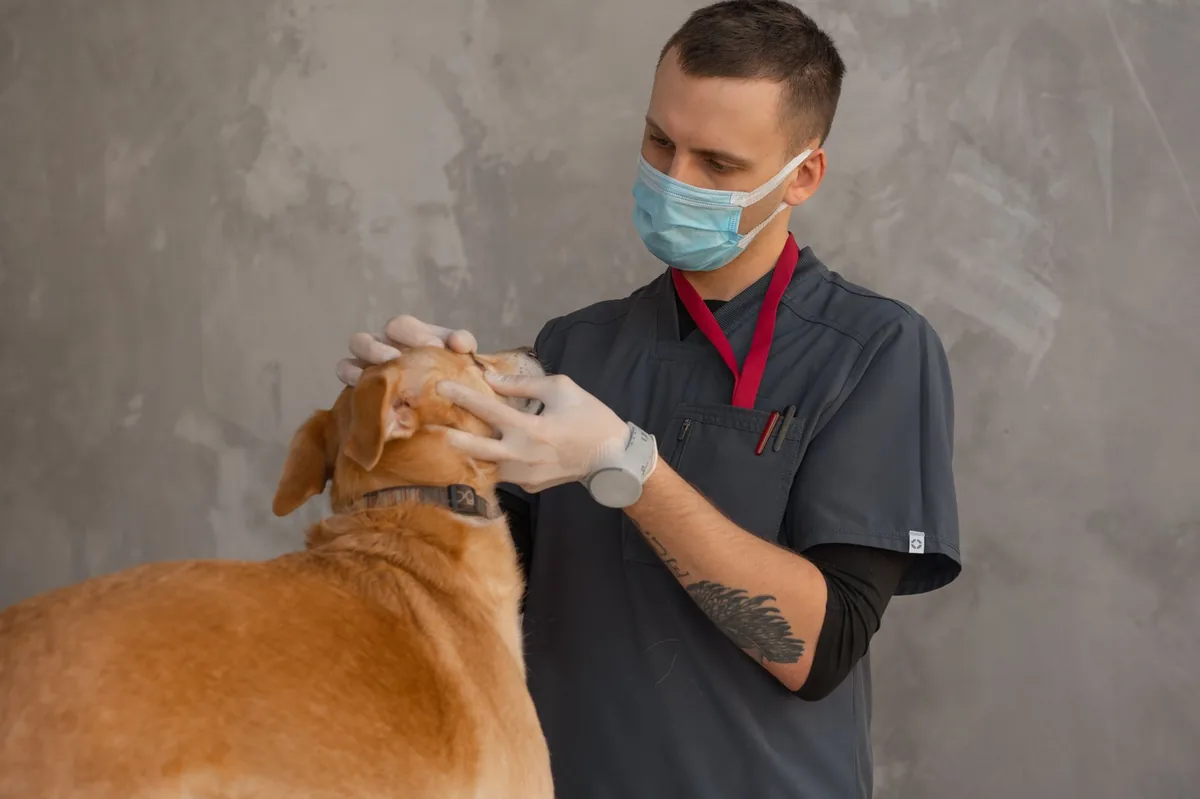
Diagnosis starts with a thorough history and physical exam. Your vet will note the lump’s size, consistency, mobility, and any skin changes.
- Fine‑needle aspiration (FNA): A thin needle draws a few cells from the lump. The sample is examined under a microscope. Lipomas typically show mature fat cells without atypical features.
- Core needle biopsy: If FNA is inconclusive, a larger sample may be taken for histopathology.
- Imaging: Ultrasound helps assess depth and relationship to surrounding structures. In larger or ambiguous cases, a CT scan or MRI can map the exact extent.
Most lipomas are diagnosed with just an FNA and a confident physical exam. If the sample looks suspicious for sarcoma or other malignancies, your vet will recommend a full excisional biopsy (removal of the lump) for definitive diagnosis.
Treatment options
Medical treatment
Because lipomas are benign, many veterinarians recommend “watchful waiting.” If the lump isn’t causing pain or functional problems, regular monitoring every 6–12 months is often enough. In cases where the lipoma is large, growing, or interfering with movement, surgical removal is the standard of care.
Common medications that may be discussed include:
- Anti‑inflammatory drugs such as carprofen or meloxicam to reduce any secondary irritation.
- In rare cases where a lipoma is hormonally driven, your vet might explore steroid therapy, but only after ruling out other causes.
Always ask your vet about the benefits and risks before starting any prescription medication.
Supplements and supportive care
While supplements won’t shrink an existing lipoma, they can support overall skin health and weight management:
- Omega‑3 fatty acids (EPA/DHA): Found in fish oil, these help reduce inflammation and may improve the quality of subcutaneous tissue.
- Green‑lipped mussel extract: Some studies in the Journal of Veterinary Nutrition suggest it aids joint and connective‑tissue health, which can be useful if a lipoma limits mobility.
- Probiotics: A balanced gut microbiome assists in weight control, an important factor for obese dogs prone to fatty growths.
Supplements should be used under veterinary guidance, especially if your dog is on other medications.
Procedures or surgery
When removal is recommended, the procedure is usually straightforward:
- General anesthesia is administered.
- A clean incision is made over the lump.
- The lipoma is gently dissected from surrounding tissue.
- The site is closed with sutures and a bandage placed.
Recovery typically involves a week of limited activity, pain medication, and a follow‑up check to ensure the wound heals without infection. Most dogs return to normal within 2–3 weeks.
Diet and nutrition
Nutrition won’t make an existing lipoma disappear, but a balanced diet can help prevent new fatty nodules from forming, especially in dogs prone to obesity or hormonal imbalances.
Key dietary principles for dogs with lipomas include:
- Maintain an optimal body condition score (BCS): Aim for a BCS of 4–5/9. Overweight dogs have higher circulating leptin levels, which can stimulate fat‑cell growth.
- High‑quality protein: Digestible protein supports lean muscle mass, which helps keep metabolism active. Look for named animal proteins (chicken, salmon) as the first ingredient.
- Controlled calories: Use a calorie calculator to determine the right daily intake based on age, weight, and activity level.
- Limited simple carbohydrates: Excess carbs can convert to fat. Choose kibble or raw diets with complex carbs (sweet potato, lentils) rather than high‑corn or wheat formulas.
- Omega‑3 enrichment: Adding fish oil or feeding a diet formulated with EPA/DHA supports healthy skin and may modulate inflammatory pathways linked to tumor growth.
For dogs with existing lipomas, a therapeutic “weight‑management” diet (often labeled “light” or “senior”) can be beneficial. These diets typically contain reduced fat and added fiber to promote satiety without excess calories. Brands vary, but the AAHA Nutrition Guidelines recommend consulting your vet before switching to a prescription formula.
| Food choice | What to feed | What to limit / avoid |
|---|---|---|
| High‑quality kibble | Portioned according to calculated kcal; protein ≥ 25 % | Excessive treats, table scraps high in fat |
| Raw or cooked home‑cooked meals | Balanced with muscle meat, organ meat, and vegetables; add fish oil. | Large amounts of bone broth (high sodium) or fatty cuts. |
| Therapeutic weight‑loss diet | Prescription “light” formula if your vet recommends. | Standard “high‑calorie” formulas unless needed for active dogs. |
Transition any new food gradually over 7‑10 days to avoid gastrointestinal upset. Mix a small amount of the new diet with the current one, increasing the proportion each day. Monitoring weight weekly during the transition helps you catch any unexpected gain early.
Cost and prognosis
Financial considerations vary by region and the complexity of care. Below are typical US and UK estimates based on 2023–2024 data from the American Veterinary Medical Association (AVMA) and the Royal College of Veterinary Surgeons (RCVS).
| Service | US estimate | UK estimate |
|---|---|---|
| Initial exam & FNA | $70–$120 | £45–£80 |
| Ultrasound (if needed) | $150–$250 | £100–£180 |
| Full surgical removal | $800–$2,200 (including anesthesia, sutures, follow‑up) | £600–£1,500 |
| Post‑op pain meds & antibiotics | $30–$80 | £20–£50 |
Prognosis for uncomplicated lipomas is excellent—once removed, recurrence at the same site is rare. Dogs that keep a healthy weight and receive regular check‑ups typically live normal, active lives.
Prevention and home care
Preventing new lipomas focuses on overall health maintenance:
- Weight management: Keep your dog at a healthy BCS through portion control and regular exercise.
- Regular veterinary exams: Annual wellness visits allow early detection of any new lumps before they become problematic.
- Screen for hormonal disease: Dogs with hypothyroidism or Cushing’s should have routine blood work to keep hormone levels stable.
- Balanced diet: Follow the nutrition guidelines outlined above and avoid over‑feeding high‑fat treats.
- Activity: Daily walks, play, and mental enrichment help maintain muscle mass and metabolic rate.
If you notice a new lump, gently palpate it and note any changes in size, texture, or comfort. Write down the date you first saw it and bring that information to the vet. Keeping a simple log can make the diagnostic process smoother.
From our vet team: “Most lipomas are harmless, but we always recommend a quick vet check when a lump appears. Early confirmation saves you time, worry, and sometimes money. If surgery is needed, modern techniques keep recovery short and the outcome excellent.”
Key takeaways
- Most fatty nodules under a dog’s skin are benign lipomas, but any new lump warrants a vet exam.
- Watch for rapid growth, hardness, pain, or skin changes—these are red‑flag signs that need urgent attention.
- Diagnosis usually involves a fine‑needle aspiration and a physical exam; surgery is reserved for large or problematic lumps.
- Maintaining a healthy weight and feeding a balanced, protein‑rich diet reduces the risk of new lipomas.
- Cost for removal varies widely, but most owners can expect $800–$2,200 in the U.S., with excellent prognosis after surgery.
Myth vs. fact
Myth: All fatty lumps are cancerous and must be removed immediately.
Fact: Over 90 % of subcutaneous fatty nodules in dogs are lipomas, which are benign and often only need monitoring.
Myth: A special “fat‑burning” supplement will shrink a lipoma.
Fact: No supplement has been proven to reduce an existing lipoma; diet and weight control help prevent new growths.
Frequently asked questions
What is a fatty layer or nodule under a dog’s skin called?
The medical term is lipoma, a benign tumor made of mature fat cells that sits just under the skin.
Are lipomas in dogs dangerous?
Most lipomas are harmless and cause no pain or health issues. They become a concern only if they grow quickly, become hard, or interfere with movement.
How can I tell if my dog’s lump is a lipoma or something more serious?
Soft, movable, painless lumps are typical of lipomas. Hard, fixed, rapidly growing, or ulcerated masses may indicate a sarcoma or other tumor and should be evaluated urgently.
What tests does a vet use to diagnose a lipoma?
Vets often start with a fine‑needle aspiration (FNA) to look at cells under a microscope. If the sample is unclear, a core biopsy or imaging (ultrasound, CT) may be recommended.
What are the treatment options for a dog with a lipoma?
Options range from watchful waiting to surgical removal. Small, stable lipomas can be monitored; larger or problematic ones are usually excised under anesthesia. Anti‑inflammatory meds may be used for comfort.
How much does it cost to remove a lipoma from a dog?
In the United States, surgical removal typically costs between $800 and $2,200, including anesthesia, the procedure, and post‑op meds. Prices vary by region and clinic, so check with your local practice.
Ask the PuppaDogs community
Have a question this article didn’t fully answer? Want to compare notes with other dog owners who’ve been through this? Our community forum is moderated by experienced owners and vets — and answers tend to come fast. Ask in the PuppaDogs community →
References
- American College of Veterinary Surgeons (ACVS). “Soft Tissue Tumors in Dogs.” 2023.
- American Animal Hospital Association (AAHA). “Nutrition Guidelines for Adult Dogs.” 2024.
- American Veterinary Medical Association (AVMA). “Veterinary Cost Estimates.” 2023.
- Merck Veterinary Manual. “Lipoma (Benign Tumor of Fat) in Dogs.” 2022.
- Royal College of Veterinary Surgeons (RCVS). “Surgical Management of Lipomas.” 2023.
- Journal of Veterinary Nutrition. “Omega‑3 Fatty Acids and Canine Skin Health.” 2021.
- World Small Animal Veterinary Association (WSAVA). “Guidelines for Canine Body Condition Scoring.” 2022.
- Cornell University College of Veterinary Medicine. “Fine‑Needle Aspiration Technique.” 2023.
- UC Davis School of Veterinary Medicine. “Hormonal Disorders and Tumor Risk in Dogs.” 2022.
- American College of Veterinary Internal Medicine (ACVIM). “Hypothyroidism in Dogs.” 2023.


