

















Quick take: Familial Shar‑Pei Fever (FSF) is a hereditary inflammatory disorder that causes recurring fevers, swelling, and joint pain in Shar‑Pei dogs. Episodes range from mild to life‑threatening, and management combines anti‑inflammatories, diet tweaks, and regular monitoring. Early veterinary care and a tailored home plan can keep most dogs comfortable for years.
It’s 11 p.m., the house is quiet, and your three‑year‑old Shar‑Pei, Bao, is curled up on the couch, looking unusually still. You notice his ears are a little puffy, his eyes look a bit dull, and when you gently press his gums, they feel warmer than normal. A quick search for “dog fever” pulls up endless pages, but one article keeps popping up: “Familial Shar‑Pei Fever.” Your heart races—could this be the genetic condition you read about in the breed’s profile?
We get it. Watching a beloved pup struggle with an unexplained fever is scary, especially when you’re not sure whether it’s a simple infection or something more complex. The good news is that FSF is a known, manageable condition, and with the right information you can act quickly, keep the flare‑ups under control, and plan for a good quality of life.
In this guide we’ll explain what Familial Shar‑Pei Fever is, why Shar‑Peis are predisposed, the signs that signal an episode, how vets diagnose it, treatment options (including the newest anti‑IL‑1 drugs), dietary recommendations, cost expectations, and ways to prevent future flares. We’ll also give you a clear triage plan for when to call your vet right away.
What is Familial Shar‑Pei Fever?
Familial Shar‑Pei Fever (FSF) is an inherited autoinflammatory disorder that primarily affects Shar‑Pei dogs. Unlike an infection, an autoinflammatory disease stems from a misfiring of the immune system that causes excessive production of inflammatory cytokines, especially interleukin‑1 (IL‑1). The result is recurrent bouts of fever, swelling of the hocks and joints, and sometimes skin lesions.
FSF is relatively common in the breed—studies from the United Kingdom and United States estimate that up to 30 % of purebred Shar‑Peis carry the genetic mutation linked to the disease. The condition typically appears between 6 months and 3 years of age, but milder cases can surface later in life.
What causes it?
FSF results from a combination of genetic and environmental factors:
| Factor | Explanation |
|---|---|
| Genetic mutation | A missense mutation in the TNFRSF11A gene (also called the “Shar‑Pei fever gene”) leads to overactive IL‑1 signaling. |
| Breed predisposition | Selective breeding for the breed’s characteristic wrinkles and skin folds may amplify the mutation’s effect. |
| Triggers | Vaccinations, stress, temperature extremes, or secondary infections can provoke an episode. |
While the genetic defect is unavoidable for affected dogs, careful management of triggers can reduce the frequency and severity of flares.
Signs and symptoms
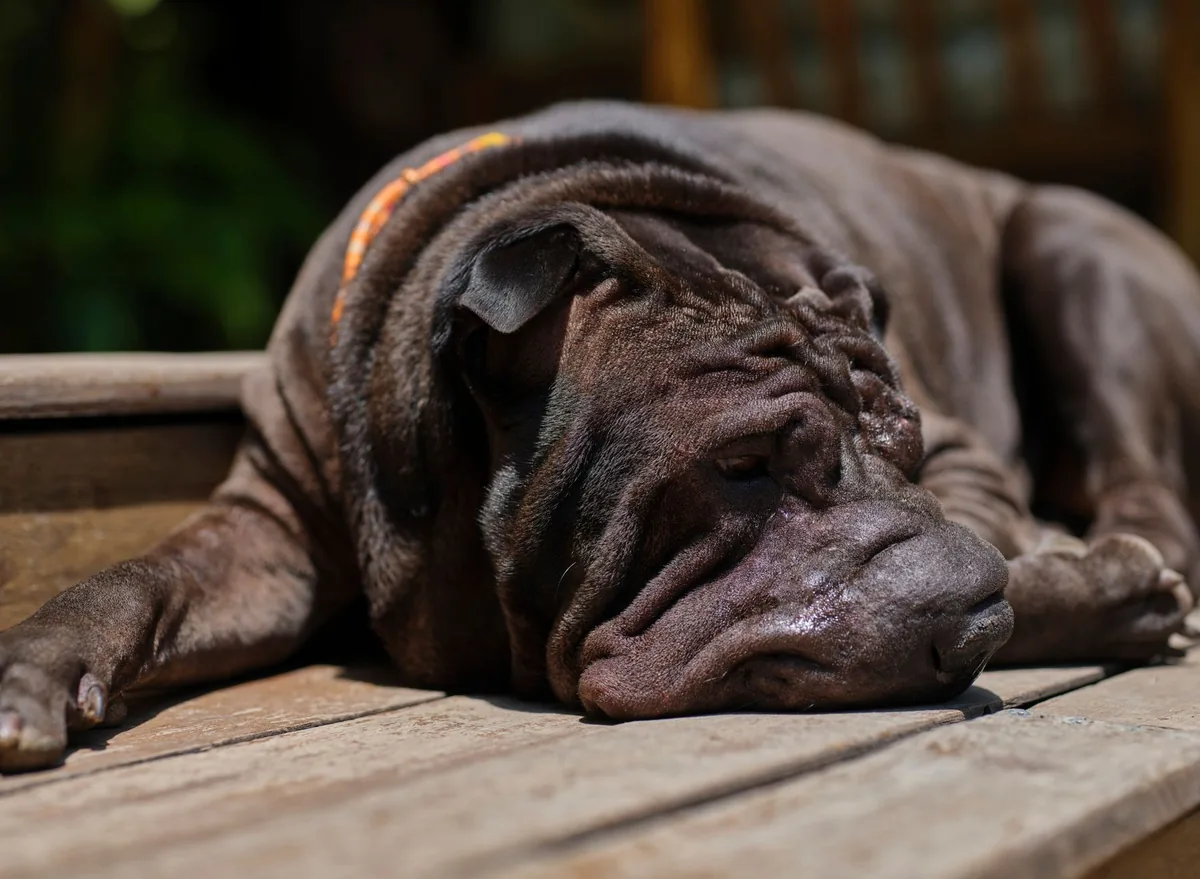
FSF episodes usually follow a predictable pattern, but early signs can be subtle. Below is a progression chart to help you spot the difference between mild, moderate, and severe manifestations.
| Stage | Typical signs |
|---|---|
| Mild | Low‑grade fever (≤ 103 °F/39.4 °C), slight ear or hock swelling, mild lethargy, reduced appetite. |
| Moderate | Fever 103‑105 °F (39.4‑40.5 °C), pronounced swelling of hocks, joint stiffness, noticeable pain when moving, occasional vomiting. |
| Severe | Fever > 105 °F (40.5 °C), marked hock and paw edema, difficulty walking or standing, dehydration, signs of systemic inflammation (e.g., rapid breathing, pale gums). |
Other possible clues include a “puffy” face, increased thirst, and occasional skin lesions that look like small, raised bumps. Because FSF can mimic infections, it’s essential to differentiate it early—especially if the fever persists for more than 24 hours or the dog shows signs of pain.
When to call your vet
Call your vet today if you notice any of the following:
- Temperature above 103 °F (39.4 °C) lasting longer than 12 hours.
- Swelling of the hocks, ears, or paws that doesn’t improve within a day.
- Loss of appetite, vomiting, or diarrhea lasting more than 24 hours.
- Signs of pain when your dog walks, climbs stairs, or is handled.
Go to an emergency veterinary hospital right now if you see any of these red flags:
- Temperature over 105 °F (40.5 °C) or rapid increase.
- Severe lethargy, inability to stand, or collapse.
- Very pale or white gums, rapid breathing, or signs of shock.
- Sudden onset of severe vomiting, especially with blood.
These guidelines are for information only. Always trust your own judgment and seek professional care when in doubt.
How vets diagnose it
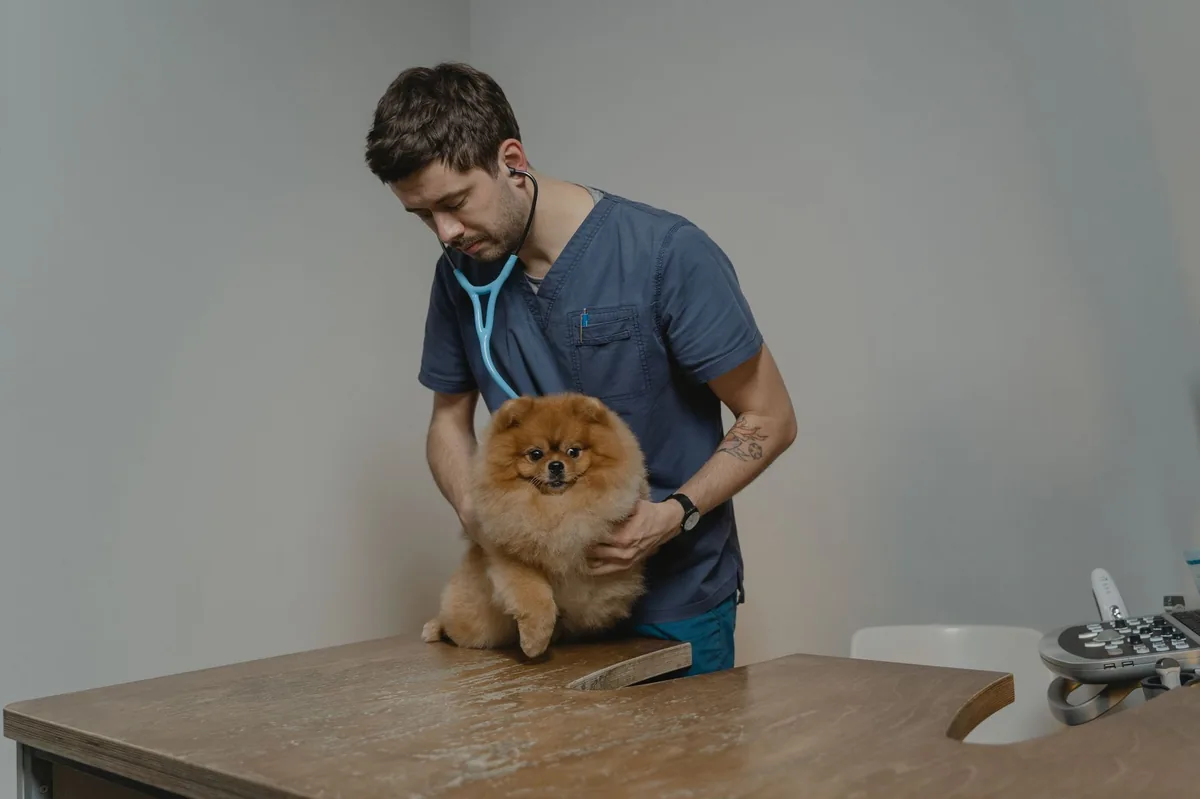
Diagnosing FSF is a process of elimination, because the symptoms overlap with infections, immune‑mediated diseases, and other inflammatory conditions. A typical work‑up includes:
- History and physical exam: Your vet will ask about the age of onset, frequency of episodes, and any known triggers. A thorough exam checks for hock swelling, skin changes, and temperature.
- Blood work: A complete blood count (CBC) and serum chemistry panel often reveal a mild leukocytosis (high white blood cells) and elevated inflammatory markers such as C‑reactive protein (CRP). In severe cases, kidney values (BUN, creatinine) may be affected due to amyloidosis.
- Urinalysis: To screen for protein loss that can signal early kidney involvement.
- Imaging: X‑rays of the hocks and joints assess swelling and rule out arthritis or fractures. Abdominal ultrasound may be recommended if kidney disease is suspected.
- Genetic testing: A PCR‑based test for the TNFRSF11A mutation (available through several veterinary labs) can confirm predisposition. While a positive result doesn’t guarantee an episode, it strongly supports the diagnosis when clinical signs match.
Because no single test definitively proves FSF, vets often combine these results with the clinical picture to reach a diagnosis.
Treatment options
Medical treatment
Acute episodes are usually managed with a tiered anti‑inflammatory approach:
- Non‑steroidal anti‑inflammatory drugs (NSAIDs): Drugs such as carprofen or meloxicam can reduce fever and mild swelling. They are often the first line, but may be insufficient for moderate to severe flares.
- Corticosteroids: Prednisone or prednisolone (dose adjusted to weight) are common for stronger inflammation. They help control joint pain and reduce fever more quickly than NSAIDs alone.
- IL‑1 blockers: The newer biologic canakinumab (a monoclonal antibody that blocks IL‑1) or anakinra (recombinant IL‑1 receptor antagonist) specifically target the cytokine pathway that drives FSF. These are considered the most effective for refractory cases and are increasingly recommended by the AAHA and ACVIM guidelines.
Ask your vet about these options; they will tailor the regimen based on episode severity, your dog’s age, and any existing kidney or liver concerns.
Supplements and supportive care
Evidence suggests that certain supplements can aid in long‑term inflammation control:
- Omega‑3 fatty acids (EPA/DHA): High‑quality fish oil (e.g., 1,000 mg EPA/DHA per 10 lb of body weight) can help dampen systemic inflammation and support joint health.
- Antioxidants: Vitamin E and selenium, when included in a balanced diet, may reduce oxidative stress that contributes to amyloid deposition.
- Probiotics: Strains such as Lactobacillus reuteri have shown modest benefits in gut health, which can indirectly affect immune regulation.
Supplements are adjuncts—not replacements—for prescribed medications. Always discuss dosages with your vet.
Procedures or surgery
Most FSF cases are managed medically, but severe amyloidosis can lead to organ damage that may require interventions:
- Kidney biopsy: In dogs with progressive renal failure, a biopsy can confirm amyloid deposits. The procedure is done under anesthesia and costs $1,200–$2,000 (US) or £800–£1,500 (UK).
- Renal dialysis: Rarely performed in veterinary medicine, dialysis is an option in specialty centers for end‑stage kidney disease, with costs exceeding $5,000 per session.
These procedures are considered only when organ dysfunction becomes life‑limiting.
Diet and nutrition
Nutrition plays a supportive role in managing FSF, especially because chronic inflammation can predispose dogs to amyloidosis and kidney disease. Below is a practical feeding guide for owners of Shar‑Pei dogs with FSF.
Key principles
- Moderate‑protein, high‑quality diet: Choose foods with highly digestible proteins (e.g., chicken, turkey, or fish) to reduce the metabolic load on the kidneys without compromising muscle maintenance.
- Low‑phosphorus and low‑sodium: Reducing phosphorus helps slow renal mineralization, while lower sodium supports blood pressure control, which is important if amyloidosis affects the kidneys.
- Omega‑3 enrichment: Look for diets that include added fish oil or EPA/DHA; these aid in controlling systemic inflammation.
- Limited carbohydrate spikes: Avoid high‑glycemic ingredients (e.g., corn syrup, white rice) that can exacerbate oxidative stress.
Foods to favor, limit, or avoid
| Do feed | Limit | Avoid |
|---|---|---|
| High‑quality commercial dry or wet diets formulated for senior or renal health (e.g., “renal support” formulas). Fresh cooked fish, turkey, or chicken without skin. |
Treats that are high in fat or salt. Cooked bones (risk of splintering). |
Raw meat diets with unknown bacterial load (risk of secondary infection). Excessive dairy or cheese. |
Feeding schedule and portion control
Most owners find success feeding two meals per day to keep blood glucose stable and reduce digestive workload. If your dog is overweight—a common issue in Shar‑Peis—adjust portions to maintain a body condition score of 4–5/9. Transition to a new diet gradually over 7‑10 days, mixing increasing amounts of the new food with decreasing amounts of the old, to avoid gastrointestinal upset.
Prescription therapeutic diets
While no diet “cures” FSF, therapeutic renal diets (often labeled “renal support” or “kidney health”) are designed to be low in phosphorus and protein while still providing essential nutrients. These diets can be especially beneficial for dogs showing early signs of kidney involvement from amyloidosis. Discuss with your vet which commercial formula best matches your dog’s needs.
Hydration
Encourage fresh water at all times. Adding a low‑sodium broth (home‑made or commercial) can entice dogs to drink more, which supports kidney function and helps clear inflammatory metabolites.
Overall, a balanced, anti‑inflammatory diet combined with the recommended supplements can lessen flare frequency and improve long‑term health.
Cost and prognosis
Managing FSF involves both acute and chronic expenses. Below is a rough cost breakdown for the United States (USD) and United Kingdom (GBP). Prices vary by region and clinic.
| Item | US (estimate) | UK (estimate) |
|---|---|---|
| Initial bloodwork (CBC, chemistry, CRP) | $150–$250 | £120–£200 |
| Genetic test for TNFRSF11A | $200–$300 | £150–£250 |
| NSAID course (2 weeks) | $30–$60 | £20–£40 |
| Prednisone taper (1 month) | $20–$40 | £15–£30 |
| IL‑1 blocker (canakinumab, 1 dose) | $800–$1,200 | £600–£900 |
| Omega‑3 supplement (monthly supply) | $25–$45 | £20–£35 |
| Specialty renal diet (monthly bag) | $50–$80 | £40–£70 |
| Follow‑up vet visits (every 3–4 months) | $80–$120 each | £60–£100 each |
Overall, owners can expect to spend $800–$1,500 in the first year (including diagnostics and initial treatment) and $300–$600 annually for maintenance. The cost can rise if complications like amyloidosis develop, requiring additional imaging or renal support.
Prognosis varies. Many Shar‑Peis experience mild to moderate episodes that are well‑controlled with medication and diet, living a normal lifespan of 12–14 years. Dogs with severe, recurrent fevers and progressive amyloid deposition may develop kidney failure, which shortens life expectancy. Early detection and consistent management improve quality of life and can extend survival.
Prevention and home care
While you can’t eliminate the genetic risk, you can reduce flare triggers and monitor your dog closely:
- Vaccination timing: Discuss with your vet the best schedule; some owners choose to space out vaccines to avoid immune stimulation during a known remission period.
- Stress reduction: Keep routines stable, avoid excessive heat, and provide a cool, quiet space during hot weather.
- Regular health checks: Schedule blood work every 6–12 months to monitor kidney function and inflammatory markers.
- Weight management: Maintain an ideal body condition to lessen joint stress and systemic inflammation.
- Prompt treatment of infections: Quick antibiotics for bacterial infections can prevent secondary inflammation that might trigger a fever.
At home, you can keep a simple fever log: record temperature (using a digital rectal thermometer), note swelling, appetite, and activity level. This data helps your vet adjust medication doses and spot patterns.
From our vet team: “Owners who keep a daily temperature chart and act at the first sign of a fever usually need fewer high‑dose steroids. It’s the small, consistent steps—like feeding omega‑3s and avoiding heat—that make the biggest difference over time.”
Key takeaways
- Familial Shar‑Pei Fever is a hereditary autoinflammatory disease that causes recurring fevers, joint swelling, and can lead to amyloidosis.
- Early signs include low‑grade fever, mild ear or hock swelling, and reduced appetite; act quickly if the fever climbs above 103 °F.
- Diagnosis combines history, blood work, imaging, and a specific genetic test for the TNFRSF11A mutation.
- Treatment starts with NSAIDs, progresses to steroids, and may include IL‑1 blockers for refractory episodes.
- Supportive diet—high‑quality protein, low phosphorus, and omega‑3 enrichment—helps control inflammation and protects the kidneys.
- Regular vet monitoring, stress reduction, and a simple fever log can keep flare‑ups manageable and improve long‑term quality of life.
Myth vs. fact
Myth: FSF can be cured with a special diet alone.
Fact: Diet supports management, but FSF requires medical therapy; no diet alone eliminates the genetic inflammation.
Myth: Only senior Shar‑Pei dogs get FSF.
Fact: The disease often appears in puppies and young adults, though severity can increase with age.
Myth: All Shar‑Pei puppies will develop fever episodes.
Fact: Only dogs carrying the specific TNFRSF11A mutation are at high risk; genetic testing can identify carriers.
Frequently asked questions
What triggers an episode of Familial Shar‑Pei Fever?
Episodes are commonly triggered by vaccinations, extreme heat, stress, or secondary infections. Reducing environmental stress and spacing out vaccines can help lower the frequency of flares.
Can Familial Shar‑Pei Fever be cured?
There is no cure for the genetic defect itself. However, many dogs achieve long periods of remission with anti‑inflammatory medication, dietary management, and careful monitoring.
How quickly should I seek veterinary care if my Shar‑Pei has a fever?
If the temperature exceeds 103 °F (39.4 °C) or the dog shows pain, loss of appetite, or swelling, call your vet today. If the fever climbs above 105 °F (40.5 °C) or the dog becomes lethargic or collapses, go to an emergency clinic immediately.
What lab tests confirm Familial Shar‑Pei Fever?
Key tests include a CBC, serum chemistry panel, CRP measurement, urinalysis, and a genetic test for the TNFRSF11A mutation. Imaging (X‑ray or ultrasound) helps rule out other causes.
Are there any home remedies that help during a fever flare‑up?
Cool (not cold) compresses on the hocks, ensuring the dog stays hydrated, and a low‑dose NSAID (as prescribed) can provide temporary relief. Home remedies should never replace veterinary medication.
Do all Shar‑Pei puppies develop this condition?
No. Only a subset of Shar‑Peis carry the mutation that predisposes them to FSF. Genetic testing can identify carriers, and many dogs never experience an episode even if they are carriers.
Ask the PuppaDogs community
Have a question this article didn’t fully answer? Want to compare notes with other dog owners who’ve been through this? Our community forum is moderated by experienced owners and vets — and answers tend to come fast. Ask in the PuppaDogs community →
References
- American College of Veterinary Internal Medicine (ACVIM). “Guidelines for the Management of Autoinflammatory Diseases in Dogs,” 2022.
- American Animal Hospital Association (AAHA). “Canine Fever and Inflammatory Disorders,” 2023.
- Merck Veterinary Manual. “Shar‑Pei Fever” chapter, 2021.
- World Small Animal Veterinary Association (WSAVA). “Genetic Testing in Companion Animals,” 2022.
- University of Pennsylvania Veterinary School. “IL‑1 Blockade in Canine Autoinflammatory Disease,” Journal of Veterinary Internal Medicine, 2020.
- American Veterinary Medical Association (AVMA). “Nutrition for Dogs with Chronic Inflammatory Conditions,” 2021.
- International Society of Companion Animal Nutrition. “Omega‑3 Fatty Acids in Canine Inflammation,” 2020.
- Veterinary Information Network (VIN). “Renal Amyloidosis in Shar‑Pei Dogs,” 2022.
- American College of Veterinary Surgeons (ACVS). “Kidney Biopsy Guidelines,” 2021.
- U.S. Department of Agriculture (USDA). “Pet Food Labeling and Nutrient Requirements,” 2023.
