

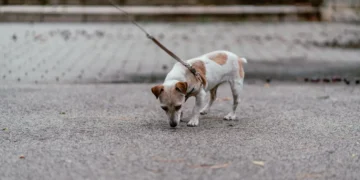




Quick take: English Springer Spaniels are moderate‑drive, eager‑to‑please retrievers. They learn quickly when you tap into their love of scent and game, but they can become easily distracted. The single biggest training priority is building reliable recall and focus before channeling that energy into retrieving‑oriented activities.
It was a crisp autumn morning when a new English Springer Spaniel owner watched her puppy “hunt” a squeaky ball across the kitchen, then darted straight into the neighbor’s yard without a glance back. The frantic chase that followed—both of the dog and of the owner’s sanity—perfectly illustrates the breed’s innate drive to locate and retrieve, paired with a short attention span when the task isn’t clear.
English Springer Spaniels (ESS) sit in the Sporting Group, medium‑sized, and sport a moderate‑to‑high energy level that thrives on purposeful work. They’re not “hard” to train, but they do need a clear job and consistent mental stimulation. In the pages ahead we’ll walk through the breed’s learning profile, the non‑negotiable foundations, a timeline of milestones, and—most importantly—15 hands‑on activities that turn that enthusiastic nose‑work into reliable, joyful performance.
Whether you’re raising a puppy, managing a teen, or gearing up for field trials, this guide covers every angle a dedicated ESS owner might search for: obedience basics, recall tricks, agility pathways, and the best ways to keep your spaniel happy and well‑behaved.
Understanding your English Springer Spaniel’s training profile
English Springer Spaniels are classic retrievers bred to locate game and bring it back to the handler. Their trainability is best described as “highly biddable with a moderate independence streak.” They love to please, yet their focus can wobble when the scent of something interesting appears.
Working line vs. show line: Working‑line ESS tend to have sharper noses, higher drive, and a tighter “work” focus. Show‑line dogs often display a softer drive, making them excellent family companions but sometimes less eager for intense field work.
Primary drives: scent, retrieve, and companionship. Food and toy rewards are both effective, but a high‑value game (like a tossed ball) often outranks treats for a motivated ESS.
Sensitivity: Generally moderate. They tolerate correction when delivered calmly, but harsh, aversive methods can quickly lead to anxiety or loss of enthusiasm.
Focus span & mental stamina: Short to moderate. They can sustain intense work for 20‑30 minutes before needing a break, making varied training sessions essential.
Best motivators: High‑value treats, favourite toys (especially balls), and the “hunt” of a hidden scent. Praise and enthusiastic voice tones also reinforce their desire to work with you.
Critical socialization window: 3–16 weeks. Early exposure to varied sounds, people, and other animals prevents later fear‑based reactivity—a common issue if socialization is missed.
Common owner mistakes: Assuming the breed will automatically “listen” because it’s eager‑to‑please, neglecting short, frequent sessions, and overlooking the need for scent‑based enrichment, which can lead to boredom‑driven misbehavior.
Foundational training every English Springer Spaniel needs
- House training: Most ESS puppies grasp house‑training within 4‑6 weeks if a consistent schedule and immediate reinforcement are used.
- Name recognition & eye contact: Teach a crisp “what’s your name?” cue paired with a treat and a brief stare, building a reliable “look at me” cue.
- Sit / down / stay / come: Use clicker or marker training to capture each cue; keep sessions under 10 minutes to match their focus span.
- Loose‑leash walking: ESS tend to pull on excitement; a front‑clip harness combined with “let’s go” markers helps teach a relaxed gait.
- Recall: Because they love to chase, practice “come” on a long line, rewarding with a high‑value game (e.g., a quick fetch) to keep the recall attractive.
- Crate training & settle: Introduce the crate as a safe den, using a “place” mat and rewarding calm behavior with a low‑key voice.
- Handling tolerance: Daily gentle handling of paws, ears, and mouth prepares the dog for vet visits and grooming.
- Alone‑time / separation tolerance: Begin with 1‑minute departures, gradually increasing, always pairing alone time with a durable chew toy to prevent anxiety.
Age‑by‑age training milestones
| Age | Skill priority | Realistic timeline for ESS |
|---|---|---|
| 8‑12 weeks | Socialization sprint, name & eye contact, potty basics | 3‑4 weeks of daily short sessions; full name response by 12 weeks |
| 3‑6 months | Impulse‑control basics, loose‑leash walk, recall foundation | Consistent 5‑minute walks; reliable “come” on a 15‑ft line by 5 months |
| 6‑12 months | Adolescent regression management, generalizing commands | Re‑introduce “stay” and “wait” in higher‑distraction areas; expect occasional “forgetting” phases |
| 1‑2 years | Formal obedience, sport foundations (field, rally) | Begin structured field drills; basic rally obedience achievable by 18 months |
| 2+ years | Advanced sports, real‑world proofing, specialized work | Competency in agility or nose work within 6‑12 months of focused training |
15 training activities for the English Springer Spaniel
| Activity | Best‑suited from age | Time commitment | Difficulty for ESS | Gear budget |
|---|---|---|---|---|
| Basic obedience (sit, down, stay) | 8 weeks | 5 min daily | Easy | Low |
| Loose‑leash walking | 12 weeks | 10 min daily | Moderate | Low‑Medium |
| Recall with game reward | 12 weeks | 5 min daily | Moderate | Low |
| Impulse‑control games (wait, leave it) | 12 weeks | 5 min daily | Easy | Low |
| Place / settle training | 16 weeks | 5 min daily | Easy | Low |
| Retrieving (ball, dummy) | 4 months | 15 min 3×/wk | Easy‑Moderate | Low‑Medium |
| Nose work / scent games | 6 months | 10 min 2×/wk | Moderate | Low‑Medium |
| Rally obedience | 9 months | 20 min 1×/wk | Moderate‑Hard | Medium |
| Agility basics | 12 months | 30 min 1×/wk | Hard | Medium‑High |
| Water retrieval | 12 months | 15 min 1×/wk | Moderate | Low‑Medium |
| Trick training (spin, bow) | 8 weeks | 5 min daily | Easy | Low |
| Hiking companion training | 12 weeks | 30 min weekly | Easy‑Moderate | Medium |
| Cooperative grooming (nail trim, ear cleaning) | 6 months | 5 min weekly | Easy | Low |
| Tug with rules | 4 months | 5 min 2×/wk | Easy | Low |
| Advanced field work (quarter‑point, flushing) | 18 months | 30 min 1×/wk | Hard | Medium‑High |
Basic obedience (sit, down, stay)
What it is: The foundation of any reliable dog, basic obedience teaches the ESS to respond to clear, low‑distraction cues. Why it suits the breed: Their eagerness to please pairs well with a “mark‑and‑reward” approach, making the capture of a sit or down quick and satisfying. Skill / age / space / gear requirements: Start at 8 weeks using a clicker or a consistent marker word, a treat pouch, and a quiet indoor space. Timeline to real competency: Most dogs will reliably sit on cue within 2‑3 weeks of daily 5‑minute sessions; adding “stay” may take another 3‑4 weeks. Common pitfalls: Skipping the “mark” step or using a high‑value treat only for “stay” can cause the dog to ignore the cue when the reward is withheld. Keep rewards consistent and gradually increase duration before rewarding.
Loose‑leash walking
What it is: Teaching the ESS to walk beside you without pulling, using a front‑clip harness and marker training. Why it suits the breed: Their natural enthusiasm often translates into a strong pull; a well‑fitted harness gives you gentle control while the breed learns to stay close for the next game. Skill / age / space / gear requirements: Begin at 12 weeks with a lightweight front‑clip harness, a 20‑ft long line, and a marker. Practice in a low‑distraction yard before moving to the street. Timeline to real competency: Expect 4‑6 weeks of daily short walks before the ESS reliably walks beside you for 10‑15 minutes. Common pitfalls: Allowing short bursts of pulling to become a habit; always reset the leash when the dog pulls, rewarding the brief pause rather than the pull.
Recall with game reward
What it is: A “come” cue paired with an immediate, high‑value game (e.g., a quick fetch) instead of just treats. Why it suits the breed: ESS love to retrieve; turning recall into a game makes the cue irresistible, especially when the alternative is a boring treat. Skill / age / space / gear requirements: At 12 weeks, use a long line (30 ft), a favorite ball, and a marker. Begin in a fenced area, call the dog, and launch the ball the moment they arrive. Timeline to real competency: 6‑8 weeks of consistent practice can yield a reliable recall in low‑distraction environments; high‑distraction reliability may need an additional 3‑4 months. Common pitfalls: Rewarding the dog after a slow or hesitant response; always reward the quickest, most enthusiastic arrival to keep the game appealing.
Impulse‑control games (wait, leave it)
What it is: Structured games that teach the ESS to pause before acting, using “wait” at doors or “leave it” with tempting items. Why it suits the breed: Their hunting instinct drives rapid action; teaching a pause channels that energy into self‑control. Skill / age / space / gear requirements: Start at 12 weeks with treats, a marker, and a calm indoor space. Use a “wait” cue at a doorway, rewarding only after a brief pause. Timeline to real competency: 3‑4 weeks for a reliable “wait” of 5 seconds; “leave it” may take an additional 2‑3 weeks. Common pitfalls: Inconsistent timing—if you reward before the dog truly waits, the cue loses meaning. Keep the pause requirement clear and always release the cue with a “yes” marker.
Place / settle training
What it is: Teaching the dog to go to a designated mat and stay calm until released. Why it suits the breed: Provides a structured “down‑time” that balances their high energy. Skill / age / space / gear requirements: From 16 weeks, use a small rug or mat, a marker, and a low‑value treat. Cue “place,” guide the dog onto the mat, then mark calm behavior. Timeline to real competency: 4‑5 weeks of short sessions yields a reliable “place” for 30‑second durations; extending time adds gradually. Common pitfalls: Allowing the dog to jump off the mat before a release cue; always wait for a calm cue before letting them move.
Retrieving (ball, dummy)
What it is: Classic fetch work where the ESS chases, retrieves, and returns a thrown object. Why it suits the breed: Retrieving is the breed’s historic purpose; the activity satisfies both physical and mental drive. Skill / age / space / gear requirements: Begin at 4 months with a soft ball or dummy, a spacious yard, and a marker. Use a “fetch” cue, rewarding each successful return with enthusiastic praise. Timeline to real competency: Within 6‑8 weeks most ESS will reliably bring back a ball on command; advancing to distance work can take another 2‑3 months. Common pitfalls: Over‑exertion in hot weather—ESS can overheat quickly; keep sessions short and provide water.
Nose work / scent games
What it is: Structured scent‑based activities where the dog locates hidden treats or scent articles. Why it suits the breed: Their keen nose and natural flushing instinct make scent work a mental outlet that prevents boredom‑driven misbehavior. Skill / age / space / gear requirements: Start at 6 months with a basic hide‑and‑seek game using treats in a small room, a marker, and a scent container. Progress to more complex “search” boxes and outdoor scent trails. Timeline to real competency: 8‑10 weeks for reliable “find it” in a controlled environment; field‑style nose work may require 4‑6 months of progressive difficulty. Common pitfalls: Using overly fragrant treats that mask the target scent; stick to low‑odor treats or kibble for clearer discrimination.
Rally obedience
What it is: A sport that combines obedience cues with a course of numbered stations, encouraging the dog to think and move fluidly. Why it suits the breed: Rally’s emphasis on focus and quick cue transitions aligns with the ESS’s desire to work alongside a handler. Skill / age / space / gear requirements: From 9 months, need a rally course (can be DIY with cones), a marker, and a treat pouch. Begin with basic “sit,” “down,” and “heel” stations before adding more complex combos. Timeline to real competency: 3‑4 months of weekly practice can produce a competent rally dog ready for AKC‑approved trials. Common pitfalls: Rushing station difficulty; ensure the dog masters each station before adding the next, otherwise frustration builds.
Agility basics
What it is: Introducing the ESS to jumps, tunnels, weave poles, and contact obstacles in a controlled setting. Why it suits the breed: Their athleticism and eagerness to please make them quick learners on the agility course, while the variety satisfies their short‑term focus. Skill / age / space / gear requirements: Begin at 12 months with a safe, low‑height jump set, a tunnel, and a marker. Use a treat pouch and keep sessions under 15 minutes to avoid fatigue. Timeline to real competency: 6‑9 months of consistent weekly work can bring an ESS to a competent beginner level, able to navigate a simple AKC agility course. Common pitfalls: Over‑jumping too early—start with low obstacles and increase height only when the dog shows confidence.
Water retrieval
What it is: Teaching the ESS to fetch objects from shallow water or a lake, an activity that mirrors field work on waterfowl. Why it suits the breed: Their natural flushing instinct includes swimming; water retrieval offers both physical exercise and mental challenge. Skill / age / space / gear requirements: At 12 months, a calm pond or pool, a floating retrieve toy, a life‑vest for safety, and a marker. Begin with short distances, rewarding each successful bring‑back. Timeline to real competency: 4‑6 weeks for basic water fetch; advanced distance work may take 3‑4 months. Common pitfalls: Cold water shock—gradually introduce the dog to water, and always dry them afterwards to prevent chill.
Trick training (spin, bow)
What it is: Fun, low‑stakes tricks that keep the ESS mentally engaged and deepen the human‑dog bond. Why it suits the breed: Their playful nature loves novelty, and tricks provide a safe outlet for their energy when field work isn’t possible. Skill / age / space / gear requirements: Start at 8 weeks with a clicker, treats, and a small, distraction‑free area. Use shaping: capture the tiniest movement toward a spin, then reinforce and add a cue. Timeline to real competency: Simple tricks can be mastered in 2‑3 weeks; more complex sequences may need 6‑8 weeks. Common pitfalls: Skipping the shaping step and trying to “force” the trick; ESS thrive on gradual capture and clear markers.
Hiking companion training
What it is: Preparing the ESS for safe, enjoyable hikes on varied terrain, including recall, heel, and “leave it” on the trail. Why it suits the breed: Their moderate‑drive energy loves the outdoors, and hiking offers a controlled environment for scent work and endurance. Skill / age / space / gear requirements: From 12 weeks, use a sturdy harness, a long trail leash, and a treat pouch. Practice “heel” on easy paths, gradually adding “track” cues for scent‑focused pauses. Timeline to real competency: 4‑6 weeks of weekly short hikes yields a reliable trail companion; longer, multi‑hour hikes may need additional stamina work. Common pitfalls: Ignoring the dog’s need for water breaks; always carry a collapsible water bowl and monitor for signs of overheating.
Cooperative grooming (nail trim, ear cleaning)
What it is: Teaching the ESS to tolerate handling of paws, ears, and mouth, making vet visits and grooming painless. Why it suits the breed: Their willingness to work for treats makes them amenable to “cooperative‑care” training, turning a potentially stressful task into a rewarding game. Skill / age / space / gear requirements: Begin at 6 months with a gentle nail file, ear cleaner, treats, and a calm indoor area. Use a marker to capture calm tolerance, gradually increasing duration. Timeline to real competency: 3‑4 weeks for nail tolerance; full grooming suite may take 8‑10 weeks. Common pitfalls: Rushing the process; if the dog shows signs of stress, step back a few steps and re‑establish a calm state before proceeding.
Tug with rules
What it is: Structured tug‑of‑war where the ESS learns to start, stop, and release on cue, using a designated tug toy. Why it suits the breed: Their strong bite and love of play make tug an exhilarating outlet, provided boundaries keep the game safe. Skill / age / space / gear requirements: At 4 months, a sturdy rope toy, a marker, and a calm indoor space. Teach “take” and “drop” cues, rewarding release with a treat. Timeline to real competency: 2‑3 weeks to establish reliable “drop” cue; maintaining impulse control during high excitement may need ongoing practice. Common pitfalls: Allowing the game to become overly aroused; always end sessions on a calm note and enforce “drop” before the dog gets overly excited.
Advanced field work (quarter‑point, flushing)
What it is: High‑level retrieving work that mimics AKC field trials, including quarter‑point commands, waterfowl flushing, and steady‑hand retrieving. Why it suits the breed: This is the ESS’s original purpose; advanced field work fulfills both physical stamina and mental acuity, keeping the dog engaged for years. Skill / age / space / gear requirements: From 18 months, access to a field or large open area, a qualified field‑work instructor, a marker, and appropriate retrieve dummies. Begin with basic “steady” and “give” commands, then add quarter‑point drills. Timeline to real competency: 12‑18 months of weekly focused training can produce a trial‑ready dog; mastery of complex flushing patterns may extend beyond 24 months. Common pitfalls: Skipping foundational obedience—field work fails without reliable “stay” and “come.” Ensure those basics are rock‑solid before adding advanced commands.
Training styles that work best for English Springer Spaniel
Positive‑reinforcement (PR) methods, especially clicker training, align perfectly with the ESS’s eagerness to please and love of game. Markers such as a clicker or a consistent word (“yes”) let the dog know exactly which behavior earned the reward, building rapid learning (KPA‑CTP, 2022). Operant conditioning—rewarding desired behaviors and withholding reward for unwanted actions—keeps sessions fun and avoids the fear‑based fallout warned against by AVSAB (2021). Balanced‑training approaches that incorporate mild, non‑aversive corrections (e.g., a gentle front‑clip harness) can be useful for leash‑pulling, but they should never replace clear, reward‑based cues. Tools like e‑collars or prong collars have documented risks of learned helplessness and increased anxiety (IAABC, 2020) and are not recommended as primary training devices for this breed.
Common training challenges specific to English Springer Spaniel
Distraction by scent: The ESS will often abandon a “stay” or “come” when a strong odor appears. The fix is to train in low‑distraction environments first, then gradually increase scent intensity while maintaining a high‑value reward (e.g., a favorite ball) for compliance.
Adolescent regression: Around 6‑12 months many ESS experience a dip in obedience. Maintaining short, frequent sessions, reinforcing “stay” and “wait,” and adding new enrichment (nose work, tug) can smooth the transition.
Over‑excitement during fetch: High drive can lead to frantic, unsafe retrieving. Teach a “slow down” cue and practice “drop” before each throw, keeping the game under control.
Separation anxiety: While not as common as in some companion breeds, ESS can develop anxiety if left alone for long periods. Gradual desensitization, a safe “place” mat, and a durable chew toy help the dog learn to self‑soothe.
When to hire a professional trainer
Consider a certified professional if you notice any of the following: persistent aggression toward people or other dogs, resource guarding that escalates, repeated bite incidents, severe separation anxiety that interferes with daily life, or if you aim to compete in field trials or rally and need sport‑specific coaching. Look for credentials such as CPDT‑KA (Certification Council for Professional Dog Trainers), KPA‑CTP (Karen Pryor Academy Certified Training Partner), or IAABC membership, which signal adherence to force‑free, evidence‑based methods. Avoid trainers who emphasize “dominance,” use prong collars as default tools, or guarantee “instant results,” as these approaches conflict with the AVSAB and IAABC consensus on humane training.
Gear checklist for English Springer Spaniel training
| Item | Purpose | Budget vs. quality trade‑off |
|---|---|---|
| Flat collar (nylon) | Identification, light leash work | Low‑cost nylon works; ensure a proper fit |
| Front‑clip harness | Loose‑leash control, comfort during pull | Medium‑price ergonomic design vs. cheaper basic harness |
| 20‑30 ft long line | Recall practice, distance work | Durable nylon line is inexpensive; high‑visibility options cost more |
| Treat pouch | Hand‑free rewarding during field work | Simple leather pouch vs. waterproof, insulated versions |
| Clicker or marker word | Precise timing of reward | Clicker costs a few dollars; a consistent word is free |
| High‑value training treats | Motivation for recall and scent work | Bulk frozen liver treats are budget‑friendly; premium freeze‑dried treats are pricier |
| Retrieving toys (ball, dummy) | Fetch, water retrieval | Soft rubber balls are cheap; specialty water dummies cost more |
| Place mat | Settle & “place” training | Simple rug vs. purpose‑made mat with non‑slip backing |
| Crate (appropriate size) | Crate training, travel safety | Standard wire crate is economical; plush crate adds comfort |
| Life‑vest (for water work) | Safety during water retrieval | Basic foam vest is low‑cost; fitted, buoyant vests are higher‑end |
Trainer’s note
From our team: An English Springer Spaniel’s love of scent can be both a blessing and a curse. Whenever you notice the dog “sniff‑off” during a lesson, pause, capture the sniff, then reward the return to the cue. This “sniff‑reset” technique keeps the training session fun and teaches the dog that paying attention to you is just as rewarding as following a scent.
Key takeaways
- English Springer Spaniels thrive when training taps into their scent and retrieve drives.
- Build a solid foundation—recall, loose‑leash walking, and impulse control—before adding sport or advanced field work.
- Short, frequent sessions (5‑15 minutes) match their focus span and prevent burnout.
- Positive‑reinforcement methods are the most effective and safest for this breed.
- Watch for scent‑driven distractions and use high‑value game rewards to keep recall reliable.
Myth vs. fact
Myth: English Springer Spaniels are “hyper” and impossible to calm.
Fact: While they have a moderate‑drive energy level, proper mental enrichment (nose work, fetch) and consistent obedience training can keep them focused and well‑behaved.
Myth: ESS can’t learn advanced sports because they’re “just a hunting dog.”
Fact: Many ESS excel in rally obedience, agility, and even advanced field trials when training is paced to their developmental stage.
Myth: Because they love scent, ESS will always ignore recall.
Fact: Pairing recall with a high‑value game or treat makes the cue more attractive than the scent, leading to reliable off‑lead returns.
Frequently asked questions
Is the English Springer Spaniel hard to train?
No, the breed is generally eager to please, making it moderately easy to train; the challenge lies in managing its strong scent drive and occasional short attention span.
When should I start obedience training for an English Springer Spaniel?
Begin basic name recognition and “sit” at 8 weeks, then add “down,” “stay,” and “come” as the puppy matures, keeping sessions brief and rewarding.
How much exercise does an English Springer Spaniel need daily?
Most ESS thrive on 60‑90 minutes of combined physical and mental activity each day—mix walks, fetch, and scent games to meet both needs.
Can English Springer Spaniels do agility or should they stick to field work?
Yes, they can enjoy agility; the breed’s agility aptitude is strong, especially when combined with its retrieving instincts, though many owners also pursue field trials.
Is the English Springer Spaniel prone to separation anxiety?
They can develop anxiety if left alone for long periods without gradual desensitization; a “place” mat and short departures help build tolerance.
What are common behavior problems in English Springer Spaniels and how to fix them?
Typical issues include scent‑driven distraction, over‑excitement during fetch, and occasional adolescent regression. Address them with consistent reward‑based drills, short training bouts, and enrichment like nose work.
Ask the PuppaDogs community
Training an English Springer Spaniel and hitting a wall? Our community forum is moderated by experienced owners, trainers, and vets — a good place to hear what actually worked for other households with an English Springer Spaniel just like yours. Ask in the PuppaDogs community →
References
- AVSAB — Position Statement on Humane Dog Training (2021).
- IAABC Journal — “Positive Reinforcement and Canine Learning” (2020).
- CCPDT — CPDT‑KA Task Analysis (2022).
- Karen Pryor Academy — Foundations of Clicker Training (2022).
- AKC — English Springer Spaniel Field Trial Rules (2023).
- Merck Veterinary Manual — Canine Behavior Chapter (2021).

