














Quick take: Degenerative Myelopathy (DM) is a progressive, genetic spinal cord disease that leads to hind‑limb weakness and eventual paralysis. It cannot be cured, but physiotherapy, supplements, and supportive care can slow progression and keep your dog comfortable for months to years. Early signs are subtle—often just a wobble on stairs—so watch for changes in gait, and contact your vet promptly.
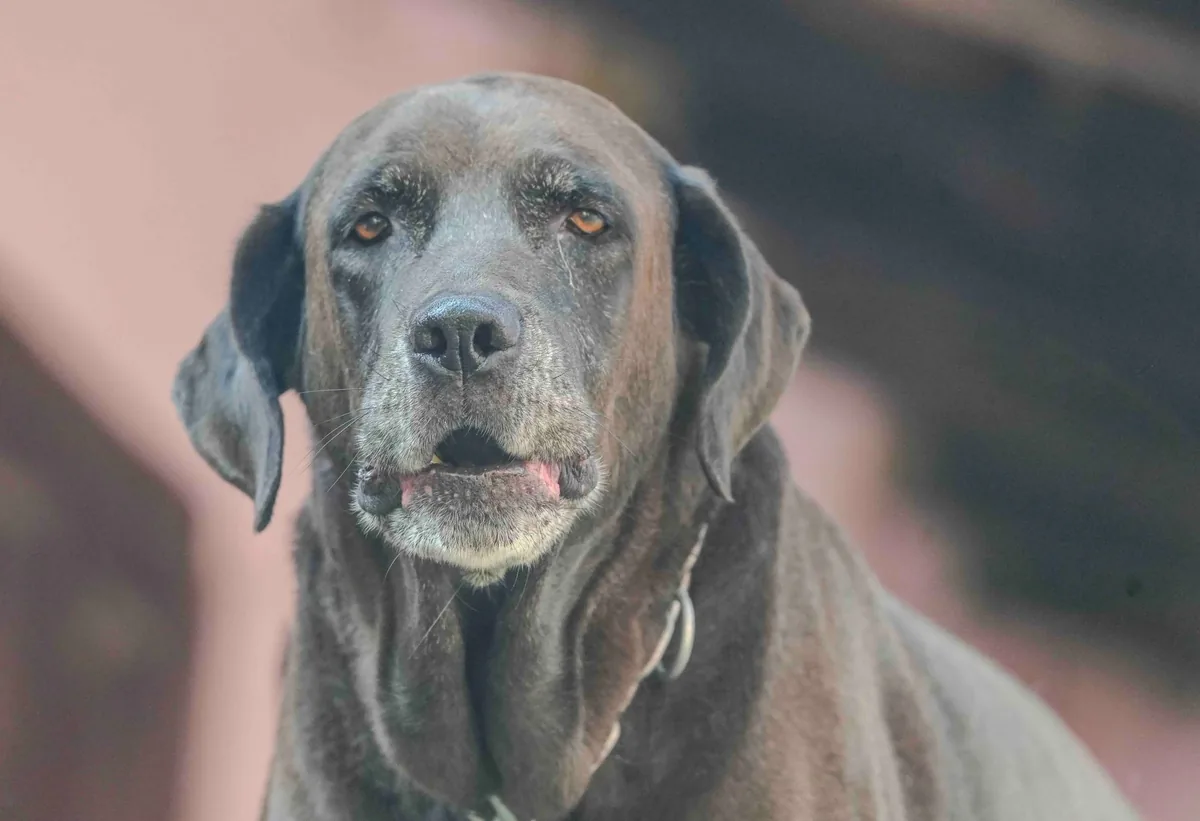
It’s 9 p.m., the hallway lights are on, and you’ve just watched your 9‑year‑old Black Labrador hesitate before stepping onto the couch. The usual enthusiastic tail wag is missing, and a quick glance at the gums shows a faint pink instead of the bright red you’re used to. Your heart races as you Google “why won’t my dog walk,” and the phrase “degenerative myelopathy” appears on the screen. You’re not alone—many owners first notice DM when a beloved senior dog starts stumbling or drags a rear paw.
We understand the mix of fear, guilt, and hope that floods in at that moment. The good news is that, while DM is a serious, ultimately terminal condition, there are evidence‑based steps you can take today to improve quality of life and possibly extend the time your dog stays on its feet. In this guide we’ll explain what DM is, why some breeds are predisposed, how vets confirm the diagnosis, what treatments and therapies are available, how much caring for a DM dog typically costs, and what you can do at home to keep your companion comfortable.
Read on for a clear roadmap—starting with the earliest signs you can spot, moving through diagnostic options (including the important genetic test), and ending with diet, physiotherapy, and budgeting tips. We’ll also highlight the red‑flag symptoms that require an emergency visit.
What is degenerative myelopathy?
Degenerative Myelopathy (DM) is a slowly progressive disease of the spinal cord’s white matter. In plain language, the nerves that carry signals from the brain to the hind limbs gradually break down, leading to loss of coordination and strength. The condition is most common in older dogs, typically appearing after seven years of age.
Genetically, DM is strongly linked to a mutation in the SOD1 gene (superoxide dismutase‑1). Dogs that inherit two copies of the faulty allele (homozygous) have a markedly higher risk of developing the disease. The mutation is autosomal recessive, meaning that carriers (one copy) appear healthy but can pass the gene to offspring.
According to the American College of Veterinary Internal Medicine (ACVIM) and the Merck Veterinary Manual, DM accounts for roughly 10–15 % of progressive spinal cord disorders in dogs, making it one of the more common neurodegenerative conditions in senior canines.
What causes it?
While the SOD1 mutation is the primary driver, several factors influence disease onset and progression:
| Factor | Explanation |
|---|---|
| Genetic predisposition | Homozygous SOD1 mutation (AA genotype) dramatically raises risk. |
| Age | Most cases appear after 7 years; the disease rarely manifests in puppies. |
| Breed susceptibility | Certain breeds carry the mutation more often (see “Breeds most prone” below). |
| Environmental stress | Trauma or chronic inflammation may accelerate nerve degeneration, though this is not fully proven. |
Signs and symptoms
DM progresses through three broadly recognized stages. Early detection is key because physiotherapy and supplements work best before severe weakness sets in.
| Stage | Typical signs | Owner observations |
|---|---|---|
| Mild (Stage 1) | Hind‑limb weakness, occasional stumbling, difficulty rising from a sitting position. | Dog may “drag” a rear paw or hesitate on stairs. |
| Moderate (Stage 2) | Persistent ataxia (uncoordinated gait), knuckling of paws, decreased activity. | Dog may slide sideways, have trouble holding a stand. |
| Severe (Stage 3) | Paralysis of hind limbs, urinary incontinence, loss of tail tone. | Dog can no longer walk unaided; may need a wheelchair. |
Other subtle clues include a change in gait when walking on carpet versus hardwood, a reduced willingness to play fetch, and occasional “spastic” muscle contractions. Vision is usually preserved because DM affects the spinal cord, not the optic nerves.
Because these signs overlap with spinal cord tumors, intervertebral disc disease, and tick‑borne infections, a definitive diagnosis requires veterinary testing.
When to call your vet
Call your vet today if you notice any of the following:
- Hind‑leg wobble or knuckling when the dog walks.
- Difficulty rising from a lying position.
- Reluctance to climb stairs or jump onto furniture.
- Any new loss of coordination, even if mild.
Go to an emergency veterinary hospital right now if you see:
- Sudden, severe paralysis of one or both hind legs.
- Loss of bladder or bowel control.
- Signs of pain (whining, vocalizing, or guarding the back).
- Rapid deterioration within hours.
These red flags could indicate a spinal cord injury, tumor, or severe DM flare‑up that needs immediate intervention.
This article is for educational purposes only and does not replace a hands‑on veterinary exam.
How vets diagnose it
Diagnosing DM is a process of exclusion combined with specific testing:
- History and physical exam: Your vet will ask about the onset of gait changes, ask you to describe any episodes of stumbling, and perform a neurological exam to assess reflexes and proprioception.
- Blood work and urinalysis: These rule out metabolic disorders (e.g., hypothyroidism) and infectious causes that can mimic DM.
- Magnetic Resonance Imaging (MRI): MRI visualizes the spinal cord and can differentiate DM from compressive lesions like tumors or disc herniations. In DM, MRI often shows a diffuse, symmetrical hyperintensity in the thoracolumbar white matter.
- CSF (cerebrospinal fluid) analysis: By sampling fluid from the spinal canal, vets can look for inflammatory cells that would suggest infection or neoplasia. A normal CSF does not rule out DM but helps exclude other causes.
- Genetic testing for the SOD1 mutation: A cheek swab or blood sample can confirm whether the dog is homozygous (AA), heterozygous (AG), or clear (GG). A positive AA result, together with compatible clinical signs, strongly supports a DM diagnosis.
Because no single test is definitive, veterinarians often combine MRI findings with a positive genetic test and a compatible clinical picture before confirming DM.
Treatment options
Medical treatment
There is no cure for DM, but several drug classes can help manage secondary complications:
- Neuroprotective agents: Supplements like cysteine or omeprazole have been studied for antioxidant effects, though evidence is mixed. Your vet may discuss these as part of a broader plan.
- Anti‑inflammatory medications: Non‑steroidal anti‑inflammatory drugs (NSAIDs) such as carprofen can reduce inflammation if a concurrent arthritis flare is present.
- Muscle relaxants: Drugs like methocarbamol may alleviate occasional muscle spasms.
- Urinary incontinence management: Phenylpropanolamine or prescription diapers can help keep the dog comfortable if bladder control is lost.
Whenever a medication is mentioned, ask your vet about the appropriate dose, potential side effects, and whether it fits your dog’s overall health profile.
Supplements and supportive care
Evidence‑based adjuncts that many owners find helpful include:
- Omega‑3 fatty acids (EPA/DHA): Found in fish oil, they have anti‑inflammatory properties and may support nerve health. A typical recommendation is 20–40 mg EPA per kilogram of body weight daily, but your vet will tailor the amount.
- Antioxidant blends: Vitamin E (alpha‑tocopherol) and coenzyme Q10 are sometimes used to combat oxidative stress in the spinal cord.
- Vitamin B‑complex: B‑vitamins (especially B12 and B6) support nerve metabolism; a daily supplement may be suggested.
- Probiotics: Maintaining gut health can improve overall immunity and nutrient absorption, which is valuable for any senior dog.
These supplements are not a cure, but they can improve comfort and may modestly slow nerve degeneration when combined with physiotherapy.
Procedures or surgery
Because DM is a neurodegenerative disease, surgery does not reverse the condition. However, surgical decompression may be required if a concurrent disc herniation or tumor is identified on MRI. In such cases, spinal surgery can alleviate pain and improve mobility, but it does not address the underlying DM process.
When surgery is indicated, recovery typically involves 2–4 weeks of restricted activity followed by a structured physiotherapy program. Costs vary widely—hospital fees alone can range from $2,500 to $7,000 in the United States, with additional expenses for implants or implants if needed.
Diet and nutrition
Nutrition plays a supportive role in managing DM. While no diet can stop nerve degeneration, feeding a balanced, easily digestible diet can keep your senior dog at a healthy weight, preserve muscle mass, and reduce inflammation.
Key nutritional principles for a dog with DM include:
- High‑quality protein: Choose foods with named animal proteins (e.g., chicken, salmon) as the first ingredient. Protein supports muscle maintenance, which is crucial as mobility declines.
- Moderate fat, rich in omega‑3s: Incorporate fish oil or a commercial diet formulated with added EPA/DHA. These fatty acids help curb systemic inflammation.
- Controlled calories: Overweight dogs put extra strain on weakened limbs. Aim for a body condition score (BCS) of 4‑5/9.
- Limited simple carbohydrates: Excess carbs can promote weight gain without providing essential nutrients.
- Antioxidant‑rich ingredients: Blueberries, carrots, and spinach add vitamins C and E, which may protect neural tissue.
Prescription therapeutic diets are not specifically required for DM, but some veterinarians recommend a “senior” or “joint‑support” formula because they often contain glucosamine, chondroitin, and added omega‑3s. Brands differ, so discuss options with your vet rather than selecting based on marketing alone.
| Food choice | Do feed | Limit | Avoid |
|---|---|---|---|
| High‑protein kibble or wet food with named meat | ✔️ | — | — |
| Fish oil supplement | ✔️ | — | — |
| High‑fat treats, cheese, or fried foods | — | ⚠️ | — |
| Excessive grain‑heavy diets | — | ⚠️ | — |
| Raw bones (large, splintery) | — | — | ❌ |
Transition any new diet gradually over 7‑10 days to avoid gastrointestinal upset—mix a small amount of the new food with the current diet, increasing the proportion each day.
Hydration is also important. Offer fresh water at all times, and consider adding low‑salt broth to meals if your dog is reluctant to drink.
For personalized feeding guidelines, you can use our dog calorie calculator to estimate daily energy needs based on weight, age, and activity level.

Cost and prognosis
Because DM is progressive, costs accumulate over time. Below are typical expense ranges (estimates, U.S. dollars) based on a medium‑size dog:
| Expense category | Estimated range |
|---|---|
| Initial diagnostics (MRI, CSF, genetic test) | $1,200–$2,500 |
| Physiotherapy (12‑week program) | $800–$1,500 |
| Monthly supplements (fish oil, antioxidants) | $30–$70 |
| Assistive devices (dog wheelchair, ramps) | $400–$2,000 |
| End‑of‑life care (euthanasia, cremation) | $300–$800 |
In the United Kingdom, similar services typically cost £800–£1,800 for imaging and £500–£1,200 for physiotherapy, with supplements priced around £20–£50 per month.
Prognosis varies. Most dogs live 6–12 months after diagnosis, though some, especially those caught early and kept active, can survive 2–3 years. Quality of life is the most meaningful metric—regular assessments of mobility, pain, and enjoyment help decide when to adjust the care plan.
Prevention and home care
Because the genetic mutation cannot be altered, prevention focuses on responsible breeding and early detection:
- Genetic screening: Reputable breeders use DNA testing to avoid mating two carriers. If you own a breed with a high carrier rate, consider testing your dog before breeding.
- Weight management: Keeping your dog at a healthy weight reduces stress on the spinal cord.
- Regular veterinary check‑ups: Annual exams for senior dogs should include a gait assessment, especially for at‑risk breeds.
- Home modifications: Install non‑slip rugs, low‑height ramps, and orthopedic beds to make daily movement safer.
- Physical therapy at home: Gentle range‑of‑motion exercises (e.g., “sit‑to‑stand” drills) and underwater treadmill sessions can preserve muscle tone. Your vet can prescribe a set of stretches; a typical routine might include 5‑minute sessions twice daily.
Monitoring your dog’s “baseline” gait—how they walk on a smooth surface—helps you notice subtle changes early. Keep a short video diary if you’re comfortable; sharing the footage with your vet can speed up the diagnostic process.
Diet and nutrition
Nutrition plays a supportive role in managing DM. While no diet can stop nerve degeneration, feeding a balanced, easily digestible diet can keep your senior dog at a healthy weight, preserve muscle mass, and reduce inflammation.
Key nutritional principles for a dog with DM include:
- High‑quality protein: Choose foods with named animal proteins (e.g., chicken, salmon) as the first ingredient. Protein supports muscle maintenance, which is crucial as mobility declines.
- Moderate fat, rich in omega‑3s: Incorporate fish oil or a commercial diet formulated with added EPA/DHA. These fatty acids help curb systemic inflammation.
- Controlled calories: Overweight dogs put extra strain on weakened limbs. Aim for a body condition score (BCS) of 4‑5/9.
- Limited simple carbohydrates: Excess carbs can promote weight gain without providing essential nutrients.
- Antioxidant‑rich ingredients: Blueberries, carrots, and spinach add vitamins C and E, which may protect neural tissue.
Prescription therapeutic diets are not specifically required for DM, but some veterinarians recommend a “senior” or “joint‑support” formula because they often contain glucosamine, chondroitin, and added omega‑3s. Brands differ, so discuss options with your vet rather than selecting based on marketing alone.
| Food choice | Do feed | Limit | Avoid |
|---|---|---|---|
| High‑protein kibble or wet food with named meat | ✔️ | — | — |
| Fish oil supplement | ✔️ | — | — |
| High‑fat treats, cheese, or fried foods | — | ⚠️ | — |
| Excessive grain‑heavy diets | — | ⚠️ | — |
| Raw bones (large, splintery) | — | — | ❌ |
Transition any new diet gradually over 7‑10 days to avoid gastrointestinal upset—mix a small amount of the new food with the current diet, increasing the proportion each day.
Hydration is also important. Offer fresh water at all times, and consider adding low‑salt broth to meals if your dog is reluctant to drink.
For personalized feeding guidelines, you can use our dog calorie calculator to estimate daily energy needs based on weight, age, and activity level.
Cost and prognosis
Because DM is progressive, costs accumulate over time. Below are typical expense ranges (estimates, U.S. dollars) based on a medium‑size dog:
| Expense category | Estimated range |
|---|---|
| Initial diagnostics (MRI, CSF, genetic test) | $1,200–$2,500 |
| Physiotherapy (12‑week program) | $800–$1,500 |
| Monthly supplements (fish oil, antioxidants) | $30–$70 |
| Assistive devices (dog wheelchair, ramps) | $400–$2,000 |
| End‑of‑life care (euthanasia, cremation) | $300–$800 |
In the United Kingdom, similar services typically cost £800–£1,800 for imaging and £500–£1,200 for physiotherapy, with supplements priced around £20–£50 per month.
Prognosis varies. Most dogs live 6–12 months after diagnosis, though some, especially those caught early and kept active, can survive 2–3 years. Quality of life is the most meaningful metric—regular assessments of mobility, pain, and enjoyment help decide when to adjust the care plan.
Prevention and home care
Because the genetic mutation cannot be altered, prevention focuses on responsible breeding and early detection:
- Genetic screening: Reputable breeders use DNA testing to avoid mating two carriers. If you own a breed with a high carrier rate, consider testing your dog before breeding.
- Weight management: Keeping your dog at a healthy weight reduces stress on the spinal cord.
- Regular veterinary check‑ups: Annual exams for senior dogs should include a gait assessment, especially for at‑risk breeds.
- Home modifications: Install non‑slip rugs, low‑height ramps, and orthopedic beds to make daily movement safer.
- Physical therapy at home: Gentle range‑of‑motion exercises (e.g., “sit‑to‑stand” drills) and underwater treadmill sessions can preserve muscle tone. Your vet can prescribe a set of stretches; a typical routine might include 5‑minute sessions twice daily.
Monitoring your dog’s “baseline” gait—how they walk on a smooth surface—helps you notice subtle changes early. Keep a short video diary if you’re comfortable; sharing the footage with your vet can speed up the diagnostic process.
From our vet team: “Degenerative Myelopathy is a tough diagnosis, but early physiotherapy and a balanced diet can buy precious months of mobility. The biggest gift you can give your dog is a calm, supportive environment and a routine that keeps muscles active without over‑exertion.”
Key takeaways
- Degenerative Myelopathy is a genetic, progressive spinal cord disease most common in senior dogs, especially certain breeds.
- Early signs are subtle—hind‑leg wobble, difficulty rising, or knuckling on stairs—so act quickly if you notice any gait changes.
- Diagnosis combines MRI, CSF analysis, and a DNA test for the SOD1 mutation; a definitive diagnosis often requires all three.
- Treatment focuses on physiotherapy, omega‑3 supplements, and managing secondary issues; no cure exists but progression can be slowed.
- Expect ongoing costs for diagnostics, therapy, supplements, and possible assistive devices; budgeting early helps reduce stress later.
- Maintain a healthy weight, use non‑slip surfaces, and engage in regular, low‑impact exercises to preserve quality of life.
Myth vs. fact
Myth: Degenerative Myelopathy can be cured with a special diet or supplement.
Fact: No diet or supplement can reverse DM; they can only support overall health and possibly slow progression.
Myth: Only large breeds get DM.
Fact: While large breeds like German Shepherds and Boxers are at higher risk, medium‑size breeds (e.g., Pembroke Welsh Corgis) also carry the SOD1 mutation.
Myth: If a dog can still walk, DM isn’t serious.
Fact: Early‑stage DM can be managed, but the disease inevitably progresses; early intervention improves quality of life.
Frequently asked questions
What causes degenerative myelopathy in dogs?
Degenerative Myelopathy is caused by a hereditary mutation in the SOD1 gene that leads to gradual loss of spinal cord white‑matter fibers. The mutation is autosomal recessive, so dogs need two copies to develop the disease.
How can I tell if my dog has degenerative myelopathy?
The quickest clue is hind‑leg weakness that worsens over weeks. A vet will confirm the diagnosis with MRI, CSF analysis, and a DNA test for the SOD1 mutation.
Is there a cure for degenerative myelopathy?
There is currently no cure. Treatment aims to slow progression, maintain mobility, and keep your dog comfortable through physiotherapy, supplements, and supportive care.
What treatments can slow the progression of degenerative myelopathy?
Regular physiotherapy (including underwater treadmill), omega‑3 fatty acid supplementation, and antioxidant vitamins (E and C) are the most evidence‑based options for slowing nerve degeneration.
How much does caring for a dog with degenerative myelopathy cost?
Initial diagnostics can run $1,200–$2,500, while ongoing physiotherapy, supplements, and assistive devices may add $1,000–$3,000 per year. The cost calculator can help you plan a budget.
Which dog breeds are most at risk for degenerative myelopathy?
Breeds with the highest carrier rates include German Shepherd, Pembroke Welsh Corgi, Boxer, Chesapeake Bay Retriever, and Rhodesian Ridgeback. Testing is recommended for any dog of these breeds.
Ask the PuppaDogs community
Have a question this article didn’t fully answer? Want to compare notes with other dog owners who’ve been through this? Our community forum is moderated by experienced owners and vets — and answers tend to come fast. Ask in the PuppaDogs community →
References
- American College of Veterinary Internal Medicine (ACVIM). “Degenerative Myelopathy.” 2023 guideline.
- Merck Veterinary Manual. “Degenerative Myelopathy in Dogs” chapter. 2022 edition.
- American Veterinary Medical Association (AVMA). “Canine Genetic Testing and Screening.” 2021.
- World Small Animal Veterinary Association (WSAVA). “Guidelines for Neurological Examination in Dogs.” 2020.
- American Animal Hospital Association (AAHA). “Senior Dog Care Recommendations.” 2022.
- Cornell University College of Veterinary Medicine. “Physical Rehabilitation for Dogs.” 2023.
- National Institute of Neurological Disorders (NIND). “SOD1 Gene and Canine Neurodegeneration.” 2021.
- Veterinary Partner. “Omega‑3 Fatty Acids for Dogs.” 2023.
- British Veterinary Association (BVA). “Cost of Veterinary Imaging in the UK.” 2022.
- American Kennel Club (AKC). “Breed Health Surveys – Degenerative Myelopathy.” 2022.


