













Quick take: Degenerative Skin Disorder (necrotic or necrolytic dermatitis) is a rare, often painful skin disease that usually stems from zinc or amino‑acid deficiencies, liver or pancreatic disease, or an inherited metabolic flaw. Early signs include greasy, reddened patches and cracked footpads; if left untreated, lesions can become ulcerated and lead to infection. Prompt veterinary care, a zinc‑rich diet, and targeted supplements can control most cases, though lifelong management is common.
It’s 9 p.m., and you’re scrolling through pet forums while your 12‑year‑old mixed‑breed dog, Max, lies on the couch rubbing his front paws against the carpet. The spots on his elbows look scaly, his nose is a little dry, and his usual enthusiasm for a quick game of fetch has faded to a sluggish wag. Your heart jumps—could this be a simple allergy, or something more serious?
We’ve seen many owners describe that exact moment: a subtle change in skin texture that quickly becomes a worrying, painful‑looking rash. The good news is that necrolytic dermatitis, while uncommon, is usually manageable with the right diagnosis and a focused treatment plan. Below we break down what the condition is, why it happens, how to spot it early, and what you can do to help Max feel comfortable again.
In this guide we’ll cover the science behind the disease, the typical signs you might see, the diagnostic steps your vet will take, treatment options (including diet and supplements), cost estimates, and practical prevention tips. If you’re reading this at 2 a.m., keep breathing—most dogs respond well to therapy, and we’ve got a roadmap to get you there.
What is Degenerative Skin Disorder (Necrolytic Dermatitis) in Dogs?
Degenerative skin disorder, also called necrolytic dermatitis, is an inflammatory skin condition where the outer layers of the skin break down (necrosis) due to metabolic imbalances. In plain language, the dog’s skin cells can’t get the nutrients they need to stay healthy, so they start to die and flake off. The disease is considered “degenerative” because the skin damage can worsen over weeks if the underlying problem isn’t corrected.
It’s rare—estimated to affect fewer than 1 % of the canine population—but certain breeds (German Shepherds, Yorkshire Terriers, and Miniature Schnauzers) appear more prone. Most cases are reported in adult to senior dogs, typically between 7 and 12 years of age, though young dogs can be affected when a genetic defect is present.
What causes it?
The exact trigger varies, but most veterinarians agree on three major categories:
- Zinc deficiency: Low blood zinc levels impair skin cell turnover. This can be primary (dietary) or secondary to malabsorption.
- Amino‑acid or protein deficiency: Inadequate intake or poor liver function reduces the availability of essential building blocks for skin.
- Liver or pancreatic disease: Chronic hepatitis, pancreatic insufficiency, or endocrine disorders (e.g., diabetes) can alter nutrient metabolism, leading to skin breakdown.
Genetic factors also play a role. Certain breeds carry mutations that affect zinc transport or amino‑acid processing, making them more vulnerable.
Signs and symptoms
Necrolytic dermatitis often starts subtly and progresses rapidly if untreated. Below is a typical progression:
| Stage | What you might notice |
|---|---|
| Early (mild) | Dry, flaky patches on elbows, hocks, or paw pads; occasional itching; slight hair loss. |
| Moderate | Red, greasy lesions that may ooze; cracking of footpads; licking or chewing of affected areas; reduced appetite. |
| Severe | Deep ulcerations, crusting, secondary bacterial infection, foul odor, lethargy, weight loss, and possible fever. |
Other clues include a “straw‑like” odor from the skin, a dull coat, and occasional nail brittleness. Because the disease can mimic zinc‑deficiency skin disease, a vet will need to run specific tests to differentiate them.
When to call your vet
Call your vet today if you notice any of the following:
- Dry or flaky patches on elbows, hocks, or paw pads.
- Redness, cracking, or mild oozing of skin.
- Decreased appetite or mild lethargy.
Go to an emergency veterinary hospital right now if you see:
- Deep ulcerations that are bleeding or have a foul odor.
- Severe swelling, fever, or signs of systemic illness (vomiting, collapse).
- Rapid spreading of lesions despite basic home care.
This article is for informational purposes only and does not replace a hands‑on veterinary examination.
How vets diagnose it
Diagnosing necrolytic dermatitis is a stepwise process:
- History and physical exam: Your vet will ask about diet, recent illnesses, and will examine the skin lesions closely.
- Blood work: A complete blood count (CBC) and serum chemistry panel check for liver enzymes, pancreatic lipase, and especially serum zinc levels. Low zinc is a hallmark, but normal levels don’t rule out the disease.
- Urinalysis: Looks for protein loss that can accompany liver disease.
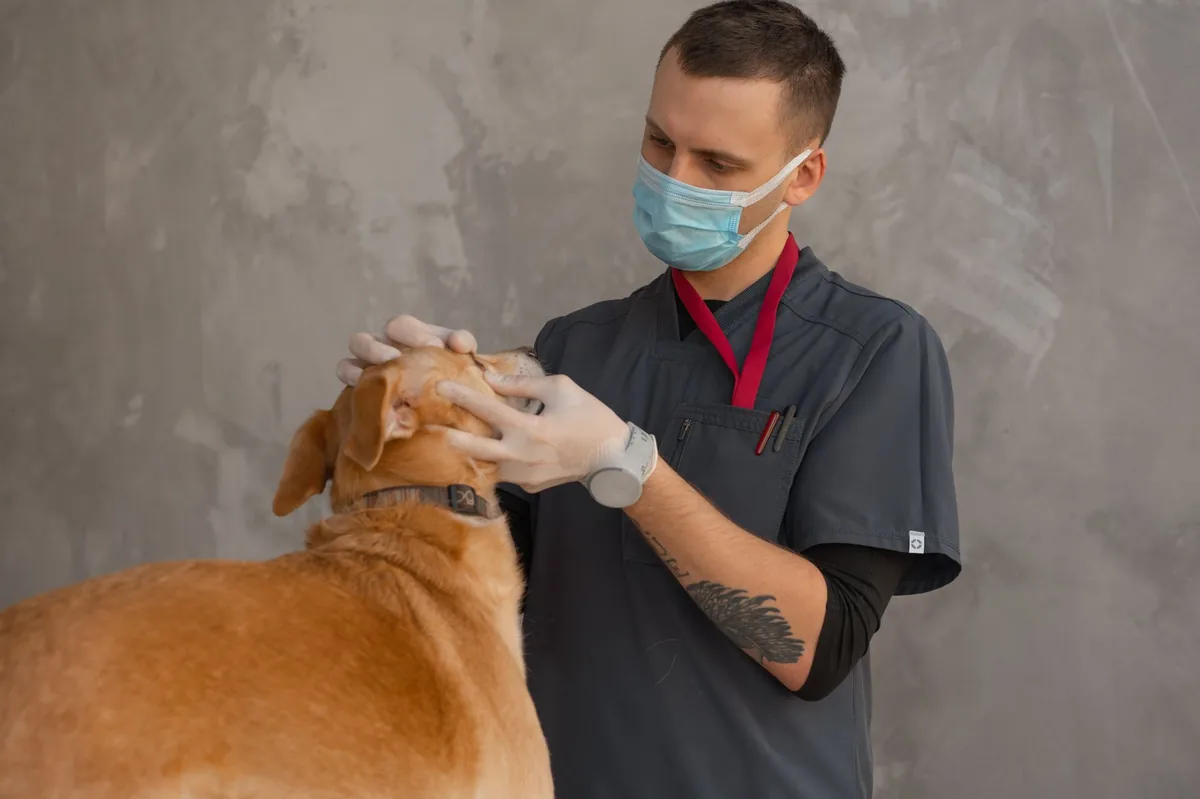
- Skin biopsy: A small sample of affected skin is examined under a microscope. The biopsy shows characteristic “necrotic epidermis” and helps separate necrolytic dermatitis from other skin conditions.
- Additional imaging: Abdominal ultrasound may be recommended if liver or pancreatic disease is suspected.
These tests together give the vet a clear picture of the underlying metabolic problem and guide treatment.
Treatment options
Medical treatment
Once the underlying cause is identified, the standard medical approach includes:
- Zinc supplementation: Oral zinc gluconate or zinc sulfate is the most common therapy. Your vet will tailor the dose to your dog’s weight and blood levels.
- Immunosuppressants: If an autoimmune component is suspected, drugs like prednisone or cyclosporine may be used to calm inflammation.
- Antibiotics: Secondary bacterial infections are frequent; broad‑spectrum agents such as amoxicillin‑clavulanate are often prescribed.
- Anti‑inflammatory meds: Non‑steroidal anti‑inflammatory drugs (NSAIDs) like carprofen can relieve pain, but only under veterinary supervision because they can affect the kidneys.
- Ask your vet about each of these options; dosing will depend on your dog’s size, severity, and any concurrent health issues.
Supplements and supportive care
Evidence‑based adjuncts can improve skin healing:
- Omega‑3 fatty acids (EPA/DHA): Found in fish oil, they reduce inflammation and support the skin barrier.
- Vitamin B complex: B‑vitamins (especially B6 and B12) assist in amino‑acid metabolism; a B‑complex supplement is often recommended.
- Probiotics: A healthy gut can improve nutrient absorption, which is crucial when the liver or pancreas is compromised.
- Biotin: Supports keratin production; helpful for brittle nails and hair.
- These supplements should be introduced gradually and always discussed with your vet to avoid interactions.
Procedures or surgery
Most cases resolve with medical management, but severe ulcerations may require:
- Debridement: Gentle cleaning of necrotic tissue to promote healing.
- Skin grafts or flaps: In rare, chronic wounds where tissue loss is extensive, a surgical graft may be needed.
- Recovery from these procedures can add $1,500–$3,000 USD to the overall cost, and a specialist (board‑certified surgeon) may be involved.
Diet and nutrition
Nutrition is a cornerstone of both treatment and prevention. The goal is to provide readily absorbable zinc, high‑quality protein, and balanced amino acids while minimizing any dietary factors that could worsen skin inflammation.
Key principles:
- High‑quality, highly digestible protein: Ingredients like chicken, turkey, or fish provide essential amino acids without taxing the liver.
- Zinc‑rich foods: Beef liver, pumpkin seeds, and fortified kibble can boost zinc intake. Prescription diets often contain added zinc chelates for reliable absorption.
- Limited simple carbohydrates: Excess carbs can promote inflammation and weight gain, which strains the liver.
- Low‑fat, moderate‑calorie: Dogs with liver disease benefit from reduced fat to ease hepatic workload.
- Avoid raw diets that lack balanced minerals: Unless carefully formulated, raw meals may be low in zinc and other trace minerals.
Below is a quick reference for feeding decisions:
| Do feed | Limit | Avoid |
|---|---|---|
| Cooked lean meats (chicken, turkey, fish) | Grains (especially wheat) | Raw bones without mineral supplementation |
| Zinc‑fortified commercial diet (prescription or high‑quality kibble) | High‑fat treats | Excessive cheese or processed snacks |
| Cooked pumpkin or sweet potato (vitamin A, fiber) | Excessive salt | Unbalanced homemade diets without a vet‑approved recipe |
For dogs with confirmed necrolytic dermatitis, many vets recommend a therapeutic hepatic diet (often labeled “liver support”) because these formulas are lower in copper (which can exacerbate liver disease) and higher in zinc and high‑quality protein. Brands vary, but the AAHA Nutrition Committee advises selecting a diet that meets AAFCO nutrient profiles and is formulated for liver support.
Transitioning to a new diet should be gradual: mix 25 % new food with 75 % old food for the first 2–3 days, then increase the new portion over a week. This helps prevent gastrointestinal upset and gives the skin time to adjust to the new nutrient profile.
Don’t forget water—adequate hydration supports skin elasticity and overall organ function. If your dog is reluctant to drink, consider a water fountain or adding a splash of low‑sodium broth to the bowl.
Cost and prognosis
Because necrolytic dermatitis often requires a multi‑step workup, the initial diagnostic cost can vary:
- Blood panel (CBC, chemistry, zinc level): $150–$250 USD (≈ £120–£200).
- Skin biopsy and pathology: $200–$400 USD (≈ £160–£320).
- Abdominal ultrasound (if liver disease suspected): $300–$600 USD (≈ £250–£500).
Once a treatment plan is set, ongoing expenses may include:
- Zinc supplement (monthly supply): $30–$60 USD.
- Prescription diet (monthly bag of kibble): $60–$120 USD.
- Follow‑up vet visits (every 4–6 weeks initially): $80–$150 USD per visit.
- Potential antibiotics or anti‑inflammatories: $20–$80 USD per month.
Overall, owners can expect $1,000–$2,500 USD in the first year, with maintenance costs of $300–$600 USD per year thereafter. In the UK, similar care typically ranges from £800–£1,800 in the first year, then £200–£500 annually.
Prognosis depends on the underlying cause and how quickly treatment begins. Dogs with pure zinc deficiency often improve dramatically within weeks, while those with chronic liver disease may require lifelong management. In most cases, quality of life is good once the skin heals and the diet is stabilized.
Prevention and home care
While you can’t change a dog’s genetics, several everyday habits can reduce the risk of necrolytic dermatitis:
- Balanced nutrition: Feed a complete, AAFCO‑approved diet that includes adequate zinc and high‑quality protein. Use the PuppaDogs nutrition calculator to ensure daily nutrient targets are met.
- Regular vet check‑ups: Annual blood work can catch low zinc or early liver changes before skin lesions appear.
- Gentle grooming: Keep paws clean and dry; after walks, wipe with a damp cloth to remove irritants.
- Avoid DIY supplements without guidance: Over‑supplementation of zinc can cause copper deficiency, which also harms the liver.
- Monitor weight: Maintaining an ideal body condition reduces stress on the liver and pancreas.
If your dog has already been diagnosed, keep a daily log of skin appearance, appetite, and any changes in behavior. This helps the vet adjust treatment promptly and can prevent flare‑ups.
From our vet team: “When necrolytic dermatitis first appears, owners often focus on the rash alone. In reality, the skin is a window into the dog’s metabolic health. Treating the underlying zinc or liver issue is just as important as soothing the skin. Consistent feeding of a zinc‑rich diet and regular blood checks are the best long‑term strategy.”
Key takeaways
- Necrolytic dermatitis is a metabolic skin disease, most often linked to zinc deficiency, liver or pancreatic problems, or breed‑related genetics.
- Early signs include dry, flaky patches on elbows, hocks, and paw pads; act quickly to prevent ulceration.
- Diagnosis requires blood work, zinc testing, and a skin biopsy to differentiate from other skin conditions.
- Effective treatment combines zinc supplementation, a high‑quality protein diet, and supportive supplements like omega‑3s.
- Long‑term management is common; regular vet visits and a balanced diet are essential for maintaining skin health.
Myth vs. fact
Myth: Necrolytic dermatitis is always caused by a poor diet.
Fact: While dietary zinc deficiency is a frequent trigger, the disease can also stem from liver disease, pancreatic insufficiency, or inherited metabolic defects.
Myth: Once the rash clears, the problem is solved.
Fact: The underlying metabolic issue often persists, so ongoing supplementation and diet adjustments are usually needed to keep the skin healthy.
Myth: Zinc supplements alone will cure the disease.
Fact: Zinc is vital, but treating any concurrent liver or pancreatic disease and providing supportive care are equally important for full recovery.
Frequently asked questions
What does necrolytic dermatitis look like on a dog’s skin?
It typically appears as greasy, red patches that may crust or crack, most often on the elbows, hocks, and paw pads. Early lesions are dry and flaky; later they can become ulcerated and emit a foul odor.
How is necrolytic dermatitis diagnosed in dogs?
Diagnosis starts with a thorough physical exam, followed by blood work to assess zinc, liver enzymes, and pancreatic markers. A skin biopsy confirms the characteristic necrotic epidermis and helps rule out other conditions.
Is necrolytic dermatitis life‑threatening for dogs?
It is rarely fatal on its own, but severe ulcerations can become infected and lead to systemic illness. Prompt treatment usually leads to a good prognosis, especially when the underlying cause is a simple zinc deficiency.
Can necrolytic dermatitis be prevented?
Feeding a balanced, zinc‑adequate diet, regular veterinary screenings, and keeping paws clean are the best preventive measures. Dogs with known liver disease should have their nutrition closely monitored.
What is the best diet for a dog with necrolytic dermatitis?
A high‑quality, highly digestible protein diet with added zinc is ideal. Prescription liver‑support formulas often meet these needs, and supplementing with fish oil and a vitamin B complex can further aid skin healing.
Will my dog need lifelong medication?
Many dogs require ongoing zinc supplementation and a maintenance diet. If liver or pancreatic disease is present, additional medications may be needed long‑term, but regular monitoring can often reduce dosages over time.
Ask the PuppaDogs community
Have a question this article didn’t fully answer? Want to compare notes with other dog owners who’ve been through this? Our community forum is moderated by experienced owners and vets — and answers tend to come fast. Ask in the PuppaDogs community →
References
- American Animal Hospital Association (AAHA) 2023 Canine Nutrition Guidelines.
- American Veterinary Medical Association (AVMA) “Skin Diseases of Dogs” – clinical overview.
- Merck Veterinary Manual, “Necrolytic Dermatitis (Zinc-Responsive Dermatosis)” chapter.
- World Small Animal Veterinary Association (WSAVA) Dermatology Guidelines, 2022.
- University of California, Davis Veterinary Medicine – “Zinc Deficiency in Dogs” resource.
- Cornell University College of Veterinary Medicine – “Liver Disease and Skin Manifestations” article.
- American College of Veterinary Internal Medicine (ACVIM) Consensus Statement on Hepatic Disease in Dogs, 2021.
- AAFP (American Association of Feline Practitioners) – cross‑species insights on necrolytic dermatitis (relevant for metabolic parallels).


