













Quick take: Degeneration of the cornea in dogs is a progressive, usually painless loss of corneal clarity that can lead to vision impairment. Most cases develop slowly, especially in certain breeds, and can be managed with eye drops, protective measures, and regular veterinary monitoring. Early detection and consistent care keep most dogs comfortable and functional for years.
It’s 9 p.m., and you’re scrolling through the night‑time feed‑schedule on your phone while your senior Beagle, Milo, sits quietly on the couch, his head tipped slightly to the side. You notice his eyes look a bit hazier than usual, and when you gently pull his ear back to check his ears, his gaze seems unfocused. Your heart jumps—you’ve Googled “why is my dog’s eye cloudy?” and the first result mentions corneal degeneration. The worry spikes, but you also remember the vet’s comment from last year about “early‑stage corneal changes.” You’re not alone; many owners first spot the subtle cloudiness during a routine grooming or a quiet moment at home.
Degeneration of the cornea in dogs, also called corneal dystrophy or progressive corneal opacity, can feel scary, but it’s often a manageable condition. In the next few minutes, we’ll explain what it is, why it happens, how to recognize it, when you should seek veterinary help, and what treatments and lifestyle tweaks can keep Milo—or any dog—seeing well and feeling comfortable.
We’ll also cover costs, diet tips, prevention ideas, and answer the most common questions owners ask after a diagnosis. If you’re looking for a quick checklist, jump to the “When to call your vet” section. For deeper details, keep reading.
What is degeneration of the cornea in dogs?
Degeneration of the cornea is a non‑infectious, progressive loss of transparency in the clear front window of the eye. The cornea normally lets light enter the eye without scattering, but in degeneration, microscopic changes—often deposits of protein or abnormal collagen—make the tissue look cloudy or gray. Over time, the cloudiness can thicken, leading to reduced visual acuity.
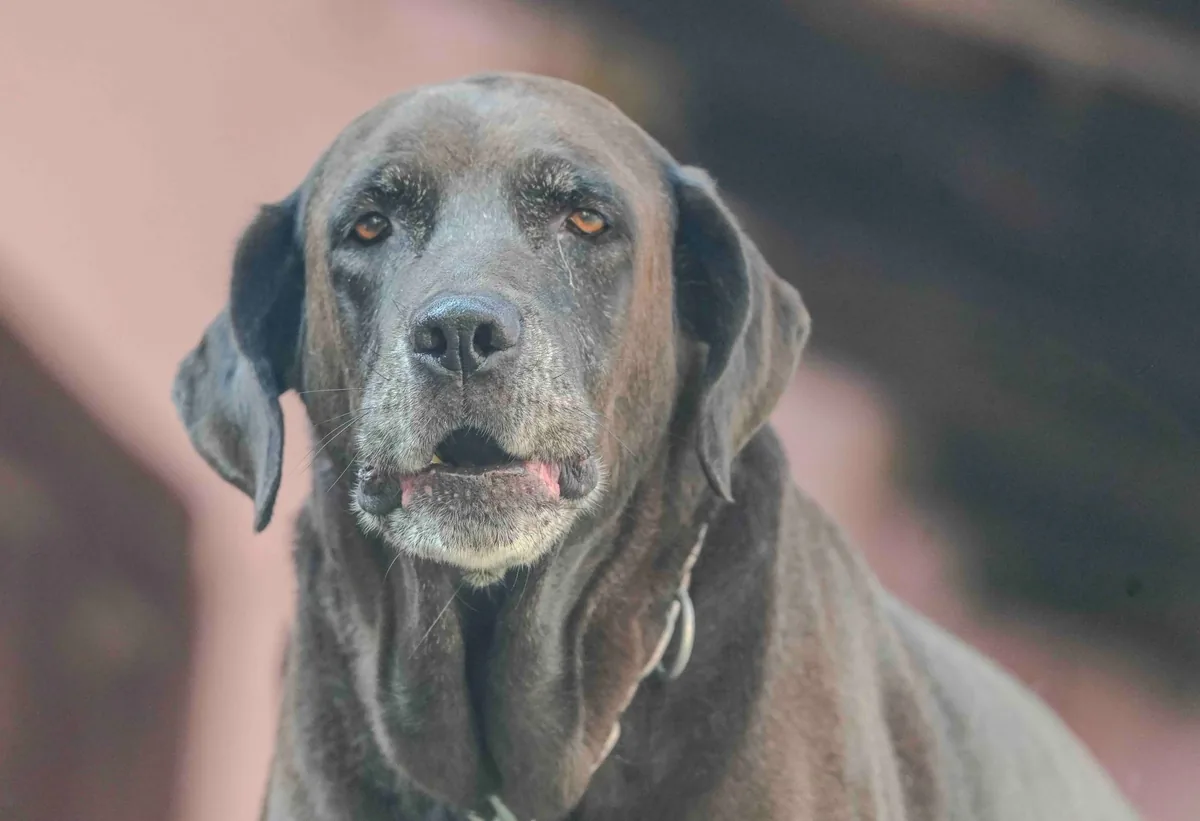
It’s a relatively common age‑related eye problem, especially in medium‑to‑large breeds such as Labrador Retrievers, Golden Retrievers, German Shepherds, and Standard Poodles. According to the American College of Veterinary Ophthalmologists (ACVO), corneal dystrophies affect roughly 2–5 % of the general dog population, but certain breeds have a higher predisposition.
What causes it?
The exact cause isn’t always clear, but several factors are known to increase risk:
| Category | Typical Factors |
|---|---|
| Genetic predisposition | Inherited corneal dystrophy genes in breeds like Labrador Retrievers, Golden Retrievers, and Bull Terriers. |
| Age‑related changes | Natural wear‑and‑tear of corneal cells, often seen after 5 years of age. |
| Metabolic or systemic disease | Chronic kidney disease, diabetes mellitus, or hypercalcemia can accelerate corneal clouding. |
| Environmental irritants | Chronic exposure to UV light, wind‑blown dust, or prolonged use of contact lenses (rare in dogs). |
While genetics set the stage, secondary factors such as nutrition, UV exposure, and underlying systemic illness can influence how quickly the degeneration progresses.
Signs and symptoms
Because degeneration is usually painless, owners often notice it only when the cloudiness becomes obvious. The signs can be grouped by severity:
| Severity | What you may see |
|---|---|
| Mild | Faint grayish haze, especially in bright light; dog may squint or appear “soft‑focused.” |
| Moderate | More pronounced opacity covering 25–50 % of the cornea; slight difficulty navigating stairs or finding toys. |
| Severe | Dense white or brown plaque covering most of the cornea; visible vision loss, bumping into objects, or reluctance to go outside. |
Other clues include a change in the way your dog tracks moving objects, increased clumsiness, or a sudden loss of interest in play. The eyes themselves typically remain non‑red and non‑painful unless a secondary ulcer forms.
When to call your vet
Call your vet today if you notice:
- Any new cloudiness or haziness in one or both eyes.
- Changes in your dog’s ability to navigate stairs, find toys, or locate food bowls.
- Persistent squinting, tearing, or rubbing of the eyes.
Go to an emergency veterinary hospital right now if you see:
- Sudden swelling, redness, or a visible ulcer (a raw spot) on the cornea.
- Bleeding from the eye or a sudden loss of vision accompanied by pain.
- Your dog is pawing at the eye repeatedly, indicating severe discomfort.
These red flags could signal a complication such as a corneal ulcer, infection, or glaucoma, which need immediate treatment.
This article provides general information and is not a substitute for professional veterinary care.
How vets diagnose degeneration of the cornea
When you bring your dog in, the ophthalmic exam starts with a detailed history: age, breed, any previous eye problems, and systemic illnesses. The vet will then perform a series of tests:
- Physical eye exam: The veterinarian evaluates the cornea’s clarity, checks for surface irregularities, and looks for signs of secondary ulcers.
- Fluorescein stain: A dye that highlights any breaks in the corneal surface. In pure degeneration, the stain stays clear.
- Schirmer tear test: Measures tear production to rule out dry eye, which can worsen corneal health.
- Tonometry: Checks intra‑ocular pressure to exclude glaucoma.
- Slit‑lamp biomicroscopy: A magnified view that lets the vet see the layers of the cornea, identifying deposit patterns typical of dystrophy.
- Blood work: When systemic disease is suspected, a CBC and chemistry panel may be ordered.
These diagnostics help differentiate primary corneal degeneration from other causes like infection, trauma, or cataracts.
Treatment options
Medical treatment
While there is no cure for the underlying degeneration, several medical strategies can slow progression and keep the eye comfortable:
- Topical lubricants: Preservative‑free artificial tears (e.g., sodium hyaluronate) keep the cornea moist and reduce irritation.
- Anti‑inflammatory eye drops: Low‑dose corticosteroid drops such as prednisolone acetate may be prescribed for short periods to control inflammation during flare‑ups.
- Matrix metalloproteinase inhibitors: Medications like doxycycline (oral) can help remodel abnormal collagen, though they are used off‑label and require vet supervision.
- Hyper‑osmotic agents: 5 % sodium chloride drops (e.g., Hypertonic Saline) can draw fluid out of the cornea, decreasing swelling.
Ask your vet about each option; the choice depends on the stage of degeneration, the presence of secondary ulcers, and your dog’s overall health.
Supplements and supportive care
Evidence supports certain supplements for general eye health, though they are not a stand‑alone treatment for corneal degeneration:
- Omega‑3 fatty acids (EPA/DHA): Found in fish‑oil supplements, these can reduce ocular inflammation and support tear film quality.
- Vitamin C and Vitamin E: Antioxidants may help protect corneal cells from oxidative stress, especially in older dogs.
- Beta‑carotene (precursor to Vitamin A): Supports retinal health; however, excessive amounts can be toxic, so follow the vet’s dosage recommendations.
These supplements are most helpful when paired with proper eye‑drop therapy and a balanced diet. Always discuss any new supplement with your veterinarian to avoid interactions.
Procedures or surgery
In advanced cases where the cornea becomes heavily scarred, a surgical option called a penetrating keratoplasty (corneal transplant) may be considered. This procedure replaces the diseased corneal tissue with donor tissue. It’s technically demanding, requires a specialist ophthalmologist, and carries risks such as graft rejection and infection.
Because the surgery is rare and costly (often $3,000–$6,000 in the US), most owners and vets opt for medical management unless vision loss is severe and the dog’s quality of life is compromised.
Diet and nutrition
While no single diet can reverse corneal degeneration, nutrition plays a supportive role in overall eye health and can lessen the speed of progression. Here’s what to focus on:
- High‑quality protein: Easily digestible protein sources (chicken, turkey, fish) reduce the metabolic load on the liver and kidneys, which indirectly supports ocular health.
- Omega‑3 fatty acids: Aim for at least 500 mg EPA + DHA per 10 lb of body weight daily. Commercial diets labeled “with added fish oil” or “Omega‑3 enriched” often meet this target.
- Antioxidant‑rich ingredients: Blueberries, cranberries, carrots, and sweet potatoes provide vitamins C and E, lutein, and zeaxanthin—compounds that protect eye cells from oxidative damage.
- Controlled calcium and phosphorus: Excess calcium can accelerate mineral deposits in the cornea. Choose balanced formulas that meet AAFCO guidelines without over‑supplementation.
- Limited sodium: High salt can increase fluid retention, potentially worsening corneal edema in some dogs.
Many veterinary nutritionists recommend a therapeutic “eye‑support” diet when corneal changes are evident. These diets are formulated to deliver optimal levels of omega‑3s, antioxidants, and controlled mineral content. Brands differ, but the key is to select a product that meets the American Association of Feed Control Officials (AAFCO) nutrient profile for maintenance.
Below is a quick reference for feeding decisions:
| Do feed | Limit | Avoid |
|---|---|---|
| High‑quality commercial kibble or wet food with added fish oil. | Human treats high in fat or sugar. | Raw foods high in calcium (e.g., unprocessed bone meal). |
| Fresh vegetables like carrots, pumpkin, and leafy greens. | Excessive cheese or dairy. | High‑salt snacks (e.g., processed meats). |
| Omega‑3 supplements if diet is not already enriched. | Large amounts of liver (vitamin A excess). | Any food with artificial colors or preservatives that may irritate the eyes. |
Transition to a new diet gradually over 7–10 days to avoid gastrointestinal upset. Mix a small amount of the new food with the current diet, increasing the proportion each day. Monitor stool consistency and appetite; if your dog shows signs of nausea or diarrhea, pause the change and contact your vet.
Finally, keep fresh water available at all times. Proper hydration supports tear production and overall ocular surface health.
Cost and prognosis
Expenses vary by region, severity, and chosen treatment plan. Below are typical US and UK cost brackets (estimates only):
| Service | US (USD) | UK (GBP) |
|---|---|---|
| Initial eye exam with fluorescein and Schirmer test | $80–$150 | £60–£120 |
| Topical medication (3‑month supply) | $30–$100 | £25–£80 |
| Specialty ophthalmic surgery (corneal transplant) | $3,000–$6,000 | £2,500–£5,000 |
| Supplements (omega‑3, antioxidants) | $20–$50 per month | £15–£40 per month |
| Follow‑up rechecks (2‑3 per year) | $50–$120 each | £40–£100 each |
Prognosis depends on the stage at diagnosis. Early‑stage degeneration often progresses slowly, and many dogs retain functional vision for years with diligent eye‑drop therapy and environmental protection. In later stages, vision may decline, but the condition rarely causes pain unless a secondary ulcer develops.
Prevention and home care
While genetics can’t be changed, owners can take steps to protect the cornea and slow degeneration:
- Regular veterinary eye exams: Yearly exams for adult dogs and semi‑annual for senior breeds catch changes early.
- UV protection: If your dog spends a lot of time outdoors, consider dog‑safe sunglasses or a hat for breeds with light‑colored eyes.
- Minimize eye trauma: Keep nails trimmed, avoid rough play that could lead to scratches, and use a muzzle if your dog is prone to eye‑rubbing after a walk.
- Maintain a clean environment: Dusty homes or high‑wind outdoor spaces can irritate the cornea; a well‑ventilated but filtered indoor area reduces exposure.
- Monitor systemic health: Regular blood work helps catch kidney or liver disease that can exacerbate corneal clouding.
At home, you can gently wipe away any discharge with a soft, damp cloth. If you notice a new spot or increased haziness, note the date and photograph the eye—this helps your vet track progression over time.
From our vet team: “Most dogs with corneal degeneration adapt remarkably well. The key is early detection, consistent topical therapy, and protecting the eye from secondary injuries. If you keep a close eye on changes and stay in touch with your veterinarian, you’ll often preserve your dog’s quality of life for many happy years.”
Key takeaways
- Degeneration of the cornea is a slow, usually painless clouding of the eye that can affect vision over time.
- Watch for hazy eyes, squinting, or clumsiness—these are early signals to schedule a veterinary exam.
- Topical lubricants, anti‑inflammatory drops, and omega‑3 supplements are the mainstays of medical management.
- Regular eye exams, UV protection, and a diet rich in antioxidants and omega‑3s help slow progression.
- Costs range from $80 for a basic exam to several thousand dollars for corneal transplant surgery; most dogs do well with inexpensive medical therapy.
- Contact your vet promptly if you see sudden redness, swelling, or your dog pawing at the eye, as these may signal an ulcer or infection that needs emergency care.
Myth vs. fact
Myth: Corneal degeneration always leads to blindness.
Fact: Many dogs retain functional vision for years, especially when the condition is caught early and treated with eye drops and protective care.
Myth: The condition can be cured with a special eye supplement.
Fact: Supplements support overall eye health but cannot reverse the structural changes of corneal degeneration; they work best as part of a comprehensive management plan.
Myth: Only purebred dogs get corneal degeneration.
Fact: While certain breeds are predisposed, mixed‑breed and even mixed‑heritage dogs can develop the condition, especially as they age.
Frequently asked questions
Can corneal degeneration be contagious?
No. Degeneration is a non‑infectious, genetic or age‑related change, so it cannot spread from dog to dog.
How much will treatment cost on average?
Typical medical management (exam, eye drops, and supplements) runs about $150–$300 per year in the US, while advanced surgery can exceed $5,000. Costs vary by region and the severity of the disease.
Will my dog need lifelong medication?
Most dogs require ongoing topical lubricants and occasional anti‑inflammatory drops for the rest of their lives. The exact regimen is tailored by your vet based on disease progression.
Is there a diet that can reverse corneal degeneration?
There is no diet that can reverse structural corneal changes, but a diet rich in omega‑3 fatty acids, high‑quality protein, and antioxidants can help slow further clouding and support overall eye health.
How quickly does the condition progress?
Progression is highly variable. Some dogs experience a gradual increase over many years, while others may see more rapid changes within months, especially if a secondary ulcer develops.
What should I ask my vet at the next visit?
Ask about the specific stage of degeneration, recommended eye‑drop schedule, any needed supplements, frequency of rechecks, and whether any systemic disease could be influencing the eye changes.
Ask the PuppaDogs community
Have a question this article didn’t fully answer? Want to compare notes with other dog owners who’ve been through this? Our community forum is moderated by experienced owners and vets — and answers tend to come fast. Ask in the PuppaDogs community →
References
- American College of Veterinary Ophthalmologists (ACVO). “Corneal Dystrophies and Degeneration in Dogs.” 2022 guidelines.
- American Animal Hospital Association (AAHA). “Guidelines for Ocular Examinations.” 2023.
- Merck Veterinary Manual. “Corneal Disease – Degeneration.” 2021 edition.
- Cornell University College of Veterinary Medicine. “Canine Eye Health.” 2022.
- World Small Animal Veterinary Association (WSAVA). “Nutritional Recommendations for Ocular Health.” 2021.
- American Veterinary Medical Association (AVMA). “Veterinary Ophthalmology: Diagnostic Techniques.” 2020.
- American Association of Feed Control Officials (AAFCO). “Dog Food Nutrient Profiles.” 2023.
- International Veterinary Information Service (IVIS). “Use of Omega‑3 Fatty Acids for Canine Ocular Disorders.” 2022.


