






Quick take: Cocker Spaniels are moderate‑drive family dogs who thrive on scent and retrieve work. They’re eager to please but can be “stubborn” when the task isn’t enticing. The single most important training priority is building reliable recall and focus, because their keen nose and friendly nature lead them to chase and greet everything.
Imagine a sunny Saturday at the local park. Your three‑month‑old Cocker Spaniel, “Bella,” darts after a tossed ball, then pauses, sniffs a passing jogger, and suddenly bolts toward a squirrel. You call “Come,” but the scent of the squirrel wins. This moment—half‑chase, half‑frustration—is the classic Cocker dilemma: a love of retrieve paired with a powerful scent drive that can override obedience.
Cocker Spaniels sit in the AKC Sporting group and the FCI Group 6 (Small Breeds). They weigh 20‑30 lb, stand 14‑15 in tall, and have a moderate‑drive profile that makes them perfect companions for families who want a dog that will both play and relax. Because their intelligence is coupled with a tendency to get distracted, a training plan that mixes obedience, scent work, and sport keeps them happy and well‑behaved.
Below we walk through the breed’s learning profile, the non‑negotiable foundations, age‑by‑age milestones, and a curated list of fifteen activities—each explained in depth—to help you turn that park‑scene chaos into a confident, well‑rounded Cocker Spaniel.

Understanding your Cocker Spaniel’s training profile
Trainability level. Cocker Spaniels are highly biddable when the reward matches their drive, but they display a degree of independence that can look like stubbornness. Their “soft‑moderate” sensitivity means they respond best to gentle, consistent guidance rather than harsh corrections.
Working line vs. show line. Working‑type Cockers retain a stronger retrieve and scent instinct, while show lines may be a touch more laid‑back. Both benefit from mental challenges, but working lines often need more structured outlet for energy.
Primary drives. Retrieve, scent, and companion are the three core motivators. Food and praise are high‑value rewards, and many Cockers also love a good game of tug or a frisbee for “play” motivation.
Sensitivity. Generally moderate; they can become anxious if scolded harshly. Positive reinforcement aligns with the AVSAB position that aversive methods increase fear and reduce learning efficiency.
Focus span & mental stamina. Short to moderate. They excel in short, varied sessions that keep their interest. Mixing obedience with scent games prevents mental fatigue.
Best motivators. High‑value treats (soft liver pâté works well), a favorite ball or squeaky toy, and enthusiastic verbal praise. Many Cockers also love “access” rewards like a quick game of fetch after a command.
Critical socialization window. 3–16 weeks is the prime period for exposure to people, other dogs, sounds, and surfaces. Because Cockers are naturally curious, early positive experiences prevent later fear‑based reactivity.
Common owner mistakes. Skipping short, frequent sessions; relying on “stop‑the‑barking” as a primary tool; and not providing enough scent‑based enrichment, which can lead to boredom‑driven digging or excessive vocalization.
Foundational training every Cocker Spaniel needs
- House training. Cockers usually catch on within 4‑6 weeks if a consistent routine is used. Use a designated spot, reward immediately, and keep accidents low‑stress.
- Name recognition + eye contact. Teach “Name” with a click or marker word followed by a treat; practice short “look” cues to build focus.
- Sit / down / stay / come. Use luring and shaping; keep sessions under five minutes to match their attention span.
- Loose‑leash walking. Cockers tend to pull on excitement; a front‑clip harness and gentle “turn‑away” correction work well without aversive pressure.
- Recall. Because the scent drive is strong, practice recall in low‑distraction environments, then gradually add scent or movement challenges.
- Crate training + settle. A cozy crate becomes a “safe den.” Pair crate entry with a treat pouch and a “settle” cue.
- Handling tolerance. Daily gentle handling of paws, ears, and mouth prevents fear at the vet. Use a marker and treat for each step.
- Alone‑time / separation tolerance. Begin with brief departures, using a “stay” cue and a calming scent (e.g., lavender) to ease anxiety.
Age‑by‑age training milestones
| Age | Skill priority | Realistic timeline for Cocker Spaniel |
|---|---|---|
| 8‑12 weeks | Socialization sprint, name & potty routine | Daily short sessions; name + “look” cue by 10 weeks |
| 3‑6 months | Impulse‑control basics, leash walking, recall foundation | Loose‑leash walking reliable 20 ft; recall 70‑80% in low‑distraction |
| 6‑12 months | Adolescent regression management, skill generalization | Proof commands in varied environments; begin simple scent games |
| 1‑2 years | Formal obedience, sport foundations (agility, rally) | Basic agility pattern or rally sequence functional |
| 2+ years | Advanced sports, real‑world proofing, therapy basics | Competent in chosen sport; reliable off‑leash in fenced area |
15 best training activities for the Cocker Spaniel
| Activity | Best‑suited from age | Time commitment | Difficulty for this breed | Gear budget |
|---|---|---|---|---|
| Retrieve games | 8 weeks | 3–5 hrs / week | Easy | Low |
| Nose work (basic scent) | 10 weeks | 2–4 hrs / week | Moderate | Low |
| Agility | 12 weeks | 4–6 hrs / week | Moderate | Medium |
| Rally obedience | 6 months | 2–3 hrs / week | Easy | Low |
| Trick training (10‑trick set) | 8 weeks | 2–3 hrs / week | Easy | Low |
| Canicross / bikejoring | 1 year | 3–5 hrs / week | Moderate | Medium |
| Therapy dog basics | 1 year | 2–4 hrs / week | Moderate | Low |
| Dock diving (water retrieve) | 12 weeks | 1–2 hrs / week | Easy | Low |
| Place / settle training | 8 weeks | 2–3 hrs / week | Easy | Low |
| Cooperative grooming handling | 8 weeks | 1–2 hrs / week | Easy | Low |
Retrieve games
What it is: Classic fetch with a ball, frisbee, or soft toy, gradually adding distance, height, and “drop” cues. The activity taps the breed’s historic hunting‑retrieve instinct.
Why it suits Cocker Spaniels: Their original purpose was flushing and retrieving game birds. A well‑timed throw triggers a natural drive to chase, catch, and bring back the object, providing both physical exercise and mental satisfaction.
Skill / age / space / gear requirements: Start at 8 weeks with a soft plush ball in a fenced yard or quiet park. A lightweight “soft‑mouth” ball prevents dental damage. Use a long line (30 ft) for early safety, and a clicker or marker word to reinforce “drop.”
Timeline to real competency: Within 2–3 weeks most puppies will reliably chase and bring back a ball. Adding “drop” and “release” cues takes another 4–6 weeks of short sessions (5 min). By 4 months most Cockers can retrieve on command over 30 ft.
Common pitfalls: Skipping the “drop” cue and relying on the dog to drop the toy on its own often leads to resource‑guarding or a never‑ending game of tug. Keep each round brief; Cockers lose focus quickly, and a short, high‑value reward maintains enthusiasm.
Nose work (basic scent)
What it is: Simple scent‑detection games where a hidden treat or essential‑oil scented object is placed in one of several containers. The dog learns to indicate the correct container by nose.
Why it suits Cocker Spaniels: Their keen scent drive, originally used to locate downed birds, makes them natural “sniffers.” Engaging that drive in a low‑impact way reduces boredom and channelizes their investigative nature.
Skill / age / space / gear requirements: Begin at 10 weeks with three plastic cups and a treat. Use a marker word (“found”) and gradually increase the number of containers, then hide the treat under a towel or in a low‑box. No special equipment beyond a treat pouch is needed.
Timeline to real competency: Most puppies master the three‑cup game within 1 week. Expanding to 6‑8 cups and adding “hard” scents (e.g., a dab of vanilla) takes 4–6 weeks. By 6 months a Cocker can reliably locate a hidden scent in a small room.
Common pitfalls: Over‑rewarding every sniff can dilute the signal. Only mark and reward when the dog correctly indicates the target. Keep the scent fresh; old treats lose potency and confuse the dog.
Agility
What it is: A timed obstacle course that includes jumps, tunnels, weave poles, and contact equipment. Agility blends obedience, focus, and physical coordination.
Why it suits Cocker Spaniels: Though compact, Cockers have the agility and enthusiasm to navigate jumps and tunnels. Their desire to please makes them responsive to the rapid cue‑changing nature of the sport.
Skill / age / space / gear requirements: Start with low‑height jumps (6‑8 in) at 12 weeks in a backyard or local club’s training area. A set of lightweight PVC jumps, a tunnel, and a wobble board are sufficient. A clicker helps shape each obstacle.
Timeline to real competency: Basic obstacle navigation (jump, tunnel, weave) can be achieved in 8–10 weeks of twice‑weekly 20‑minute sessions. Full course runs with consistent timing develop over 4–6 months, depending on the dog’s focus.
Common pitfalls: Pushing too hard on height or speed before the dog has confidence can cause fear of jumps. Keep jumps low, use a “step‑up” cue, and celebrate each successful contact before raising the bar.
Rally obedience
What it is: A sport where the dog follows a series of “stations” that each cue a specific obedience command—sit, down, heel, recall, etc.—with a point system for accuracy.
Why it suits Cocker Spaniels: Rally blends their love for obedience with a game‑like structure, keeping them mentally engaged without the intensity of a competition‑level obedience trial.
Skill / age / space / gear requirements: Begin at 6 months with a set of printed rally signs and a clicker. A standard 6‑ft leash and a treat pouch are enough. Training can be done in a quiet backyard or a community park.
Timeline to real competency: Dogs can learn the basic 5‑station rally in 4–6 weeks of consistent practice. Mastery of more complex courses (10+ stations) typically takes 4–5 months.
Common pitfalls: Skipping the “reset” cue after each station leads to confusion. Always mark a successful command, then give a brief “reset” cue before moving to the next station to maintain clear sequencing.
Trick training (10‑trick set)
What it is: A collection of fun, low‑impact tricks—spin, roll over, “take a bow,” “play dead,” “bring the leash,” etc.—that can be chained into a routine.
Why it suits Cocker Spaniels: Their playful nature loves variety, and tricks provide mental stimulation without requiring a large space. The variety also prevents the breed from fixating on a single activity.
Skill / age / space / gear requirements: Start at 8 weeks with a clicker, a handful of high‑value treats, and a quiet room. Use a “mark” cue for each successful movement, then shape the trick with luring.
Timeline to real competency: Simple tricks (spin, sit‑pretty) can be learned in 1–2 weeks each. More complex ones (roll over, play dead) may take 3–4 weeks per trick. A full 10‑trick routine is realistic by 5–6 months.
Common pitfalls: Rushing the chain without solidifying each individual cue leads to a sloppy routine. Ensure each trick is reliably performed on cue before adding the next link.
Canicross / bikejoring
What it is: A sport where the dog pulls a runner or cyclist using a specialized harness and a bungee‑connected line, providing joint cardio exercise.
Why it suits Cocker Spaniels: Their moderate drive and compact build make them comfortable on a harness, while the rhythmic pace matches their stamina. It’s a great outlet for excess energy without over‑exertion.
Skill / age / space / gear requirements: Begin at 1 year when the dog’s joints are mature. Use a well‑fitting front‑clip harness, a bungee line, and a waist belt for the handler. Start on a flat, low‑traffic trail.
Timeline to real competency: After 4–6 weeks of short 10‑minute runs, most Cockers can maintain a steady pace and respond to “easy” and “hard” cues. Full race distance (5‑10 km) usually arrives after 3–4 months of progressive conditioning.
Common pitfalls: Over‑loading a young dog can cause joint strain. Keep initial sessions brief, monitor for signs of fatigue, and use a harness with a padded chest plate to distribute pull evenly.
Therapy dog basics
What it is: Training that focuses on calm, gentle behavior in public settings, teaching the dog to sit quietly on a mat, tolerate handling, and respond to basic commands amidst distractions.
Why it suits Cocker Spaniels: Their companion drive and typically even temperament make them excellent candidates for therapy work, especially in hospitals or schools where a soothing presence is valued.
Skill / age / space / gear requirements: Start at 1 year with a “mat” (small rug) and a treat pouch. Practice in low‑stimulus environments before moving to busier locations. A clicker and a soft‑sounding “quiet” cue help shape calmness.
Timeline to real competency: Basic “sit‑stay‑mat” behavior can be established in 6–8 weeks. Adding handling tolerance and public‑place exposure typically takes another 3–4 months of incremental visits.
Common pitfalls: Rushing the dog into high‑stimulus environments before it has a reliable “quiet” cue leads to stress. Gradually increase the noise level and always end sessions on a positive note.
Dock diving (water retrieve)
What it is: A jump‑into‑water activity where the dog retrieves a floating toy from a dock or pool, combining swimming with fetch.
Why it suits Cocker Spaniels: Their love of water and retrieve instinct makes dock diving a natural, low‑impact way to burn calories and build confidence in the water.
Skill / age / space / gear requirements: Begin at 12 weeks with a shallow kiddie pool and a floating ball. Use a life‑vest if the dog is a non‑swimmer. A soft, floating toy and a long, water‑resistant leash are all you need.
Timeline to real competency: Most Cockers will jump and retrieve a floating toy within 2–3 weeks of exposure. Building distance and height (jumping from a 3‑ft dock) takes another 4–6 weeks.
Common pitfalls: Forcing the dog into deep water before confidence is built can cause water‑aversion. Start with shallow water and praise any splash; progress only when the dog shows enthusiasm.
Place / settle training
What it is: Teaching the dog to go to a designated mat or bed and remain relaxed until released. This skill helps manage excitement and provides a “quiet cue” for visitors.
Why it suits Cocker Spaniels: Their social nature can lead to over‑excitement when guests arrive. A reliable “place” cue gives owners a tool to keep the dog calm without stifling its friendly demeanor.
Skill / age / space / gear requirements: Start at 8 weeks with a small rug or mat. Use a clicker or marker word and a high‑value treat. Practice in a quiet room, then gradually add mild distractions (doorbell, another person).
Timeline to real competency: A solid “place” cue is typically achieved in 3–4 weeks of daily 5‑minute sessions. Adding “settle” (stay relaxed) can take an additional 4–6 weeks, especially with higher‑energy puppies.
Common pitfalls: Rewarding the dog for simply lying down without the “stay” cue can teach the wrong behavior. Always require a “stay” or “wait” before delivering the treat, and gradually increase duration.
Cooperative grooming handling
What it is: Systematic desensitization to grooming tasks—brushing, ear cleaning, nail trimming—using a marker and treats to create a positive association.
Why it suits Cocker Spaniels: Their long, silky coat and floppy ears need regular care. Early handling prevents fear‑based resistance during vet or grooming visits.
Skill / age / space / gear requirements: Begin at 8 weeks with a soft‑bristle brush, a cotton ball for ears, and a nail file. Use a clicker or marker word for each step, rewarding calm behavior.
Timeline to real competency: Most puppies will tolerate a quick brush and ear wipe within 2–3 weeks. Nail handling may take 4–6 weeks, as many dogs are sensitive to foot pressure.
Common pitfalls: Skipping the “pause” after each successful step can leave the dog overwhelmed. Break each grooming task into micro‑steps, always ending with a treat before moving on.
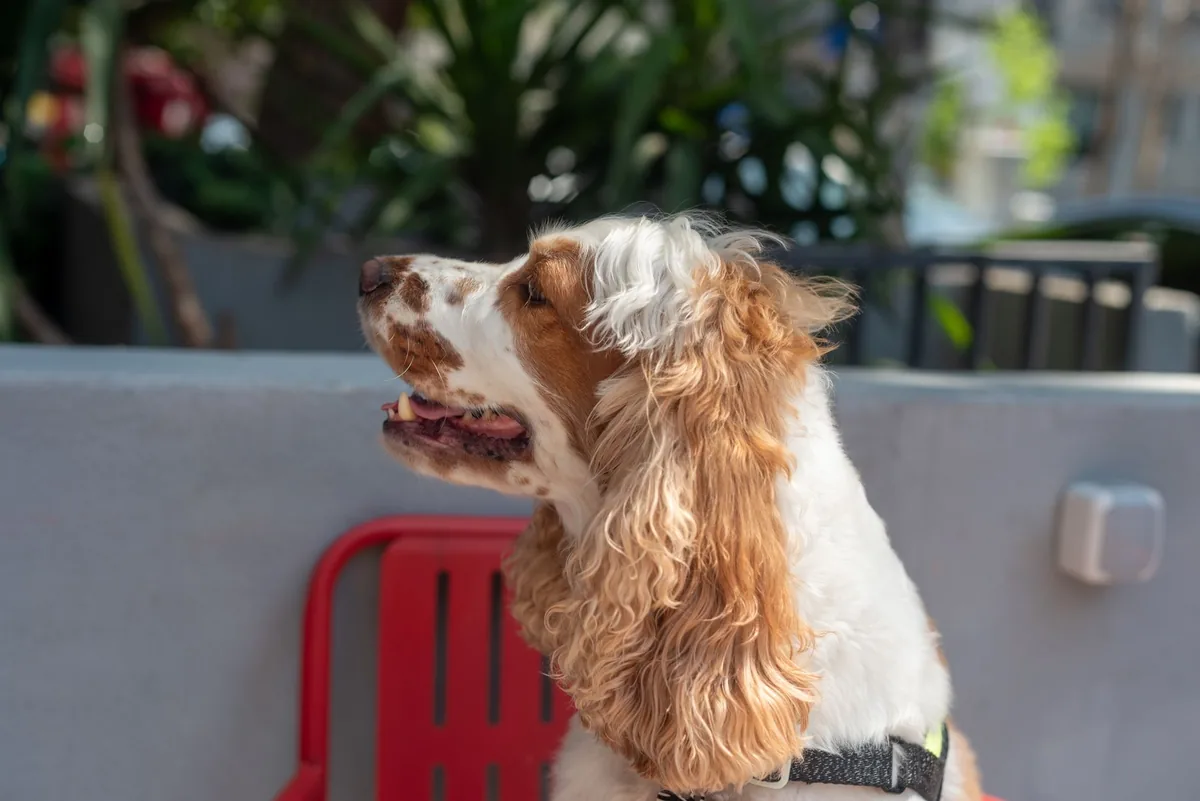
Training styles that work best for Cocker Spaniels
Positive‑reinforcement (operant conditioning) aligns with the AVSAB and IAABC consensus that reward‑based methods produce reliable learning without fear. Clicker training, a form of marker training, is especially effective for Cockers because the clear, consistent sound helps them differentiate “correct” from “incorrect” in short bursts of focus. Balanced or e‑collar tools can be used as a “back‑up” only after a solid foundation of reward‑based cues, and only by a CPDT‑K A‑qualified trainer who can monitor for stress signals. Because Cockers have moderate sensitivity, sudden aversive corrections often lead to anxiety rather than compliance.
Common training challenges specific to Cocker Spaniels
- Recall under scent distraction. The breed’s nose will often outrank “come.” Solution: practice recall with a high‑value treat, then add scent layers gradually; use a “watch‑me” cue before release.
- Resource guarding of toys. Cockers love to fetch and may hold onto items. Solution: teach “drop” early, using a “trade” method (offer a higher‑value treat in exchange).
- Excessive barking. Often triggered by excitement or alertness. Solution: teach “quiet” using a marker and a brief “wait” before rewarding silence; pair with “place” to redirect energy.
- Adolescent regression. Around 6‑12 months, focus may wane. Solution: increase variety in training (add scent games, short agility) and keep sessions under 10 minutes.
- Pulling on leash during excitement. Use a front‑clip harness and “turn‑away” technique; reward calm walking with treats.
When to hire a professional trainer
Consider professional help if your Cocker Spaniel shows any of the following: persistent aggression toward people or other dogs, severe resource guarding, chronic separation anxiety, or difficulty learning recall despite consistent reward‑based methods. Look for a trainer with CPDT‑K A or KPA‑CTP credentials, and verify they avoid dominance‑based language or aversive tools as a default. Red flags include promises of “quick fixes,” guarantees of obedience, or the use of prong collars as routine equipment. A certified behavior consultant (IAABC) is recommended for anxiety or fear‑based issues.
Gear checklist for Cocker Spaniel training
| Item | Purpose | Budget vs. quality tradeoff |
|---|---|---|
| Flat collar | Identification, light control | Low‑cost nylon works; leather offers durability |
| Well‑fitting front‑clip harness | Leash control, prevent pulling | Adjustable nylon harness is affordable; padded ergonomic models last longer |
| 20‑ft training line | Recall distance, safety | Basic nylon line is cheap; rope‑core lines resist tangles |
| Treat pouch | Hand‑free rewarding | Simple fabric pouch is inexpensive; insulated versions keep treats fresh |
| Clicker or marker word | Precise timing of rewards | Clicker is $5–10; a consistent word costs nothing |
| High‑value training treats | Motivation for challenging tasks | Store‑bought soft treats are affordable; homemade freeze‑dried liver is premium |
| Agility equipment set (jumps, tunnel) | Sport training | DIY PVC jumps are cheap; commercial kits are higher quality |
| Dock diving float toy | Water retrieve | Basic rubber ball $3; buoyant, chew‑resistant toys cost more |
| Place mat | Settle training | Small fleece mat $5; larger, non‑slip mats are pricier |
| Cooperative‑care grooming tools | Handling tolerance | Soft brush $8; professional grooming kits cost more |
From our team: The secret to a happy Cocker Spaniel is variety. Mix a quick retrieve round with a scent puzzle, then finish with a short “place” session. The combination satisfies both their nose and their need to please, keeping frustration at bay.
Key takeaways
- Cocker Spaniels thrive on a blend of scent, retrieve, and companion work; focus training on recall and “place” to manage their enthusiasm.
- Positive‑reinforcement methods are both effective and humane; avoid aversive tools that can cause fear.
- Start basic obedience and socialization during the 8‑12 week window; add scent and agility games as the puppy matures.
- Regular, short (5‑10 minute) sessions keep their moderate focus span engaged.
- Professional help is advisable for aggression, severe anxiety, or advanced sport goals.
Myth vs. fact
Myth: Cocker Spaniels are “stubborn” and can’t learn recall.
Fact: Most Cocker Spaniels are highly food‑motivated and will learn reliable recall when the reward outweighs the scent drive; “stubbornness” is often a mismatch of motivation.
Myth: Small breeds don’t need agility or sport training.
Fact: Their compact size makes them excellent at agility and rally, providing mental stimulation and confidence‑building that prevent boredom‑related behaviors.
Frequently asked questions
Is a Cocker Spaniel hard to train?
In short, no—they are moderate‑drive dogs that respond well to reward‑based methods. The main challenge is their strong scent drive, which can override commands if not managed with high‑value incentives.
When should I start training my Cocker Spaniel puppy?
Begin as soon as you bring them home, ideally at 8 weeks, focusing on name recognition, gentle handling, and basic “sit.” Early socialization and short, frequent sessions set the foundation for later skills.
What is the best training method for a Cocker Spaniel?
Positive‑reinforcement with a clicker or marker word is the most effective and humane. It leverages their desire to please and works well with their moderate focus span.
How do I socialize my Cocker Spaniel puppy with other dogs?
Expose the puppy to a variety of well‑behaved dogs in neutral, low‑stimulus environments during the 3‑16 week window. Use treats to reward calm greetings, and keep interactions brief but frequent.
How long does it take to train a Cocker Spaniel?
Basic obedience can be reliable by 4 months, while advanced sport or therapy work typically requires 12‑18 months of consistent, varied training.
Ask the PuppaDogs community
Training a Cocker Spaniel and hitting a wall? Our community forum is moderated by experienced owners, trainers, and vets — a good place to hear what actually worked for other households with a Cocker Spaniel just like yours. Ask in the PuppaDogs community →
References
- AVSAB — Position Statement on Humane Dog Training (2021).
- IAABC Journal — “Scent Work for Companion Dogs” (2022).
- CCPDT — CPDT‑K A Task Analysis (2020).
- Karen Pryor Academy — Foundations of Clicker Training (2023).
- AKC — Cocker Spaniel Sport Rules (2024).
- Merck Veterinary Manual — Behavior chapter (2023).
- PuppaDogs internal expert panel, reviewed August 2026.


