












Quick take: Coccidia are microscopic parasites (Cystoisospora spp.) that can cause diarrhea, weight loss, and dehydration—especially in puppies. Most healthy adult dogs fight off the infection, but young or immunocompromised pups may need veterinary treatment. Prompt diagnosis, proper medication, and supportive care usually lead to full recovery within 1–2 weeks.
It’s 11 p.m., and you’re watching your 8‑week‑old beagle puppy curl up on the kitchen floor, clutching his belly as a sudden, watery‑to‑bloody stool dribbles onto the tile. You’ve Googled “dog diarrhea” three times already, and the pictures of tiny parasites under a microscope keep flashing on your screen. Your heart races, but you need a clear answer—what’s happening, how serious is it, and what can you do right now?
We get it. Coccidia infections are a common worry for new puppy owners, especially when the first sign is a change in stool or a loss of energy. The good news is that most cases are treatable, and with the right steps you can get your pup back to playful in days. Below we break down everything you need to know—what coccidia are, why puppies are vulnerable, how vets confirm the diagnosis, what treatment looks like, how much it costs, and how to keep your whole household parasite‑free.
Our vet team has fielded dozens of questions about coccidia, from “Is this life‑threatening?” to “What should I feed my dog while he recovers?” Keep reading for a step‑by‑step guide, plus quick links to our community forum and FAQ hub for extra support.
What is Coccidia in Dogs?
Coccidia are single‑cell parasites belonging to the genus Cystoisospora that infect the intestinal lining of dogs. The life cycle starts when a dog ingests oocysts (tiny, hardy eggs) from contaminated feces, soil, or water. Inside the gut, the oocysts release sporozoites that invade intestinal cells, multiply, and are eventually shed in the stool as new oocysts. This cycle can repeat quickly, especially in environments where many puppies share a yard or a kennel.
While any dog can pick up coccidia, infections are most common in puppies under 6 months, immunocompromised adults, and dogs living in crowded or unsanitary conditions. According to the American Animal Hospital Association (AAHA), coccidiosis accounts for up to 15 % of diarrheal cases in puppies presented to veterinary clinics.
What causes it?
Coccidia infection isn’t caused by a single factor; it’s a combination of parasite exposure and host vulnerability. The main risk categories are:
- Environmental contamination: Dog parks, breeding facilities, or backyard areas where infected feces linger.
- Age and immunity: Puppies have immature immune systems; stress or concurrent illness (e.g., parvovirus) lowers resistance.
- Nutrition and hygiene: Poor diet, overcrowding, and infrequent cleaning of water bowls increase exposure.
- Co‑infection with other parasites: Giardia or hookworms can exacerbate intestinal irritation, making coccidia easier to establish.
Signs and symptoms
Symptoms vary by age and severity. Below is a quick guide to what you might notice, from mild to severe.
| Severity | Typical signs |
|---|---|
| Mild | Loose, mucoid stool; occasional soft feces; slight decrease in appetite; mild lethargy. |
| Moderate | Frequent watery diarrhea (may be yellow‑green); mild weight loss; occasional vomiting; noticeable dehydration (dry gums, skin tenting). |
| Severe | Bloody or tar‑colored stool; profuse vomiting; rapid weight loss; severe dehydration; fever; abdominal pain. |
Because coccidia primarily affect the intestines, the most common warning sign is a change in stool. In puppies, the infection can progress quickly, so watch for rapid weight loss or a lack of interest in food.
When to call your vet
Call your vet today if:
- Your dog has persistent diarrhea lasting more than 24 hours.
- There’s any blood or mucus in the stool.
- Your puppy is refusing food or water.
- You notice signs of dehydration (dry gums, skin that stays tented).
Go to an emergency veterinary hospital right now if:
- Your dog is vomiting repeatedly and cannot keep water down.
- Severe lethargy or collapse occurs.
- Rapid weight loss is evident within a day.
This article provides general information only and is not a substitute for professional veterinary care. If you’re ever unsure, contact your veterinarian.
How vets diagnose it
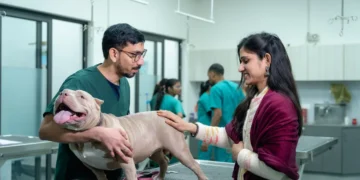
Diagnosis starts with a thorough history—diet, environment, recent deworming, and symptom timeline. The physical exam focuses on hydration status, abdominal palpation, and checking for fever.
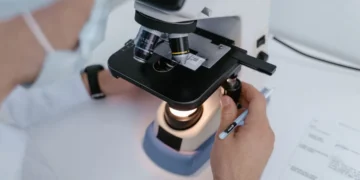
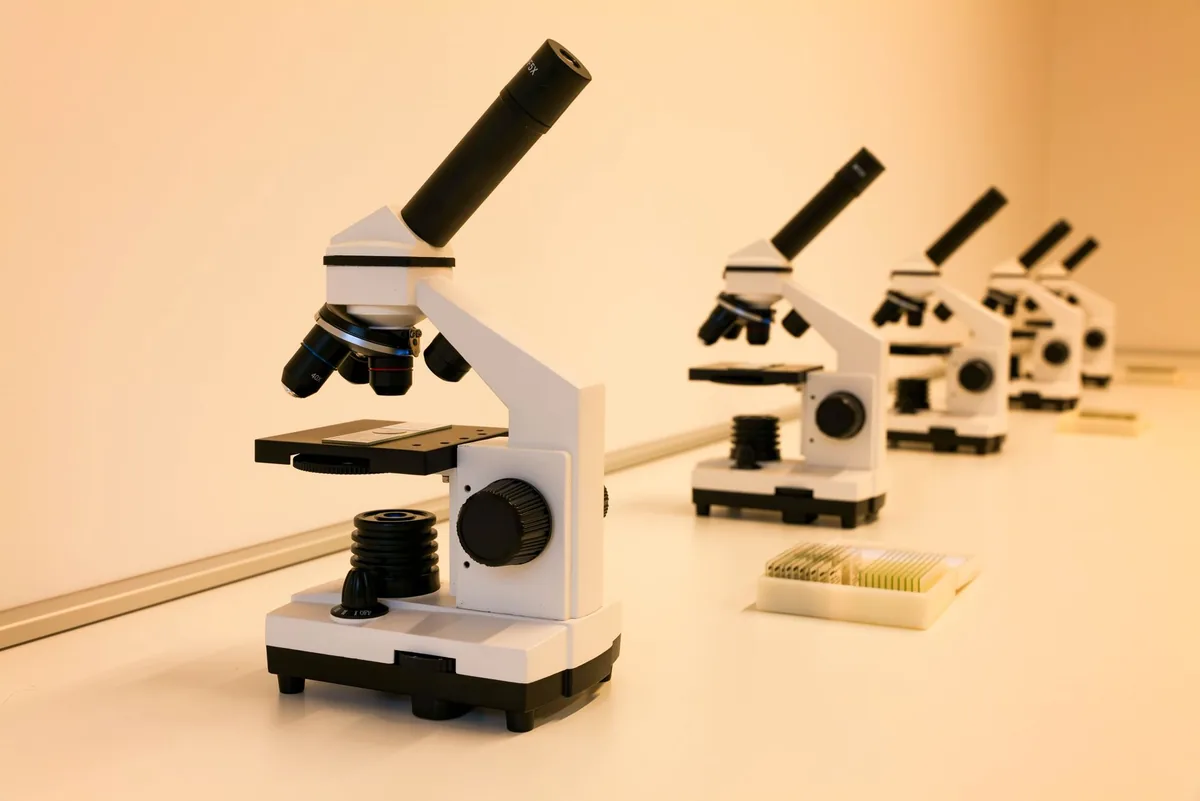
- Fecal flotation: A small fecal sample is mixed with a sugar solution; coccidia oocysts float to the surface and are examined under a microscope. This is the most common first‑line test.
- Direct smear microscopy: A wet mount can reveal the characteristic oval‑shaped oocysts (10–12 µm). Under 400× magnification, they appear with a thick wall.
- Polymerase chain reaction (PCR): Highly sensitive; detects parasite DNA and can differentiate species (e.g., C. canis vs. C. ohioensis). Often used when fecal flotation is negative but clinical suspicion remains high.
- Blood work: May show mild anemia or electrolyte imbalances if dehydration is severe.
Treatment options
Medical treatment
The cornerstone of therapy is a prescription antiparasitic. The most widely used drugs include:
- Trimethoprim‑sulfamethoxazole (TMS) – a combination antibiotic that interferes with parasite metabolism. Typical courses last 5–7 days. Ask your vet about this option.
- Ponazuril (Marquis) – a newer agent effective against several coccidia species. It’s often reserved for severe or resistant cases.
- Toltrazuril (Baycox) – another single‑dose treatment used in some regions; dosage varies by weight.
All medications are dosed based on your dog’s weight and severity of infection. Your vet will calculate the exact amount and schedule. In addition to antiparasitics, supportive care such as sub‑cutaneous fluids may be administered to correct dehydration.
Supplements and supportive care
While no supplement can replace proper medication, a few can aid recovery:
- Probiotics: Strains like Enterococcus faecium help restore healthy gut flora after the parasite is cleared.
- Omega‑3 fatty acids (EPA/DHA): Reduce intestinal inflammation and support skin health; a daily fish‑oil capsule is usually well‑tolerated.
- Electrolyte solutions: Pedialyte (unflavored) mixed with water can keep a puppy hydrated if vomiting isn’t severe.
These adjuncts are optional and should be discussed with your vet, especially if your dog has food sensitivities.
Procedures or surgery
Coccidia are treated medically; there is no surgical cure. In rare cases where severe intestinal damage has occurred (e.g., secondary bacterial infection), a vet might recommend a short course of antibiotics or, very rarely, an exploratory laparotomy. These scenarios are uncommon and usually reserved for dogs with multiple complications.
Diet and nutrition
Nutrition plays a critical role in both recovery and prevention. While there is no “coccidia‑specific” commercial diet, you can tailor your dog’s meals to support intestinal healing and maintain hydration.
Key principles:
- Easily digestible protein: Boiled chicken, turkey, or lean beef provides high‑quality protein without overloading the gut.
- Low‑fat, low‑fiber: Reducing fat and fiber limits the amount of undigested material that can irritate the intestine.
- Hydration: Offer fresh water frequently. Adding a splash of low‑sodium broth can encourage drinking.
- Frequent, small meals: 3–4 meals per day helps prevent overloading the digestive tract and stabilizes blood sugar.
- Probiotic‑enhanced foods: Some commercial “gut health” formulas contain live cultures that may aid recovery.
When transitioning back to your regular diet, do so gradually over 3–5 days. Start with 25 % regular kibble mixed with 75 % boiled meat, then increase the kibble proportion each day. This helps avoid a relapse of diarrhea.
| Do feed | Limit | Avoid |
|---|---|---|
| Boiled skinless chicken, turkey, lean beef | Cooked white rice (small amounts) | High‑fat foods (e.g., bacon, cheese) |
| Commercial gut‑health kibble with probiotics | Low‑fat cottage cheese (if tolerated) | Raw meat diets (risk of secondary pathogens) |
| Unsweetened pumpkin puree (helps firm stool) | Fiber supplements (only under vet guidance) | Spicy or heavily seasoned foods |
For puppies, a high‑calorie puppy formula can be mixed in once stools normalize, ensuring they meet growth requirements. If your dog is on a prescription diet for another condition (e.g., renal), discuss adjustments with your vet to avoid nutrient imbalances.
Cost and prognosis
The financial side of coccidia treatment varies by region, clinic, and severity. Below are typical ranges:
| Item | US (USD) | UK (GBP) |
|---|---|---|
| Fecal flotation (single sample) | $25‑$45 | £20‑£40 |
| PCR test (if needed) | $120‑$180 | £100‑£150 |
| Antiparasitic medication (5‑day course) | $30‑$80 | £25‑£70 |
| Fluid therapy (if dehydrated) | $80‑$150 | £70‑£130 |
| Total average cost (mild case) | $150‑$250 | £200‑£300 |
Many pet insurance plans cover diagnostic testing and medication, though deductibles and co‑pays apply. Use our cost calculator to estimate your out‑of‑pocket expense based on your location and coverage.
Prognosis is excellent for healthy puppies treated promptly—recovery usually occurs within 7‑10 days. Older or immunocompromised dogs may experience a longer course, but with appropriate care most dogs return to normal within 2‑3 weeks. Relapse is rare when hygiene is improved.
Prevention and home care
Preventing coccidia is largely about breaking the fecal‑oral cycle:
- Sanitation: Scoop feces at least twice daily; wash the scoop and surrounding area with a diluted bleach solution (1 part bleach to 32 parts water).
- Separate feeding areas: Use stainless‑steel bowls that are cleaned nightly.
- Control vectors: Keep puppies away from standing water and wildlife droppings.
- Routine deworming: Follow a schedule recommended by your vet—typically every 2 weeks for the first 12 weeks, then monthly until 6 months of age. See our deworming guide for detailed timelines.
- Environmental management: Rotate sand or mulch in play areas, and consider using pet‑safe disinfectants.
Regular veterinary check‑ups (at least every 6 months) allow early detection of parasites and enable timely vaccination updates, which together keep the immune system robust.
From our vet team: “If you catch coccidia early, the treatment is straightforward and the prognosis is bright. The biggest challenge is the hidden nature of the parasite—often a puppy looks fine until the diarrhea starts. Consistent cleaning and a solid deworming plan are the simplest, most effective defenses.”
Key takeaways
- Coccidia are common intestinal parasites that mainly affect puppies; early detection and treatment lead to full recovery.
- Persistent diarrhea, blood in stool, or signs of dehydration warrant a vet visit—severe vomiting or collapse requires emergency care.
- Diagnosis relies on fecal flotation, microscopy, and sometimes PCR; your vet will choose the best test for your dog.
- Standard treatment includes a 5‑7‑day course of trimethoprim‑sulfamethoxazole or ponazuril, plus fluid therapy if needed.
- Feed a bland, easily digestible diet (boiled chicken, rice, probiotic‑enhanced kibble) and keep your dog well‑hydrated during recovery.
- Prevent reinfection with strict sanitation, regular deworming, and avoiding contaminated environments.
Myth vs. fact
Myth: Coccidia is the same as Giardia.
Fact: Both are intestinal parasites, but coccidia (Cystoisospora) is a protozoan that invades intestinal cells, while Giardia is a flagellated protozoan that adheres to the gut lining. They require different medications.
Myth: If my dog’s stool looks normal, there’s no parasite.
Fact: Coccidia oocysts can be shed intermittently; a single clean stool test doesn’t rule out infection. Multiple samples improve detection accuracy.
Myth: Over‑the‑counter “natural” remedies cure coccidia.
Fact: No herbal or home remedy has proven efficacy against coccidia. Prescription antiparasitics remain the only reliable treatment.
Frequently asked questions
What does coccidia look like under a microscope?
The oocysts are oval, about 10–12 µm long, and have a thick wall that may appear slightly refractive. Under 400× magnification, they often show a single nucleus and a characteristic “sporozoite” shape inside.
Can coccidia be transmitted to humans?
Human infection from dog‑specific Cystoisospora species is extremely rare. The parasites are host‑specific, so the risk to people is negligible, but good hygiene (hand washing after handling pets) is always recommended.
How often should I deworm my puppy for coccidia?
Most vets advise a deworming schedule every two weeks for the first three months, then monthly until the puppy is six months old. Adjustments may be needed based on local prevalence and your vet’s assessment.
Are there natural remedies for coccidia in dogs?
While some owners try probiotics or pumpkin puree to soothe the gut, these are supportive only. Prescription drugs like trimethoprim‑sulfamethoxazole are needed to clear the infection.
What is the prognosis for a dog with coccidia?
With prompt treatment, most puppies recover fully within 1–2 weeks and have a good long‑term outlook. Severe cases in immunocompromised dogs may take longer, but the prognosis remains favorable when managed correctly.
Will my dog’s stool be bloody with coccidia infection?
Yes, especially in moderate to severe infections. Blood or mucus in the stool is a red flag that should prompt immediate veterinary evaluation.
Ask the PuppaDogs community
Have a question this article didn’t fully answer? Want to compare notes with other dog owners who’ve been through this? Our community forum is moderated by experienced owners and vets — and answers tend to come fast. Ask in the PuppaDogs community →
References
- AAHA 2023 Canine Parasite Management Guidelines.
- Merck Veterinary Manual, “Coccidiosis (Cystoisospora spp.) in Dogs” chapter.
- World Small Animal Veterinary Association (WSAVA) – Parasite Control Recommendations.
- American Veterinary Medical Association (AVMA) – Parasite Prevention in Puppies.
- Cornell University College of Veterinary Medicine – Coccidia in Dogs fact sheet.
- UC Davis School of Veterinary Medicine – Diagnostic testing for intestinal protozoa.
- Plumb’s Veterinary Drug Handbook – Trimethoprim‑Sulfamethoxazole dosing guidelines (vet‑determined).
- AAHA – Fluid Therapy in Small Animals.


