













Quick take: Colitis in dogs is inflammation of the colon that often shows up as loose, frequent stools and occasional blood. It’s usually manageable with medication, diet changes, and stress reduction, but severe cases may need urgent veterinary care. Early detection and a tailored treatment plan give most dogs a good chance at a normal, comfortable life.
It’s late at night, and your 7‑year‑old mixed‑breed Labrador is pacing the hallway, whining every few minutes. When you finally coax her onto the couch, you notice a few small, brown‑streaked stools on the rug and a faint odor that isn’t typical of her usual “dog‑gie” mess. Your heart races as you wonder if this is just a minor upset or something more serious.
We’ve all been there— Googling “dog diarrhea with blood” at 2 a.m., scrolling through endless forums, and feeling a mix of anxiety and hope. The good news is that colitis, an inflammation of the large intestine, is a common and often treatable condition. In the next few minutes, we’ll walk you through what colitis is, why it happens, how to spot it, and what you can do at home and with your vet to get your pup back to tail‑wagging health.
By the end of this guide you’ll know the warning signs, the diagnostic steps your vet will take, the most effective medical and dietary therapies, typical costs, and how to keep colitis from returning. Let’s dive in, and remember: if anything ever feels urgent, don’t wait—call your veterinarian right away.
What is colitis in dogs?
Colitis is inflammation of the colon, the final segment of the gastrointestinal (GI) tract. In plain language, the colon’s lining becomes irritated, which disrupts its ability to absorb water and electrolytes, leading to loose or watery stools. The condition can be acute (lasting a few days) or chronic (persisting for weeks to months). While colitis itself isn’t a disease, it’s a symptom of an underlying problem—much like a cough signals a respiratory infection.
According to the American College of Veterinary Internal Medicine (ACVIM), colitis accounts for roughly 10–15 % of all chronic GI complaints in dogs seen at referral hospitals. It can affect puppies, adult dogs, and seniors alike, though certain breeds and life stages are more prone to developing it.
What causes colitis?
Colitis can arise from a variety of triggers. Below are the most common categories, each with typical examples:
| Category | Typical Triggers |
|---|---|
| Infections | Parasites (e.g., Giardia, Isospora), bacterial overgrowth, viral agents |
| Dietary factors | Food allergies, sudden diet changes, low‑quality ingredients, high‑fat treats |
| Inflammatory/Immune | Inflammatory bowel disease (IBD), autoimmune colitis, hypersensitivity reactions |
| Medications & toxins | Antibiotics, NSAIDs, corticosteroids, ingestion of foreign objects |
| Stress & environmental | Travel, boarding, major household changes, anxiety |
Breeds that veterinarians often see with a higher incidence of colitis include English Bulldogs, Boxers, and German Shepherds, though any dog can develop colitis under the right circumstances.
Signs and symptoms
Colitis primarily manifests as changes in stool quality and frequency, but other signs may accompany the inflammation. Below is a quick guide to what you might observe, from mild to severe.
| Severity | Typical Signs |
|---|---|
| Mild | Soft, mushy stools; occasional streaks of blood; mild abdominal discomfort; increased bathroom trips |
| Moderate | Frequent watery diarrhea; visible blood or mucus; loss of appetite; mild weight loss; panting from discomfort |
| Severe | Profuse hemorrhagic diarrhea; dehydration; lethargy; vomiting; marked weight loss; signs of pain when the abdomen is touched |
Because diarrhea can also stem from simple dietary indiscretion or parasites, it’s important to note the pattern: persistent, recurring, or blood‑tinged stools that don’t resolve within 48 hours should raise suspicion for colitis.
When to call your vet
Call your vet today if you notice:
- Soft stools with small streaks of blood lasting more than 48 hours
- Loss of appetite or a noticeable drop in energy
- Vomiting, especially if accompanied by diarrhea
- Any signs of pain when you gently press the abdomen
Go to an emergency veterinary hospital right now if you see:
- Large amounts of fresh blood in the stool or vomit
- Signs of severe dehydration (dry gums, sunken eyes, skin tenting)
- Profound weakness or collapse
This information is for educational purposes only and is not a substitute for professional veterinary care. If you’re ever uncertain, err on the side of caution and contact your veterinarian.
How vets diagnose colitis
Diagnosing colitis starts with a thorough history: diet, recent medications, stressors, and any previous GI issues. Your vet will then perform a physical exam, focusing on the abdomen and rectal area.
Typical diagnostic tools include:
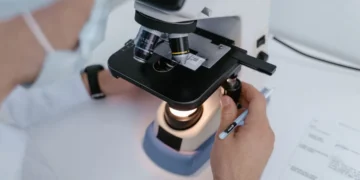
- Fecal examination: Microscopic analysis for parasites, bacterial overgrowth, and occult blood.
- Blood work: Complete blood count (CBC) and chemistry panel to check for inflammation, anemia, or organ involvement.
- Abdominal imaging: Ultrasound or X‑rays to rule out structural problems such as masses or foreign bodies.
- Endoscopy/colonoscopy: Direct visualization of the colon lining and the ability to take biopsies. This is especially useful when chronic inflammation or IBD is suspected.
According to the Merck Veterinary Manual, a definitive diagnosis often requires a combination of these tests, because many conditions can produce similar stool changes.
Treatment options
Medical treatment
Once colitis is confirmed, most dogs respond well to a combination of medications that target inflammation and any underlying infection. Common drug classes include:
- Antibiotics: Metronidazole or tylosin are frequently used to reduce bacterial overgrowth. Ask your vet about these options.
- Anti‑inflammatory agents: Steroids such as prednisolone may be prescribed for immune‑mediated colitis. Your vet will tailor the dose to your dog’s weight and severity.
- Probiotics: Live‑culture supplements (e.g., Enterococcus faecium) can help restore a healthy gut flora balance.
- Antidiarrheal agents: In select cases, a short course of loperamide may be recommended, but only under veterinary supervision.
All medication decisions should be discussed with your vet, who will consider your dog’s age, breed, and any concurrent health issues.
Supplements and supportive care
Adjunctive supplements can aid recovery, especially when the colon’s lining is inflamed:
- Omega‑3 fatty acids (EPA/DHA): Found in fish oil, they have anti‑inflammatory properties that may soothe the colon.
- Digestive enzymes: Products containing protease, amylase, and lipase can improve nutrient absorption during flare‑ups.
- Prebiotic fibers: Soluble fibers such as pumpkin puree or psyllium can help bulk up stools, but they should be introduced gradually.
These supplements are not a cure on their own, but they can complement medication and diet changes. Always ask your vet before adding any new supplement.
Procedures or surgery
Most cases of colitis are managed medically. Surgery is rarely required unless there is a structural abnormality (e.g., a tumor) discovered during imaging or colonoscopy. When surgery is indicated, it typically involves removal of the affected segment, followed by a recovery period of 2–4 weeks and a cost that can exceed $5,000 in the United States.
Diet and nutrition
Diet is the cornerstone of long‑term colitis management. The goal is to provide highly digestible, low‑residue foods that minimize irritation of the colon while supporting overall gut health.
What to feed:
- Highly digestible protein sources: Boiled chicken, turkey, or low‑fat cottage cheese. These reduce the workload on the colon.
- Limited‑ingredient or novel‑protein diets: Recipes that avoid common allergens such as beef, dairy, or wheat can be helpful for dogs with food‑sensitivity‑driven colitis.
- Cooked carbohydrates: White rice, sweet potato, or pumpkin puree provide gentle energy without excess fiber.
- Hydration: Fresh water should always be available. Adding low‑sodium broth can encourage fluid intake.
What to limit or avoid:
- High‑fat treats (cheese, bacon, commercial jerky) – they can exacerbate inflammation.
- Spicy, salty, or heavily seasoned foods – these irritate the GI lining.
- Raw diets that include bone fragments – while many owners feed raw, bone splinters can cause mechanical irritation of the colon.
- High‑fiber kibble (especially those with beet pulp or soy fiber) during an active flare‑up, as excess fiber can increase stool volume and irritation.
Prescription therapeutic diets, such as those formulated for gastrointestinal health (often labeled “GI” or “Limited Ingredient”), are designed to be low in fat and highly digestible. Brands vary, but the diet’s nutritional profile should meet AAFCO standards for complete and balanced nutrition.
When transitioning to a new diet, follow a gradual 7‑10 day schedule: mix 25 % new food with 75 % old food, then increase the new food portion every few days. This helps avoid additional upset.
Below is a quick reference table for feeding decisions during a colitis flare versus maintenance:
| Phase | Do Feed | Limit | Avoid |
|---|---|---|---|
| Flare‑up | Boiled chicken, white rice, pumpkin puree | Low‑fat cheese, small amounts of plain yogurt | High‑fat treats, spicy foods, raw bones |
| Maintenance | Limited‑ingredient commercial diet or balanced home‑cooked meals | Occasional low‑fat cheese | Any high‑fat or heavily seasoned foods |
Feeding smaller, more frequent meals (3–4 times daily) can also reduce colonic irritation by preventing large boluses of food from overwhelming the digestive system.
Cost and prognosis
Treatment costs vary widely based on the severity, diagnostics performed, and regional pricing. Below are typical US and UK estimates:
| Service | US (USD) | UK (GBP) |
|---|---|---|
| Initial exam & basic labs | $80–$150 | £50–£100 |
| Fecal exam & parasite panel | $30–$70 | £20–£45 |
| Abdominal ultrasound | $250–$500 | £150–£300 |
| Colonoscopy with biopsy (if needed) | $800–$1,200 | £600–£900 |
| Medication (antibiotics, steroids, probiotics) – 2‑week course | $40–$120 | £30–£80 |
| Prescription gastrointestinal diet (30‑day supply) | $60–$120 | £45–£90 |
Overall, most uncomplicated colitis cases cost between $300 and $800 in the United States, with a similar range in the UK after conversion. Prognosis is generally good: 70‑85 % of dogs achieve remission with appropriate therapy, according to the American Veterinary Medical Association (AVMA). Chronic cases may need lifelong dietary management, but they can still enjoy a high quality of life.
Prevention and home care
Keeping colitis at bay is largely about minimizing triggers and supporting gut health:
- Stable diet: Avoid sudden changes; introduce new foods gradually.
- Regular deworming: Follow your vet’s schedule and use products approved by the World Small Animal Veterinary Association (WSAVA).
- Stress reduction: Provide a predictable routine, safe space, and consider calming aids (e.g., pheromone diffusers) if your dog is anxious about travel or boarding.
- Monitor medications: Some antibiotics and NSAIDs can predispose to colitis. Discuss alternatives with your vet if your dog needs long‑term pain management.
- Hydration: Ensure fresh water is always accessible, especially during hot weather or after exercise.
- Regular check‑ups: Annual wellness exams allow early detection of GI issues before they become severe.
For owners who love to track health metrics, our dog health calculators can estimate ideal body condition and calorie needs, making it easier to keep your pup at a healthy weight—another factor that reduces GI stress.
From our vet team: “Colitis can feel overwhelming, but it’s rarely a death sentence. The most powerful tools are early detection, a gentle diet, and a clear communication line with your vet. If you notice a pattern of soft, blood‑tinged stools, bring a fresh sample to the clinic—those details help us pinpoint the cause faster.”
Key takeaways
- Colitis is inflammation of the colon that typically causes soft, frequent stools, sometimes with blood.
- Common triggers include infections, diet changes, stress, and certain medications; breeds like Bulldogs and Boxers are more frequently affected.
- Early veterinary evaluation (within 48 hours of persistent symptoms) improves outcomes and prevents dehydration.
- Treatment combines antibiotics, anti‑inflammatories, probiotics, and a highly digestible, low‑residue diet.
- Most dogs respond well; typical costs range from $300–$800 in the U.S., and long‑term management often involves a special GI diet.
- Prevent flare‑ups by maintaining a stable diet, regular deworming, stress reduction, and routine vet visits.
Myth vs. fact
Myth: Colitis is always caused by parasites.
Fact: While parasites can trigger colitis, the condition can also stem from diet, stress, immune disorders, or medication side effects.
Myth: Dogs with colitis need a bland “bone‑broth” diet forever.
Fact: A bland diet is useful during an acute flare, but most dogs thrive on a balanced, low‑fat, highly digestible diet once inflammation subsides.
Myth: If the stool looks normal, the colon must be fine.
Fact: Subtle inflammation may not change stool appearance; regular vet check‑ups are still essential, especially for chronic cases.
Frequently asked questions
What causes colitis in dogs?
Colitis can result from infections, dietary indiscretion, stress, certain medications, or underlying immune‑mediated disease. The exact cause often requires lab testing to pinpoint.
How can I tell if my dog has colitis?
The hallmark sign is frequent, soft stools that may contain streaks of blood or mucus, often accompanied by abdominal discomfort or a change in appetite.
Is colitis in dogs curable?
Most dogs achieve remission with proper medication and diet changes; however, some may need ongoing management to prevent recurrence.
What diet should I feed a dog with colitis?
Offer highly digestible proteins (boiled chicken, turkey), limited‑ingredient or therapeutic GI diets, and gentle carbs like white rice or pumpkin. Avoid high‑fat treats, spicy foods, and excessive fiber during flare‑ups.
Can stress trigger colitis in dogs?
Yes—stressful events such as moving, boarding, or sudden routine changes can exacerbate colonic inflammation, especially in dogs with a predisposition.
How much does colitis treatment cost for a dog?
In the United States, typical expenses range from $300 to $800 for diagnostics, medication, and a prescription diet; more extensive workups or surgery can increase the total bill.
Ask the PuppaDogs community
Have a question this article didn’t fully answer? Want to compare notes with other dog owners who’ve been through this? Our community forum is moderated by experienced owners and vets — and answers tend to come fast. Ask in the PuppaDogs community →
References
- American College of Veterinary Internal Medicine (ACVIM). “Gastrointestinal Disorders in Dogs.” 2023.
- American Veterinary Medical Association (AVMA). “Colitis in Dogs: Clinical Overview.” 2022.
- Merck Veterinary Manual. “Colitis, Inflammatory Bowel Disease, and Diarrhea.” 2021.
- World Small Animal Veterinary Association (WSAVA). “Guidelines for Parasite Control.” 2022.
- American Animal Hospital Association (AAHA). “Nutritional Management of Gastrointestinal Disease.” 2023.
- Cornell University College of Veterinary Medicine. “Canine Gastrointestinal Health.” 2022.
- UC Davis School of Veterinary Medicine. “Stress‑Related GI Disorders in Dogs.” 2021.


