














Quick take: Clotting deficiency caused by liver disease means the liver can’t make enough clotting factors, so even tiny cuts may bleed longer than usual. It’s usually a sign of an underlying liver problem, and prompt veterinary care—often including vitamin K, plasma, and treatment of the liver disease—is essential for a good outcome.
It’s 9 p.m., and you’re sitting on the couch watching your 8‑year‑old mixed‑breed Golden Retriever, Milo, stare at his food bowl. He nudges it, then backs away, his tongue hanging out a little too long. When you gently lift his paw, you notice a few tiny red dots—petechiae—on the skin that weren’t there a day ago. Your heart starts racing, and the Google search bar fills with “why won’t my dog’s blood clot?”.
First, breathe. You’re not alone; many owners notice a subtle change—slower healing, bruises that appear after a brief scrape, or a sudden nosebleed—and wonder if it’s serious. The bottom line is that clotting problems tied to the liver usually signal a broader health issue, but they can be managed when caught early. Below we’ll walk through what liver‑related clotting deficiency is, why it happens, how vets figure it out, what treatments look like, how much it might cost, and how you can support your dog at home.
We’ll also touch on diet tweaks, breed tendencies, and steps you can take to prevent a repeat episode. If at any point you see the red‑flag signs listed in the “When to call your vet” section, pick up the phone—your dog’s health can change quickly.
What is clotting deficiency (liver related) in dogs?
Clotting deficiency (liver related) in dogs is a secondary bleeding disorder that occurs when the liver can’t produce enough clotting factors—proteins like fibrinogen, prothrombin (factor II), and factors V, VII, IX, and X. These proteins are essential for the blood‑clotting cascade that stops bleeding. When the liver is damaged by chronic hepatitis, cirrhosis, liver tumors, or severe fatty liver disease, the production of these factors drops, leading to prolonged bleeding from even minor injuries.
Unlike primary clotting disorders (e.g., hemophilia, which are genetic defects in clotting factors), liver‑related clotting deficiency is typically acquired. It often co‑exists with other liver‑related signs such as jaundice, ascites, or elevated liver enzymes. The condition is relatively uncommon on its own but appears in up to 20 % of dogs with chronic liver disease, according to the American College of Veterinary Internal Medicine (ACVIM) consensus on canine liver disease (2022).
What causes it?
The root cause is any liver condition that impairs the organ’s ability to synthesize clotting factors. Below is a quick overview of the most frequent culprits.
| Underlying liver condition | Typical cause | How it affects clotting |
|---|---|---|
| Chronic hepatitis | Immune‑mediated or infectious (e.g., Leptospira) | Inflammation damages hepatocytes → reduced factor synthesis |
| Cirrhosis | Long‑term scarring from hepatitis, copper accumulation, or toxins | Scar tissue replaces functional liver cells → fewer clotting proteins |
| Liver neoplasia | Primary liver tumors (hepatocellular carcinoma) or metastases | Masses disrupt normal liver architecture and function |
| Severe fatty liver (hepatic lipidosis) | Rapid weight loss, high‑fat diet, or endocrine disease | Fat infiltration impairs hepatocyte metabolism |
| Portosystemic shunt (PSS) | Congenital or acquired abnormal blood vessels | Blood bypasses the liver → reduced exposure to clotting factor production |
Secondary factors such as prolonged use of certain antibiotics (e.g., cephalosporins) or anticoagulant rodenticide exposure can worsen the deficiency, but they usually act on top of existing liver dysfunction.
Signs and symptoms
Because clotting deficiency is a systemic issue, the first clues often appear on the skin or mucous membranes, where tiny vessels are most visible.
| Severity | Early / mild signs | Moderate signs | Severe / late signs |
|---|---|---|---|
| Skin | Petechiae (tiny red dots), easy bruising after a light scratch | Ecchymoses (larger purple bruises), prolonged bleeding from minor cuts | Spontaneous hemorrhage, large bruises, bleeding from gums or nose |
| Mucous membranes | Pale or slightly reddened gums | Bleeding gums after dental cleaning, blood‑tinged saliva | Severe gingival bleeding, hematuria (blood in urine) |
| Systemic | Fatigue, reduced appetite | Weakness, difficulty walking, mild anemia | Shock, collapse, rapid breathing, pale mucous membranes |
Other liver‑related signs—jaundice (yellowing of eyes or gums), abdominal swelling (ascites), and weight loss—often accompany the bleeding problems. If you notice any of these together, the urgency rises.
When to call your vet
Call your vet today if you notice:
- New bruises or petechiae that appear without a clear injury.
- Bleeding that lasts longer than 5 minutes after a minor cut.
- Recurring nosebleeds, blood‑tinged saliva, or blood in the stool.
- Sudden loss of appetite, lethargy, or pale gums.
Go to an emergency veterinary hospital right now if you see:
- Uncontrolled bleeding from a wound or from the gums/nose.
- Signs of shock—weak pulse, rapid breathing, collapse, or very pale gums.
- Large bruises that are spreading quickly.
These red‑flag signs indicate that your dog may be bleeding faster than the body can compensate, and prompt treatment can be lifesaving.
This article provides general information and is not a substitute for professional veterinary care.
How vets diagnose it
Diagnosing liver‑related clotting deficiency starts with a thorough history and physical exam. The vet will look for skin bruising, gum bleeding, and any concurrent liver signs.
Blood work: A complete blood count (CBC) reveals anemia or platelet abnormalities. A serum chemistry panel measures liver enzymes (ALT, ALP, AST) and bilirubin, indicating liver health. Specific clotting tests—prothrombin time (PT) and activated partial thromboplastin time (aPTT)—measure how long blood takes to clot. Prolonged PT or aPTT points directly to a clotting factor problem.
Coagulation profile: Some labs also run a fibrinogen assay and a factor‑specific assay if needed. Vitamin K levels may be checked, especially if a deficiency is suspected.
Imaging: Abdominal ultrasound visualizes liver size, texture, and any masses or shunts. In some cases, a CT scan provides more detail on vascular anomalies.
Liver biopsy: If imaging and blood work suggest chronic liver disease, a needle biopsy—or sometimes a laparoscopic wedge biopsy—gives a definitive diagnosis of hepatitis, cirrhosis, or neoplasia. The tissue is examined for inflammation, fibrosis, and copper accumulation.
All these pieces together let the vet determine whether the clotting problem is secondary to liver disease and what the underlying liver condition is.
Treatment options
Medical treatment
The primary goal is to stop bleeding while addressing the liver disease that caused the deficiency.
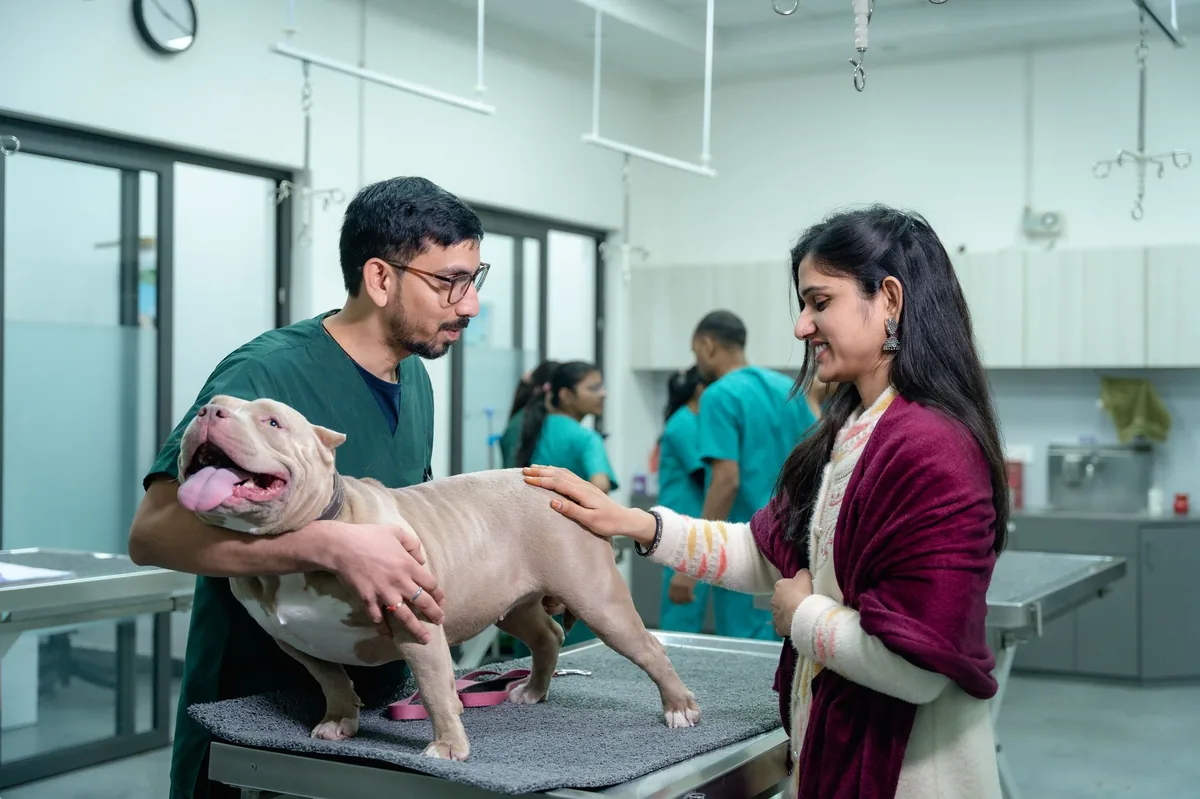
- Vitamin K therapy: Oral or injectable vitamin K1 (phytonadione) helps the liver produce functional clotting factors. It’s the cornerstone for most liver‑related clotting deficiencies. Your vet will tailor the dose to your dog’s weight and severity.
- Plasma transfusions: Fresh frozen plasma provides the missing clotting factors immediately, buying time for the liver to recover. This is especially useful if bleeding is active or if surgery is needed.
- Addressing the primary liver disease: Antimicrobials for infectious hepatitis, immunosuppressants (e.g., prednisolone) for immune‑mediated hepatitis, or chemotherapy for liver tumors may be recommended. Managing the root cause improves clotting factor production over weeks to months.
- Supportive care: Intravenous fluids to maintain blood pressure, and anti‑emetics if nausea is present. If your dog is on a medication like a cephalosporin that can interfere with vitamin K, the vet may switch to a safer alternative.
Whenever a medication is mentioned, ask your vet about the option and the appropriate dosage for your dog.
Supplements and supportive care
Evidence‑based adjuncts can help liver function and overall clotting health.
- Omega‑3 fatty acids (EPA/DHA): Found in fish oil, they reduce liver inflammation and support cell membrane health. A daily dose of 20–55 mg per pound of body weight is commonly used, but always confirm with your vet.
- S‑adenosyl‑methionine (SAMe): An antioxidant that supports liver detox pathways. Studies in the Merck Veterinary Manual note SAMe can improve liver enzyme values in chronic hepatitis.
- Milk thistle (silymarin): Herbal supplement that may protect hepatocytes from oxidative damage. Use a standardized extract and discuss with your vet, especially if your dog is on other medications.
- Probiotics: A healthy gut can lessen toxin load on the liver. Look for canine‑specific strains like Enterococcus faecium and Bifidobacterium animalis.
Supplements are not a cure, but they can complement medical therapy and improve quality of life.
Procedures or surgery
In cases where a liver tumor or a congenital portosystemic shunt (PSS) is the underlying cause, surgery may be indicated.
- Shunt attenuation: Surgical ligation or minimally invasive coil embolization reduces blood flow bypassing the liver, allowing normal clotting factor production to resume. Recovery usually takes 2–4 weeks, with careful monitoring for post‑operative encephalopathy.
- Liver lobectomy: Removal of a localized tumor or severely diseased lobe can improve overall liver function. Hospital stays range from 3–5 days; costs vary widely (see “Cost and prognosis” below).
These interventions are considered when medical management cannot control the bleeding or when the underlying lesion threatens the dog’s long‑term health.
Diet and nutrition
Nutrition is a cornerstone of long‑term management for dogs with liver‑related clotting deficiency. A well‑balanced, highly digestible diet reduces the liver’s workload, supports clotting factor synthesis, and helps prevent secondary complications like hepatic encephalopathy.
Key principles:
- High‑quality, highly digestible protein: Proteins that are easy for the liver to process (e.g., chicken, turkey, egg whites) provide the amino acids needed for clotting factor production. Aim for 18–22 % protein on a dry‑matter basis, as recommended by the AAHA Nutritional Guidelines for Dogs with Liver Disease (2023).
- Moderate caloric intake: Over‑feeding can worsen fatty infiltration, while under‑feeding leads to muscle loss. Calculate the resting energy requirement (RER) and add 10‑20 % for maintenance; many owners use our dog calorie calculator to fine‑tune portions.
- Controlled copper levels: Excess copper accelerates liver damage in susceptible breeds (e.g., Bedlington Terriers). Choose a diet formulated with low copper (< 50 ppm) if your dog has copper‑associated hepatitis.
- Limited sodium: Reduces risk of ascites (fluid accumulation). Look for foods labeled “low‑sodium” or add a pinch of potassium chloride to meals under veterinary guidance.
- Added vitamin K: Some therapeutic liver diets (e.g., “hepatic support” formulas) include vitamin K to aid clotting. Check the label for “vitamin K1” or “phytonadione”.
Below is a quick reference for what to feed, limit, or avoid.
| Do feed | Limit | Avoid |
|---|---|---|
| Lean chicken, turkey, egg whites, low‑fat cottage cheese | Cooked liver (high vitamin A, can overload liver) | High‑fat meats, bacon, raw organ meats |
| Complex carbohydrates (white rice, sweet potato) | Commercial kibble with >30 % protein | Heavy‑fat treats, cheese, fried foods |
| Omega‑3 fish oil (added to meals) | Excessive dairy (may cause GI upset) | Raw bone meals, high‑copper foods (liver, kidney) |
When transitioning to a new diet, do it gradually over 7–10 days: mix 25 % new food with 75 % old, then increase the new portion every few days. This helps avoid gastrointestinal upset, which can further stress the liver.
For dogs with severe liver disease, your vet may prescribe a therapeutic “renal‑liver” diet (often labeled “hepatic support”). These formulas are designed to be low in protein quality, low in copper, and enriched with antioxidants, omega‑3s, and vitamin K. While brand names are not endorsed here, the nutrient profile should match the guidelines above.
Cost and prognosis
Financial considerations are an important part of decision‑making. Below are estimated costs in the United States and United Kingdom (prices vary by region and clinic).
| Service / Item | US (USD) | UK (GBP) |
|---|---|---|
| Initial exam + blood work (CBC, chemistry, PT/aPTT) | $150‑$300 | £80‑£150 |
| Abdominal ultrasound | $300‑$500 | £150‑£250 |
| Liver biopsy (incl. pathology) | $800‑$1,200 | £400‑£700 |
| Vitamin K therapy (10‑day course) | $50‑$120 | £30‑£70 |
| Plasma transfusion (per unit) | $250‑$400 | £150‑£250 |
| Surgical shunt attenuation | $3,000‑$5,500 | £2,000‑£3,500 |
| Therapeutic liver diet (monthly supply) | $40‑$80 | £30‑£60 |
Insurance plans that cover “chronic liver disease” or “blood disorders” often reimburse 70‑80 % of these costs after deductible. When talking to your insurer, use the specific CPT codes (e.g., 84154 for PT, 87086 for CBC) to ensure coverage.
Prognosis: Survival depends largely on the underlying liver disease. Dogs with early‑stage hepatitis that respond to vitamin K and diet can live for years with good quality of life. Those with advanced cirrhosis or aggressive liver tumors have a poorer outlook, with median survival ranging from 3 months to a year. Prompt treatment of the clotting deficiency itself (e.g., plasma transfusion) can dramatically improve short‑term survival, even if the long‑term prognosis remains guarded.
Prevention and home care
While you can’t always stop liver disease, several everyday habits can reduce the risk of clotting complications.
- Regular veterinary screening: Yearly blood panels for senior dogs catch liver enzyme elevations early. If a dog has a known liver condition, schedule check‑ups every 3–4 months.
- Safe diet: Avoid high‑fat treats, raw organ meats, and foods high in copper. Stick to balanced commercial diets or vet‑approved home‑cooked recipes.
- Medication vigilance: Some antibiotics and anti‑parasitics (e.g., certain cephalosporins, phenylbutazone) can interfere with vitamin K metabolism. Always inform your vet of any over‑the‑counter meds.
- Limit toxin exposure: Keep your dog away from rodenticides, certain essential oils, and plants that can cause liver injury (e.g., sago palm).
- Monitor for bruising: Perform a quick visual check of the gums and skin weekly. If you notice new petechiae or bruises, note the date and contact your vet.
- Weight management: Maintaining an ideal body condition score (BCS 4‑5/9) reduces fatty liver risk. Use our dog health Q&A for tips on portion control.
When your dog is recovering from a clotting episode, keep the environment calm, limit vigorous play, and ensure easy access to fresh water. A soft bedding area helps prevent accidental skin trauma.
From our vet team: “If you catch a bleeding tendency early, vitamin K can turn a scary situation into a manageable one. Most owners are surprised how quickly a simple blood test can reveal a liver issue, and with the right diet and follow‑up, many dogs thrive for years despite the diagnosis.”
Key takeaways
- Clotting deficiency linked to the liver means the organ isn’t making enough clotting proteins, often because of chronic hepatitis, cirrhosis, or a tumor.
- Early signs are tiny red spots (petechiae), easy bruising, and prolonged bleeding from minor cuts; treat these as red flags and call your vet.
- Diagnosis involves blood work (CBC, chemistry, PT/aPTT), imaging, and sometimes a liver biopsy to pinpoint the underlying disease.
- Treatment centers on vitamin K supplementation, plasma transfusions, and managing the primary liver condition; supportive diets rich in digestible protein and omega‑3s help long‑term.
- Costs range from a few hundred dollars for labs to several thousand for surgery; many pet insurance plans cover liver‑related care when coded correctly.
- Prevent future episodes by maintaining a liver‑friendly diet, regular check‑ups, and avoiding toxins or medications that impair vitamin K metabolism.
Myth vs. fact
Myth: “Only dogs with inherited clotting disorders bleed excessively.”
Fact: Liver disease is a common, acquired cause of bleeding problems; even mixed‑breed dogs can develop clotting deficiency if their liver is compromised.
Myth: “Vitamin K alone cures the problem.”
Fact: Vitamin K supports clotting factor production, but the underlying liver disease must also be treated for lasting improvement.
Myth: “If the bleeding stops, the issue is resolved.”
Fact: Stopping a bleed is a symptom‑relief step; without addressing the liver, the clotting deficiency will likely return.
Frequently asked questions
Can liver disease cause a dog’s blood to not clot?
Yes. The liver makes most of the clotting factors, so chronic hepatitis, cirrhosis, or liver tumors can reduce their production, leading to prolonged bleeding.
What lab tests are used to confirm clotting deficiency in dogs?
Veterinarians typically run a complete blood count, serum chemistry panel, and specific coagulation tests—prothrombin time (PT) and activated partial thromboplastin time (aPTT). Prolonged results point to a clotting problem.
Are there any supplements that help improve clotting in dogs with liver problems?
Omega‑3 fish oil, SAMe, and milk‑thistle have evidence for supporting liver health, which indirectly aids clotting factor production. Vitamin K supplementation is the direct method, but always discuss dosage with your vet.
How quickly can a dog recover from liver‑related clotting deficiency?
With prompt vitamin K therapy and plasma transfusion, many dogs see bleeding stop within 24‑48 hours. Full recovery of clotting factor levels can take 1‑2 weeks, while managing the liver disease is an ongoing process.
What emergency signs mean I should go to the vet right away?
Uncontrolled bleeding, large bruises spreading rapidly, pale or mottled gums, weakness, rapid breathing, or collapse are emergency signs that require immediate veterinary attention.
Is this condition hereditary or mostly acquired?
Clotting deficiency due to liver disease is usually acquired. Some breeds (e.g., Bedlington Terriers) have a genetic predisposition to copper‑associated liver disease, which can lead to secondary clotting issues.
Ask the PuppaDogs community
Have a question this article didn’t fully answer? Want to compare notes with other dog owners who’ve been through this? Our community forum is moderated by experienced owners and vets — and answers tend to come fast. Ask in the PuppaDogs community →
References
- American College of Veterinary Internal Medicine (ACVIM). “Consensus Statement on Canine Liver Disease.” 2022.
- American Animal Hospital Association (AAHA). “Nutritional Guidelines for Dogs with Liver Disease.” 2023.
- Merck Veterinary Manual. “Coagulation Disorders in Dogs.” Updated 2024.
- World Small Animal Veterinary Association (WSAVA). “Guidelines for the Diagnosis and Management of Canine Hepatic Disorders.” 2021.
- University of California, Davis School of Veterinary Medicine. “Vitamin K Therapy for Dogs.” Clinical Resources, 2023.
- American Veterinary Medical Association (AVMA). “Understanding Veterinary Costs and Insurance.” 2022.
- Plumb’s Veterinary Drug Handbook. “Vitamin K1 (Phytonadione) dosing guidelines.” 9th edition, 2020.


