













Quick take: Many over‑the‑counter cold and flu medicines are poisonous to dogs. Even a single pill of ibuprofen, acetaminophen (Tylenol) or a decongestant can cause vomiting, liver damage or seizures. Call your vet right away if you see any signs, and keep all human meds out of paw’s reach.
It’s 11 p.m., you’re curled up on the couch and your Golden Retriever, Max, nudges your hand for his usual bedtime treat. As you reach for the bottle of cold medicine you left on the coffee table, he sniffs it, paws at it, and manages to swallow a tablet before you can react. Your heart jumps. The next morning you notice he’s slower on his walks, his gums look a little pink‑gray, and he’s whimpering when you try to lift his paw.
It’s a scenario that sends any dog owner into a panic‑search mode. The good news is that with fast action and proper veterinary care, many dogs recover fully. The bad news is that some medications are extremely toxic, and delays can lead to serious organ damage.
In this guide we’ll explain exactly what cold and flu medication toxicity looks like in dogs, which human drugs are the biggest culprits, how to spot early warning signs, what your vet will do to diagnose and treat the problem, and how to keep your home safe from accidental ingestions.

What is cold and flu medication toxicity in dogs?
Cold and flu medication toxicity occurs when a dog ingests a human drug that interferes with normal organ function. These medications are formulated for people, not for canine metabolism, so even a small dose can overwhelm a dog’s liver, kidneys, gastrointestinal (GI) tract, or central nervous system (CNS). The condition is not a disease itself; it’s a toxic reaction that can progress rapidly into life‑threatening organ failure.
According to the American Society for the Prevention of Cruelty to Animals (ASPCA) and the American Veterinary Medical Association (AVMA), more than 50 % of all pet poisonings involve accidental ingestion of human medications. While any dog can be affected, smaller breeds and puppies are especially vulnerable because the dose per kilogram is higher.
What causes it?
The most common culprits are over‑the‑counter (OTC) products that many households keep for a cold or flu. Below is a quick reference of the drugs most frequently reported to cause toxicity in dogs.
| Medication class | Typical ingredients | Primary organ risk |
|---|---|---|
| NSAIDs (non‑steroidal anti‑inflammatories) | Ibuprofen, naproxen, diclofenac | Kidney & stomach lining |
| Acetaminophen (Tylenol) | Acetaminophen | Liver & red blood cells |
| Decongestants | Pseudoephedrine, phenylephrine | Heart & CNS (seizures) |
| Cough suppressants | Dextromethorphan, codeine | Brain (over‑stimulation) |
| Antihistamines (in some combos) | Diphenhydramine, chlorpheniramine | Can cause sedation, but generally lower toxicity |
| Combination cold packs | Ibuprofen + acetaminophen + decongestant | Multiple organ systems |
Even “natural” remedies like menthol rubs or herbal teas can be harmful if a dog chews the packaging or ingests the product.
Signs and symptoms
Symptoms vary by the drug involved and the amount ingested, but they typically follow a recognizable pattern. Early signs often appear within 30 minutes to a few hours, while severe organ damage may not become evident until 12–24 hours later.
| Severity | Typical signs |
|---|---|
| Mild | Vomiting, loss of appetite, mild lethargy, drooling |
| Moderate | Persistent vomiting, diarrhea (sometimes bloody), pale gums, rapid breathing, tremors |
| Severe | Seizures, black or reddish urine, jaundice (yellow skin), collapse, coma |
Specific drugs tend to produce characteristic clues:
- Ibuprofen: GI ulceration, kidney failure, dark urine.
- Acetaminophen: Bright red or brown urine, swollen paws, jaundice.
- Pseudoephedrine: Rapid heart rate, high blood pressure, hyperactivity or seizures.
- Dextromethorphan: Disorientation, ataxia (wobbly gait), coma in extreme cases.
When to call your vet
Call your vet today if you notice any of the following:
- Vomiting or diarrhea that lasts more than two hours.
- Pale, gray, or yellow gums.
- Unusual lethargy, weakness, or loss of coordination.
- Rapid breathing, shaking, or seizures.
Go to an emergency veterinary hospital right now if you see any of these red‑flag signs:
- Severe vomiting with blood.
- Black or reddish urine (possible hemoglobinuria).
- Collapsing, unresponsiveness, or seizures.
- Visible swelling of the paws or face (a sign of acetaminophen toxicity).
Remember: this article is for information only. It does not replace a hands‑on exam by your veterinarian.
How vets diagnose it
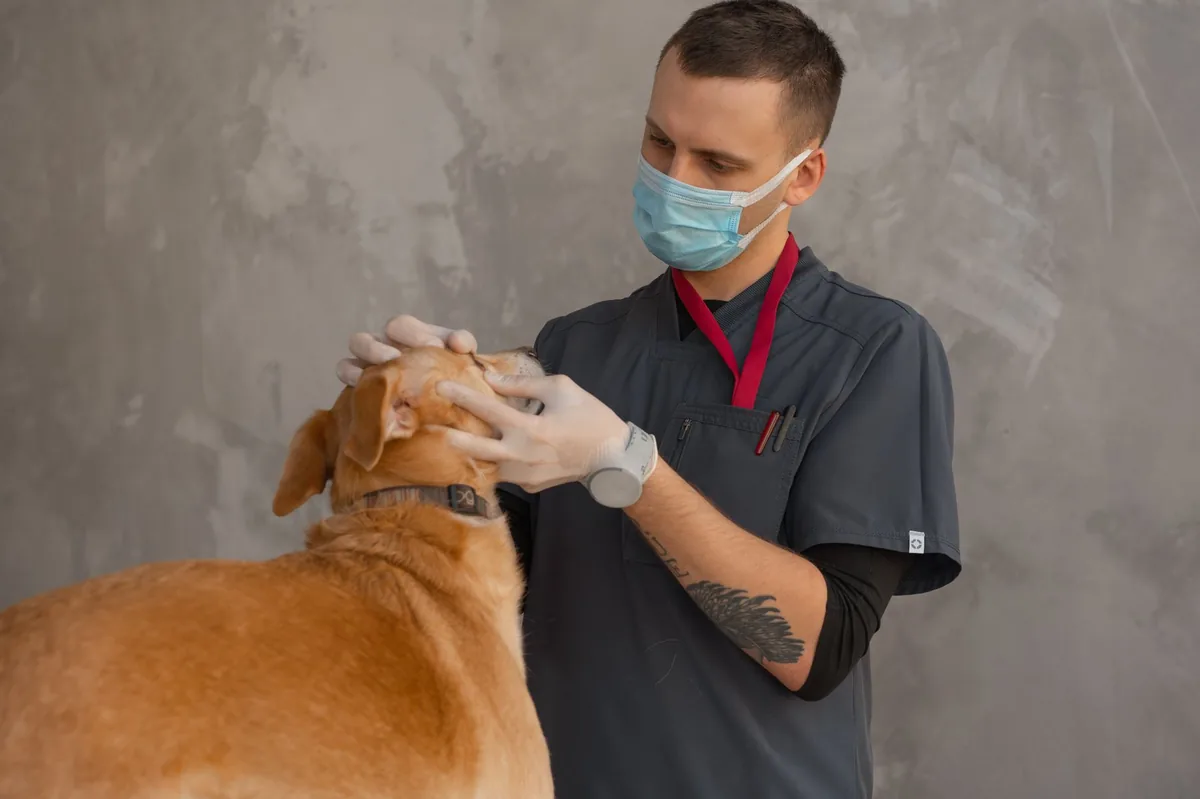
When you arrive at the clinic, the veterinarian will start with a focused history: what medication was taken, how much, and how long ago. A physical exam follows, looking especially at the mouth, eyes, abdomen, and neurologic status.
Diagnostic tests often include:
- Blood work (CBC & chemistry panel): Checks red blood cell count, liver enzymes (ALT, AST), kidney values (BUN, creatinine) and electrolytes.
- Urinalysis: Detects hemoglobin or bilirubin in the urine, a hallmark of acetaminophen poisoning.
- Abdominal X‑rays or ultrasound: Looks for stomach ulceration or fluid accumulation.
- Toxicology screen: Some labs can measure specific drug levels (e.g., ibuprofen) if the sample is sent out.
All of these pieces help the vet gauge the severity and decide on the most appropriate treatment plan.
Treatment options
Medical treatment
Veterinary care focuses on removing the toxin and supporting the affected organs. Common interventions include:
- Decontamination: Inducing vomiting (if ingestion was recent and the dog is not vomiting) or administering activated charcoal to bind remaining drug in the gut.
- Antidotes: N‑acetylcysteine (NAC) for acetaminophen poisoning, and intravenous lipid emulsion (ILE) for severe ibuprofen or naproxen toxicity.
- Fluid therapy: IV crystalloids to maintain kidney perfusion and help flush toxins.
- Gastroprotectants: Medications such as famotidine or sucralfate to protect the stomach lining.
- Anticonvulsants: Diazepam or phenobarbital if seizures develop.
- Ask your vet about these options if your dog has ingested a specific drug.
Supplements and supportive care
While supplements are not a cure, they can aid recovery when used alongside conventional therapy:
- Vitamin C and vitamin E: Antioxidants that may reduce oxidative liver damage from acetaminophen.
- Probiotics (e.g., FortiFlora): Help maintain gut health if vomiting or diarrhea is severe.
- Omega‑3 fatty acids (EPA/DHA): May lessen inflammation in the GI tract and support kidney function.
Always discuss supplement use with your veterinarian; inappropriate dosing can interfere with medications.
Procedures or surgery
In rare, severe cases of acetaminophen poisoning, dogs may need a blood transfusion to replace damaged red blood cells, or even hemodialysis to rapidly clear the toxin from the bloodstream. These procedures are typically performed at specialty or emergency hospitals and can cost several thousand dollars.
Diet and nutrition
Nutrition plays a vital role in both the acute phase of toxicity and the recovery period. While the primary focus is medical stabilization, feeding a balanced, easily digestible diet helps the liver and kidneys process the remaining toxin and rebuild damaged cells.
What to feed while recovering:
- Highly digestible protein: Boiled chicken breast or lean turkey, shredded into small pieces. Protein supplies the amino acids needed for liver regeneration.
- Low‑fat, moderate‑carbohydrate meals: White rice or cooked sweet potato provides energy without overloading the liver.
- Hydration: Fresh water should always be available. For dogs reluctant to drink, offer unflavored Pedialyte (check with your vet) or ice chips.
- Prescription renal or hepatic diets: If your vet diagnoses significant liver or kidney injury, they may recommend a therapeutic diet such as a “renal support” or “hepatic support” formula (e.g., Hill’s Prescription Diet k/d or Royal Canin Hepatic). These are formulated with reduced protein, adjusted electrolytes, and added antioxidants.
What to avoid:
- High‑fat or greasy foods: Fatty meals increase the liver’s workload.
- Raw bones or raw organ meats: These can be hard to digest and may contain residual drug particles if the dog chewed a contaminated packaging.
- Commercial treats with added preservatives or artificial colors: They can irritate a compromised GI tract.
Transition back to your regular diet gradually over 5–7 days, mixing a small amount of the regular kibble with the recovery food and increasing the proportion each day. This gentle shift helps avoid a sudden overload of toxins that might still be present in the system.
| Food category | Do feed | Limit | Avoid |
|---|---|---|---|
| Protein | Boiled chicken, turkey, lean fish | Cooked eggs (moderate) | Fatty meats, raw organ meats |
| Carbohydrate | White rice, sweet potato | Whole grain kibble (small amount) | High‑fiber raw veggies (cabbage) |
| Fats | Omega‑3 supplement (vet‑approved) | Olive oil (tiny drizzle) | Butter, cheese, fatty treats |
| Hydration | Fresh water, Pedialyte (vet‑approved) | Broth (low‑salt) | Milk (lactose intolerant dogs) |
When in doubt, ask your vet to tailor a home‑cooked plan that meets your dog’s specific calorie needs. The PuppaDogs calculators can help you estimate daily caloric requirements based on weight, age, and activity level.
Cost and prognosis
The price of treating medication toxicity depends on the drug, the dose, and how quickly you seek care. Rough estimates for the United States (based on data from the American Animal Hospital Association) are:
- Initial emergency visit: $150–$300 (triage, exam, basic labs).
- Decontamination (activated charcoal, vomiting induction): $100–$200.
- IV fluids and monitoring (24‑hour stay): $500–$1,200.
- Specific antidote (N‑acetylcysteine) or ILE therapy: $300–$800.
- Advanced procedures (blood transfusion, dialysis): $2,000–$5,000.
In the United Kingdom, comparable care typically ranges from £120 to £1,500, depending on the same variables. These figures are estimates; actual bills can vary widely based on geographic location and clinic fees.
Prognosis is closely tied to three factors: how much of the drug was ingested, how quickly treatment began, and the dog’s overall health. Dogs caught early—within a few hours of ingestion—often recover fully within 48–72 hours. Late presentations with severe organ damage may require weeks of supportive care and have a guarded outcome.
Prevention and home care
The best way to protect your dog is to keep human medicines out of reach.
- Store meds in high cabinets: Use child‑proof locks on drawers and keep bottles on top shelves.
- Dispose of leftovers safely: Take unused pills to a pharmacy take‑back program or mix them with coffee grounds before discarding.
- Educate household members: Make sure everyone knows that “just a little” can be deadly for pets.
- Use pet‑specific remedies: If your dog has a mild cold, ask your vet about safe options like honey‑sweetened broth or a short course of a veterinary‑approved cough suppressant.
- Regular check‑ups: During wellness exams, discuss any home remedies you use so the vet can advise on safety.
In the event of accidental ingestion, have the PuppaDogs community forum bookmarked. Fellow owners and vets can provide quick reassurance while you arrange professional care.
From our vet team: If you ever suspect your dog has swallowed a human medication, the fastest thing you can do is call your vet and give them the exact name and amount of the drug. Early intervention—often just the administration of activated charcoal—can dramatically improve the odds of a full recovery. Keep calm, act quickly, and remember that most dogs survive when they receive prompt, appropriate care.
Key takeaways
- Even a single human cold or flu pill can be life‑threatening to a dog; keep all medications securely stored.
- Watch for vomiting, pale gums, rapid breathing, or seizures—these are red‑flag signs that need immediate veterinary attention.
- Treatment usually involves decontamination, IV fluids, and specific antidotes like N‑acetylcysteine for acetaminophen.
- Recovery is fastest when care begins within a few hours; most dogs recover fully if treated promptly.
- Feed a bland, highly digestible diet during recovery and transition back slowly to regular food.
- Ask your vet about pet‑safe cold remedies and always double‑check the safety of any human medication before offering it to your dog.
Myth vs. fact
Myth: “A little bit of ibuprofen won’t hurt my dog because it’s a common pain reliever for people.”
Fact: Ibuprofen is highly toxic to dogs; even 10 mg/kg can cause kidney failure and GI ulceration. Never give ibuprofen unless a veterinarian explicitly prescribes it.
Myth: “Acetaminophen is safe if I give a tiny dose for a fever.”
Fact: Dogs lack the enzyme needed to safely metabolize acetaminophen. Small doses can lead to liver failure and destruction of red blood cells.
Myth: “All over‑the‑counter cough syrups are harmless because they’re just sugar water.”
Fact: Many cough syrups contain dextromethorphan or codeine, both of which can cause severe CNS depression and seizures in dogs.
Frequently asked questions
What human cold medicines are toxic to dogs?
Common toxic OTC products include ibuprofen (Advil, Motrin), acetaminophen (Tylenol), pseudoephedrine (Sudafed), dextromethorphan (Robitussin), and combination cold packs that mix several of these ingredients.
What are the early signs of medication poisoning in dogs?
Early signs often appear within an hour and include vomiting, loss of appetite, drooling, and mild lethargy. Look for pale gums or a change in urination color as early red flags.
How quickly do symptoms appear after a dog eats cold medicine?
Symptoms can emerge as soon as 30 minutes for NSAIDs and up to 6 hours for acetaminophen. Decongestants may cause heart rate changes within a few hours.
Can a dog survive an overdose of ibuprofen?
Yes, many dogs survive if treatment starts quickly. Prompt veterinary care—including activated charcoal and IV fluids—greatly improves the odds of a full recovery.
What should I do at home before I get to the vet?
If the ingestion was recent (under two hours) and the dog is not vomiting, your vet may advise inducing vomiting or giving activated charcoal at home. Keep the medication bottle handy for exact dosing information.
How much does emergency treatment for medication toxicity cost?
Emergency care typically ranges from $500 to $1,500 in the U.S., covering the exam, labs, IV fluids, and any antidotes. Advanced procedures like dialysis can push the bill above $3,000.
Ask the PuppaDogs community
Have a question this article didn’t fully answer? Want to compare notes with other dog owners who’ve been through this? Our community forum is moderated by experienced owners and vets — and answers tend to come fast. Ask in the PuppaDogs community →
References
- American Society for the Prevention of Cruelty to Animals (ASPCA) – Toxicology Hotline Guidelines.
- American Veterinary Medical Association (AVMA) – Drug Toxicity in Companion Animals.
- American Animal Hospital Association (AAHA) – 2023 Guidelines for Emergency Veterinary Care.
- Merck Veterinary Manual – “Acetaminophen Poisoning in Dogs” chapter.
- Plumb’s Veterinary Drug Handbook – Dosage and Antidote Information for NSAIDs and Acetaminophen.
- World Small Animal Veterinary Association (WSAVA) – Recommendations on Human Medication Storage.
- Cornell University College of Veterinary Medicine – “Medication Toxicities in Dogs” fact sheet.
- UC Davis School of Veterinary Medicine – “Management of NSAID Toxicity” clinical protocol.
- American College of Veterinary Internal Medicine (ACVIM) – Consensus Statement on Liver Failure Management.


