












Quick take: Dogs cannot have true Down syndrome because they lack the extra chromosome that causes the condition in people. However, several congenital and developmental disorders can look similar—such as cerebellar hypoplasia or congenital hypothyroidism. Recognizing the real cause, getting proper veterinary diagnostics, and providing supportive care can give your pup a comfortable, happy life.
It’s 9 p.m., and you’ve just noticed your 8‑week‑old golden retriever puppy isn’t keeping up with the littermates. Her ears sit a little lower, her eyes seem a bit farther apart, and she’s slower to respond when you call her name. You scroll through a late‑night search and the phrase “Down syndrome in dogs” pops up. Your heart jumps—could your new family member have a human genetic disorder?
First, take a breath. The worry you’re feeling is normal, and you’re not alone. Many owners wonder whether a dog can be born with Down syndrome, and the answer is a blend of genetics, developmental biology, and careful observation. In this guide we’ll explain why true Down syndrome doesn’t occur in dogs, describe the conditions that mimic its appearance, walk through how vets diagnose these issues, and outline realistic treatment, cost, and care options.
By the end of the article you’ll know what signs to watch for, when to call your vet, how to support a pup with a developmental disorder, and what to expect long‑term. Let’s dive in, step by step.
What is Down syndrome?
Down syndrome, also called trisomy 21, is a human genetic condition caused by an extra copy of chromosome 21. The extra chromosome disrupts normal brain and body development, leading to characteristic facial features, intellectual disability, and a higher risk of heart, gastrointestinal, and thyroid problems.
Dogs have a different set of chromosomes—78 total, arranged in 39 pairs. None of those pairs match human chromosome 21, and dogs simply do not develop the extra‑chromosome error that defines Down syndrome. Because of that, a true trisomy‑21 condition cannot exist in a canine genome.
That said, dogs can be born with a range of congenital and developmental disorders that produce “Down‑syndrome‑like” traits: a flat facial profile, delayed milestones, and sometimes heart or thyroid abnormalities. The most common mimics are congenital hypothyroidism, cerebellar hypoplasia, and certain skeletal dysplasias.
What causes it?
Since true Down syndrome isn’t possible in dogs, the “causes” we discuss are the underlying factors for the mimicking conditions. They fall into three broad categories:
| Category | Typical Causes |
|---|---|
| Genetic mutations | Inherited or spontaneous DNA changes affecting thyroid hormone production, brain development, or bone growth. |
| Maternal infections | Viruses such as canine parvovirus or feline panleukopenia crossing the placenta can damage a developing puppy’s brain (cerebellar hypoplasia). |
| Environmental toxins | Exposure to certain drugs, chemicals, or nutritional deficiencies during gestation. |
These causes are unrelated to the extra chromosome that defines human Down syndrome, but they can produce overlapping physical signs that lead owners to draw the comparison.
Signs and symptoms
Because the “Down‑syndrome‑like” disorders each have their own hallmark, we’ll group the observable traits into three severity levels. This helps you gauge whether the signs you’re seeing are mild quirks or indicators of a deeper problem.
| Severity | Typical Signs |
|---|---|
| Mild | Flat facial profile, slightly wide-set eyes, mild ataxia (unsteady gait), slower learning of basic commands. |
| Moderate | Pronounced facial flattening, noticeable tremor or wobble, delayed tooth eruption, occasional seizures, heart murmur. |
| Severe | Severe cerebellar hypoplasia (marked wobble, inability to walk upright), profound hypothyroidism (lethargy, thick coat, growth retardation), skeletal abnormalities that affect mobility. |
Many of these signs overlap with other developmental disorders, so seeing one or two doesn’t automatically mean a Down‑syndrome‑like condition. Below is a quick checklist of the most commonly misinterpreted traits:
- Flat or “broad” facial appearance
- Wide-set eyes or “bulging” eyes
- Delayed walking or persistent wobble
- Slow response to training cues
- Low energy despite adequate nutrition
- Heart murmur detected during routine exam
- Thick, dull coat with poor shedding

When to call your vet
Call your vet today if you notice any of the following:
- Persistent wobble or unsteady gait beyond 3 weeks of age
- Flat facial features that don’t improve as the puppy grows
- Slow weight gain or failure to thrive despite proper feeding
- Heart murmur detected on a routine check
- Signs of hypothyroidism (lethargy, thick coat, constipation)
Go to an emergency veterinary hospital right now if your dog shows:
- Severe difficulty breathing
- Sudden collapse or seizures
- Uncontrolled vomiting or diarrhea for more than 24 hours
- Extreme weakness that prevents standing
These red‑flag symptoms could indicate a life‑threatening complication unrelated to developmental disorders. Always err on the side of caution—your vet can determine whether the issue is urgent or can be scheduled for a routine visit.
This article is for informational purposes only and does not replace professional veterinary care.
How vets diagnose it
Veterinarians use a systematic workup to rule in or out specific genetic or developmental disorders. The process typically includes:
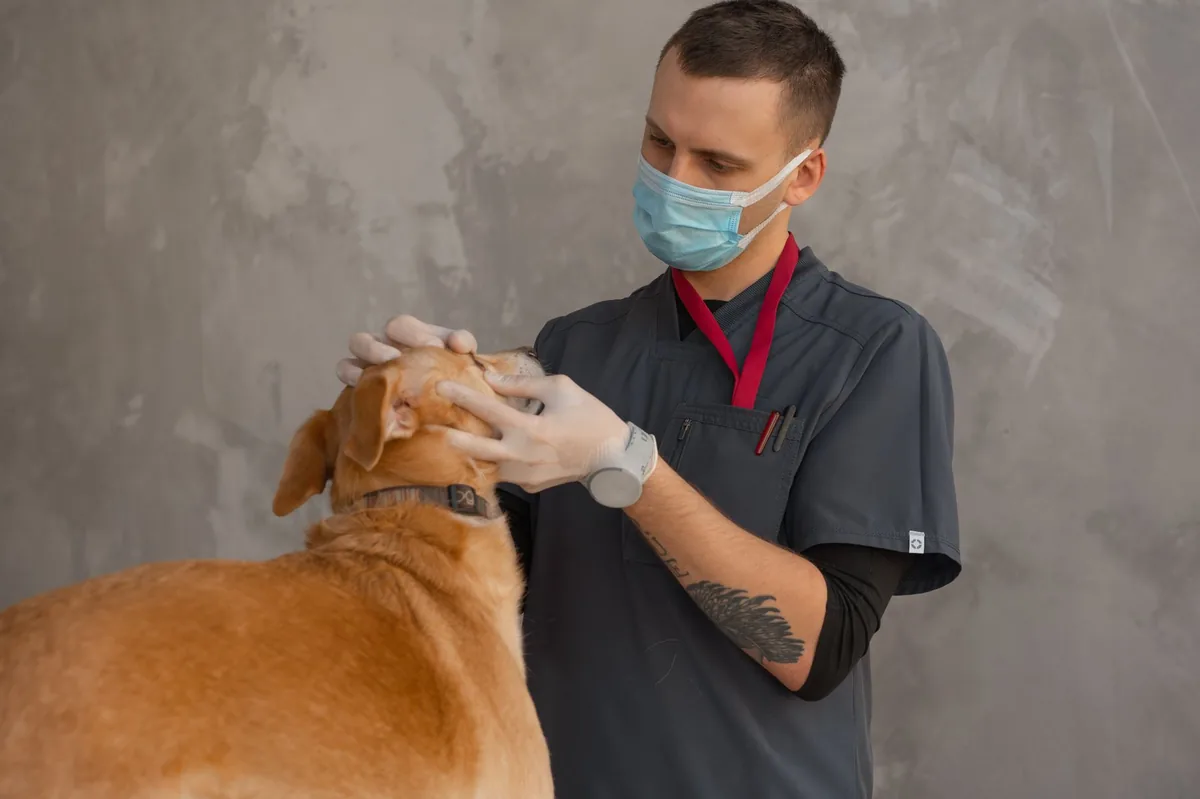
- History & physical exam: The vet asks about the puppy’s birth, any maternal illness, and watches for facial, gait, and coat clues.
- Blood work: A complete blood count (CBC) and chemistry panel check for thyroid hormone levels, liver function, and metabolic abnormalities. Low thyroxine (T4) points to congenital hypothyroidism.
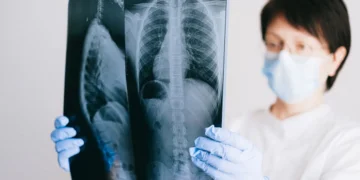
- Imaging: Radiographs (X‑rays) evaluate bone structure; an ultrasound can assess heart size and function if a murmur is present.
- Neurological testing: MRI or CT scans are rarely needed but can confirm cerebellar hypoplasia by showing a smaller cerebellum.
- Genetic testing: Certain breeds have known DNA panels for hypothyroidism or skeletal dysplasia. While no test exists for “Down syndrome” in dogs, these panels help identify related mutations.
All findings are interpreted together. For example, a puppy with a flat face, a heart murmur, and low T4 would likely be diagnosed with congenital hypothyroidism rather than a chromosome abnormality.
Treatment options
Medical treatment
Once a specific condition is identified, treatment focuses on managing the underlying cause and supporting normal development:
- Congenital hypothyroidism: Lifelong levothyroxine (synthetic thyroid hormone) is the standard of care. Your vet will tailor the dose to weight and blood‑test results.
- Cerebellar hypoplasia: No medication reverses the brain malformation, but anti‑seizure drugs (e.g., phenobarbital) may be prescribed if seizures occur.
- Skeletal dysplasia: Pain‑relieving NSAIDs (such as carprofen) and joint supplements can improve comfort.
Ask your vet about each medication; they will explain benefits, potential side effects, and monitoring needs.
Supplements and supportive care
Evidence‑based adjuncts can aid development and quality of life:
- Omega‑3 fatty acids (EPA/DHA): Anti‑inflammatory and may support brain health, especially in puppies with mild neurological deficits.
- Vitamin B12 (cobalamin): Helpful for dogs with certain metabolic disorders; your vet can check serum levels.
- Probiotics: Promote gut health, which can be especially important for puppies on long‑term medications.
These supplements are not cures, but they can complement medical therapy when used under veterinary guidance.
Procedures or surgery
Most Down‑syndrome‑like disorders do not require surgery. However, severe heart defects (like patent ductus arteriosus) associated with some congenital conditions may need corrective surgery. The procedure typically involves a minimally invasive catheter technique, a hospital stay of 1–2 days, and a recovery period of several weeks. Costs range from $5,000 USD to $10,000 USD in the United States, depending on the specialty center.
Diet and nutrition
Nutrition is a cornerstone of care for any puppy with a developmental disorder. While there is no “Down syndrome diet,” certain dietary strategies can help manage the underlying condition and promote overall health.
High‑quality protein is essential for growth. Choose a commercial puppy formula that lists a named animal protein (chicken, lamb, or fish) as the first ingredient. If your vet diagnoses congenital hypothyroidism, a diet slightly higher in calories can offset the slower metabolism.
For dogs with cerebellar hypoplasia or skeletal issues, easily digestible, moderate‑fat kibble reduces the effort required to chew and swallow. Adding a small amount of warm water or low‑sodium broth can soften the kibble for puppies that have trouble coordinating their bite.
When a heart murmur is present, controlled sodium intake can ease cardiac workload. Look for “low‑sodium” or “cardiac support” statements on the label, but avoid drastic restriction without veterinary direction.
Below is a quick reference for feeding decisions:
| Do feed | Limit | Avoid |
|---|---|---|
| High‑quality puppy kibble with named animal protein | Excessive treats (more than 10 % of daily calories) | Human food high in fat or salt |
| Omega‑3 enriched fish oil (vet‑approved) | Raw bones (risk of splintering) | Grain‑heavy diets if your dog has a known food sensitivity |
| Warm water or low‑sodium broth to soften kibble (if needed) | High‑calorie “puppy‑enhancement” powders without vet approval | Any diet with artificial sweeteners (xylitol is toxic) |
Transition any new food gradually over 7–10 days to avoid gastrointestinal upset. Mix increasing amounts of the new diet with the current food, watching for signs of constipation or diarrhea.
Because many developmental disorders affect the thyroid or heart, your vet may recommend a therapeutic prescription diet—such as a renal‑support or cardiac‑support formula. These are formulated to meet specific nutrient targets (e.g., reduced phosphorus, controlled sodium). The exact brand isn’t as important as the nutrient profile; discuss options with your vet to find a suitable, affordable choice.
Finally, keep fresh water always available. Dehydration can worsen any underlying condition, especially in puppies who may not recognize thirst cues.
Cost and prognosis
Because there is no single “Down syndrome” test, costs vary based on the specific condition that’s diagnosed.
| Service | US estimate | UK estimate |
|---|---|---|
| Initial exam + blood work (CBC, chemistry, T4) | $150–$250 | £80–£150 |
| Genetic panel (if indicated) | $200–$400 | £120–£250 |
| Imaging (X‑ray, ultrasound) | $100–$300 | £70–£180 |
| Lifetime levothyroxine therapy (drug + monitoring) | $30–$60 per year | £20–£45 per year |
| Specialty cardiac surgery (if needed) | $5,000–$10,000 | £4,000–£8,500 |
| Physical therapy & rehabilitation | $50–$120 per session | £40–£100 per session |
Overall prognosis depends on the underlying disorder:
- Congenital hypothyroidism: With early levothyroxine treatment, most dogs enjoy a normal lifespan and lead active lives.
- Cerebellar hypoplasia: Lifespan is typically normal, but the dog will retain a lifelong wobble and may have reduced agility.
- Skeletal dysplasia: Prognosis varies; mild forms allow a good quality of life, while severe forms may limit mobility and require ongoing pain management.
In all cases, regular veterinary follow‑up, proper nutrition, and a supportive home environment maximize the chance of a happy, healthy life.
Prevention and home care
While you can’t prevent a genetic mutation that already exists, several steps can reduce the risk of developmental disorders in future litters:
- Pregnant dam health: Ensure the mother receives balanced nutrition (AAFCO‑approved prenatal diet), regular vaccinations, and parasite control.
- Avoid infections: Keep pregnant dogs away from known viral sources (e.g., canine parvovirus‑infected kennels) and practice good hygiene.
- Genetic screening: For breeds with known predispositions, consider DNA testing before breeding.
- Environmental safety: Limit exposure to toxins such as pesticides, certain cleaning agents, and non‑prescribed medications.
At home, monitor your puppy’s growth curve, gait, and energy level. Keep a weekly log of weight and any new symptoms. Share this log with your vet during check‑ups—early detection is the best tool for managing these conditions.
From our vet team: “Owners often think a flat face or a wobble means a hopeless prognosis, but most developmental disorders are manageable with early intervention. The biggest difference we see is the love and consistency an owner provides. Keep communication open with your vet, and never hesitate to ask about supportive therapies like physiotherapy—they can dramatically improve a dog’s confidence and mobility.”
Key takeaways
- True Down syndrome cannot occur in dogs because they lack the extra chromosome that causes the condition in humans.
- Congenital hypothyroidism, cerebellar hypoplasia, and certain skeletal dysplasias are the most common “Down‑syndrome‑like” disorders in puppies.
- Early veterinary evaluation—including blood work, imaging, and possibly genetic testing—is essential for accurate diagnosis.
- Medical treatment (e.g., levothyroxine), supportive supplements, and physical therapy can give affected dogs a normal or near‑normal lifespan.
- Nutrition should focus on high‑quality puppy protein, appropriate calories, and, when indicated, low‑sodium or thyroid‑supportive formulations.
- Regular monitoring, a safe environment for the dam, and responsible breeding practices lower the risk of future developmental disorders.
Myth vs. fact
Myth: Dogs can inherit Down syndrome from their parents.
Fact: Dogs do not have chromosome 21; therefore, the genetic basis for Down syndrome does not exist in the canine genome.
Myth: A flat face always means a serious genetic disease.
Fact: Facial conformation varies by breed, and many flat‑faced dogs are perfectly healthy. A thorough vet exam is needed to differentiate normal variation from disease.
Myth: There’s a cure for developmental disorders like cerebellar hypoplasia.
Fact: While the underlying brain structure can’t be changed, supportive care, medication for seizures, and physiotherapy can greatly improve quality of life.
Frequently asked questions
Can dogs actually get Down syndrome?
No. Dogs lack the extra chromosome that defines Down syndrome in humans, so they cannot have the same genetic condition.
What symptoms would a dog with a Down‑syndrome‑like disorder show?
Typical signs include a flat facial profile, wide‑set eyes, delayed walking, unsteady gait, low energy, and sometimes a heart murmur or hypothyroid‑related coat changes.
How do vets test for Down syndrome in dogs?
Vets don’t test for Down syndrome; instead, they run blood work, hormonal panels, imaging, and breed‑specific genetic screens to identify conditions that mimic its appearance, such as congenital hypothyroidism or cerebellar hypoplasia.
Is Down syndrome in dogs hereditary?
Since true Down syndrome doesn’t exist in dogs, there’s no hereditary pattern. However, some mimicking disorders (e.g., certain skeletal dysplasias) can be inherited, so genetic testing is advised for at‑risk breeds.
What is the life expectancy of a dog with a Down‑syndrome‑like condition?
Most affected dogs live a normal lifespan when the underlying condition is treated—hypothyroidism, for example, is managed with lifelong hormone replacement, and cerebellar hypoplasia does not shorten life expectancy.
Can treatment improve a dog’s quality of life if it has a Down‑syndrome‑like disorder?
Yes. Early medical therapy, proper nutrition, and supportive physiotherapy can dramatically enhance comfort, mobility, and overall happiness for dogs with these developmental disorders.
Ask the PuppaDogs community
Have a question this article didn’t fully answer? Want to compare notes with other dog owners who’ve been through this? Our community forum is moderated by experienced owners and vets — and answers tend to come fast. Ask in the PuppaDogs community →
References
- American College of Veterinary Internal Medicine (ACVIM) – Guidelines on Congenital Hypothyroidism in Dogs.
- Merck Veterinary Manual – Cerebellar Hypoplasia in Dogs.
- American Animal Hospital Association (AAHA) – Recommended Diagnostic Approach for Developmental Disorders.
- World Small Animal Veterinary Association (WSAVA) – Nutrition Recommendations for Puppies with Metabolic Disorders.
- Cornell University College of Veterinary Medicine – Thyroid Function Testing in Canines.
- Veterinary Genetics Society – DNA Testing for Hereditary Skeletal Dysplasia.
- AVMA – Overview of Cardiovascular Surgery in Small Animals.
- Plumb’s Veterinary Drug Handbook – Levothyroxine Use in Dogs.
- AKC Breed Health Surveys – Prevalence of Developmental Abnormalities in Selected Breeds.


