













Quick take: Cancer in dogs can appear as a lump, weight loss, or a change in behavior, and early detection improves outcomes. Common types include lymphoma, mast cell tumors, osteosarcoma, and hemangiosarcoma, each with breed‑related risks. Treatment ranges from surgery and chemotherapy to palliative care, and costs can vary widely. Talk to your vet as soon as you notice any unexplained changes—early intervention is key.
It’s 9 p.m., and you’re watching your senior Golden Retriever, Max, curl up on his favorite rug. He’s usually the first to greet you at the door, but tonight he barely lifts his head, and his gums look a shade paler than usual. Your heart races as you Google “pale gums in dogs” and wonder whether this could be something serious.
We know that moment of uncertainty. A new lump, a loss of appetite, or a sudden drop in energy can feel overwhelming, especially when you’re alone with a beloved companion. The good news is that many cancers are treatable, and the sooner you get a veterinary evaluation, the more options you’ll have. Below we break down what cancer in dogs looks like, how it’s diagnosed, and what you can do to help Max (or any dog) through the journey.
In this guide we’ll cover the basics of canine cancer, the most common types and breed predispositions, early warning signs, diagnostic work‑ups, treatment options, nutrition, costs, and practical ways to reduce risk. We’ll also point you to tools and community support so you never have to face this alone.
What is cancer in dogs?
Cancer in dogs is the uncontrolled growth of abnormal cells that can invade nearby tissues or spread (metastasize) to other parts of the body. These cells ignore the body’s normal signals to stop dividing, forming masses called tumors. Tumors can be benign (non‑cancerous) or malignant (cancerous), with malignant tumors having the potential to spread.
According to the American Veterinary Medical Association (AVMA), roughly 1 in 4 dogs will develop cancer in their lifetime, and the risk increases with age. While any breed can be affected, certain breeds are over‑represented for specific cancers, making awareness especially important for owners of those dogs.
What causes it?
Cancer arises from a mix of genetic, environmental, and lifestyle factors that trigger DNA damage or alter cell‑growth pathways.
- Genetics: Some breeds carry hereditary mutations that predispose them to particular cancers (e.g., German Shepherds and hemangiosarcoma).
- Age: Older dogs accumulate more genetic mutations, so senior dogs are at higher risk.
- Environmental exposures: Pesticides, tobacco smoke, and chronic inflammation from infections can increase cancer risk.
- Hormonal influences: Certain cancers, like mammary gland tumors, are linked to reproductive hormones; spaying before the first heat dramatically lowers risk.
- Immune suppression: Dogs on long‑term immunosuppressive drugs (e.g., post‑transplant) have a higher incidence of lymphoma.
Signs and symptoms
Early cancer can be subtle. Look for changes that persist for more than a week and aren’t explained by injury or infection.
| Severity | Typical signs |
|---|---|
| Mild | Small, painless lump; slight weight loss; decreased appetite; occasional coughing. |
| Moderate | Rapidly growing mass; persistent lameness; vomiting or diarrhea; noticeable fatigue; pale or yellow gums. |
| Severe | Severe pain; difficulty breathing; sudden collapse; visible bleeding from a tumor; neurological deficits (e.g., head tilt). |
Common red flags include a lump that changes size, shape, or texture; unexplained weight loss; persistent lameness; chronic coughing; vomiting blood; and any new pain or behavioral changes.
When to call your vet
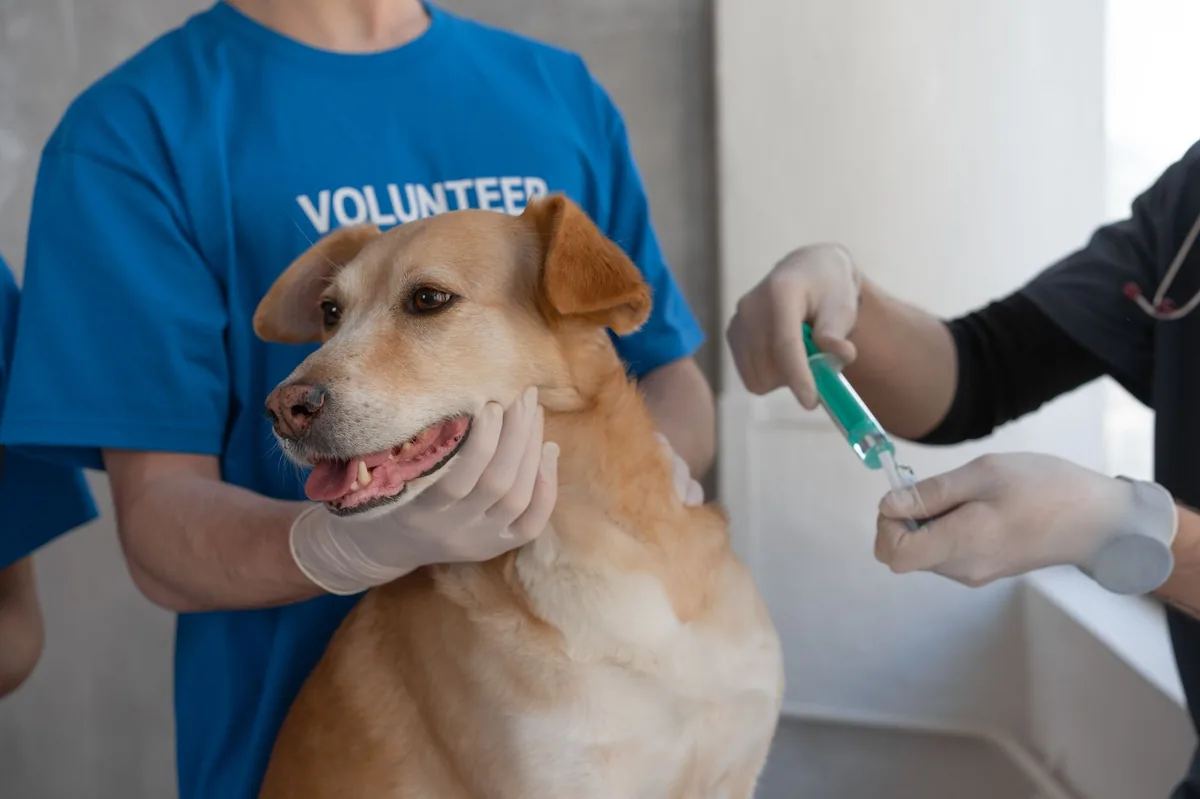
Call your vet today if you notice any of the following:
- A new lump or swelling that persists more than a week.
- Unexplained weight loss or loss of appetite lasting >5 days.
- Persistent coughing, vomiting, or diarrhea.
- Sudden lameness or difficulty moving.
- Pale, yellow, or bruised‑looking gums.
Go to an emergency veterinary hospital right now if your dog shows:
- Severe pain (whimpering, not wanting to be touched).
- Difficulty breathing or rapid breathing.
- Bleeding that won’t stop.
- Sudden collapse or inability to stand.
This article is for informational purposes only and does not replace a hands‑on veterinary examination.
How vets diagnose it
Veterinarians use a stepwise approach to confirm cancer, determine its type, and stage how far it has spread.
- History & physical exam: The vet will ask about changes in behavior, appetite, and any lumps you’ve noticed, then perform a thorough palpation of the entire body.
- Fine‑needle aspiration (FNA) or core biopsy: A thin needle extracts cells from a mass for microscopic evaluation. This often provides a quick diagnosis.
- Blood work: CBC and chemistry panels reveal anemia, organ function, and sometimes tumor markers (e.g., LDH for lymphoma).
- Imaging: X‑rays, ultrasound, CT, or MRI locate metastases in lungs, liver, or bone.
- Staging tests: Advanced imaging and sometimes bone marrow aspirates help stage cancers like osteosarcoma or hemangiosarcoma, guiding treatment decisions.
Treatment options
Therapy is tailored to the cancer type, stage, the dog’s overall health, and the owner’s goals and budget.
Medical treatment
Systemic drugs target cancer cells throughout the body.
- Chemotherapy: Common agents include doxorubicin, carboplatin, and vincristine. Your vet will dose based on weight and disease severity. Ask your vet about this option.
- Targeted therapy: Drugs such as Palladia (toceranib) are used for mast cell tumors and some soft‑tissue sarcomas.
- Immunotherapy: Treatments like canine melanoma vaccine (Oncept) stimulate the immune system to attack cancer cells.
- Pain management: NSAIDs (e.g., carprofen) and opioids (e.g., tramadol) are often prescribed to keep your dog comfortable.
Supplements and supportive care
While supplements cannot cure cancer, some can help maintain quality of life during treatment.
- Omega‑3 fatty acids (EPA/DHA): May reduce inflammation and support immune health. Look for veterinary‑grade fish oil.
- Antioxidants (vitamin C, selenium): Can help mitigate oxidative stress from chemotherapy, but always discuss with your vet first.
- Probiotics: Support gut health, especially when antibiotics or chemotherapy disrupt normal flora.
Procedures or surgery
When a tumor is localized, surgical removal can be curative or palliative.
- Wide‑margin excision: For mast cell tumors or soft‑tissue sarcomas, vets aim to remove a border of healthy tissue to reduce recurrence.
- Amputation: Osteosarcoma of a leg often requires removing the affected limb; dogs adapt remarkably well to prosthetics or a modified lifestyle.
- Radiation therapy: Used after surgery or as a primary treatment for tumors that cannot be removed safely (e.g., nasal carcinoma).
- Cost range: Surgical procedures can run from $1,500 to $5,000 USD (or £1,200–£4,000 GBP), depending on complexity and geographic location.
Diet and nutrition
Nutrition plays a supportive role in cancer care. While no single diet can “cure” cancer, feeding a balanced, highly digestible diet helps maintain body condition, supports the immune system, and can reduce treatment side effects.
Key principles for a cancer‑supportive diet include:
- High‑quality protein: Easily digestible sources (e.g., chicken, turkey, fish) provide essential amino acids for tissue repair. Aim for 30–40 % of calories from protein, especially during chemotherapy.
- Moderate fat: Fat supplies dense energy, but excessive fat can promote inflammation. Omega‑3 enriched oils (EPA/DHA) are beneficial.
- Limited simple carbohydrates: Reducing excess glucose may help “starve” fast‑growing cancer cells, though evidence is mixed. Complex carbs like sweet potato or pumpkin are acceptable in moderation.
- Fiber: Helps maintain gut health; soluble fiber from pumpkin or psyllium can aid in managing diarrhea caused by chemotherapy.
- Antioxidant‑rich foods: Blueberries, carrots, and leafy greens provide vitamins C and E, which may mitigate oxidative damage.
Many veterinarians recommend a therapeutic “cancer diet” that meets these criteria. Brands such as Hill’s Prescription Diet k/d, Royal Canin Canine Oncology, and Purina Pro Plan Veterinary Diets EN are formulated with controlled protein, added omega‑3s, and low‑carbohydrate profiles. Ask your vet which prescription diet aligns with your dog’s specific cancer type and overall health.
When transitioning to a new diet, do it gradually over 5–7 days: mix 25 % new food with 75 % old food on day 1, then increase the new food proportion each day. This helps prevent gastrointestinal upset.
Foods to favor include:
| Do feed | Limit | Avoid |
|---|---|---|
| Lean meats (chicken, turkey, fish) | Cooked eggs | High‑fat table scraps |
| Cooked sweet potato, pumpkin | Low‑fat dairy (cottage cheese) | Processed treats, bacon |
| Omega‑3 fish oil supplement | Whole grains (in small amounts) | Chocolate, grapes, onions |
Hydration is also crucial. Cancer and its treatments can cause nausea or reduced water intake. Offer fresh water frequently, and consider low‑salt broth or ice cubes if your dog is reluctant to drink.
Finally, monitor body condition. Weight loss is a common sign of cancer progression; aim to keep your dog at a stable weight throughout treatment. If your dog is losing weight despite a good appetite, discuss appetite stimulants (e.g., mirtazapine) with your vet.
Cost and prognosis
Cancer care can be a significant financial commitment. Costs vary by cancer type, treatment modality, geographic region, and whether you pursue advanced options like radiation.
| Cancer type | Treatment options | Typical US cost (USD) | Typical UK cost (GBP) |
|---|---|---|---|
| Lymphoma | Chemotherapy (CHOP protocol) | $5,000–$10,000 | £3,500–£7,000 |
| Mast cell tumor | Surgery + Palladia | $2,000–$4,500 | £1,200–£3,000 |
| Osteosarcoma | Amputation + chemotherapy | $7,000–$12,000 | £5,000–£9,000 |
| Hemangiosarcoma | Surgery + chemotherapy | $6,000–$11,000 | £4,500–£8,500 |
Prognosis depends on cancer type and stage at diagnosis. For example, early‑stage lymphoma treated with multi‑agent chemotherapy can achieve remission in 70–80 % of dogs, with median survival of 12–14 months. Osteosarcoma typically carries a guarded prognosis, with median survival of 8–12 months after amputation and chemotherapy. Hemangiosarcoma often has a poorer outlook because it frequently presents in an advanced stage.
Many owners plan financially by using pet insurance, payment plans offered by specialty clinics, or dedicated cancer funds. Our cost calculator can help you estimate monthly budgeting needs.
Prevention and home care
While you can’t eliminate all cancer risk, lifestyle choices can lower the odds.
- Spay/neuter early: Spaying before the first heat reduces mammary tumor risk by up to 90 % (AVMA).
- Maintain a healthy weight: Obesity is linked to increased incidence of several cancers, including mammary and lymphoma.
- Limit exposure to toxins: Avoid secondhand smoke, use pet‑safe pest control, and store chemicals out of reach.
- Regular veterinary exams: Annual wellness checks (more frequent for senior dogs) allow early detection of lumps or abnormal blood work.
- Vaccinations: The rabies vaccine and core vaccines protect against viral infections that can predispose to cancer.
At home, keep a weekly “body‑check” routine: gently run your hands over your dog’s skin, feel for any new bumps, and note changes in appetite or energy. If you notice anything unusual, snap a quick photo and bring it to your next vet visit.
From our vet team: Early detection is the most powerful tool we have. Even a small, painless lump can be a warning sign, and a quick FNA often gives us the information we need to act. If you’re ever in doubt, call your vet—you’ll be surprised how many questions can be answered over the phone, and early intervention can dramatically improve quality of life.
Key takeaways
- Watch for persistent lumps, weight loss, coughing, or changes in behavior as early warning signs of cancer.
- Schedule a veterinary exam promptly; early-stage cancers are often more treatable.
- Treatment may involve surgery, chemotherapy, radiation, or palliative care, tailored to the cancer type and your dog’s overall health.
- Nutrition that’s high in digestible protein and omega‑3 fatty acids supports recovery and can mitigate side effects.
- Financial planning—insurance, payment plans, or cost calculators—helps manage the often‑significant expense of cancer care.
- Prevention strategies include spaying/neutering early, maintaining a healthy weight, and limiting exposure to environmental toxins.
Myth vs. fact
Myth: All cancers in dogs are fatal within weeks.
Fact: Many cancers, especially when caught early, can be managed for months or years with surgery, chemotherapy, or targeted therapies.
Myth: A lump is always cancerous.
Fact: Most skin lumps are benign (e.g., lipomas); however, any new or changing lump warrants veterinary evaluation.
Myth: Changing a dog’s diet will cure cancer.
Fact: Diet supports overall health and can improve quality of life, but it cannot replace medical treatment.
Frequently asked questions
What are the most common types of cancer in dogs?
Common cancers include lymphoma, mast cell tumors, osteosarcoma, hemangiosarcoma, and mammary gland carcinoma. Each type has breed‑specific predispositions and typical age ranges.
How can I tell if my dog has cancer?
The quickest way is to notice persistent changes—new lumps, unexplained weight loss, chronic coughing, or sudden pain. A veterinary exam with fine‑needle aspiration or biopsy is needed for a definitive diagnosis.
What treatment options are available for canine cancer?
Treatment may involve surgery to remove a localized tumor, chemotherapy to target systemic disease, radiation therapy for hard‑to‑reach cancers, and immunotherapy or targeted drugs for specific tumor types. Palliative care focuses on pain control and quality of life.
Is cancer in dogs curable?
Some cancers are curable when caught early, such as certain mast cell tumors or low‑grade lymphoma. Others, like osteosarcoma, can be managed but are rarely completely curable. Prognosis varies widely by type and stage.
How much does cancer treatment cost for a dog?
Costs range from a few thousand dollars for surgery alone to $10,000 + for multi‑modal therapy (surgery + chemotherapy). Our cost calculator can help you estimate expenses based on your dog’s specific diagnosis.
Can I prevent cancer in my dog?
While you can’t prevent every case, spaying or neutering early, maintaining a healthy weight, limiting exposure to tobacco smoke and pesticides, and providing regular veterinary check‑ups all reduce cancer risk.
Ask the PuppaDogs community
Have a question this article didn’t fully answer? Want to compare notes with other dog owners who’ve been through this? Our community forum is moderated by experienced owners and vets — and answers tend to come fast. Ask in the PuppaDogs community →
References
- American Veterinary Medical Association (AVMA). “Cancer in Dogs.” 2023.
- American Animal Hospital Association (AAHA). “AAHA Cancer Care Guidelines.” 2022.
- Merck Veterinary Manual. “Neoplasia in Dogs.” 2021.
- World Small Animal Veterinary Association (WSAVA). “Tumor Biology and Treatment.” 2020.
- Veterinary Oncology Society. “Consensus Guidelines for Canine Lymphoma.” 2022.
- American College of Veterinary Internal Medicine (ACVIM). “Hemangiosarcoma Treatment Protocols.” 2021.
- Cornell University College of Veterinary Medicine. “Canine Osteosarcoma.” 2023.
- Royal Canin. “Canine Oncology Nutrition.” 2022.
- Hill’s Pet Nutrition. “Prescription Diet k/d for Cancer.” 2023.
- UK Kennel Club. “Breed Predispositions to Cancer.” 2022.


