












Quick take: Calcium deposits—most often calcium oxalate stones—can form in a dog’s bladder or urethra, causing painful urination, blood in the urine, and possible urinary blockage. Small stones may sometimes be dissolved or passed with diet changes, but larger stones usually need surgical removal. Prompt veterinary care is essential to prevent life‑threatening blockage and to lower the risk of recurrence.
It’s late at night, and you notice your usually energetic Jack Russell is sitting by the kitchen sink, whining every time he tries to urinate. The urine looks pink, and his belly feels a little swollen. Your heart races as you Google “pink urine in dogs” and the first result mentions bladder stones. You wonder: Is this something you can fix at home, or does Jack need surgery right now?
We’ve been there. Many of our readers first spot calcium stones when a dog’s normal routine—quick walks, eager greetings—turns into hesitation and pain. Calcium deposits in the urinary tract in dogs are a common, but often manageable, health issue. In the next few minutes you’ll learn what these stones are, why they form, how to recognize them, when to call the vet, and what treatment and prevention options look like—including diet tweaks that can keep future stones at bay.
What is calcium deposits in the urinary tract in dogs?
Calcium deposits in a dog’s urinary tract are solid formations composed primarily of calcium combined with other minerals. The two most common types are:
- Calcium oxalate stones – tiny crystals of calcium bound to oxalic acid. They are hard, smooth, and typically yellow‑white.
- Struvite stones (magnesium ammonium phosphate) – often called “struvite,” they contain calcium, magnesium, and phosphate. While not purely calcium, they are grouped with calcium stones because they share similar risk factors.
These stones can lodge in the bladder, ureters, or urethra, causing irritation, infection, or a complete blockage. According to the American College of Veterinary Internal Medicine (ACVIM), calcium oxalate stones account for roughly 30–40% of all canine urinary calculi, making them a fairly common problem across breeds.
What causes calcium deposits in a dog’s urinary tract?
Stone formation is a multifactorial process. The main contributors fall into three categories: diet, genetics, and metabolic or urinary environment factors.
| Category | Key Factors |
|---|---|
| Diet | High‑calcium or high‑oxalate foods, low moisture intake, excessive vitamin D, imbalanced mineral ratios. |
| Genetics | Breed predisposition (e.g., Miniature Schnauzers, Bichon Frise, Shih Tzu, Dalmatians), familial hypercalcemia. |
| Metabolic/Urinary | Low urinary pH (acidic urine favors calcium oxalate), chronic urinary tract infections, hyperparathyroidism, renal disease. |
Other risk factors include obesity, sedentary lifestyle, and certain medications that alter calcium metabolism (e.g., steroids). Understanding these triggers helps both vets and owners target prevention.
Signs and symptoms
Early signs can be subtle, but they usually progress to more obvious problems. Below is a typical progression:
| Severity | Signs |
|---|---|
| Mild | Increased water consumption, small amounts of urine, occasional straining. |
| Moderate | Blood‑tinged urine (hematuria), frequent urination, foul‑smelling urine, abdominal discomfort. |
| Severe | Complete urinary blockage, a swollen abdomen, vomiting, lethargy, signs of pain (whining, pacing). |
Because these symptoms overlap with urinary infections, bladder inflammation, or even prostate disease, a definitive diagnosis requires veterinary testing.
When to call your vet
Call your vet today if you notice:
- Blood in the urine or a pinkish tint.
- Straining to urinate, frequent trips to the door, or small amounts of urine.
- Increased thirst, appetite changes, or abdominal swelling.
Go to an emergency veterinary hospital right now if:
- Your dog cannot urinate at all (no urine output for more than a few hours).
- You see signs of severe pain—whining, pacing, or a tense abdomen.
- Your dog becomes lethargic, vomits, or shows signs of shock (pale gums, rapid heartbeat).
This article provides general information and is not a substitute for professional veterinary care.
How vets diagnose calcium deposits in a dog’s urinary tract
Diagnosis starts with a thorough history and physical exam. The vet will typically perform:
- Urinalysis: Looks for crystals, blood, infection, and pH. Calcium oxalate crystals appear as envelope‑shaped or dumbbell‑shaped particles under a microscope.
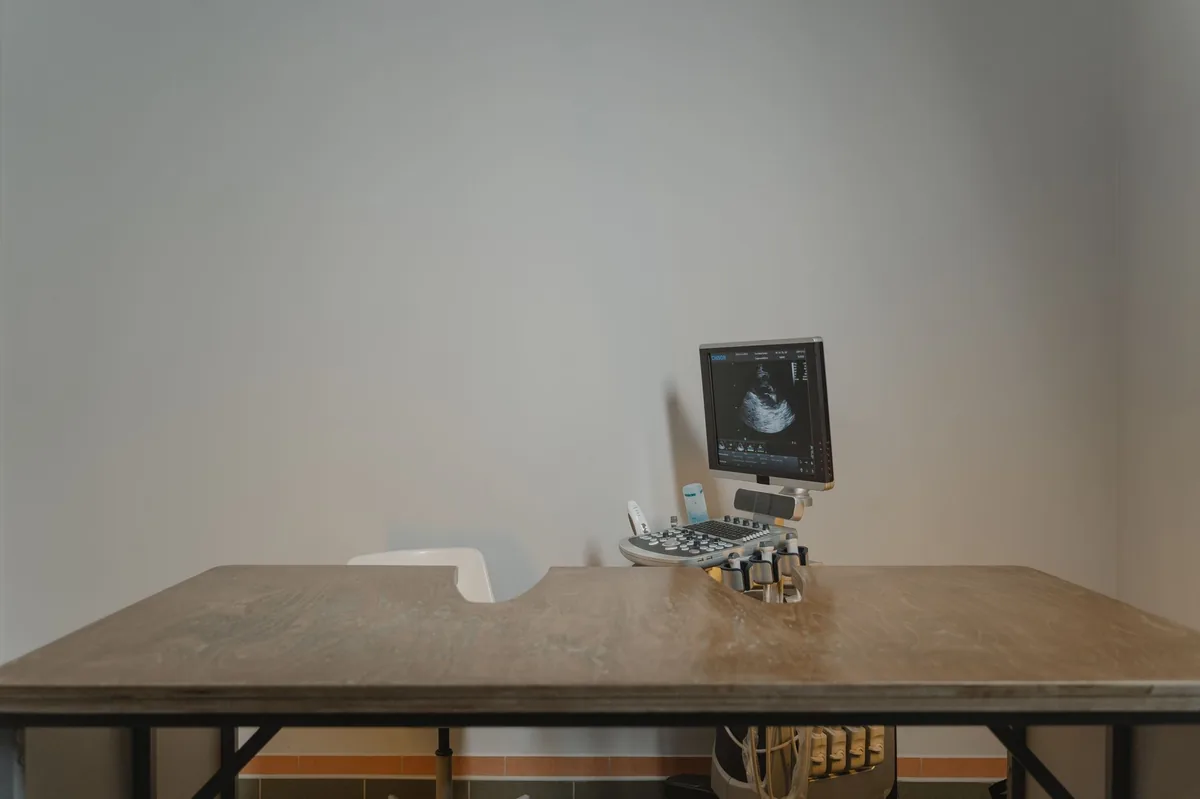
- Ultrasound: Non‑invasive imaging that visualizes stones, measures size, and checks for obstruction.
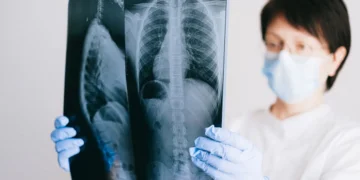
- Radiography (X‑ray): Calcium‑rich stones are radiopaque and show up clearly on X‑rays, whereas some struvite stones may be less visible.
- Blood work: Assesses kidney function, calcium levels, and possible metabolic disorders (e.g., hyperparathyroidism).
- Urine culture: Determines if a bacterial infection is present, which is especially relevant for struvite stones.
All these tests together give the vet a complete picture of stone type, location, and any underlying disease.
Treatment options
Medical treatment
For small calcium oxalate stones (< 2 mm) that can pass naturally, vets may prescribe a urine‑alkalinizing diet and encourage increased water intake. In some cases, a short course of antibiotics is added if a secondary infection is present. Common medication classes include:
- Potassium citrate – helps raise urinary pH and prevent crystal aggregation.
- Thiazide diuretics – reduce calcium excretion in the urine.
- Antibiotics (e.g., amoxicillin‑clavulanate) – used when infection is confirmed.
Ask your vet about these options; dosing is always weight‑based and tailored to your dog’s specific condition.
Supplements and supportive care
Evidence‑based supplements that may aid stone prevention include:
- Omega‑3 fatty acids (EPA/DHA) – reduce inflammation in the urinary tract, especially after surgery.
- Probiotics – support a healthy gut flora, which can indirectly influence urinary pH.
- Vitamin B6 (pyridoxine) – may lower oxalate absorption in some dogs, but only under veterinary guidance.
These are adjuncts, not replacements for diet therapy or medical treatment.
Procedures or surgery
When stones are too large to pass, or when a blockage threatens kidney function, the standard interventions are:
- Cystotomy: An abdominal surgery to open the bladder and remove stones. Recovery typically takes 10–14 days, with a cost ranging from $1,500–$3,000 USD (≈ £1,200‑£2,400 GBP).
- Ureteroscopy or urethral catheterization: Minimally invasive techniques for stones lodged in the ureters or urethra. Costs are similar to cystotomy but may involve shorter hospitalization.
- Extracorporeal shock wave lithotripsy (ESWL): Rarely used in dogs, but available at specialty centers for selected cases.
Post‑operative care includes pain management, antibiotics, and a strict diet plan to prevent recurrence.
Diet and nutrition
Diet is the cornerstone of both treatment and prevention of calcium deposits. The goal is to create urine that is less likely to allow crystals to form and to reduce the overall calcium load.
What to feed
- Low‑oxalate, low‑calcium commercial therapeutic diets – Brands marketed as “urinary health” or “renal support” often meet AAHA guidelines for stone prevention. Look for statements like “Formulated to reduce calcium oxalate formation.”
- Highly digestible protein – Helps reduce urine concentration and supports kidney health.
- Controlled sodium – Prevents excessive thirst that can dilute urine too much, paradoxically raising stone risk.
What to limit
- Foods high in oxalates such as spinach, beet greens, rhubarb, and certain nuts.
- Calcium supplements unless prescribed for a specific deficiency.
- Excessive treats with cheese or dairy, which add calcium and oxalate.
What to avoid
- High‑protein, grain‑free “raw” diets that are not balanced for calcium and phosphorus.
- Homemade meals without veterinary formulation—unbalanced minerals can accelerate stone formation.
Feeding tips for stone‑prone dogs
| Action | Reason |
|---|---|
| Feed multiple small meals | Prevents large spikes in urinary calcium concentration. |
| Add water to dry kibble | Increases urine volume, diluting minerals. |
| Transition gradually (7–10 days) | Reduces gastrointestinal upset and helps kidneys adjust. |
Encouraging regular water intake is equally important. Fresh water bowls, water fountains, or adding low‑sodium broth to food can make a big difference. Some owners find that feeding wet food a few times per day boosts hydration without extra calories.
For dogs with a history of calcium oxalate stones, the PuppaDogs cost calculator can help estimate ongoing diet expenses, while the Dog Questions Answered page offers more on urinary health FAQs.
Cost and prognosis
Financial considerations vary by region and treatment choice. Below are typical US and UK estimates (prices are averages; actual costs may differ):
| Service | US (USD) | UK (GBP) |
|---|---|---|
| Initial exam + blood work + urinalysis | $150‑$300 | £100‑£200 |
| Ultrasound | $200‑$350 | £150‑£250 |
| Cystotomy (stone removal) | $1,500‑$3,000 | £1,200‑£2,400 |
| Post‑op antibiotics + pain meds (5‑7 days) | $100‑$250 | £80‑£180 |
| Therapeutic urinary diet (monthly) | $40‑$80 | £30‑£60 |
Prognosis depends on stone size, location, and whether a blockage occurred. Dogs that undergo successful stone removal and adopt a preventive diet have a 70‑80% chance of staying stone‑free for at least two years, according to the AAHA. Recurrence rates are higher in breeds with a genetic predisposition, so ongoing monitoring is key.
Prevention and home care
Preventing calcium deposits is a daily commitment:
- Provide fresh water at all times. A water fountain can encourage drinking.
- Schedule regular veterinary check‑ups. Annual urinalysis catches early crystal formation.
- Maintain a healthy weight. Obesity raises urinary calcium excretion.
- Use a therapeutic urinary diet if your dog has a history of stones. Follow the vet’s feeding guidelines.
- Monitor urine color. Pink, red, or cloudy urine warrants immediate vet contact.
For dogs prone to stones, a low‑oxalate treat such as a small piece of apple (no seeds) or a commercial low‑oxalate chew can be a safe reward.
Vet’s note
From our vet team: The biggest mistake owners make is waiting for a “big” symptom before seeking care. Even a slight change in urine color or a few extra trips to the door can signal a stone that, if caught early, may be dissolved with diet alone. Early intervention reduces the need for surgery and keeps your dog comfortable.
Key takeaways
- Calcium oxalate stones are the most common calcium deposits in dogs and can cause painful urination or life‑threatening blockage.
- Typical signs include blood‑tinged urine, straining, frequent trips outside, and abdominal swelling.
- Diagnosis relies on urinalysis, imaging (ultrasound or X‑ray), and blood work to identify stone type and underlying causes.
- Small stones may dissolve with diet and medication; larger stones usually require surgical removal (cystotomy).
- Prevent recurrence with a low‑oxalate, low‑calcium therapeutic diet, ample water, and regular vet monitoring.
- Call your vet immediately if your dog cannot urinate or shows severe pain; otherwise, schedule a vet visit as soon as you notice any urinary changes.
Myth vs. fact
Myth: All calcium stones are the same and need the same treatment.
Fact: Calcium oxalate stones are hard and usually require surgery, while struvite stones can sometimes be dissolved with a diet that acidifies the urine.
Myth: A high‑calcium diet is safe for dogs with urinary stones.
Fact: Excess dietary calcium can increase stone formation; dogs with calcium oxalate stones benefit from low‑calcium, low‑oxalate diets.
Myth: Home remedies like cranberry juice will dissolve bladder stones.
Fact: No home remedy reliably dissolves calcium oxalate stones; only specific prescription diets under veterinary supervision have proven efficacy.
Frequently asked questions
Can calcium bladder stones be treated without surgery?
Small calcium oxalate stones (< 2 mm) may be managed with a prescription urinary diet, potassium citrate, and increased water intake, but larger stones typically need surgical removal.
How are calcium stones diagnosed in dogs?
Diagnosis combines urinalysis (looking for crystals and pH), imaging—ultrasound or X‑ray—to locate stones, and blood tests to assess kidney function and calcium metabolism.
Is a high‑calcium diet safe for dogs with urinary stones?
No. For dogs prone to calcium oxalate stones, a diet low in calcium and oxalates is recommended. High‑calcium foods can worsen stone formation.
What is the typical cost for removing calcium stones from a dog’s bladder?
In the United States, cystotomy (bladder stone removal) usually costs between $1,500 and $3,000, plus additional fees for diagnostics, anesthesia, and post‑operative care. In the United Kingdom, expect roughly £1,200‑£2,400.
Which dog breeds are most at risk for calcium urinary stones?
Breeds with a genetic predisposition include Miniature Schnauzers, Bichon Frise, Shih Tzu, Dalmatians, and some mixed‑breed terriers. However, stones can appear in any breed.
How long does recovery take after dog bladder stone surgery?
Most dogs recover within 10‑14 days, with activity restriction and a therapeutic diet. Full return to normal activity typically occurs by three weeks, but follow‑up urinalysis is essential to confirm no recurrence.
Ask the PuppaDogs community
Have a question this article didn’t fully answer? Want to compare notes with other dog owners who’ve been through this? Our community forum is moderated by experienced owners and vets — and answers tend to come fast. Ask in the PuppaDogs community →
References
- American College of Veterinary Internal Medicine (ACVIM). “Urinary Calculi in Dogs.” 2022 clinical guidelines.
- American Animal Hospital Association (AAHA). “Urinary Health and Nutrition.” 2023 position statement.
- Merck Veterinary Manual. “Urolithiasis (Urinary Stones) in Dogs.” Updated 2022.
- World Small Animal Veterinary Association (WSAVA). “Dietary Management of Calcium Oxalate Stones.” 2021.
- Cornell University College of Veterinary Medicine. “Urinary Stone Prevention in Dogs.” 2023.
- American Veterinary Medical Association (AVMA). “Guidelines for the Surgical Management of Bladder Stones.” 2022.
- International Veterinary Information Service (IVIS). “Risk Factors for Calcium Oxalate Urolithiasis.” 2020.


