













Quick take: Calcium buildup in a dog’s lungs—also called pulmonary calcinosis—is a rare but real condition where mineral deposits form in lung tissue. It can cause coughing, difficulty breathing, or be an incidental finding on X‑rays. Diagnosis relies on imaging and blood tests; treatment ranges from medical management to surgery, and the outlook depends on the underlying cause and how early it’s caught.
It’s 9 p.m., the house is quiet, and you’re staring at your senior Boxer who’s curled up on the couch, breathing a little faster than usual. You notice a faint “crackling” sound when you gently press his ribs, and his gums look a shade paler. A quick internet search later, you read about “calcium deposits in lungs” and wonder if this could be what’s happening to him.
First, you’re not alone. Many owners describe the same moment of worry—an unexpected cough or a subtle change in energy that leads to a late‑night Google search. The good news is that calcium buildup (pulmonary calcinosis) is treatable in many cases, especially when caught early. In this guide we’ll explain exactly what pulmonary calcinosis is, why it occurs, how to spot it, what your vet will do to diagnose it, and the options you have for treatment, cost, and prevention.
Read on to learn the signs to watch for, the steps your vet will take, and practical tips for feeding, caring, and budgeting for a dog with lung calcification.
What is calcium buildup in lungs of dogs?
Calcium buildup in a dog’s lungs, medically termed pulmonary calcinosis, is the abnormal accumulation of calcium salts within lung tissue. The deposits can be tiny specks or larger nodules that interfere with normal airflow. Most cases are “metastatic” – calcium leaches from the bloodstream and settles in the lungs because of an underlying metabolic imbalance. A smaller subset is “dystrophic,” where calcium forms in damaged lung tissue without a systemic calcium problem.
The condition is uncommon, estimated to affect less than 0.1 % of the canine population, but certain breeds and health issues raise the risk. While many dogs live with small, asymptomatic deposits, larger nodules can cause coughing, labored breathing, or secondary infections.
What causes calcium buildup in a dog’s lungs?
Several factors can trigger pulmonary calcinosis. The most frequent are:
| Category | Typical Cause |
|---|---|
| Metabolic disorders | Hypercalcemia from primary hyperparathyroidism, vitamin D toxicity, or chronic kidney disease |
| Dietary excess | High‑calcium or high‑phosphorus diets, over‑supplementation with calcium or vitamin D |
| Breed predisposition | Boxer, Bulldog, and Miniature Schnauzer – breeds with a higher incidence of calcium metabolism disorders |
| Chronic lung inflammation | Long‑standing pneumonia, fungal infection, or immune‑mediated lung disease that leaves scar tissue |
| Medications | Long‑term glucocorticoids or certain diuretics that alter calcium balance |
In many cases, more than one factor overlaps—for example, a Boxer on a high‑calcium diet that also has early kidney disease.
Signs and symptoms
Calcium deposits may be silent for months. When they become large enough to affect breathing, owners typically notice a progression that looks like this:
| Severity | Typical Signs |
|---|---|
| Mild | Occasional dry cough, slight fatigue on walks, subtle “crackles” on chest auscultation |
| Moderate | Persistent cough, faster breathing (tachypnea), reduced stamina, occasional wheezing |
| Severe | Labored breathing at rest, cyanotic gums, lethargy, weight loss, possible secondary infection |
Other red‑flag signs include a sudden collapse, bluish tongue or gums, and an inability to rise without assistance. These indicate an emergency.
When to call your vet
Call your vet today if you notice any of the mild or moderate signs above—persistent cough, reduced activity, or unusual breathing sounds. Early evaluation helps prevent progression.
Go to an emergency veterinary hospital right now if your dog shows severe signs: labored breathing at rest, bluish gums or tongue, collapse, or sudden inability to stand. These are life‑threatening and require immediate oxygen therapy and possible intensive care.
This article is for informational purposes only and does not replace a professional veterinary exam.
How vets diagnose calcium buildup in lungs
Diagnosis starts with a thorough history: diet, medications, breed, and any recent illnesses. The physical exam focuses on lung sounds and overall health.
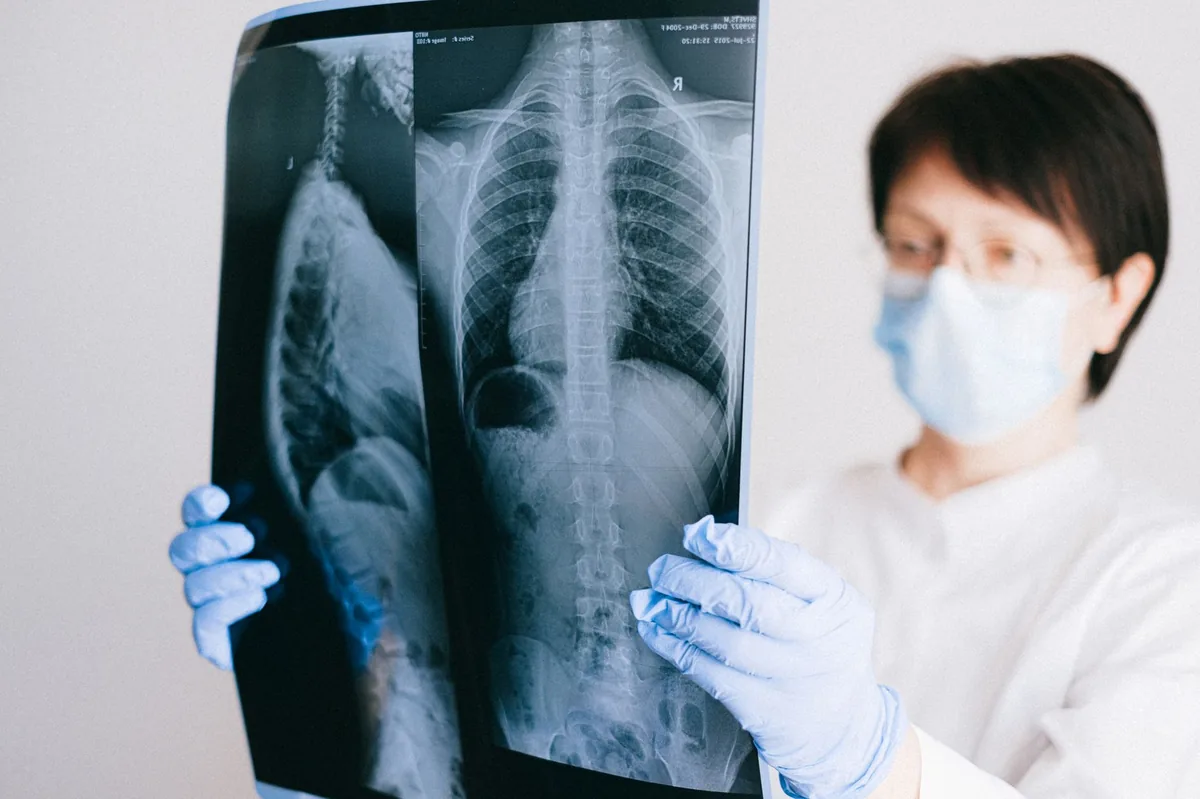
- Thoracic radiographs (X‑rays): The first imaging tool. Calcium appears as bright, white spots on the lung fields.
- Computed tomography (CT scan): Provides a 3‑D view, better defines the size and exact location of nodules, and helps differentiate calcinosis from tumors.
- Blood work: Chemistry panel to check calcium, phosphorus, vitamin D, renal function, and parathyroid hormone levels.
- Urinalysis: Looks for calcium crystals that may indicate systemic excess.
- Bronchoscopy with biopsy (if needed): Directly visualizes the airway and can collect tissue to rule out cancer.
Together, these tests let the vet determine whether the deposits are metabolic, dystrophic, or something else entirely.
Treatment options
Medical treatment
When the underlying cause is metabolic, correcting that imbalance is the cornerstone of therapy. Common medical approaches include:
- Calcium‑lowering drugs such as bisphosphonates (e.g., zoledronic acid)—your vet will dose based on weight and blood levels.
- Vitamin D antagonists like ketoconazole when toxicity is the issue.
- Renal supportive therapy (fluid therapy, phosphorus binders) for dogs with kidney disease.
- Anti‑inflammatory medications (e.g., corticosteroids) if chronic lung inflammation is driving dystrophic calcinosis.
Ask your vet about these options; they are standard‑of‑care in veterinary practice.
Supplements and supportive care
While supplements cannot dissolve existing calcium nodules, they can aid overall lung health and reduce inflammation:
- Omega‑3 fatty acids (EPA/DHA): Help modulate inflammation and may improve breathing comfort.
- Antioxidant blends (vitamin E + selenium): Support cellular health in the lungs.
- Probiotics: Beneficial if chronic gastrointestinal disease is contributing to calcium imbalance.
These should be discussed with your vet to ensure they fit your dog’s overall health plan.
Procedures or surgery
When nodules are large, causing obstruction, or suspected to be cancerous, surgical removal (lobectomy or wedge resection) may be recommended. The procedure is performed under general anesthesia, often via a thoracoscopic (minimally invasive) approach.
Recovery usually involves 1–2 weeks of restricted activity, pain management, and follow‑up chest X‑rays to confirm no recurrence. In the United States, the cost for a thoracoscopic lobectomy ranges from $5,000 to $9,000, while in the United Kingdom it typically falls between £3,500 and £6,000. These are estimates; actual fees depend on location, hospital, and any complications.

Diet and nutrition
Because calcium balance is tightly linked to diet, feeding choices can influence the progression—or regression—of pulmonary calcinosis. Below is a practical guide for most dogs with this condition.
| Do feed | Limit | Avoid |
|---|---|---|
| High‑quality protein (lean chicken, turkey, fish) | Calcium‑rich bone meal supplements | Raw bone‑in‑diet with excessive calcium |
| Low‑phosphorus kibble formulated for renal health | High‑phosphorus treats (e.g., organ meats) | Excessive dairy (milk, cheese) |
| Omega‑3 enriched foods (fish oil, salmon kibble) | Vitamin D fortified foods (unless prescribed) | Human multivitamins with calcium |
Why these choices matter: Reducing dietary calcium and phosphorus helps keep blood levels stable, which in turn limits further deposition in the lungs. Omega‑3 fatty acids provide anti‑inflammatory benefits that may ease breathing discomfort.
When transitioning to a new diet, do it gradually over 7–10 days: mix 25 % new food with 75 % old food on day 1, increase the new portion by 25 % each subsequent day. This helps avoid gastrointestinal upset and lets you monitor any changes in coughing or energy.
Prescription renal diets (often labeled “renal support” or “renal low‑phosphorus”) are frequently recommended because they naturally contain lower calcium and phosphorus. Brands vary, but the key is the nutrient profile, not the logo. Your vet can help you select a formula that meets your dog’s caloric needs.
If your dog is a picky eater, try warming the kibble slightly or adding a small amount of low‑salt broth to enhance aroma. Avoid adding table scraps that may reintroduce hidden calcium sources.
For dogs on a raw diet, consider a calcium‑balanced raw formula that substitutes bone meal with a measured calcium supplement, but only under veterinary supervision. Mis‑balanced raw diets are a common cause of metabolic calcium excess.
Cost and prognosis
Financial considerations are a real part of any health decision. Below is a rough breakdown of typical expenses in the United States and United Kingdom. Prices are estimates and can vary by clinic, region, and insurance coverage.
| Service | US (USD) | UK (GBP) |
|---|---|---|
| Initial exam + blood work | $150–$300 | £80–£150 |
| Thoracic X‑ray (2 views) | $100–$200 | £70–£130 |
| CT scan | $800–$1,200 | £600–£1,000 |
| Bisphosphonate therapy (course) | $250–$500 | £180–£350 |
| Thoracoscopic lobectomy | $5,000–$9,000 | £3,500–£6,000 |
| Post‑op follow‑up (X‑ray + check) | $200–$400 | £120–£250 |
Prognosis: If the calcium deposits are small and the underlying metabolic issue is corrected, many dogs live a normal life with minimal respiratory limitation. Larger nodules or concurrent lung disease can reduce life expectancy, but surgery often restores good function. Your vet will give a personalized outlook based on the size of the deposits, overall health, and response to treatment.
Prevention and home care
- Regular blood panels (annually) to monitor calcium, phosphorus, and kidney function, especially for breeds prone to metabolic disorders.
- Feed a balanced diet that meets, but does not exceed, calcium and phosphorus recommendations from AAFCO.
- Avoid over‑supplementation of calcium or vitamin D unless prescribed.
- Maintain a healthy weight; obesity can worsen respiratory effort.
- Schedule routine chest X‑rays if your dog has a history of kidney disease or hyperparathyroidism.
- Watch for early cough or breathlessness and act quickly—early intervention improves outcomes.
For owners who love to exercise their dogs, keep walks moderate until breathing normalizes, then gradually increase duration. A calm indoor environment with good air quality (no smoke, low dust) also helps reduce irritation.
From our vet team: “Pulmonary calcinosis is often a sign that something else in the body needs attention—most commonly the kidneys or parathyroid gland. Treating the root cause early can halt new calcium deposits and even shrink existing ones. If you catch a cough early, we can often manage the condition without surgery.”
Key takeaways
- Calcium buildup in the lungs is rare but treatable; early detection improves the chance of medical management over surgery.
- Watch for persistent cough, rapid breathing, or crackling lung sounds; call your vet promptly if they appear.
- Blood tests and imaging (X‑ray, CT) are essential for confirming the diagnosis and ruling out cancer.
- Correcting metabolic imbalances, adjusting diet, and using anti‑inflammatory meds are the first‑line treatments.
- Surgery is an option for large nodules, but it’s costly and requires a recovery period.
- Prevent future deposits by feeding a balanced diet low in excess calcium/phosphorus, monitoring blood chemistry, and keeping up with regular vet check‑ups.
Myth vs. fact
Myth: Calcium deposits in the lungs are always a sign of lung cancer.
Fact: While calcified nodules can look similar to tumors on X‑rays, pulmonary calcinosis is a distinct metabolic condition. Advanced imaging and sometimes biopsy are needed to differentiate them.
Myth: Once calcium appears in the lungs, it can’t be reversed.
Fact: Treating the underlying cause (e.g., hyperparathyroidism) can stop new deposits and may even shrink existing ones over time.
Myth: A high‑calcium diet is safe for all dogs.
Fact: Excess calcium can lead to systemic hypercalcemia, especially in breeds prone to metabolic disorders, and may precipitate lung calcification.
Frequently asked questions
What are the signs of calcium buildup in a dog’s lungs?
Most owners notice a persistent dry cough, reduced stamina, and occasional crackles on chest auscultation. In advanced cases, labored breathing at rest and bluish gums may appear.
Can lung calcinosis cause breathing problems in dogs?
Yes. Calcium nodules can physically block airways or stiffen lung tissue, leading to coughing, tachypnea, and, in severe cases, respiratory distress.
How is lung calcinosis diagnosed in dogs?
Diagnosis starts with a physical exam, followed by thoracic X‑rays. A CT scan provides detailed images, and blood work reveals systemic calcium abnormalities. Occasionally, a bronchoscopy with biopsy is performed to rule out cancer.
What treatment options are available for calcium deposits in a dog’s lungs?
Medical management focuses on correcting calcium imbalance (bisphosphonates, vitamin D antagonists) and supporting lung health with anti‑inflammatories and omega‑3 supplements. Surgery is reserved for large, obstructive nodules.
Is lung calcinosis in dogs curable?
It can be managed effectively. If the underlying metabolic issue is treated early, new deposits often stop forming and existing nodules may shrink. Surgery can remove problematic nodules, offering a functional cure for those cases.
How much does treatment for lung calcinosis cost?
Costs vary: basic diagnostics (exam, blood work, X‑ray) range $250–$500 in the US; CT scans add $800–$1,200; surgical removal can exceed $5,000. Insurance may offset some expenses, so discuss coverage with your provider.
Ask the PuppaDogs community
Have a question this article didn’t fully answer? Want to compare notes with other dog owners who’ve been through this? Our community forum is moderated by experienced owners and vets — and answers tend to come fast. Ask in the PuppaDogs community →
References
- American Animal Hospital Association (AAHA). “AAHA Guidelines for the Management of Hyperparathyroidism in Dogs,” 2022.
- American Veterinary Medical Association (AVMA). “Calcium Metabolism in Dogs,” 2021.
- Merck Veterinary Manual. “Pulmonary Calcinosis” chapter, 2023 edition.
- Veterinary Clinics of North America: Small Animal Practice. “Metabolic Causes of Pulmonary Calcification,” 2020.
- World Small Animal Veterinary Association (WSAVA). “Nutritional Recommendations for Dogs with Renal Disease,” 2022.
- Cornell University College of Veterinary Medicine. “Diagnostic Imaging of the Thorax,” 2021.
- British Veterinary Association (BVA). “Cost Guide for Veterinary Procedures,” 2023.


