

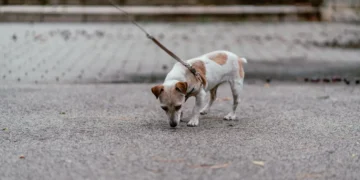




Quick take: Boykin Spaniels are eager‑to‑please, medium‑sized retrievers with a moderate‑drive and a love for water and scent. They learn quickly but can be easily distracted, so the top training priority is building reliable recall and focused “stay” work from day one.
It was a warm Saturday morning when a Boykin Spaniel puppy named “Milo” bounded into the backyard, nose twitching, and immediately began “retrieving” every tossed stick—only to drop them at the foot of the garden gate and dash toward the neighbor’s cat. The moment Milo’s owner realized that the dog’s natural retrieving instinct was steering him toward chaos, she knew a focused training plan was essential.
Boykin Spaniels are versatile sporting dogs, but their enthusiasm can outpace their attention span. In this guide we walk you through the breed’s unique learning profile, the foundational skills every Boykin needs, age‑by‑age milestones, and—most importantly—15 of the best training activities that channel their energy, scent love, and friendly nature into reliable, rewarding behaviors.
Whether you’re a fresh puppy parent, a teen‑dog owner, or a seasoned handler looking for new challenges, the activities below are chosen to match the Boykin’s size, drive, and typical family lifestyle. Let’s get started.
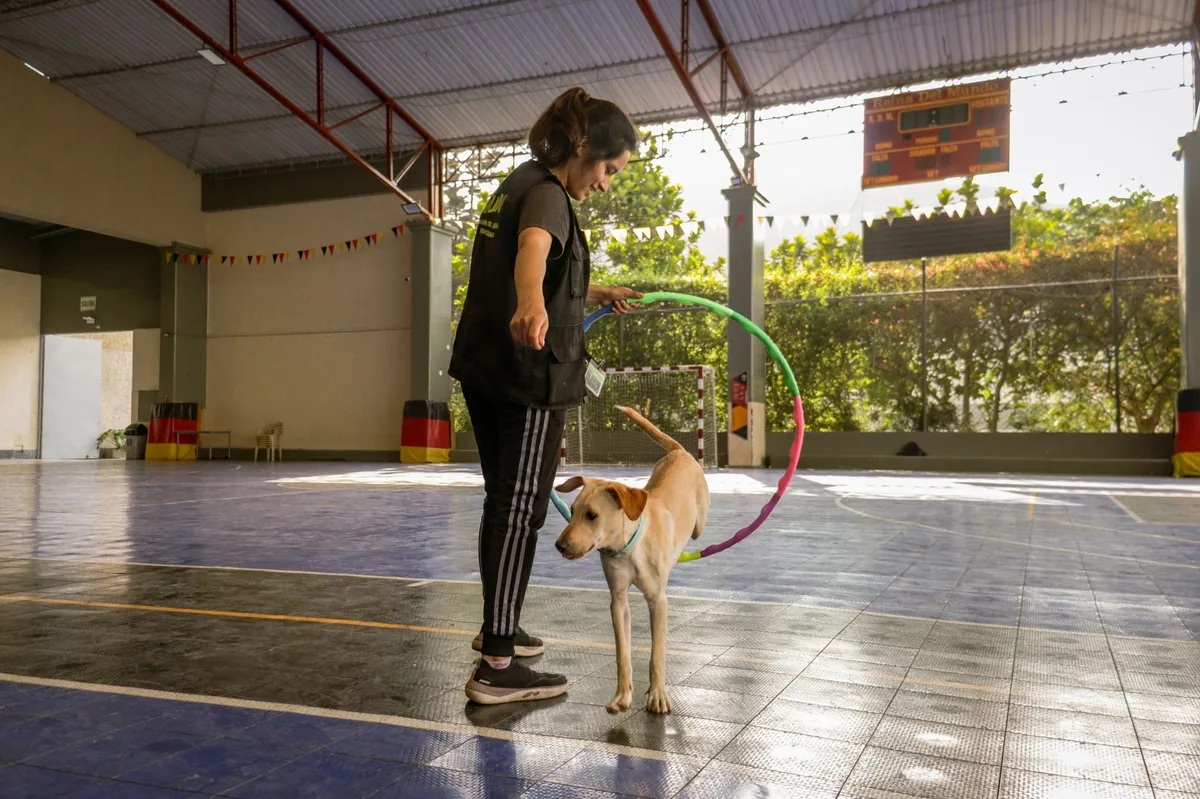
Understanding your Boykin Spaniel’s training profile
Boykin Spaniels rank as a moderate‑drive sporting breed. Their primary drives are retrieve, scent, and companionship. They are naturally eager to please, which makes them highly biddable—they’ll follow a cue when the reward is clear. However, they have a moderate sensitivity to tone; harsh corrections can quickly turn a happy pup into a nervous one.
- Trainability level: High biddability combined with a short focus span. They excel in short, game‑like sessions.
- Working vs. show lines: Working lines tend to have stronger retrieving and water instincts; show lines may be calmer but still retain the breed’s enthusiasm.
- Primary drives: Retrieve, scent, companion.
- Sensitivity: Moderate—positive reinforcement works best; aversive methods can cause anxiety.
- Focus span & mental stamina: 5‑10 minutes of high‑intensity work before a short reset.
- Best motivators: High‑value treats, favorite toys (especially water‑friendly fetch toys), and enthusiastic praise.
- Critical socialization window: 3‑16 weeks. Expose Milo to varied sounds, surfaces, other dogs, and people, especially around water and boats.
- Common owner mistakes: Over‑loading a single long training session, neglecting scent enrichment, and assuming the breed will “just sit” without consistent practice.
Foundational training every Boykin needs
- House training: Boykins usually grasp potty routines within 4‑6 weeks with consistent schedule and cue words.
- Name recognition + eye contact: Use a high‑value treat to pair the name with a quick “look” cue; practice in low‑distraction areas.
- Sit / down / stay / come: Teach using a clicker or marker word; keep sessions 5‑7 minutes, rewarding with treats and praise.
- Loose‑leash walking: Boykins love to explore, so start with a “heel” cue and a light‑weight harness; use “let’s go” markers for forward movement.
- Recall: Because of their retrieving drive, practice “come” in a game format—high‑value treats and a “you’re a good boy” marker.
- Crate training + settle: Introduce the crate as a safe den; feed meals inside, then gradually close the door for short periods.
- Handling tolerance: Daily gentle handling of paws, ears, and mouth prevents vet‑visit fear; use treats and a calm voice.
- Alone‑time / separation tolerance: Begin with short departures (1‑2 minutes) and increase; provide a puzzle feeder to keep the mind occupied.
Age‑by‑age training milestones
| Age | Skill Priority | Realistic Timeline for Boykin Spaniel |
|---|---|---|
| 8‑12 weeks | Socialization sprint, name recognition, potty basics | Establish name cue within 1 week; consistent potty routine by week 4. |
| 3‑6 months | Impulse‑control basics, loose‑leash walking, recall foundation | Loose‑leash walking reliable for 5 min walks; recall 80 % in low‑distraction by month 5. |
| 6‑12 months | Adolescent regression management, generalizing obedience | Maintain “stay” for 30 sec in varied environments; begin simple scent games. |
| 1‑2 years | Formal obedience, sport foundations (agility, dock diving) | Basic agility course competency by 18 months; dock diving confidence by 20 months. |
| 2+ years | Advanced sports, real‑world proofing, therapy‑type work | Advanced agility, rally obedience, or water‑retrieval work ready for competition. |
15 training activities for the Boykin Spaniel
| Activity | Best‑suited from age | Time commitment | Difficulty for Boykin | Gear budget |
|---|---|---|---|---|
| Basic obedience (sit, down, stay) | 8 weeks | 5 min daily | Easy | Low |
| Loose‑leash walking | 10 weeks | 10 min daily | Easy‑moderate | Low‑moderate |
| Recall games | 12 weeks | 5 min 3×/week | Moderate | Low |
| Place / settle training | 12 weeks | 5 min daily | Easy | Low |
| Scent (nose) work | 4 months | 10 min 2×/week | Moderate‑high | Low‑moderate |
| Water retrieval / dock diving | 6 months | 15 min 1×/week | Moderate | Moderate |
| Agility (junior course) | 9 months | 20 min 1×/week | High | Moderate‑high |
| Rally obedience | 12 months | 15 min 1×/week | High | Moderate |
| Canicross (running partner) | 12 months | 30 min 2×/week | High | Moderate |
| Trick training (10‑plus tricks) | 12 months | 10 min 2×/week | Moderate | Low |
| Hiking companion skills | 12 months | 30 min 1×/week | Easy‑moderate | Low‑moderate |
| Cooperative‑care handling | 8 weeks | 5 min daily | Easy | Low |
| Therapy‑type “calm‑visit” training | 18 months | 15 min 1×/week | High | Low‑moderate |
| Advanced fetch variations (water, blind) | 6 months | 10 min 2×/week | Moderate | Low |
| Impulse‑control games (leave it, wait) | 3 months | 5 min 3×/week | Easy‑moderate | Low |
Basic obedience (sit, down, stay)
What it is: The cornerstone of any canine curriculum—sit, down, and stay are taught using a marker (clicker or word) paired with a high‑value treat. The goal is a reliable response in low‑distraction environments.
Why it suits Boykin Spaniels: Their eagerness to please makes them quick to associate the marker with reward, and short, upbeat sessions match their attention span.
Skill / age / space / gear: Begin at 8 weeks using a quiet room, a clicker, and small soft treats. No special gear needed beyond a treat pouch.
Timeline to real competency: Most Boykins will sit and down reliably within 2 weeks of daily 5‑minute practice; “stay” for 5 seconds in a quiet room takes about 3‑4 weeks.
Common pitfalls: Skipping the marker step or using inconsistent cues can confuse a Boykin’s fast‑learning brain. Keep the cue word identical each session and always mark the exact moment of the correct response.
Loose‑leash walking
What it is: Teaching a dog to walk beside you without pulling, using a “heel” cue and rewarding a loose‑line position.
Why it suits Boykin Spaniels: Their curiosity about scents can lead to pulling; structured loose‑leash work channels that energy into purposeful steps.
Skill / age / space / gear: Start at 10 weeks with a lightweight, padded harness and a 4‑foot leash. Use a clicker or marker word for “let’s go” when the line is slack.
Timeline to real competency: Expect 2‑3 weeks of daily 5‑minute walks before the dog consistently walks beside you for 10 minutes in a low‑distraction yard.
Common pitfalls: Allowing brief pulls before correcting can reinforce the behavior. Reset immediately—stop, wait for slack, then resume.
Recall games
What it is: A high‑value “come” game where the dog runs back to you on cue, reinforced with treats, praise, and a marker.
Why it suits Boykin Spaniels: Their retrieve drive makes “come” a natural extension of the chase‑and‑return instinct.
Skill / age / space / gear: Begin at 12 weeks in a fenced yard. Use a long line (15‑30 ft) and a favorite fetch toy as a reward.
Timeline to real competency: With 5‑minute sessions 3×/week, most Boykins achieve 80 % reliability in low‑distraction settings by 5 months.
Common pitfalls: Using the cue for both “come” and “let’s play” blurs the meaning. Keep recall training separate from play and always end with a high‑value treat.
Place / settle training
What it is: Teaching the dog to go to a designated mat (place) and remain relaxed until released.
Why it suits Boykin Spaniels: Provides a calm “reset” button for a breed that can become overstimulated during water or scent games.
Skill / age / space / gear: At 12 weeks, use a small rug or mat, a clicker, and a low‑calorie treat. Begin in a quiet room.
Timeline to real competency: Within 3‑4 weeks of daily 5‑minute practice, most Boykins will stay for 30 seconds with occasional distractions.
Common pitfalls: Releasing the dog too soon or rewarding movement off the mat reinforces the opposite of “stay.” Use a consistent release cue (“okay”) and only reward once the dog remains.
Scent (nose) work
What it is: Structured games where the dog searches for a hidden treat or scent article, building on natural olfactory abilities.
Why it suits Boykin Spaniels: Their hunting heritage gives them a keen nose and a love for following a trail, making nose work both mentally stimulating and breed‑appropriate.
Skill / age / space / gear: Start at 4 months with simple “find it” games using a treat pouch and a few scented cotton balls. A small indoor area or fenced yard works.
Timeline to real competency: After 8‑10 weeks of twice‑weekly sessions, most Boykins can locate a hidden treat within 30 seconds.
Common pitfalls: Over‑complicating the search early on—keep the scent source obvious and gradually increase difficulty. Avoid using low‑value treats that don’t motivate the dog.
Water retrieval / dock diving
What it is: Teaching the dog to fetch objects from water and, optionally, perform a dock dive for sport.
Why it suits Boykin Spaniels: Their love of water and natural retrieve instinct make this a perfect outlet for physical and mental energy.
Skill / age / space / gear: Begin at 6 months with a shallow kiddie pool, a floating fetch toy, and a life‑vest for safety. Use a clicker or marker word for successful returns.
Timeline to real competency: With 15‑minute weekly sessions, most Boykins will confidently retrieve from waist‑deep water by 9 months and be dock‑diving ready by 12 months.
Common pitfalls: Rushing into deep water without confidence building can cause fear. Start with shallow water, gradually increase depth, and always end on a positive note.
Agility (junior course)
What it is: A timed obstacle course (tunnels, jumps, weave poles) designed for junior dogs, emphasizing speed and precision.
Why it suits Boykin Spaniels: Their quickness, moderate size, and love of game‑like challenges make them natural junior agility competitors.
Skill / age / space / gear: Introduce at 9 months on a home‑made course using PVC tunnels, low jumps, and weave poles. A clicker, treats, and a harness are essential.
Timeline to real competency: With weekly 20‑minute sessions, many Boykins can complete a basic junior course with confidence by 14 months.
Common pitfalls: Ignoring foundation jumps and weave work can lead to frustration. Break each obstacle into steps, use shaping (rewarding closer approximations), and keep the pace fun.
Rally obedience
What it is: A sport that blends obedience commands with a “course” of station signs; the dog follows a path while performing cues.
Why it suits Boykin Spaniels: Their eagerness to work with people and ability to learn multiple cues quickly fits the rally format.
Skill / age / space / gear: Begin at 12 months using a quiet indoor space, rally signs (DIY cardboard works), a clicker, and high‑value treats.
Timeline to real competency: After 15‑minute weekly sessions, most Boykins will navigate a simple rally course with 80 % accuracy by 18 months.
Common pitfalls: Over‑loading the dog with too many new cues in one session. Introduce one station at a time and reinforce each success before moving on.
Canicross (running partner)
What it is: A sport where the dog and handler run together, attached by a bungee‑style leash, promoting endurance and teamwork.
Why it suits Boykin Spaniels: Their moderate‑drive energy and love of running make them excellent partners for a steady jog.
Skill / age / space / gear: Start at 12 months with a waist‑belt harness for the handler, a front‑clip harness for the dog, and a 15‑ft bungee line.
Timeline to real competency: With 30‑minute runs twice a week, most Boykins build stamina and leash‑control for a comfortable jog of 2‑3 miles by 18 months.
Common pitfalls: Beginning with long distances before the dog has reliable loose‑leash walking can cause pulling. Ensure basic leash manners are solid before adding distance.
Trick training (10‑plus tricks)
What it is: Teaching fun behaviors such as “spin,” “play dead,” “bring the newspaper,” and “high five.”
Why it suits Boykin Spaniels: Their love of play and quick learning makes trick work an engaging mental outlet.
Skill / age / space / gear: Begin at 12 months using a clicker, treat pouch, and a small open area. Break each trick into steps, using shaping.
Timeline to real competency: With 10‑minute sessions twice a week, most Boykins can master 5–7 simple tricks within 3 months, adding more as confidence grows.
Common pitfalls: Using low‑value treats for complex tricks can lead to loss of focus. Keep treats high‑value and keep sessions short to match the breed’s attention span.
Hiking companion skills
What it is: Training the dog to walk on varied terrain, obey “leave it,” and maintain focus on trail cues.
Why it suits Boykin Spaniels: Their medium size and stamina make them ideal hiking partners, while scent work adds excitement on the trail.
Skill / age / space / gear: Start at 12 months with a sturdy, adjustable harness, a 20‑ft leash, and a treat pouch. Practice on local parks before tackling longer hikes.
Timeline to real competency: After 30‑minute weekly hikes, most Boykins will reliably stay on trail and respond to “leave it” by 16 months.
Common pitfalls: Allowing the dog to wander off‑trail early on can develop poor recall in outdoor settings. Keep the leash short until the dog reliably obeys “stay” and “come.”
Cooperative‑care handling
What it is: Teaching the dog to tolerate grooming, nail trims, ear cleaning, and veterinary exams.
Why it suits Boykin Spaniels: Their friendly nature makes them generally amenable, but short‑term excitement can lead to avoidance if not desensitized early.
Skill / age / space / gear: Begin at 8 weeks using a soft brush, nail file, and treats. Use a calm voice and a “touch” cue to build tolerance.
Timeline to real competency: With daily 2‑minute handling sessions, most Boykins will tolerate basic grooming by 4 months.
Common pitfalls: Rushing through grooming steps can cause fear. Break each step into micro‑segments, rewarding calm behavior before moving on.
Therapy‑type “calm‑visit” training
What it is: Conditioning the dog to remain relaxed in novel environments, such as senior centers or hospitals, while providing gentle contact.
Why it suits Boykin Spaniels: Their affectionate temperament and moderate drive allow them to be calm yet engaging, ideal for therapy‑type visits.
Skill / age / space / gear: Begin at 18 months with a quiet room, a “settle” cue, and a low‑value treat. Gradually introduce mild distractions (soft music, other people).
Timeline to real competency: With 15‑minute weekly sessions, most Boykins can achieve a 10‑minute calm presence by 24 months.
Common pitfalls: Over‑stimulating the dog with too many people at once. Build up exposure slowly, always ending on a positive, relaxed note.
Advanced fetch variations (water, blind)
What it is: Enhancing the classic fetch game with elements like retrieving from water, blind “find the hidden toy,” or “fetch on cue” from distance.
Why it suits Boykin Spaniels: Their retrieve drive and love of water make these variations a natural extension of play while adding mental challenge.
Skill / age / space / gear: Start at 6 months with a floating fetch toy, a treat pouch, and a safe water source (pool or shallow creek).
Timeline to real competency: After 10‑minute bi‑weekly sessions, most Boykins will reliably fetch from water and locate hidden toys within 30 seconds by 10 months.
Common pitfalls: Using overly large toys that are hard to carry can frustrate the dog. Choose lightweight, buoyant toys that the dog can easily pick up and carry.
Impulse‑control games (leave it, wait)
What it is: Structured games that teach the dog to pause before acting, using “leave it,” “wait,” and “stay” cues.
Why it suits Boykin Spaniels: Their enthusiastic nature benefits from learning to pause, preventing “over‑run” situations during water or scent activities.
Skill / age / space / gear: Begin at 3 months with a treat pouch and a quiet indoor space. Use a marker word and high‑value treats.
Timeline to real competency: Within 4‑5 weeks of daily 5‑minute practice, most Boykins will reliably “leave it” when a tempting item is presented.
Common pitfalls: Inconsistent timing of the marker—reward the exact moment the dog inhibits the behavior, not after they look away.

Training styles that work best for Boykin Spaniel
Positive‑reinforcement methods—clicker training, marker training, and shaping—align perfectly with the Boykin’s eager‑to‑please temperament. The AVSAB position statement (2021) and the IAABC consensus both emphasize that reward‑based training builds reliable behavior without the stress associated with aversive tools.
Because Boykins have moderate sensitivity, “balanced” approaches that use a brief, well‑timed corrective cue (e.g., a gentle “no” followed by a marker) can be safe if the dog never experiences fear. However, the use of e‑collars or prong collars is not recommended as a first line; research links them to learned helplessness and anxiety (CCPDT Task Analysis).
Our team finds clicker training especially effective: the distinct sound provides clear feedback, and the marker word can be used for “stay,” “come,” and “leave it.” For owners who prefer a verbal marker, a consistent word like “yes” works just as well when paired with treats.
Common training challenges specific to Boykin Spaniel
- Distraction by scent or water: Boykins will abandon a command to chase a scent or splash. Solution: increase distance gradually, use high‑value rewards, and practice “leave it” before exposure.
- Recall reliability off‑leash: Their retrieve drive can override recall. Solution: practice recall in increasingly distracting environments, always reward with a favorite toy, and never punish missed recalls.
- Over‑excitement during play: Fast arousal can lead to jumping or mouthing. Solution: incorporate “settle” and “place” cues, and teach impulse‑control games to channel energy.
- Adolescent regression (6‑12 months): New independence can cause “forgetting” previously learned cues. Solution: maintain short, frequent refresher sessions and keep training fun.
- Resource guarding of toys: Some Boykins may protect prized fetch toys. Solution: teach “drop it” and “trade” using high‑value treats, and practice in low‑stakes environments.
When to hire a professional trainer
Consider a certified professional if your Boykin shows any of the following:
- Persistent aggression toward other dogs or people.
- Severe resource guarding that results in bite attempts.
- Chronic separation anxiety causing destructive behavior.
- Repeated failure to achieve reliable recall despite consistent training.
- Desire to compete in a sport (agility, dock diving, rally) and need structured progress.
Look for credentials such as CPDT‑KA (Certification Council for Professional Dog Trainers), KPA‑CTP (Karen Pryor Academy Certified Training Partner), or membership in the IAABC. Avoid trainers who promote dominance‑based language, guarantee “instant results,” or rely primarily on aversive tools.
Gear checklist for Boykin Spaniel training
| Item | Purpose | Budget vs. quality tradeoff |
|---|---|---|
| Flat collar (adjustable) | Basic ID and light control | Low‑cost nylon works; leather lasts longer. |
| Well‑fitting harness (Y‑front) | Prevent pulling, protect neck | Mid‑range padded harness offers comfort. |
| Long line (15‑30 ft) | Recall practice, distance work | Polyester is inexpensive; braided rope adds durability. |
| Treat pouch | Hand‑free rewarding | Simple fabric pouch is cheap; insulated pouch keeps treats fresh. |
| Clicker or marker word | Precise timing of rewards | Clicker costs <$5; a consistent word costs nothing. |
| High‑value training treats | Motivation for new cues | Freeze‑dried liver is pricey but effective; soft kibble works for most. |
| Floating fetch toy | Water retrieval | Basic rubber ball is cheap; specialized floating toys add buoyancy. |
| Agility tunnel & low jumps | Junior agility | DIY PVC tunnel is budget‑friendly; commercial kits cost more. |
| Rally signs (DIY cardboard) | Rally obedience | DIY signs are inexpensive; printed signs are sturdier. |
| Front‑clip harness for canicross | Running partner safety | Mid‑range harness offers good fit; premium models add shock‑absorb. |
Trainer’s note
From our team: The secret to a happy Boykin Spaniel is mixing mental scent work with brief, upbeat obedience sessions. Keep training playful, end each lesson on a success, and remember that a well‑exercised Boykin will be a well‑behaved companion.
Key takeaways
- Boykin Spaniels thrive on short, high‑value training games that tap their retrieve and scent drives.
- Build a solid foundation of recall, loose‑leash walking, and place/settle before adding sport‑specific activities.
- Water‑based activities (dock diving, water retrieve) are especially rewarding and meet their energy needs.
- Positive‑reinforcement methods align with the breed’s moderate sensitivity and prevent anxiety.
- Seek a certified trainer for aggression, severe guarding, or when pursuing competitive sports.
Myth vs. fact
Myth: Boykin Spaniels are “hard to train” because they’re too playful.
Fact: Their eagerness to please makes them highly trainable; the challenge lies in managing their high excitement level with consistent, short sessions.
Myth: Boykins can’t do agility because they’re small.
Fact: Their agility‑ready size and quickness allow them to excel in junior agility when trained appropriately.
Myth: All Boykins love water, so no training is needed for water activities.
Fact: While many love water, safe water‑retrieval training requires gradual desensitization and proper gear.
Frequently asked questions
What is the best age to start obedience training a Boykin Spaniel?
Start basic obedience (name, sit, down) at 8 weeks; short, positive sessions work best for their developing attention span.
Why does my Boykin Spaniel ignore recall commands?
Because the breed’s retrieve drive can override recall when the reward isn’t high‑value; use a favorite toy and practice recall in low‑distraction settings first.
Are Boykin Spaniels good at agility or scent work?
Yes—most Boykins excel in both agility (thanks to their size and agility) and scent work (due to their hunting heritage), provided training is kept fun and varied.
How much daily exercise does a Boykin Spaniel need?
Aim for 60‑90 minutes of combined physical and mental activity each day, split between walks, play, and enrichment games.
Do Boykin Spaniels get along with other dogs?
Generally they are sociable, but early socialization (3‑16 weeks) is key to preventing over‑excitement or resource guarding around other dogs.
What are common behavior problems in Boykin Spaniels and how can I fix them?
Typical issues include excessive jumping, resource guarding, and off‑leash recall failures; address them with impulse‑control games, “drop it” training, and progressive recall practice using high‑value rewards.
Ask the PuppaDogs community
Training a Boykin Spaniel and hitting a wall? Our community forum is moderated by experienced owners, trainers, and vets — a good place to hear what actually worked for other households with a Boykin Spaniel just like yours. Ask in the PuppaDogs community →
References
- AVSAB — Position Statement on Humane Dog Training (2021).
- IAABC Journal — “Positive Reinforcement and Canine Learning” (2020).
- CCPDT — CPDT‑KA Task Analysis (2022).
- Karen Pryor Academy — Foundations of Clicker Training (2021).
- AKC — Boykin Spaniel Sport Rules (2023).
- Merck Veterinary Manual — Behavior chapter (2022).


