











Quick take: Basal cell tumors (BCTs) are usually benign skin growths that grow slowly and rarely spread. They’re most often removed surgically, and most dogs recover fully within a couple of weeks. If you notice a new, firm bump on your dog’s skin, schedule a vet visit; early removal keeps the outlook excellent.
It’s 9 p.m., and your mixed‑breed terrier, Max, is lying on the couch while you’re scrolling through pet forums. You spot a small, raised nodule on his flank that wasn’t there yesterday. Its surface looks smooth, the color is pinkish‑white, and it feels firm to the touch. A wave of worry washes over you—could it be cancer? You’re not sure what “basal cell tumor” means, but the word “tumor” feels ominous.
We get it. Seeing a new lump on a beloved dog can trigger a cascade of questions: Is it dangerous? Do I need surgery right away? How much will it cost? And most importantly, will Max be okay? In this guide we’ll unpack what basal cell tumors are, how they differ from other skin growths, what signs to watch for, how vets diagnose and treat them, and what you can do at home to support recovery. By the end you’ll have a clear road map for the next steps, plus realistic cost expectations and preventive tips.
Our vet team—Dr. Rachel Davis, Dr. Shalini Williams, and Dr. Chirag—has field‑tested this information with dozens of owners who faced the same uncertainty. If you’re reading this, you’re already taking the right step: seeking reliable information before making decisions.
What are basal cell tumors in dogs?
Basal cell tumors (BCTs) are growths that arise from the basal cells of the epidermis—the innermost layer of the skin. In dogs these tumors are almost always benign, meaning they do not invade other tissues or spread (metastasize) like malignant cancers. They tend to grow slowly, often over weeks to months, and may stay the same size for a long time.
According to the Merck Veterinary Manual, BCTs account for roughly 1–2 % of all canine skin tumors, making them relatively uncommon but not rare. They appear most frequently in middle‑aged to older dogs, though they can develop at any age.
What causes basal cell tumors?
Exactly why basal cells turn cancerous isn’t fully understood, but several risk factors have emerged from studies and clinical observations:
- Age: Dogs over 7 years have a higher incidence.
- Breed predisposition: Certain breeds—such as Boxers, Golden Retrievers, and Labrador Retrievers—appear more frequently in case series.
- Chronic skin irritation: Areas repeatedly scratched, sun‑exposed, or affected by allergies may develop BCTs more often.
- Genetic factors: While no single gene has been pinpointed, hereditary skin conditions may increase risk.
Environmental factors like prolonged UV exposure (especially on light‑colored coats) are thought to play a role, similar to basal cell carcinoma in humans, though the evidence in dogs is still emerging.
Signs and symptoms
Basal cell tumors are typically easy to spot because they have a characteristic appearance. Below is a quick reference from mild to severe presentations:
| Stage | Typical Appearance | What to Look For |
|---|---|---|
| Mild | Small (< 1 cm), smooth, dome‑shaped nodule | Firm to touch, pink‑white or flesh‑colored, no ulceration. |
| Moderate | Growth up to 2–3 cm, may become slightly raised | Surface remains intact, may feel a bit softer if cystic component develops. |
| Severe | Large (> 3 cm), occasionally ulcerated or ulcer‑like | Bleeding, crusting, or secondary infection; dog may lick the area frequently. |
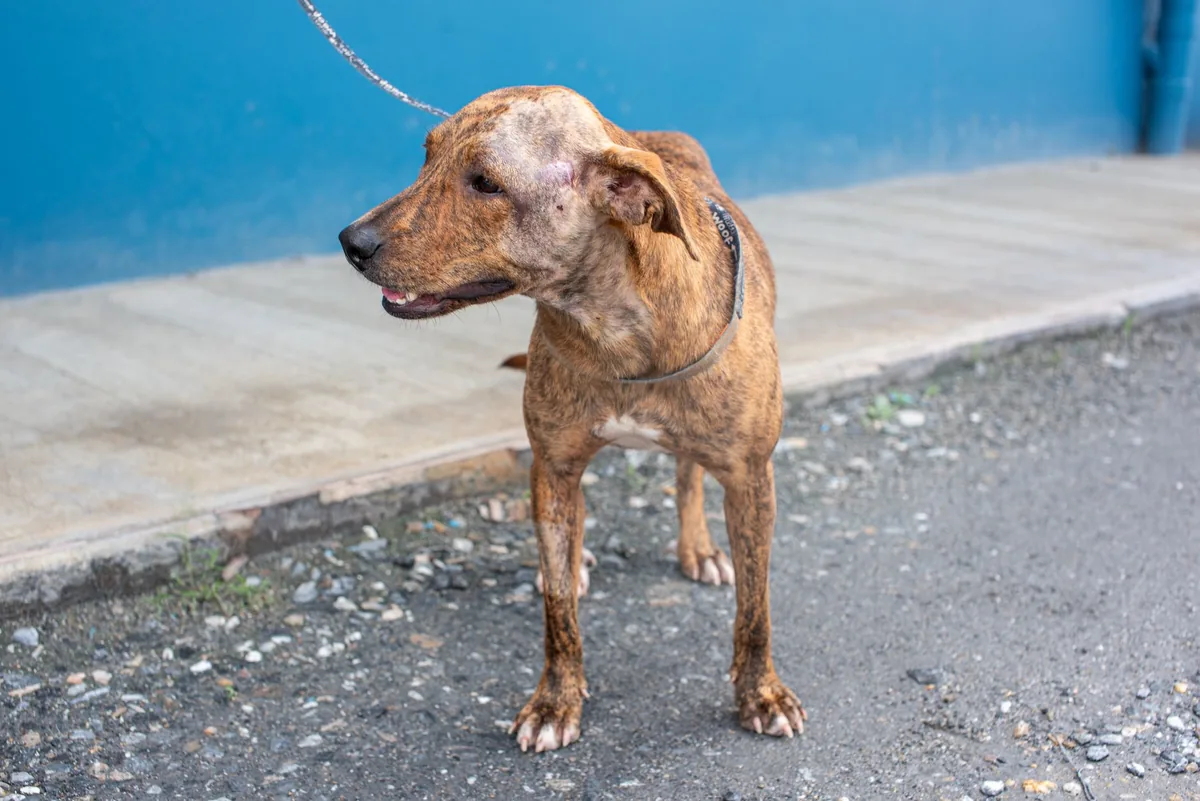
Key red flags include rapid growth, ulceration, or any change in the dog’s behavior—such as increased licking, rubbing, or loss of appetite. While BCTs are benign, a sudden change could signal a secondary infection or an alternative diagnosis.
When to call your vet
Call your vet today if you notice:
- A new lump that is growing or changing in size.
- Any ulceration, bleeding, or discharge from the mass.
- Excessive licking or scratching of the area.
- Changes in your dog’s appetite, energy, or behavior that coincide with the lump.
Go to an emergency veterinary hospital right now if:
- The tumor starts to bleed heavily and you cannot stop it with gentle pressure.
- Your dog shows signs of systemic illness—vomiting, severe weakness, or collapse.
- There is sudden swelling of the throat or difficulty breathing (rare, but can happen if a nearby lymph node enlarges).
Remember, this article is for information only. Always consult your veterinarian for a definitive diagnosis and personalized care plan.
How vets diagnose basal cell tumors
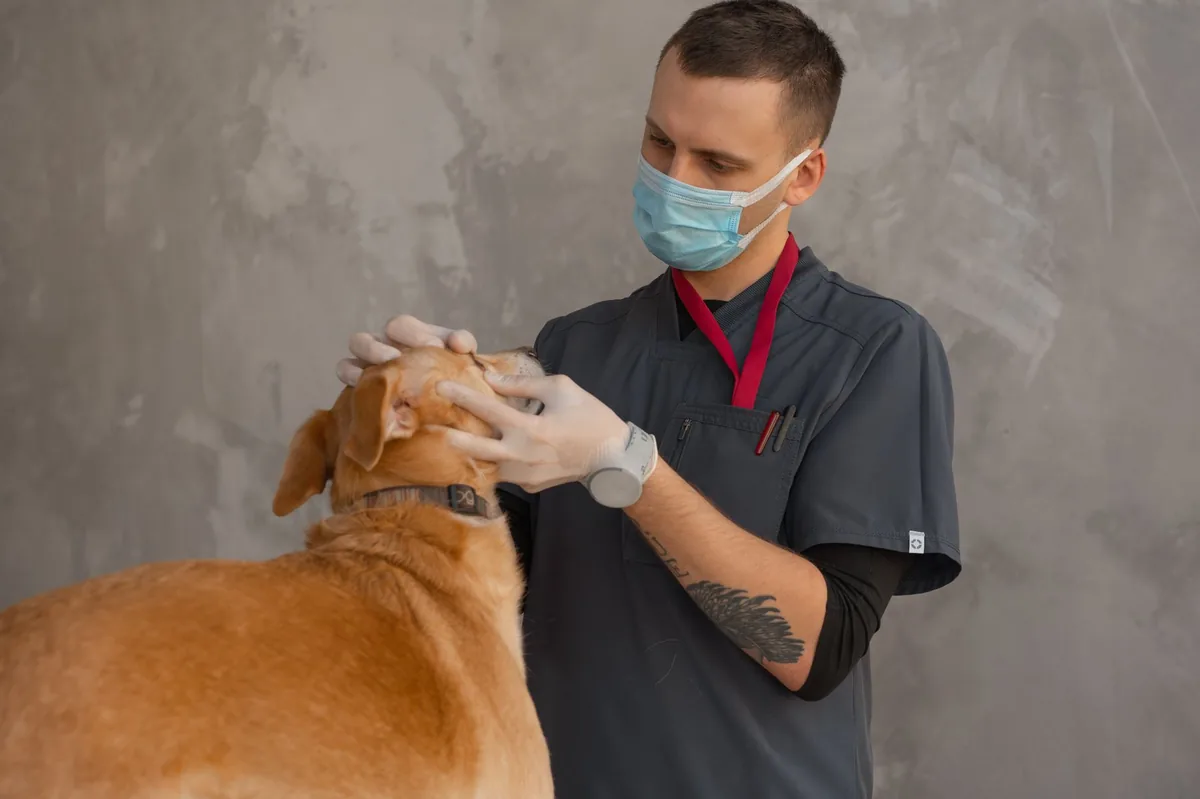
Diagnosis starts with a thorough physical exam. Your vet will note the tumor’s size, shape, texture, and exact location. Because many skin tumors look similar, the next steps are crucial:
- Fine‑needle aspiration (FNA): A thin needle draws cells from the mass. The sample is examined under a microscope to differentiate BCTs from mast cell tumors or other neoplasms. While FNA can suggest a basal cell tumor, it’s not always definitive.
- Incisional or excisional biopsy: A small piece (incisional) or the whole mass (excisional) is removed for histopathology. This is the gold standard; a board‑certified pathologist will confirm the tumor type and assess margins.
- Imaging (optional): Ultrasound or radiographs may be used if the tumor is large or located near deeper structures to rule out involvement of muscle or bone.
The American College of Veterinary Pathologists (ACVP) recommends that any skin mass larger than 1 cm, ulcerated, or changing rapidly be biopsied. This helps avoid misdiagnosing a potentially malignant mast cell tumor, which requires a different treatment approach.
Treatment options
Medical treatment
Because basal cell tumors are benign, medical therapy alone is rarely indicated. However, if the tumor is inflamed or infected, your vet may prescribe:
- Broad‑spectrum antibiotics (e.g., amoxicillin‑clavulanate) to treat secondary bacterial infection.
- Non‑steroidal anti‑inflammatory drugs (NSAIDs) such as carprofen to reduce pain and swelling.
- In rare cases where surgery is contraindicated (e.g., poor anesthetic risk), a topical chemotherapeutic agent like imiquimod may be discussed—always ask your vet about this option.
Supplements and supportive care
While no supplement can shrink a basal cell tumor, certain nutrients support overall skin health and wound healing after surgery:
- Omega‑3 fatty acids (EPA/DHA): Found in fish oil, they help reduce inflammation and promote a healthy coat.
- Vitamin C and Vitamin E: Antioxidants that aid tissue repair; a balanced commercial supplement is preferable to high‑dose DIY mixes.
- Probiotics: Maintaining gut health can improve immune function during the post‑operative period.
These should be given as part of a complete recovery plan, and you should always discuss dosing with your vet.
Procedures or surgery
Surgical excision is the treatment of choice for basal cell tumors. The goal is a clean margin—removing the tumor with a rim of normal tissue (usually 5–10 mm) to ensure no residual cells are left behind.
Typical steps include:
- Pre‑operative blood work to assess anesthesia safety.
- General anesthesia and sterile preparation of the surgical site.
- Excision of the tumor with the recommended margin.
- Placement of sutures (often subcuticular) and a bandage if needed.
- Post‑operative pain management and antibiotics as indicated.
Recovery is usually uneventful. Most dogs are comfortable at home within 24–48 hours, and sutures are removed after 10–14 days. If the pathology report shows incomplete margins, a second surgery may be recommended.
Diet and nutrition
Nutrition plays a supportive role in wound healing and immune function after tumor removal. While there’s no “cancer‑specific” diet for benign BCTs, a balanced, high‑quality diet helps your dog recover faster and reduces the risk of future skin issues.
Here are the key nutritional principles:
- Highly digestible protein: Aim for 20–25 % of the diet to come from high‑quality animal sources (chicken, turkey, fish). This provides the amino acids needed for tissue repair.
- Moderate fat: 10–15 % fat supplies essential fatty acids, especially omega‑3s, which curb inflammation.
- Limited simple carbohydrates: Excess sugars can impair immune response. Choose kibble with whole grains or grain‑free formulas that list a protein source first.
- Adequate vitamins and minerals: Vitamin A, zinc, and selenium support skin integrity. Commercial diets already meet AAFCO requirements, but a supplement may be advised if your vet detects a deficiency.
When your dog is recovering from surgery, consider these practical feeding tips:
- Offer smaller, more frequent meals (3–4 times daily) for the first 3–5 days to avoid gastrointestinal upset.
- Warm the food slightly to enhance aroma, which can encourage a dog with a reduced appetite to eat.
- Provide fresh water at all times; hydration aids wound healing.
- If your dog tolerates it, add a teaspoon of fish oil (or a vet‑approved omega‑3 supplement) to the food each day.
Prescription therapeutic diets are not required for benign basal cell tumors, but if your dog has a concurrent condition—such as chronic kidney disease or obesity—your vet may recommend a specialized formula (e.g., renal or weight‑management diet). The choice of brand is less important than meeting the nutritional standards set by AAFCO.
| Food type | Do feed | Limit | Avoid |
|---|---|---|---|
| High‑quality kibble | Balanced protein & fat | Excessive treats | Low‑protein “budget” brands |
| Cooked home‑made meals | Lean meats + veggies | Seasonings, onions, garlic | Raw bone without supervision |
| Supplements | Fish oil, probiotic blend | High‑dose vitamin A | Unregulated “herbal” mixes |
Finally, monitor your dog’s weight and stool quality. If you notice persistent diarrhea, vomiting, or a sudden drop in appetite, contact your vet—these could signal a complication from surgery or medication.
Cost and prognosis
Because basal cell tumors are usually benign, the financial outlook is favorable. Typical cost components in the United States (estimates, not guarantees) include:
- Pre‑operative blood work: $80–$150.
- Surgical excision (including anesthesia, surgeon’s fee, and basic post‑op meds): $800–$1,500.
- Histopathology (tumor analysis): $150–$300.
- Follow‑up visit and suture removal: $70–$120.
In the United Kingdom, comparable procedures range from £400–£900, while in Australia they sit around AU$1,200–AU$2,200. Many pet insurance plans cover the majority of these expenses if the tumor is diagnosed as a “benign neoplasm.” Always check your policy’s wording and pre‑authorization requirements.
Prognosis is excellent when the tumor is completely removed with clean margins. Recurrence rates are low (< 5 %) but can happen, especially if margins were incomplete. Regular re‑checks every 6–12 months are recommended to catch any new growth early.
Prevention and home care
While you can’t eliminate the chance of a basal cell tumor entirely, several everyday habits can lower risk:
- Sun protection: For light‑colored dogs, limit prolonged sun exposure and consider a pet‑safe sunscreen on vulnerable areas.
- Skin health monitoring: Perform a quick visual and tactile check of your dog’s skin once a month—look for new lumps, thickened areas, or changes in existing spots.
- Allergy management: Keep fleas, ticks, and environmental allergens under control; chronic itching can lead to skin trauma that predisposes to tumor formation.
- Balanced diet: As outlined above, a nutrient‑rich diet supports overall skin integrity.
- Regular veterinary exams: Annual wellness visits allow early detection of skin changes that owners might miss.
If a basal cell tumor is removed, follow your vet’s post‑operative instructions carefully: keep the incision clean, limit vigorous activity for 10–14 days, and watch for signs of infection (redness, swelling, discharge). Use the prescribed antibiotics exactly as directed, and schedule the recommended re‑check to confirm healing.
From our vet team: “Most basal cell tumors are harmless, and surgery is curative. The biggest challenge is catching the growth early—regular skin checks and prompt vet visits make all the difference.”
Key takeaways
- Basal cell tumors are usually benign skin growths that grow slowly and rarely spread.
- Typical signs are a smooth, firm nodule that may become larger over weeks; ulceration or rapid change warrants immediate veterinary attention.
- Diagnosis relies on a physical exam, fine‑needle aspiration, and definitive histopathology.
- Surgical excision with clean margins is curative in most cases, and recovery is usually 10–14 days.
- Costs vary but are generally under $2,000 in the U.S.; many insurance plans cover benign tumor removal.
- Prevent future skin tumors by protecting your dog from excess sun, managing allergies, and performing monthly skin checks.
Myth vs. fact
Myth: Basal cell tumors are a type of cancer that will inevitably spread.
Fact: The majority are benign and do not metastasize; surgery removes them completely in most dogs.
Myth: All skin lumps need to be removed right away.
Fact: Small, stable, benign‑appearing nodules can be monitored, but any change in size, shape, or ulceration should prompt a vet visit.
Myth: Home “remedies” like herbal pastes can shrink basal cell tumors.
Fact: No scientifically proven home treatment replaces surgical removal; supportive care and proper nutrition aid recovery, not tumor regression.
Frequently asked questions
What does a basal cell tumor look like on a dog?
It typically appears as a smooth, dome‑shaped nodule that is pink‑white or flesh‑colored, firm to the touch, and ranges from a few millimeters up to several centimeters.
Are basal cell tumors in dogs cancerous?
Most are benign, meaning they do not invade other tissues or spread. However, a biopsy is essential to confirm the diagnosis and rule out malignant tumors like mast cell tumors.
How is a basal cell tumor diagnosed in a dog?
Diagnosis begins with a physical exam, followed by fine‑needle aspiration for cytology and, most definitively, a surgical biopsy examined by a veterinary pathologist.
What is the typical recovery time after basal cell tumor surgery?
Most dogs recover comfortably within 10–14 days. Sutures are usually removed after 10–12 days, and normal activity can resume after the incision heals.
Can basal cell tumors spread to other parts of the body?
Because they are generally benign, they rarely metastasize. The main concern is local recurrence if the surgical margins were incomplete.
What are the costs associated with treating a basal cell tumor in a dog?
In the U.S., total expenses—including diagnostics, surgery, pathology, and follow‑up—typically range from $1,100 to $2,000. Insurance often covers a large portion if the tumor is classified as benign.
Ask the PuppaDogs community
Have a question this article didn’t fully answer? Want to compare notes with other dog owners who’ve been through this? Our community forum is moderated by experienced owners and vets — and answers tend to come fast. Ask in the PuppaDogs community →
References
- Merck Veterinary Manual. “Basal Cell Tumors (BCT) in Dogs.” 2023 edition.
- American Animal Hospital Association (AAHA). “Skin Tumor Guidelines.” 2022.
- American College of Veterinary Pathologists (ACVP). “Biopsy Recommendations for Canine Skin Masses.” 2021.
- American Veterinary Medical Association (AVMA). “Pet Owner’s Guide to Skin Cancer.” 2022.
- Cornell University College of Veterinary Medicine. “Canine Skin Tumors Overview.” 2023.
- World Small Animal Veterinary Association (WSAVA). “Consensus Statement on Canine Skin Health.” 2020.
- Plumb’s Veterinary Drug Handbook. “Antibiotics and NSAIDs for Dogs.” 9th ed., 2021.
- AAFP. “Nutrition for Surgical Recovery in Dogs.” 2022.
- Insurance Information from Leading Pet Insurers (Nationwide, Trupanion, Embrace). 2024.


