












Quick take: Anticoagulant poisoning in dogs occurs when a dog ingests rodenticide that interferes with blood clotting. Early signs are typically subtle—tiredness, pale gums, or a small nosebleed—while severe cases involve internal bleeding. Prompt veterinary care, usually with vitamin K1 and supportive therapy, gives most dogs a good chance of recovery, though treatment can be costly and prolonged.
It’s 11 p.m., and your 3‑year‑old Jack Russell Terrier, Milo, is lying on the couch, refusing to get up for his usual evening walk. You notice his gums look lighter than the bright pink you’re used to, and a faint trickle of blood drips from his nose onto the pillow. Your heart races as you Google “dog nosebleed and pale gums,” and the first result mentions rodenticide. You’re suddenly faced with a terrifying possibility—has Milo eaten rat poison?
First, take a breath. You’re not alone; many owners discover a similar scene after their curious pup sniffs out bait left in the yard. In the next few minutes, we’ll explain exactly what anticoagulant poisoning is, how to spot it early, what the vet will do, and how you can protect your pack from accidental exposure. By the end you’ll know the steps to take tonight, what to expect from treatment, and how to keep this from happening again.
Our guide covers everything from the chemistry of first‑ and second‑generation rodenticides to the cost of emergency care, so you can make informed decisions without endless scrolling. Let’s dive in.
What is anticoagulant poisoning in dogs?
Anticoagulant poisoning happens when a dog eats a rodenticide—commonly called “rat bait”—that blocks the blood’s ability to clot. The chemicals work by inhibiting vitamin K recycling, a crucial step in producing clotting factors II, VII, IX, and X. Without these proteins, even minor injuries can cause prolonged bleeding, and internal hemorrhage can develop silently.
There are two generations of anticoagulant rodenticides. First‑generation agents (e.g., warfarin, chlorophacinone) require multiple ingestions to become lethal and generally cause symptoms within 2–4 days. Second‑generation agents (e.g., brodifacoum, bromadiolone) are far more potent; a single bite can be fatal, and signs may appear as early as 24 hours or as late as 7 days after exposure.
According to the American Veterinary Medical Association (AVMA), anticoagulant poisoning accounts for roughly 5 % of all canine toxicology cases seen in emergency clinics in the United States, making it a relatively common but often preventable emergency.
What causes it?
Dogs encounter anticoagulant rodenticides in several ways, often unintentionally. Below are the most common routes and risk factors.
| Source | Typical Exposure | Key Risk Factors |
|---|---|---|
| Outdoor bait stations | Sniffing or chewing bait directly | Yards with unsecured bait, hunting dogs |
| Accidental ingestion | Finding bait left on the ground or in trash | Puppies exploring, homes with children |
| Secondary poisoning | Eating a poisoned rodent | Hunting or tracking dogs, dogs that chase wildlife |
Second‑generation products are especially dangerous because they remain active in a dog’s system for weeks, and a single chew can deliver a lethal dose. Breed isn’t a major factor, but smaller dogs reach toxic levels faster due to their lower body weight.
Signs and symptoms
Because anticoagulant rodenticides prevent clotting, the first signs often involve bleeding that isn’t obvious to the owner. Watch for these progressive cues:
| Stage | Signs |
|---|---|
| Early (12‑48 hrs) | Weakness, lethargy, pale gums, slight nosebleed, bruising on skin |
| Moderate (2‑5 days) | Visible bleeding from gums, nose, or wound; coughing up blood; blood in urine or stool; swelling in joints or abdomen |
| Severe (5‑10 days) | Shock (rapid heartbeat, shallow breathing), collapse, seizures, extensive internal hemorrhage (abdominal distension, melena) |
Internal bleeding may manifest as a sudden drop in activity, a reluctance to climb stairs, or a “puffy” abdomen. If you notice any of these, especially in combination, treat it as an emergency.
When to call your vet
Call your vet today if:
- Gums look pale or pink has turned white.
- There’s any nosebleed, gum bleed, or blood in urine/stool.
- Your dog is unusually tired, weak, or reluctant to move.
- You suspect your dog may have gotten into rodent bait.
Go to an emergency veterinary hospital right now if:
- Your dog is vomiting blood or coughing up bright red material.
- There’s sudden collapse, seizures, or difficulty breathing.
- Visible swelling of the abdomen or limbs suggests internal bleeding.
- Bleeding does not stop after applying gentle pressure for a few minutes.
These guidelines are for triage only. Always follow up with a professional; this article is informational, not a substitute for veterinary care.
How vets diagnose it
When you bring your dog in, the veterinarian will start with a thorough history: when the symptoms began, any known exposure to bait, and any recent hunting or outdoor activity.
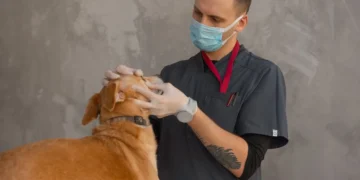
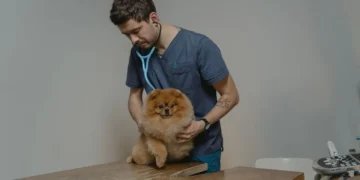
A physical exam will focus on checking gum color, looking for external bleeding, and palpating the abdomen for signs of internal hemorrhage.
Blood work is the cornerstone of diagnosis. Key tests include:
- Prothrombin time (PT): Measures how quickly blood clots via the extrinsic pathway. Prolonged PT is a hallmark of anticoagulant poisoning.
- Activated partial thromboplastin time (aPTT): Assesses the intrinsic clotting pathway; also often prolonged.
- Hematocrit/PCV: Detects anemia from blood loss.
- Serum chemistry: Checks organ function, especially liver, which metabolizes many rodenticides.
Some labs can directly detect the toxin in the blood or urine, but treatment usually begins based on clotting test results alone.
Imaging—ultrasound or X‑ray—helps locate internal bleeding, such as abdominal effusion or thoracic hemorrhage. In severe cases, a CT scan may be used to pinpoint the source.
Treatment options
Medical treatment
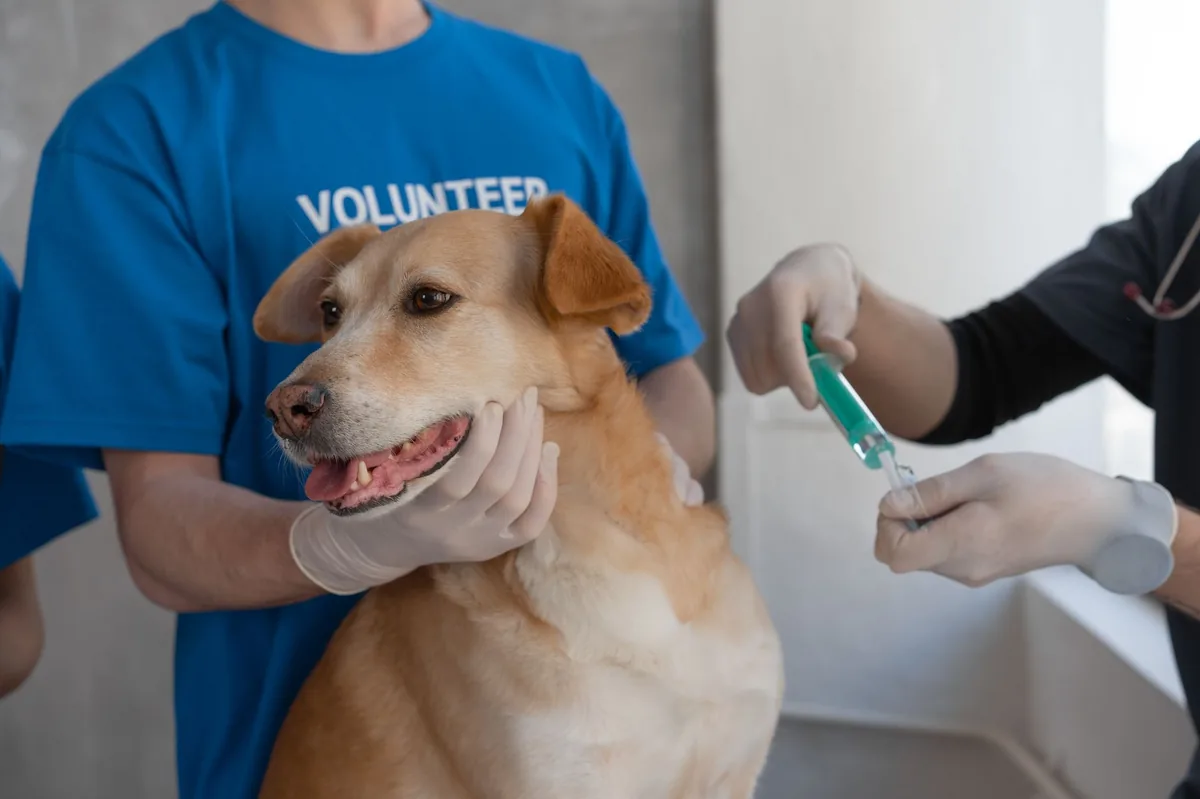
The primary antidote is oral vitamin K1 (phylloquinone). This vitamin bypasses the blocked recycling step, allowing the liver to produce functional clotting factors. Most dogs require daily vitamin K1 for 4–6 weeks, sometimes longer, until clotting tests return to normal.
Standard veterinary protocols often include:
- Vitamin K1 (menadiol sodium): Given orally or by injection; your vet will dose based on weight and severity. Ask your vet about this option.
- Plasma transfusion: Fresh frozen plasma provides immediate clotting factors, buying time for vitamin K1 to take effect.
- Blood transfusion: Needed if severe anemia has developed.
- Supportive care: Intravenous fluids, pain management (e.g., low‑dose opioids), and monitoring of vital signs.
Second‑generation rodenticides may require a longer vitamin K1 course—often 8 weeks or more—because the toxin persists in the body.
Supplements and supportive care
While vitamin K1 is the cornerstone, certain supplements can aid recovery:
- Omega‑3 fatty acids (EPA/DHA): Anti‑inflammatory, may support vascular health; give a high‑quality fish‑oil supplement after discussing with your vet.
- Vitamin C: Antioxidant that can help protect red blood cells; moderate doses are safe for most dogs.
- Probiotics: Helpful if the dog has concurrent gastrointestinal upset from the toxin or medication.
These are adjuncts, not replacements for vitamin K1 therapy.
Procedures or surgery
In rare cases where a specific bleeding site can be identified (e.g., a ruptured spleen or severe abdominal hemorrhage), surgical intervention may be necessary to control the bleed. Recovery from such procedures typically involves a 2‑week hospital stay and a follow‑up period of 4–6 weeks for clotting normalization.
Diet and nutrition
Nutrition plays a supportive role while your dog recovers from anticoagulant poisoning. The goal is to provide easily digestible, high‑quality protein and adequate calories without overloading the liver, which is already working hard to process the toxin.
Here are practical feeding guidelines:
- High‑quality, highly digestible protein: Choose a commercial diet labeled “limited ingredient” or “sensitive stomach.” These formulas reduce gut irritation and help maintain muscle mass during recovery.
- Moderate fat, rich in omega‑3: Look for foods that list fish oil or flaxseed as a primary ingredient. Omega‑3s help reduce inflammation around bleeding sites.
- Low‑phosphorus, moderate‑calorie: Excess phosphorus can stress the kidneys, which may already be compromised by toxin metabolism.
- Avoid raw meat or high‑fat treats: They can be harder to digest and may aggravate gastrointestinal bleeding.
- Hydration: Fresh water should be always available. For dogs with vomiting or diarrhea, your vet may recommend an electrolyte solution.
Many veterinarians recommend a short‑term prescription diet designed for “liver support” (e.g., a diet with added arginine and B‑vitamins). You don’t need a specific brand; any diet that meets the above criteria will help. Transition gradually over 3–5 days to avoid upsetting the gut.
Below is a quick reference for feeding decisions during treatment:
| Food Type | Do Feed | Limit | Avoid |
|---|---|---|---|
| Cooked chicken breast, boiled rice | Yes – lean protein, easy on stomach | – | – |
| Commercial liver‑support diet | Yes – balanced nutrients | – | – |
| Raw bones, raw meat | – | – | High risk of GI bleed |
| High‑fat treats, cheese | – | Small amounts only | May increase inflammation |
| Fish oil supplement | Yes – 100 mg EPA/DHA per 10 lb | – | – |
Feeding frequency can stay at your dog’s normal schedule, but if the dog is very weak, offering smaller, more frequent meals can aid digestion and nutrient absorption.
Cost and prognosis
Financial considerations are a real part of emergency care. In the United States, initial emergency evaluation (including blood work and imaging) typically ranges from $300 to $800. Vitamin K1 therapy is the biggest ongoing expense—oral tablets cost roughly $30–$50 per week, and the full course often lasts 4–6 weeks, so expect $120–$300 in medication fees.
Additional costs may include plasma or blood transfusions ($200–$500 per unit), hospitalization ($150–$250 per day), and follow‑up visits ($80–$150 each). In the United Kingdom, similar services run about £250–£600 for the initial workup, with vitamin K1 tablets costing £20–£40 per week.
Prognosis is generally good if treatment begins early. Studies cited by the American College of Veterinary Internal Medicine (ACVIM) indicate a survival rate of 80‑90 % for dogs that receive vitamin K1 within 48 hours of ingestion. Recovery of normal clotting times usually takes 2–4 weeks, but some dogs may need longer monitoring, especially after second‑generation exposure.
Prevention and home care
Preventing accidental exposure is the most effective strategy. Here are proven steps:
- Secure bait: Store rodenticide in locked containers, out of reach of pets and children. Follow label instructions for safe placement.
- Yard management: Use bait stations that are tamper‑proof and placed away from high‑traffic dog areas. Remove any dead rodents promptly.
- Supervise outdoor time: Especially for puppies and curious breeds, keep them on a leash or within a fenced area while bait is in use.
- Educate family members: Ensure everyone knows the dangers of rodenticide and the importance of not leaving bait where dogs can find it.
- Regular vet check‑ups: Ask your vet to screen for signs of exposure if you live in an area with heavy rodent control.
If you suspect exposure, keep the original bait package for identification and bring it to the vet. Early identification of the specific toxin can help tailor the vitamin K1 dosing schedule.
From our vet team: “If you catch the problem early, vitamin K1 can essentially reverse the damage. The biggest hurdle is getting the dog into care quickly—so keep a list of emergency vets handy and don’t wait for the bleeding to become obvious.”
Key takeaways
- Anticoagulant rodenticide blocks clotting; early signs are pale gums, lethargy, or a small nosebleed.
- Even a single bite of second‑generation bait can be lethal; seek veterinary care within 24 hours of suspected ingestion.
- Diagnosis relies on prolonged PT/aPTT and anemia; treatment is vitamin K1 plus plasma or blood transfusions as needed.
- Recovery usually takes 4–6 weeks of daily vitamin K1, with a good prognosis if treated promptly.
- Prevent exposure by storing bait securely, using tamper‑proof stations, and supervising dogs outdoors.
Myth vs. fact
Myth: Only large hunting dogs get poisoned by rodenticide.
Fact: Any dog, especially small breeds and puppies, can ingest enough bait to become seriously ill.
Myth: Vitamin K injections are enough; no oral medication is needed.
Fact: Oral vitamin K1 is the standard long‑term therapy because injections provide only temporary clotting factor support.
Myth: If the dog stops bleeding, the problem is solved.
Fact: Bleeding may stop temporarily, but the underlying toxin remains; ongoing treatment is required to prevent delayed internal hemorrhage.
Frequently asked questions
What are the early symptoms of anticoagulant poisoning in dogs?
Early signs include lethargy, pale or white gums, a small nosebleed, and bruising that appears without an obvious injury. These symptoms can appear within 24‑48 hours after ingestion.
Can a dog survive after ingesting rat poison?
Yes—most dogs survive if they receive prompt veterinary care, typically involving vitamin K1 therapy and supportive transfusions. Survival rates exceed 80 % when treatment starts early.
How is anticoagulant poisoning diagnosed in dogs?
Vets diagnose it by measuring prolonged PT and aPTT clotting times, checking for anemia, and sometimes confirming the toxin through blood or urine screening. Imaging may be used to locate internal bleeding.
What is the treatment protocol for anticoagulant poisoning?
The cornerstone is daily oral vitamin K1 for 4–6 weeks, paired with plasma or blood transfusions if bleeding is severe. Supportive care includes fluids, pain relief, and monitoring of clotting parameters.
How long does recovery take for a dog treated for rodenticide poisoning?
Clotting times usually normalize within 2–4 weeks, but the full vitamin K1 course often extends to 4–6 weeks. Full physical recovery may take up to two months, depending on the severity of internal bleeding.
Is vitamin K the only medication needed for anticoagulant poisoning?
No—vitamin K1 is essential, but many dogs also require plasma or blood transfusions, pain management, and sometimes antibiotics if secondary infections develop. Supplements like omega‑3s can aid recovery but are adjuncts, not replacements.
Ask the PuppaDogs community
Have a question this article didn’t fully answer? Want to compare notes with other dog owners who’ve been through this? Our community forum is moderated by experienced owners and vets — and answers tend to come fast. Ask in the PuppaDogs community →
References
- American Veterinary Medical Association (AVMA). “Rodenticide Toxicity in Dogs.” AVMA Guidelines, 2022.
- American Animal Hospital Association (AAHA). “Emergency Care for Toxicology Cases.” AAHA Standards, 2023.
- American College of Veterinary Internal Medicine (ACVIM). “Anticoagulant Rodenticide Poisoning: Diagnosis and Management.” ACVIM Consensus Statement, 2021.
- Merck Veterinary Manual. “Anticoagulant Rodenticide Poisoning.” Updated 2022.
- World Small Animal Veterinary Association (WSAVA). “Guidelines for Safe Use of Rodenticides.” WSAVA Position Paper, 2020.
- Cornell University College of Veterinary Medicine. “Vitamin K1 Therapy in Dogs.” Clinical Resources, 2023.
- British Veterinary Association (BVA). “Rodenticide Toxicity in Pets.” BVA Handbook, 2021.
- National Institutes of Health (NIH). “Warfarin and Second‑Generation Anticoagulants: Pharmacology.” Toxicology Review, 2020.


