
















Quick take: Antibiotic‑resistant infections in dogs happen when bacteria learn to survive the drugs we use to kill them. They can range from mild skin infections to life‑threatening organ disease. If your dog shows persistent wounds, fever, or a sudden decline after a course of antibiotics, call your vet right away—early detection and targeted treatment are key.
It’s 11 p.m., and you’re standing in the kitchen watching your 7‑year‑old Boxer, Milo, limp toward his water bowl. The usual sparkle in his eyes is dim, his skin looks a little red, and the swelling on his left hind leg hasn’t shrunk despite the antibiotics you started three days ago. Your heart races as you type “dog infection not getting better” into a search bar, hoping for a quick answer.
We get it—when a beloved companion isn’t responding to treatment, every minute feels urgent. Antibiotic‑resistant infections in dogs are a growing concern, but they’re also manageable when caught early. In this guide we’ll explain exactly what antibiotic resistance means, why it happens, the warning signs to watch for, how vets diagnose and treat these infections, what you can do at home to help, and what you might expect in terms of cost and recovery.
By the end of this article you’ll know how to spot a resistant infection, when to seek emergency care, what treatment options are available, and how to protect your dog from future problems. Let’s dive in, step by step.
What is antibiotic‑resistant infection in dogs?
Antibiotic resistance occurs when bacteria develop ways to survive drugs that would normally kill them. In dogs, this can happen in skin, urinary, respiratory, or internal organ infections. The resistant bugs are often the same species that cause ordinary infections—Staphylococcus aureus, Escherichia coli, Pasteurella, and others—but they have acquired genetic changes (mutations or gene‑sharing) that protect them from the antibiotics we prescribe.
According to the American Veterinary Medical Association (AVMA) and the World Organisation for Animal Health (WOAH), antibiotic‑resistant infections affect roughly 2–5 % of all canine bacterial infections in the United States, but the prevalence is higher in hospital‑treated or multi‑dog households. While most dogs recover with appropriate care, resistant infections can be more difficult to treat, may require longer hospital stays, and in severe cases can be fatal.
What causes it?
Resistance doesn’t appear overnight. Several factors increase the odds that a bacterial infection will become resistant:
| Category | Key Contributors |
|---|---|
| Inappropriate antibiotic use | Giving antibiotics for viral illnesses, using the wrong drug, or stopping treatment early. |
| Overcrowded environments | Breeding kennels, shelters, or multi‑dog homes where infections spread easily. |
| Previous infections | Dogs with a history of recurrent infections are more likely to harbor resistant bacteria. |
| Underlying health issues | Immune suppression, diabetes, or chronic skin disease can promote resistant strains. |
| Human‑to‑dog transmission | Family members on antibiotics can pass resistant bacteria to pets. |
When antibiotics are used too often or incorrectly, the surviving bacteria multiply and become the dominant strain. This is why stewardship programs, like those promoted by the American Animal Hospital Association (AAHA), emphasize using the right drug, dose, and duration.
Signs and symptoms
Resistant infections often look like any other infection at first—redness, swelling, discharge, or fever. The difference is that they don’t improve, or they worsen, despite appropriate treatment. Below is a quick guide to what you might notice.
| Stage | Typical Signs |
|---|---|
| Mild | Localized redness, mild discharge, low‑grade fever (≤102.5 °F), reduced appetite. |
| Moderate | Persistent swelling, pus that isn’t clearing, lethargy, temperature >103 °F, vomiting or diarrhea if gastrointestinal tract involved. |
| Severe | Rapid deterioration, high fever (>104 °F), organ failure signs (e.g., jaundice, difficulty breathing), septic shock, unresponsiveness to antibiotics. |
Common sites of resistant infections include:
- Skin and soft‑tissue infections (often after bites or hot spots).
- Urinary tract infections, especially in older females.
- Respiratory infections such as kennel cough that progress to pneumonia.
- Post‑surgical wound infections.
- Ear infections (otitis) that recur despite therapy.
When to call your vet
Call your vet today if you notice any of the following after starting antibiotics:
- Wound or lesion that isn’t shrinking after 48 hours.
- New or worsening fever, lethargy, or loss of appetite.
- Vomiting, diarrhea, or blood in stool/urine.
- Persistent coughing, breathing difficulty, or nasal discharge.
Go to an emergency veterinary hospital right now if you see any of these red‑flag signs:
- Rapid breathing, panting, or difficulty breathing.
- Severe swelling, especially of the face or throat.
- Uncontrolled bleeding or sepsis (cold extremities, pale gums, sudden collapse).
- Sudden, severe pain or inability to stand.
These symptoms could indicate a spreading infection or septic shock, both of which require immediate, intensive care.
This article is for informational purposes only and does not replace a hands‑on veterinary exam.
How vets diagnose it
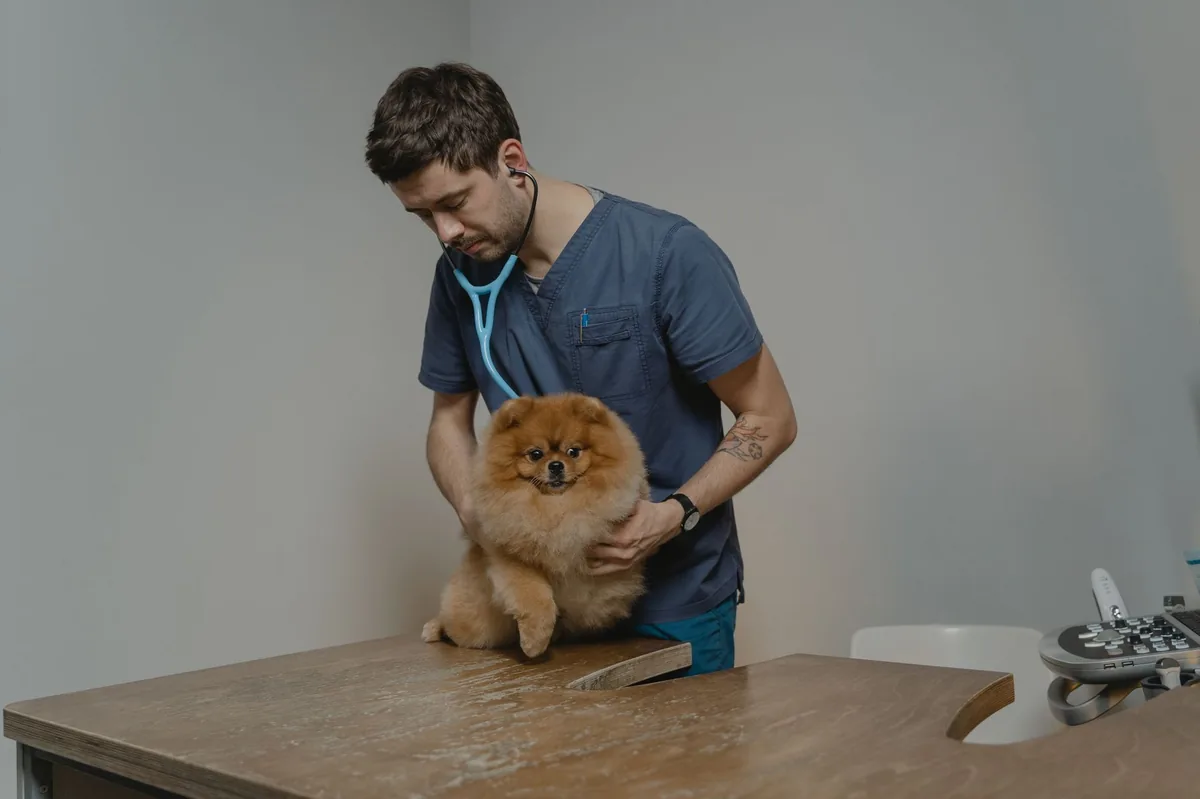
Diagnosing a resistant infection starts with a thorough history: What symptoms appeared? When did you start antibiotics? Have there been previous infections?
During the physical exam, the vet will check temperature, pulse, gum color, and the specific infection site. The key diagnostic tools include:
- Culture and sensitivity testing: A sample (skin swab, urine, or tissue) is grown in a lab to identify the bacteria and determine which antibiotics it’s resistant to. The American College of Veterinary Internal Medicine (ACVIM) recommends this test for any infection that fails to improve within 48–72 hours of therapy.
- Complete blood count (CBC) and chemistry panel: These blood tests reveal inflammation, organ function, and if the infection has spread systemically.
- Imaging: X‑rays or ultrasound may be needed for deep infections (bone, joint, or abdominal). They help locate the infection and assess damage.
- Polymerase chain reaction (PCR): In some cases, especially for hard‑to‑culture bacteria, PCR can detect bacterial DNA and resistance genes quickly.
All of these results guide the vet toward a targeted antibiotic—often a “second‑line” drug that the bacteria haven’t yet learned to evade.
Treatment options
Medical treatment
When a resistant strain is identified, the vet will usually prescribe one of the following drug classes, chosen based on the sensitivity results:
- Fluoroquinolones (e.g., enrofloxacin, ciprofloxacin) – powerful broad‑spectrum agents commonly used for gram‑negative resistant infections.
- Advanced‑generation cephalosporins (e.g., cefovecin, cefepime) – often reserved for skin or soft‑tissue infections that don’t respond to first‑line drugs.
- Oxazolidinones (e.g., linezolid) – used sparingly for multi‑drug resistant gram‑positive bacteria.
- Combination therapy – sometimes two antibiotics are given together to overcome resistance mechanisms.
All medications are dosed based on your dog’s weight and the severity of infection. Ask your vet about the specific drug, potential side effects, and the need for blood monitoring. In severe cases, hospitalization for IV antibiotics may be required.
Supplements and supportive care
While supplements won’t cure a resistant infection, they can bolster your dog’s immune system and aid recovery:
- Omega‑3 fatty acids (EPA/DHA): Shown to reduce inflammation in skin and joint infections (source: WSAVA nutritional guidelines).
- Probiotics: Helpful after a course of broad‑spectrum antibiotics to restore gut flora, especially for gastrointestinal infections.
- Vitamin C and zinc: May support immune function, but discuss dosing with your vet.
These adjuncts are most effective when the primary infection is under control with appropriate antibiotics.
Procedures or surgery
Some resistant infections require procedural intervention:
- Drainage and debridement: For abscesses or deep wound infections, the vet may need to surgically remove dead tissue and place a drainage tube.
- Joint lavage: In septic arthritis, flushing the joint space with sterile fluid can reduce bacterial load.
- Implant removal: If a prosthetic or orthopedic implant is infected, removal may be necessary, followed by a longer course of IV antibiotics.
Recovery from surgery varies. Most dogs stay in the hospital 2–5 days for IV antibiotics, then continue oral therapy at home for 2–4 weeks. Costs can range from $1,200‑$4,500 in the U.S., depending on the procedure and length of stay (see Cost and prognosis section).
Diet and nutrition
Nutrition plays a supportive role in fighting infection and preventing recurrence. While there isn’t a “cure‑diet” for resistant bacteria, feeding a balanced, high‑quality diet helps the immune system work efficiently.
Key principles for feeding a dog battling a resistant infection:
- Highly digestible protein: Protein supplies the building blocks for immune cells. Choose foods with named animal proteins (chicken, turkey, salmon) and avoid excessive meat‑by‑product fillers.
- Moderate fat, high omega‑3: Fat provides energy while omega‑3 fatty acids (EPA/DHA) reduce inflammation. Look for “salmon oil” or “fish oil” added to the kibble, or supplement with a vet‑approved fish oil capsule.
- Limited simple carbohydrates: Sugary carbs can feed harmful gut bacteria. Opt for complex carbs like sweet potato or lentils, which are easier on the gut.
- Adequate vitamins and minerals: Zinc, selenium, and vitamins A, C, E support immune function. Most complete commercial diets meet these needs; however, a short‑term supplement may be advised by your vet.
- Hydration: Fever and infection increase fluid loss. Ensure fresh water is always available, and consider adding low‑salt broth if your dog is reluctant to drink.
For dogs with gastrointestinal involvement (e.g., a resistant urinary tract infection that also caused diarrhea), a highly digestible therapeutic diet such as a “moderate‑fiber, low‑fat” formula can be helpful. The AAHA recommends using a prescription diet only under veterinary supervision to avoid nutrient gaps.
Below is a quick reference for what to feed, limit, or avoid while your dog recovers:
| Do feed | Limit | Avoid |
|---|---|---|
| High‑quality kibble or canned food with named animal protein | Raw diets without proper bacterial testing (risk of extra pathogens) | Table scraps high in fat, salt, or sugar |
| Omega‑3 supplement (vet‑approved fish oil) | Excessive treats or bones | Gravy or sauces containing onion or garlic |
| Boiled sweet potato or pumpkin for gentle fiber | High‑carb “pasta” style foods | Fermented foods (e.g., kimchi) unless cleared by vet |
Transition any new food gradually over 5–7 days to avoid upsetting the gut. Mix a small amount of the new diet with the current food, increasing the proportion each day. This approach reduces the risk of diarrhea, which can further compromise immunity.
Finally, remember that nutrition is only one piece of the puzzle. Combine a proper diet with the prescribed antibiotics, rest, and follow‑up visits for the best outcome.
Cost and prognosis
Financial considerations are real, and knowing what to expect can help you plan ahead. Below are typical cost ranges (USD) for the United States; UK figures are provided where they differ substantially.
| Service | US Estimate | UK Estimate |
|---|---|---|
| Initial vet exam & basic labs | $80‑$150 | £70‑£130 |
| Culture & sensitivity test | $120‑$250 | £110‑£210 |
| First‑line oral antibiotic (e.g., amoxicillin‑clavulanate) | $20‑$45 | £15‑£30 |
| Second‑line IV antibiotic (e.g., enrofloxacin) | $150‑$350 per day | £130‑£280 per day |
| Hospitalization (including monitoring) | $1,200‑$4,500 total | £950‑£3,400 total |
| Supplements (omega‑3, probiotics) | $30‑$80 per month | £25‑£70 per month |
Prognosis depends on the infection site, the specific resistant organism, and how quickly treatment begins. For skin and soft‑tissue infections caught early, success rates exceed 85 %. Urinary or respiratory infections can have a 70‑80 % success rate with appropriate therapy. In severe systemic infections (sepsis), survival drops to 40‑60 % despite aggressive care.
Most dogs that survive a resistant infection return to normal activity within 2–4 weeks after completing antibiotics, though some may need a longer rehabilitation period. Quality‑of‑life assessments—often discussed during follow‑up visits—help owners decide when it’s safe to resume full exercise.
Prevention and home care
Preventing antibiotic resistance is a shared responsibility between you and your veterinary team. Here are practical steps you can adopt today:
- Use antibiotics only when prescribed. Never give leftover pills or human antibiotics to your dog.
- Complete the full course. Even if symptoms improve, stopping early leaves surviving bacteria that can become resistant.
- Maintain good hygiene. Wash hands after handling pets, especially after cleaning wounds or using the litter box.
- Regular wellness exams. Early detection of skin issues or urinary problems reduces the need for aggressive antibiotics.
- Vaccinate and deworm. Preventing viral and parasitic diseases reduces secondary bacterial infections.
- Keep living areas clean. Disinfect bowls, toys, and bedding regularly, especially in multi‑dog households.
- Monitor for recurrence. After treatment, watch the infection site for a few weeks to ensure it stays healed.
For dogs with a history of resistant infections, your vet may recommend periodic culture testing or a tailored “antibiotic stewardship plan.” The our‑experts page provides more details on how to work with a veterinary specialist on these plans.
From our vet team: “When a dog isn’t responding to the first antibiotic, we don’t just switch drugs blindly. We take a sample, run a culture, and tailor the therapy. That extra step can mean the difference between a quick recovery and a prolonged, costly battle.”
Key takeaways
- Antibiotic‑resistant infections happen when bacteria survive the drugs meant to kill them; early detection is crucial.
- Watch for wounds, fevers, or any worsening signs after 48 hours of antibiotic therapy and call your vet promptly.
- Diagnosis relies on culture and sensitivity testing, blood work, and sometimes imaging to guide targeted treatment.
- Treatment may involve second‑line antibiotics, supportive supplements, and, in severe cases, surgery or hospitalization.
- Feed a high‑quality, protein‑rich diet with omega‑3 fatty acids, stay hydrated, and avoid raw foods unless vet‑approved.
- Practice good hygiene, complete prescribed courses, and schedule regular wellness exams to reduce future resistance.
Myth vs. fact
Myth: “If my dog is on antibiotics, I can give any leftover pills if they look the same.”
Fact: Different antibiotics target different bacteria. Using the wrong drug or an incomplete dose can select for resistant strains. Always follow the vet’s prescription exactly.
Myth: “Resistant infections only happen in shelter dogs.”
Fact: Any dog can develop a resistant infection, especially if they receive frequent or inappropriate antibiotics. Multi‑dog homes and even single‑dog households are at risk.
Myth: “Natural remedies like honey or essential oils will cure a resistant infection.”
Fact: While some natural products have mild antibacterial activity, they cannot replace prescription antibiotics for serious infections. Use them only as adjuncts under veterinary guidance.
Frequently asked questions
Can resistant infections spread to other dogs?
Yes. Resistant bacteria can be transmitted through direct contact, shared water bowls, or grooming tools. Practicing good hygiene and isolating an infected dog until cleared can reduce spread.
How much will treatment cost on average?
In the United States, expect $500‑$2,500 for a typical resistant skin infection, including labs, medication, and follow‑up visits. Hospital stays for severe cases can exceed $4,000. Use our cost calculator for a personalized estimate.
Is my dog’s infection contagious to humans?
Some bacteria (e.g., MRSA – methicillin‑resistant Staphylococcus aureus) can jump between dogs and people, but transmission is rare. Hand washing after handling your dog’s wound is the best preventive measure.
How long will my dog need antibiotics?
Duration varies. Skin infections often require 2–4 weeks of oral therapy, while deep or systemic infections may need 4–6 weeks, sometimes with an initial IV phase. Your vet will tailor the length based on culture results and clinical response.
Can diet alone prevent resistant infections?
Diet alone won’t stop bacteria from becoming resistant, but a balanced, immune‑supporting diet reduces overall infection risk and helps your dog recover faster when treatment is needed.
What follow‑up care is recommended?
Most vets schedule a re‑check 7–10 days after starting antibiotics, plus a final exam after the course ends. Repeat cultures may be advised if the infection was severe or recurred.
Ask the PuppaDogs community
Have a question this article didn’t fully answer? Want to compare notes with other dog owners who’ve been through this? Our community forum is moderated by experienced owners and vets — and answers tend to come fast. Ask in the PuppaDogs community →
References
- American Veterinary Medical Association (AVMA). “Antimicrobial Resistance in Companion Animals.” AVMA Guidelines, 2023.
- American Animal Hospital Association (AAHA). “Antibiotic Stewardship Program.” AAHA Best Practices, 2022.
- World Organisation for Animal Health (WOAH). “Global Antimicrobial Resistance Monitoring.” WOAH Report, 2021.
- Merck Veterinary Manual. “Bacterial Infections – Diagnosis and Treatment.” 12th edition, 2022.
- American College of Veterinary Internal Medicine (ACVIM). “Guidelines for Culture and Sensitivity Testing.” ACVIM Consensus Statement, 2021.
- World Small Animal Veterinary Association (WSAVA). “Nutritional Recommendations for Dogs with Infections.” WSAVA Nutrition Committee, 2020.
- University of California, Davis Veterinary Medicine. “Antibiotic Use in Dogs – Risks and Benefits.” UC Davis Vet School Publication, 2022.
- Veterinary Partner (VIN). “Understanding Antibiotic Resistance.” Veterinary Partner Articles, 2023.


