

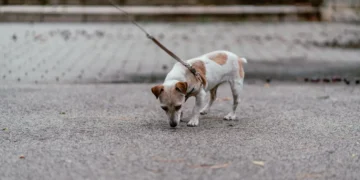




Quick take: The American Pit Bull Terrier is a high‑drive, people‑oriented breed that learns quickly but can be willful when bored. Prioritizing consistent, reward‑based impulse control early on keeps this powerful dog happy and reliable.
Imagine a sunny Saturday in the backyard: a two‑year‑old Pit Bull Terrier, eyes bright, darts after a tennis ball, then—without a cue—returns it, drops it at your feet, and sits, waiting for the next throw. That moment of “working together” is the hallmark of a Pit Bull’s training sweet spot: they crave interaction, love to please, and thrive on tasks that channel their strength and enthusiasm.
American Pit Bull Terriers (APBTs) are medium‑sized, high‑energy dogs with a strong prey drive, a keen desire to bond with people, and a natural inclination to protect their family. Because they are intelligent and eager, they can excel in a wide range of activities—from basic obedience to weight‑pull and agility—but they also need structured outlets for their drive to prevent boredom‑related mischief.
Below you’ll find a roadmap of the essential foundations, age‑by‑age milestones, and a curated list of ten training activities that match the APBT’s genetics, drive, and typical living situation. Whether you’re a first‑time puppy parent or a seasoned handler looking to add sport work, this guide gives you the “what, why, and how” to keep your Pit Bull thriving.

Understanding your American Pit Bull Terrier’s training profile
American Pit Bull Terriers sit in the sweet spot between biddability and independence. They are highly trainable when motivated, yet they possess a streak of stubbornness if a task feels unrewarding. This “working‑family” temperament means they respond best to clear, consistent cues paired with high‑value rewards.
- Trainability level: High biddability when engaged; moderate independence when uninterested.
- Working vs. show lines: Working‑line APBTs often exhibit stronger prey and guard drives, while show lines may be slightly more laid‑back but still retain the breed’s enthusiasm.
- Primary drives: Prey, companion, guard, and play.
- Sensitivity: Moderately sensitive; they tolerate correction if delivered calmly but can become fearful of harsh tones.
- Focus span & mental stamina: Short to moderate focus (5‑10 minutes) on a single task; they thrive on varied, fast‑paced sessions.
- Best motivators: High‑value food treats, tug toys, and enthusiastic praise. Many APBTs also love “work‑for‑play” games where the reward is a fun activity.
- Critical socialization window: 3–16 weeks. Early exposure to people, other dogs, noises, and different environments builds confidence and reduces future reactivity (AVSAB, 2021).
- Common owner mistakes: Inconsistent rules, lack of physical/mental outlets, and using aversive corrections that can trigger fear or aggression.
Foundational training every American Pit Bull Terrier needs
- House training: Consistent schedule, cue word, and positive reinforcement; most APBT puppies grasp this in 4–6 weeks with diligent supervision.
- Name recognition + eye contact: Use a clicker or marker word to reward brief looks; build to a “watch me” cue.
- Sit / down / stay / come: Teach each cue using luring and shaping; practice in low‑distraction environments before generalizing.
- Loose‑leash walking: APBTs often pull; start with a front‑clip harness and reward low‑tension steps (KPA‑CTP guidelines).
- Recall: High drive can lead to “chasing” instincts; practice “come” with a long line and high‑value treats, gradually increasing distance.
- Crate training + settle: Introduce the crate as a safe den; use a place‑mat and reward calm behavior.
- Handling tolerance: Daily short sessions touching paws, ears, mouth, and teeth while rewarding calmness.
- Alone‑time / separation tolerance: Start with brief departures, using a “stay” cue and a puzzle feeder to occupy the dog.
Age‑by‑age training milestones
| Age | Skill priority | Realistic timeline for APBT |
|---|---|---|
| 8‑12 weeks | Socialization sprint, name + eye contact, basic house training | Foundation laid; expect occasional accidents. |
| 3‑6 months | Impulse‑control basics, loose‑leash walking, recall foundation | Consistent cues in low‑distraction settings. |
| 6‑12 months | Adolescent regression management, generalizing skills, introduction to sport basics | Expect “testing” phases; reinforce with high‑value rewards. |
| 1‑2 years | Formal obedience, sport foundations (agility, rally), advanced impulse control | Steady progress; many APBTs excel in competitive obedience. |
| 2+ years | Advanced sports, real‑world proofing, specialized work (weight pull, therapy) | Peak physical and mental capacity; maintain variety. |
10 training activities for the American Pit Bull Terrier
| Activity | Best‑suited from age | Time commitment | Difficulty for APBT | Gear budget |
|---|---|---|---|---|
| Impulse‑control games | 8 weeks | 5–10 min / day | Easy | Low (treats, clicker) |
| Place / settle training | 10 weeks | 5–10 min / day | Easy | Low (mat, treats) |
| Agility | 12 months | 2–3 hrs / week | Moderate | Medium (jumps, tunnels) |
| Rally obedience | 12 months | 2–3 hrs / week | Moderate | Medium (rally signs) |
| Weight pull | 14 months | 1–2 hrs / week | Challenging | Medium‑high (pull harness, weights) |
| Canicross | 14 months | 2–3 hrs / week | Moderate | Medium (bungee, harness) |
| Disc dog / Frisbee | 12 months | 1–2 hrs / week | Moderate | Low‑medium (discs) |
| Nose work (basic detection) | 8 weeks | 5–10 min / day | Easy | Low (treat containers) |
| Trick training | 8 weeks | 5–10 min / day | Easy | Low (treats, clicker) |
| Hiking companion training | 12 months | 1–2 hrs / week | Easy‑moderate | Low‑medium (harness, backpack) |
Impulse‑control games
Impulse‑control games are short, structured play sessions where the dog learns to wait, “leave it,” or “wait for release” before accessing a high‑value reward. Typical games include “Treat on the Ground – Wait,” “Box Freeze,” and “Sit‑Stay‑Release” challenges.
These games align perfectly with the APBT’s high prey drive and love of play. By turning a simple fetch or tug into a “work‑for‑play” scenario, you satisfy the dog’s need for excitement while teaching self‑control—an essential skill for a breed that can become “over‑enthusiastic” when under‑stimulated.
To start, use a clicker or a marker word (“yes!”) to capture the moment the dog pauses before moving toward the treat. Begin with a low‑value treat on the floor, ask for “wait,” and gradually increase distance and duration. For a more challenging version, place a favorite toy out of reach and cue “leave it.” Reward calm refusal and gradually decrease the distance.
Most owners see reliable “wait” behavior within 3–4 weeks of daily 5‑minute sessions. Consistency is key; keep sessions short but frequent to match the APBT’s short focus span. Over time, you can chain multiple impulses (e.g., “wait → sit → stay”) to build a robust self‑control repertoire.
Common pitfalls include moving the goalpost—increasing difficulty before the dog truly masters the current level—and using punishment when the dog breaks the rule. Remember, APBTs respond best to positive reinforcement; a brief “no” without a reward is enough to signal a mistake without causing fear.
Place / settle training
Place training teaches the dog to go to a designated mat or area (“place”) and remain calm until released. This activity is especially useful for high‑energy APBTs who need a “down‑time” cue during busy household moments.
Because Pit Bull Terriers love to be near their people, teaching a separate “place” helps them understand that calmness does not equal abandonment. The activity also reinforces impulse control and can be a stepping stone for advanced “stay” work in sport settings.
Begin by laying a small, comfortable mat in a low‑traffic area. Use a high‑value treat to lure the dog onto the mat, then click and reward the moment all four paws are on the surface. Add a cue (“place”) and gradually increase the duration before releasing with a word (“okay”). Initially, keep sessions 5 minutes, gradually extending to 10–15 minutes as the dog learns to settle.
Most APBT owners achieve a reliable 30‑second “place” within 4–6 weeks of consistent practice. To progress, introduce mild distractions (e.g., a toy nearby) and reinforce the dog’s calmness. Eventually, you can use the place cue to manage excitement before guests arrive or during vet visits.
Typical mistakes involve rewarding the dog for simply lying down anywhere, rather than on the designated mat, which can create a vague “down” cue. Also, avoid using the mat as a “time‑out” area; the goal is calm, not punitive, so keep the tone upbeat and reward‑focused.
Agility
Agility combines speed, precision, and focus as the dog navigates a series of jumps, tunnels, weave poles, and contact equipment. For an APBT, agility offers a structured outlet for athleticism while reinforcing obedience under fast‑moving conditions.
The breed’s muscular build, high drive, and eagerness to please make them natural candidates for jump work and quick turns. While not every Pit Bull will excel at every obstacle, most enjoy the variety and can develop strong handler‑dog communication when trained positively.
Start with low‑height jumps and a simple tunnel. Use a clicker and high‑value treats to lure the dog through each obstacle, rewarding a smooth completion. Build a short “run” of 2–3 obstacles, then gradually increase length. Training sessions should be 15‑20 minutes, 2–3 times per week, to avoid over‑exertion.
Competent agility performance (running a short course with fluid transitions) typically emerges after 3–4 months of consistent work. Many APBT owners see measurable progress after 12 weeks if they combine physical conditioning with mental focus drills.
Common pitfalls include pushing too quickly to higher jumps, which can lead to joint stress, and neglecting warm‑up routines. Also, avoid using “chase” methods; instead, reward the dog for choosing the correct path. If the dog becomes frustrated, step back to simpler obstacles and rebuild confidence.
Rally obedience
Rally obedience is a sport that blends traditional obedience cues with a course of numbered stations, each requiring a specific command (e.g., “sit,” “down,” “heel”). The activity emphasizes precision, teamwork, and a calm presence.
APBTs thrive in rally because the sport offers clear, short‑duration tasks that match their preference for frequent feedback and praise. The structured nature of rally also satisfies their desire to work closely with a human partner, reinforcing the breed’s companion drive.
Begin by mastering basic obedience cues in a low‑distraction environment. Then introduce a simple rally sign (a printed number on a card) and ask the dog to perform the associated cue. Use a clicker to mark the exact moment the dog complies, then reward heavily. Practice each station individually before linking them into a short sequence.
Most APBT owners achieve a reliable “rally” run (5‑8 stations) within 4–6 months of weekly 30‑minute sessions. Progress to higher‑level courses as the dog gains confidence and can maintain focus amid distractions.
Typical mistakes involve rushing the dog through stations without ensuring each cue is solid, which can cause frustration. Also, avoid using a “one‑size‑fits‑all” approach; some APBTs may need extra repetitions on specific cues (e.g., “down”) before moving on.
Weight pull
Weight pull is a strength‑based sport where the dog pulls a weighted sled along a short, straight track. The activity taps into the APBT’s muscular build, high drive, and love of work.
While historically associated with working breeds, many modern Pit Bull Terriers excel in weight pull because the sport provides a controlled outlet for physical power and mental focus. It also builds confidence and can be a rewarding bonding experience.
Start with a light, well‑fitted pull harness designed for the dog’s chest girth. Attach a sled or sled‑style platform with a modest weight (5–10 % of the dog’s body weight). Use a marker word (“pull”) and a high‑value treat to encourage the dog to move forward. Keep sessions short (5–10 minutes) and gradually increase weight by 5‑10 % each week, monitoring for fatigue.
Most APBT owners see the dog reliably pulling a moderate load (≈25 % of body weight) within 8–12 weeks of consistent training. Competition‑level performance (≈50 % of body weight) generally requires 6‑12 months of progressive conditioning and careful joint health monitoring.
Common pitfalls include over‑loading too quickly, which can lead to joint strain, and neglecting warm‑up and cool‑down periods. Also, avoid using aversive “push” commands; the sport should be entirely reward‑based to keep the dog enthusiastic and willing.
Canicross
Canicross pairs a runner with a dog attached via a bungee‑style line, allowing both to enjoy a joint cardio workout. For a high‑energy APBT, canicross provides a structured outlet for stamina while reinforcing leash manners.
The breed’s love of running and its strong desire to stay close to its handler make canicross a natural fit. The activity also deepens the human‑dog bond through synchronized movement and shared achievement.
Equip the dog with a front‑clip harness that distributes pulling force evenly across the chest, and attach a bungee leash to a waist belt. Begin with short, 10‑minute jogs on a flat, safe surface, rewarding the dog for staying beside you with treats or praise. Gradually increase distance and pace as the dog’s endurance builds.
Most APBT owners notice improved leash compliance and cardiovascular fitness after 4–6 weeks of twice‑weekly runs. Full canicross sessions (30‑45 minutes) become comfortable after 2–3 months, provided the dog’s joints are healthy and you maintain a gradual progression.
Typical mistakes include starting with long distances before the dog’s conditioning is adequate, leading to over‑exertion. Also, avoid using a rigid leash; a bungee reduces shock and keeps the experience enjoyable for the dog.
Disc dog / Frisbee
Disc dog training teaches the dog to catch and retrieve flying discs, blending agility, coordination, and high‑value play. The activity resonates with the APBT’s athleticism and love of interactive games.
Because many Pit Bull Terriers are motivated by chase and retrieval, the flying disc offers a rewarding “work‑for‑play” scenario that keeps them mentally engaged while providing a full‑body workout.
Start with a soft, lightweight disc. Use a clicker to mark the moment the dog snaps at the disc in the air, rewarding with treats if the catch is successful. Begin at a low height (hand‑height) and gradually increase the toss as confidence builds. Practice the “drop it” cue to ensure safe retrieval.
Most APBT owners achieve consistent catches within 6–8 weeks of short, daily 10‑minute sessions. Advanced skills (long distance, high‑arc throws) typically develop after 3–4 months of progressive training.
Common pitfalls include tossing the disc too high or too fast before the dog’s coordination is ready, leading to frustration or injury. Also, avoid using hard plastic discs that can damage teeth; opt for soft, flexible discs designed for dogs.
Nose work (basic detection)
Nose work introduces the dog to scent detection using simple “find it” games with hidden treats or scented objects. This activity satisfies the APBT’s prey drive in a low‑impact, mentally stimulating way.
While the breed is not traditionally a scent‑working line, many Pit Bull Terriers enjoy the challenge of locating hidden items, especially when paired with high‑value food rewards. The activity also builds confidence and can be a stepping stone to formal detection work.
Begin by placing a treat under a cup and encouraging the dog to “find it.” Use a marker word to reinforce the moment the dog touches the correct cup. Progress to hiding treats in more challenging locations (under blankets, behind chairs) and eventually use a small scented oil (e.g., birch) on a cotton swab for true scent detection.
Most APBT owners see reliable “find it” performance within 2–3 weeks of daily short sessions. Building a robust scent memory for specific odors typically takes 8–12 weeks of consistent work.
Common pitfalls include moving the target too quickly, which can cause the dog to lose interest, and using overly strong scents that may overwhelm a young dog’s nose. Keep sessions upbeat and end on a successful note.
Trick training
Trick training introduces fun, non‑functional behaviors such as “spin,” “play dead,” “high five,” or “open door.” For an APBT, tricks channel the breed’s intelligence and desire to please into creative outlets.
Because the breed thrives on positive interaction, learning tricks strengthens the human‑dog bond and provides mental enrichment without requiring specialized equipment.
Use a clicker or marker word to capture the exact moment the dog performs the desired movement. Start with simple cues (e.g., “sit”) and shape the trick by rewarding successive approximations. For “spin,” lure the dog with a treat in a circular motion, click at the full turn, then add a verbal cue.
Most APBT owners can teach a basic trick (e.g., “shake”) within 1–2 weeks of short daily sessions. More complex tricks (e.g., “open a door”) may require 4–6 weeks of consistent shaping.
Typical mistakes include over‑using treats, which can lead to a “food‑only” motivation. Mix in praise and play as rewards, and keep each training block brief (5‑10 minutes) to match the breed’s focus span.
Hiking companion training
Hiking companion training prepares the APBT for safe, enjoyable off‑leash adventures on trails. This activity leverages the breed’s stamina and love for exploration while teaching recall, focus, and environmental manners.
Because Pit Bull Terriers often enjoy being close to their owners, a well‑trained hike reinforces reliable “stay” and “come” cues even amid wildlife and varied terrain.
Begin with basic leash walking on flat terrain, then introduce “leave it” and “watch me” cues near distractions (e.g., squirrels). Use a sturdy, well‑fitted backpack or harness for comfort, and bring a treat pouch for on‑trail rewards. Practice short off‑leash intervals in a fenced area before attempting a trail.
Most owners achieve confident trail behavior (steady pace, reliable recall) after 6–8 weeks of weekly outings, gradually increasing distance and difficulty.
Common pitfalls include allowing the dog to sprint ahead without a recall cue, leading to potential wildlife encounters. Also, neglecting to check for ticks or heat stress can jeopardize the dog’s health; always carry water and monitor temperature.

Training styles that work best for American Pit Bull Terrier
Positive‑reinforcement (operant conditioning) is the gold standard for APBTs. Using a clicker or marker word to signal the exact moment a desired behavior occurs, followed by a high‑value reward, builds a clear cause‑and‑effect link that this breed grasps quickly (KPA‑CTP).
While some trainers incorporate “balanced” methods (e.g., brief leash corrections) as a transitional tool, the AVSAB (2021) warns that any aversive technique can trigger fear or aggression, especially in a breed that is already sensitive to tone. If a corrective leash is needed, a front‑clip harness with a gentle tug is preferable to harsh “pop” tools.
Electronic collars (e‑collars) are not recommended as a first‑line approach for APBTs. Research from the IAABC indicates that e‑collars can cause learned helplessness and increase anxiety, particularly in dogs with strong social bonds.
In summary, start with clicker‑based reward training, supplement with a well‑fitted harness for leash work, and only consider “balanced” cues under the guidance of a certified professional if the dog shows persistent safety concerns.
Common training challenges specific to American Pit Bull Terrier
- Excessive pulling on leash: The breed’s strength and eagerness to lead can make walks chaotic. Use a front‑clip harness, start with short “stop‑and‑go” exercises, and reward low‑tension steps.
- Resource guarding: Pit Bulls may protect high‑value items (food, toys). Introduce “trade” games early, teaching “give” for a higher‑value reward, and practice with low‑stakes objects.
- Adolescent regression: At 6‑12 months, many APBTs test boundaries. Keep training sessions varied, increase mental challenges, and maintain consistent rules.
- Over‑excitement during play: The breed can become overly aroused during tug or fetch. Teach “release” and “calm” cues, and schedule regular cool‑down periods.
- Fear of veterinary handling: Their muscular build can make restraint stressful. Use gentle handling exercises (touch paws, ears, mouth) from puppyhood, rewarding calmness.
When to hire a professional trainer
Consider a certified professional if you encounter any of the following:
- Uncontrolled aggression toward people or other dogs.
- Severe resource guarding that escalates into bite incidents.
- Chronic separation anxiety that leads to destructive behavior.
- Difficulty establishing reliable recall despite consistent practice.
- Desire to compete in a sport (agility, rally, weight pull) and need sport‑specific coaching.
Look for trainers with credentials such as CPDT‑KA (CCPDT), KPA‑CTP (Karen Pryor Academy), or IAABC certification. Avoid trainers who rely on dominance theory, use prong collars as default, or promise “guaranteed” outcomes.
Gear checklist for American Pit Bull Terrier training
| Item | Purpose | Budget vs. quality trade‑off |
|---|---|---|
| Flat collar | Identification, basic leash work | Low‑cost nylon works; leather lasts longer. |
| Well‑fitting front‑clip harness | Control pulling, safety | Mid‑range harness offers durability; premium adds reflective trim. |
| 20‑ft long leash | Training distance, recall practice | Standard nylon is affordable; rope offers extra grip. |
| Treat pouch | Hand‑free reward delivery | Basic fabric pouch vs. leather with zip. |
| Clicker or marker word | Precise behavior marking | Clicker is cheap; a consistent word costs nothing. |
| High‑value training treats | Motivation for hard tasks | Small soft treats vs. premium freeze‑dried. |
| Agility kit (jumps, tunnels) | Sport training | DIY PVC set (budget) vs. commercial kit (higher quality). |
| Pull harness for weight pull | Strength sport | Mid‑range nylon harness works; premium adds padded chest. |
| Disc (soft dog‑safe frisbee) | Disc dog training | Basic rubber disc vs. premium flexible disc. |
| Place‑mat | Settle training | Simple fleece mat vs. anti‑slip rubber mat. |
Gear checklist for American Pit Bull Terrier training
Gear checklist for American Pit Bull Terrier training
From our team: “We’ve seen the biggest breakthrough in Pit Bull training when owners pair a short, high‑value game (like a 5‑second “leave it”) with a calm “settle” cue. The contrast teaches the dog that excitement and relaxation are both rewarding, keeping the breed’s big energy in check.”
Key takeaways
- APBTs are high‑drive, people‑oriented dogs who thrive on reward‑based, varied training.
- Early impulse‑control and place training prevent boredom‑related mischief.
- Sport activities such as agility, rally, weight pull, and canicross channel physical strength and mental focus.
- Positive reinforcement is essential; aversive tools can cause fear or aggression.
- Seek a CPDT‑KA or KPA‑CTP trainer for aggression, guarding, or sport‑specific guidance.
Myth vs. fact
Myth: “Pit Bulls are untrainable because they’re too stubborn.”
Fact: Most APBTs are highly biddable when motivated with food, toys, or praise; the real challenge is providing enough mental and physical outlets.
Myth: “All Pit Bulls are aggressive toward strangers.”
Fact: Aggression is a behavior, not a breed trait. Proper socialization and consistent training produce well‑adjusted APBTs (AVSAB, 2021).
Myth: “Weight pull is a cruel sport for Pit Bulls.”
Fact: When done with a properly fitted harness, progressive loading, and positive reinforcement, weight pull is a safe, confidence‑building activity for many APBTs.
Frequently asked questions
Is the American Pit Bull Terrier hard to train?
In short, no—APBTs are eager to please but need consistent, high‑value rewards and plenty of outlets for their energy. The biggest hurdle is preventing boredom and managing their strong drive.
When should I start training my Pit Bull puppy?
Begin as soon as the puppy arrives home, focusing on gentle handling, name recognition, and basic house training. Formal obedience and impulse‑control games can start at 8 weeks.
What is the best training method for an American Pit Bull Terrier?
Positive‑reinforcement clicker training works best, pairing a marker word or click with high‑value treats. For leash work, a front‑clip harness with gentle “stop‑and‑go” cues supports good manners.
How do I socialize my Pit Bull properly?
Expose the puppy to a variety of people, dogs, sounds, and surfaces during the 3‑16 week window, using treats and calm praise to create positive associations. Continue varied experiences throughout adolescence.
How long does it take to train an American Pit Bull Terrier to be reliable?
Basic obedience and leash manners can be solid within 3–4 months of daily practice. Advanced skills like agility or weight pull usually require 6‑12 months of consistent training.
Ask the PuppaDogs community
Training a Pit Bull and hitting a wall? Our community forum is moderated by experienced owners, trainers, and vets — a good place to hear what actually worked for other households with a Pit Bull just like yours. Ask in the PuppaDogs community →
References
- AVSAB — Position Statement on Humane Dog Training (2021).
- IAABC Journal — “Positive Reinforcement in High‑Drive Breeds”.
- CCPDT — CPDT‑KA Task Analysis (2020).
- Karen Pryor Academy — Foundations of Clicker Training (2022).
- AKC — Rally Obedience Rules (2023).
- UKC — Terrier Group Breed Standards (2022).
- Merck Veterinary Manual — Behavior Chapter (2021).


