













Quick take: Hydrocephalus in dogs is a buildup of cerebrospinal fluid that puts pressure on the brain. It can be present at birth or develop later, and early signs include a wobbly gait, delayed growth, or seizures. Prompt veterinary evaluation, imaging, and often surgical shunting give many dogs a good quality of life.
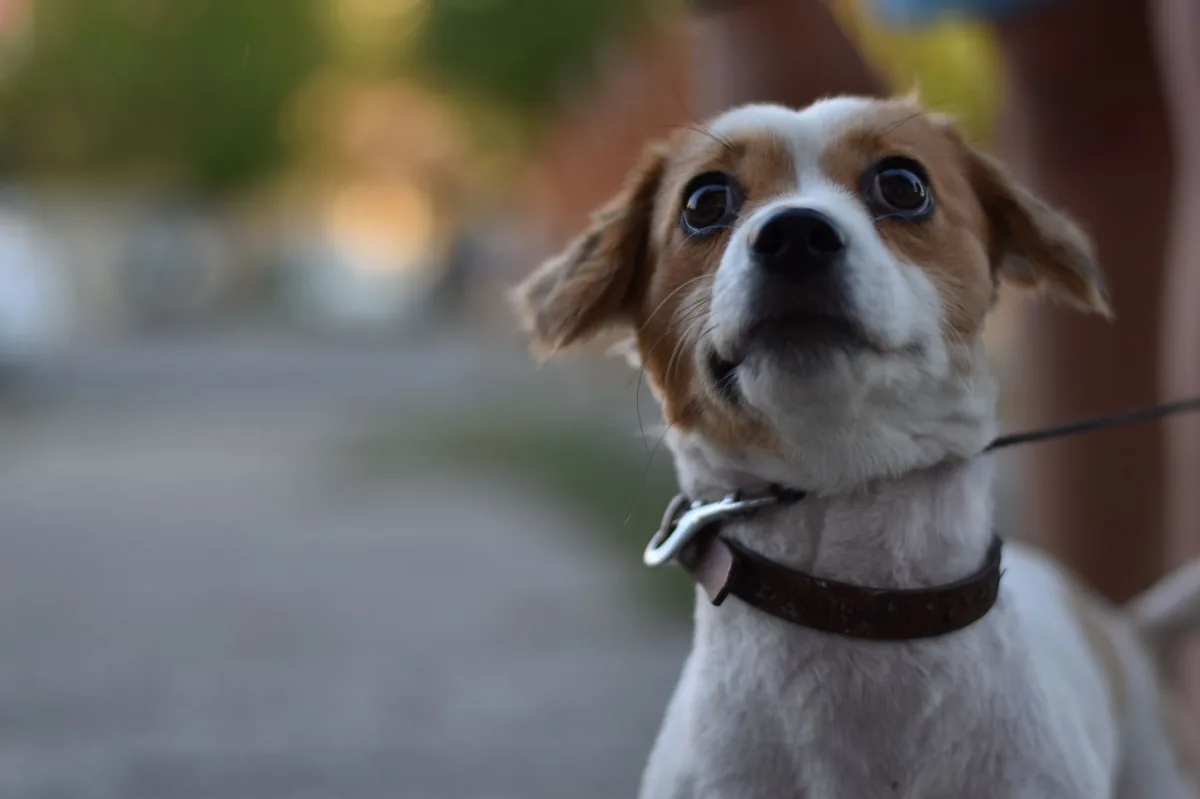
It’s 11 p.m., and you’re watching your two‑month‑old Jack Russell Terrier puppy stumble around the living‑room, his head tilted as if he’s trying to balance on a wobble board. You notice his eyes seem a little too wide and his ears flop oddly when he tilts his head. Your heart races—could this be something serious?
You’re not a vet, but you’ve Googled “hydrocephalus in dogs” and the answers are a mix of scary medical jargon and hopeful success stories. While the uncertainty is overwhelming, you’re not alone. Many owners first spot the condition when a puppy’s motor skills don’t develop as expected.
Below, we break down exactly what hydrocephalus is, how to recognize it, what your vet will do, and what life looks like after treatment. We’ll also give you cost estimates, dietary tips, and a clear plan for when to call your vet.
What is hydrocephalus in dogs?
Hydrocephalus—literally “water on the brain”—describes an abnormal accumulation of cerebrospinal fluid (CSF) within the brain’s ventricles. The fluid normally cushions the brain and carries nutrients, but when it builds up faster than it can drain, pressure rises and the delicate brain tissue can be compressed.
In dogs, hydrocephalus is most often congenital (present at birth) but can also be acquired after trauma, infection, or a tumor blocks CSF flow. The condition is relatively rare, affecting roughly 1‑2 % of all dogs, yet certain breeds—especially small, brachycephalic or toy breeds—show higher rates.
What causes hydrocephalus?
Causes fall into two main categories. The table lists the most common contributors.
| Category | Typical causes |
|---|---|
| Congenital | Genetic malformations of the ventricular system, hereditary skull‑shape abnormalities (e.g., Chiari‑like malformation in Cavalier King Charles Spaniels), or in‑utero infections. |
| Acquired | Head trauma, inflammatory diseases (e.g., meningitis), brain tumors obstructing CSF pathways, or severe hydrocephalus secondary to chronic ear infections. |
While some breeds carry a genetic predisposition, most cases result from an anatomical defect rather than a lifestyle factor. Ongoing research by the American College of Veterinary Internal Medicine (ACVIM) suggests that selective breeding to reduce skull‑shape extremes may lower congenital rates over time.
Signs and symptoms
Hydrocephalus can present subtly at first, then progress to more severe neurological signs. Early detection is key.
| Stage | Typical signs |
|---|---|
| Mild | Delayed puppy milestones, slight head tilt, unsteady gait, reduced playfulness. |
| Moderate | Frequent stumbling, difficulty climbing stairs, seizures, enlarged skull in puppies, abnormal eye movements. |
| Severe | Persistent seizures, coma, blindness, loss of bladder control, marked skull enlargement, severe behavioral changes. |
Because symptoms overlap with other neurological disorders—like brain tumors or inflammatory disease—vets rely on imaging to confirm the diagnosis.
When to call your vet
Call your vet today if you notice any of the following:
- Persistent head tilt or “wobbly” gait in a puppy or adult dog.
- Seizures, even if brief.
- Delayed growth or failure to thrive in a young dog.
- Sudden changes in behavior, such as confusion or disorientation.
Go to an emergency veterinary hospital right now if your dog shows:
- Continuous seizures lasting more than 2 minutes.
- Loss of consciousness or inability to stand.
- Severe vomiting combined with a head tilt.
These signs suggest acute increased intracranial pressure that needs immediate attention. This article is for information only and does not replace a hands‑on veterinary exam.
How vets diagnose hydrocephalus
Diagnosis begins with a thorough history and neurological exam. Your vet will assess gait, reflexes, and cranial nerve function.
Imaging is the gold standard. A magnetic resonance imaging (MRI) scan visualizes the ventricles and can differentiate hydrocephalus from tumors or inflammation. In some practices, a computed tomography (CT) scan with contrast is used when MRI isn’t available.
In rare cases, a cerebrospinal fluid (CSF) analysis is performed via a spinal tap to rule out infection or inflammatory disease. The results help guide whether medical therapy or surgery is indicated.
Treatment options
Medical treatment
Medical management aims to reduce CSF production and control symptoms. Common drug classes include:
- Diuretics such as acetazolamide (often combined with furosemide) to lower CSF production.
- Anticonvulsants like phenobarbital or levetiracetam for seizure control.
- Anti‑inflammatory steroids (e.g., prednisone) when inflammation contributes to CSF blockage.
Ask your vet about these options; dosing is individualized based on weight and severity.
Supplements and supportive care
Evidence supports certain supplements to help a dog’s brain recover after surgery or during chronic management:
- Omega‑3 fatty acids (EPA/DHA) – reduce inflammation and may improve neurological function.
- Antioxidant blends containing vitamin E and selenium – protect neuronal cells from oxidative stress.
- Probiotics – support gut health, which can influence overall immunity and drug absorption.
Supplements are adjuncts, not replacements for prescribed medication. Discuss any addition with your vet.
Procedures or surgery
The most common surgical solution is a ventriculoperitoneal (VP) shunt. A tiny tube diverts excess CSF from the ventricles to the abdominal cavity, where it is absorbed.
Shunt placement requires general anesthesia, a small skull opening, and postoperative imaging to confirm proper flow. Recovery usually involves 2–4 weeks of restricted activity, followed by regular check‑ups to monitor shunt function.
Costs vary: in the United States, typical shunt surgery ranges from $5,000 to $9,000 (including hospital stay and imaging). In the United Kingdom, owners can expect £3,500–£6,500. These are estimates; exact fees depend on clinic location, surgeon expertise, and any complications.
Diet and nutrition
Nutrition plays a supportive role in both recovery from shunt surgery and long‑term management of hydrocephalus. While no single “hydrocephalus diet” exists, you can tailor your dog’s meals to reduce inflammation, support brain health, and maintain a healthy weight.
What to feed
- Highly digestible protein from quality animal sources (chicken, turkey, fish) – helps maintain muscle mass without overloading the digestive system.
- Omega‑3 rich foods such as salmon oil or canned fish – provide EPA/DHA that cross the blood‑brain barrier and dampen neuroinflammation.
- Complex carbohydrates like sweet potato or pumpkin – supply steady energy without spiking blood sugar.
- Low‑sodium, low‑fat formulations – reduce the workload on the cardiovascular system, which indirectly supports CSF regulation.
What to limit or avoid
- High‑fat table scraps or treats that can cause rapid weight gain.
- Excessive dairy or grain‑heavy foods that may trigger gastrointestinal upset.
- Artificial preservatives and colors, which can increase oxidative stress.
If your dog is recovering from shunt surgery, aim for small, frequent meals (3–4 times daily) to avoid large post‑prandial spikes in intracranial pressure. Gradual transitions—mixing new food with the current diet over a week—help prevent digestive upset.
Prescription therapeutic diets, such as “neurological support” formulas, often contain added antioxidants, omega‑3s, and highly digestible proteins. While we won’t endorse a specific brand, your vet may recommend a diet that meets AAFCO nutrient profiles for maintenance or for “neurological health.”
Hydration is equally important. Fresh water should be available at all times, and low‑sodium broths can be offered as a tasty supplement.
For cost‑conscious owners, homemade meals can be a viable option when balanced correctly. The PuppaDogs nutrition calculator can help you ensure the right nutrient ratios.
Cost and prognosis
Financial considerations are a real part of decision‑making. Below are typical cost ranges (estimates, not guarantees):
| Item | US Estimate | UK Estimate |
|---|---|---|
| Initial veterinary exam & bloodwork | $150–$300 | £80–£150 |
| MRI scan | $1,200–$2,000 | £800–£1,500 |
| VP shunt surgery (including hospital stay) | $5,000–$9,000 | £3,500–£6,500 |
| Post‑operative medications (first 2 weeks) | $200–$400 | £120–£250 |
| Long‑term follow‑up (annual imaging) | $300–$600 per year | £200–£400 per year |
Prognosis depends on age, severity, and whether the underlying cause is treatable. Puppies diagnosed early and treated surgically often enjoy a normal lifespan and activity level. Adult dogs with acquired hydrocephalus may have a more guarded outlook, especially if the cause is irreversible (e.g., tumor).
Most dogs live a comfortable, active life after shunt placement, though a minority may require shunt revisions if blockage occurs. Quality‑of‑life assessments—like the “Canine Quality of Life Scale” from the AAHA—help owners and vets decide on ongoing care.
Prevention and home care
Because congenital hydrocephalus is largely genetic, the best preventive step is responsible breeding. Choose breeders who screen for skull‑shape abnormalities and avoid breeding dogs with a history of hydrocephalus.
For acquired cases, reduce risk by:
- Keeping your dog up to date on core vaccinations (AVMA guidelines) to prevent infectious causes of inflammation.
- Using effective flea, tick, and heartworm preventives to avoid infections that could affect the brain.
- Providing a safe environment to minimize head trauma—avoid high‑impact activities for puppies and young dogs.
At home after surgery, monitor for signs of shunt malfunction: sudden worsening of gait, new seizures, or changes in behavior. Gentle exercise, a calm environment, and regular weight checks help keep intracranial pressure stable.
Routine veterinary check‑ups every 6–12 months, plus annual imaging, are recommended to ensure the shunt remains functional. The Dog Questions Answered page offers more on follow‑up schedules.
From our vet team: “If you catch hydrocephalus early, the combination of a well‑placed shunt and diligent home care can give your dog a life as playful as any other puppy. Don’t hesitate to ask your vet about the latest imaging options and support foods that may aid recovery.”
Key takeaways
- Hydrocephalus is a buildup of brain fluid that can be congenital or acquired; early signs include head tilt, wobbly gait, and seizures.
- Confirm diagnosis with MRI or CT imaging; a VP shunt is the most common surgical cure.
- Medical management (diuretics, anticonvulsants) supports symptom control, while omega‑3 supplements may aid brain health.
- Post‑operative diet should be highly digestible, low‑fat, and rich in omega‑3s; small frequent meals help manage pressure.
- Costs range from $5,000–$9,000 for shunt surgery in the US; prognosis is good when treated early.
- Regular veterinary follow‑ups and a safe, low‑stress environment are essential for long‑term success.
Myth vs. fact
Myth: Hydrocephalus always leads to a short, painful life.
Fact: With timely surgical intervention and proper after‑care, many dogs live full, active lives for years.
Myth: Only large breeds get hydrocephalus.
Fact: Small and toy breeds (e.g., Chihuahua, Pomeranian) are actually at higher risk for congenital forms.
Myth: A special “hydrocephalus diet” can cure the condition.
Fact: Diet supports recovery and overall health but cannot replace medical or surgical treatment.
Frequently asked questions
What are the early signs of hydrocephalus in puppies?
Early signs include a delayed ability to walk or climb stairs, a persistent head tilt, and a “wobbly” gait. Some puppies also show slowed growth or mild seizures. Spotting these signs early prompts a veterinary work‑up before permanent damage occurs.
How is hydrocephalus diagnosed in dogs?
Diagnosis relies on neurological examination and imaging—most commonly an MRI, which visualizes enlarged ventricles. A CT scan or CSF analysis may be used when MRI isn’t available. These tests let the vet differentiate hydrocephalus from tumors or inflammation.
Can hydrocephalus be cured in adult dogs?
In adult dogs, “cure” usually means surgical relief of pressure via a ventriculoperitoneal shunt. While the underlying cause may remain (e.g., a tumor), shunting can dramatically improve quality of life. Medical management alone often controls symptoms but does not eliminate the fluid buildup.
Is hydrocephalus life‑threatening for small breed dogs?
Yes, if untreated it can cause severe brain damage or death. However, many small‑breed puppies respond well to shunt surgery and live normal lifespans. Prompt veterinary care is the key factor.
What is the recovery time after shunt surgery for hydrocephalus?
Most dogs need 2–4 weeks of restricted activity, followed by gradual return to normal exercise. Full neurological recovery can take several months, and regular follow‑up imaging is recommended to ensure the shunt remains functional.
What medications are used to treat hydrocephalus in dogs?
Common drugs include acetazolamide (a diuretic to reduce CSF production), phenobarbital or levetiracetam for seizure control, and steroids such as prednisone if inflammation contributes to CSF blockage. Your vet will tailor the regimen to your dog’s weight and severity.
Ask the PuppaDogs community
Have a question this article didn’t fully answer? Want to compare notes with other dog owners who’ve been through this? Our community forum is moderated by experienced owners and vets — and answers tend to come fast. Ask in the PuppaDogs community →
References
- American College of Veterinary Internal Medicine (ACVIM). “Guidelines for the Diagnosis and Management of Hydrocephalus in Dogs.” 2023.
- American Animal Hospital Association (AAHA). “Canine Neurological Disorders.” 2022.
- Merck Veterinary Manual. “Hydrocephalus in Dogs.” Updated 2024.
- American Veterinary Medical Association (AVMA). “Core Vaccination Recommendations for Dogs.” 2023.
- World Small Animal Veterinary Association (WSAVA). “Guidelines on Surgical Shunting Procedures.” 2022.
- Cornell University College of Veterinary Medicine. “Neuroimaging in Small Animals.” 2023.
- UC Davis Veterinary Medicine. “Management of Canine Hydrocephalus.” 2022.
- AAFA (American Academy of Food Animal Nutrition). “Nutritional Support for Neurological Recovery.” 2023.


