















Quick take: Lymph node inflammation (lymphadenitis) in dogs is a swelling of the glands that filter lymph fluid, usually caused by infection, inflammation, or cancer. Early signs are a firm, tender lump under the skin; prompt veterinary evaluation is essential. Treatment ranges from antibiotics to surgery, and costs vary widely. With proper care, many dogs recover fully.
It’s 11 p.m., and you’re watching your golden‑retriever, Max, curl up on the couch. He’s usually the one who greets you at the door, but tonight he’s unusually still, his ears flat, and you notice a soft, swollen bump under the skin near his shoulder blade. Your heart races as you Google “swollen lump on dog,” and the first result mentions lymph node inflammation. You wonder: Is this serious? What can you do tonight?
We know that moment feels like a flood of questions and worry. Lymphadenitis can sound intimidating, but understanding what it is, what triggers it, and how it’s managed can help you act confidently. Below, we walk through everything you need to know—from the anatomy of a dog’s lymph nodes to the costs of treatment and tips for prevention—so you can make informed decisions for Max (or any dog) right now.
What is lymph node inflammation (lymphadenitis) in dogs?
Lymph nodes are small, bean‑shaped organs scattered throughout a dog’s body, acting like checkpoints for the immune system. They filter lymph—a clear fluid that carries white blood cells—trapping bacteria, viruses, and abnormal cells. When a node becomes inflamed, it enlarges, feels firm, and may be painful. In dogs, lymphadenitis can be acute (sudden onset) or chronic (lasting weeks to months).
While exact prevalence is hard to pin down, lymphadenitis is considered an uncommon but notable cause of palpable masses in dogs, especially in middle‑aged to senior pets. The condition often signals an underlying problem that needs veterinary attention.
What causes it?
Inflammation of a lymph node can stem from several sources, broadly grouped into infectious, inflammatory, and neoplastic (cancerous) categories.
- Infectious agents: Bacterial infections (e.g., Staphylococcus, Streptococcus), fungal organisms (Blastomyces, Histoplasma), and parasites such as tick‑borne Ehrlichia or Babesia.
- Inflammatory or immune‑mediated conditions: Autoimmune diseases, hypersensitivity reactions, or chronic skin infections that drain into nearby nodes.
- Neoplastic causes: Primary cancers like lymphoma or metastasis from mast cell tumors, osteosarcoma, or other malignancies.
Other risk factors include recent wounds or bite injuries, dental disease that spreads infection, and compromised immunity (e.g., from steroids or chemotherapy).
Signs and symptoms
Because lymph nodes are located close to the skin in many areas, owners often first notice a lump. The following table outlines typical presentations from mild to severe.
| Severity | Typical signs |
|---|---|
| Mild | Small, soft swelling; dog may be slightly uncomfortable when the area is touched. |
| Moderate | Firm, tender node; reduced activity, low‑grade fever, occasional licking or chewing at the site. |
| Severe | Large, hard mass; marked pain, fever > 103 °F (39.5 °C), loss of appetite, lethargy, weight loss, or signs of systemic illness. |
Additional clues that the swelling may be linked to infection include recent tick exposure, a wound that’s been licking or oozing, or a history of skin infections. If the node feels warm and the dog shows signs of fever, the situation warrants prompt veterinary attention.
When to call your vet
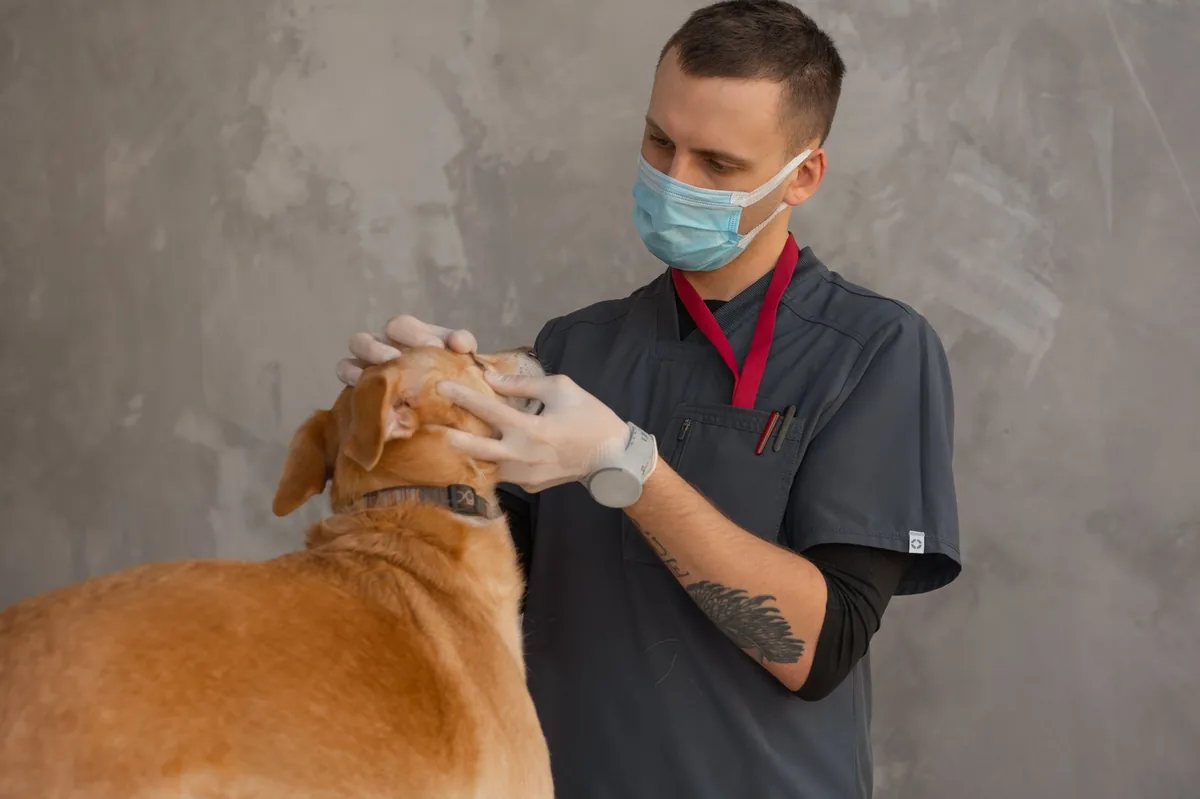
Call your vet today if you notice:
- Any new lump that’s firm, warm, or painful to the touch.
- Accompanying fever, loss of appetite, or lethargy.
- Recent tick bite, wound, or dental infection.
Go to an emergency veterinary hospital right now if you see:
- Rapid swelling that becomes markedly painful within hours.
- Signs of shock—pale gums, rapid breathing, or collapse.
- Sudden inability to walk or severe distress.
These red‑flag signs indicate that the underlying cause may be aggressive infection or cancer, and immediate care can be life‑saving. This article provides general information and is not a substitute for professional veterinary diagnosis.
How vets diagnose it
Diagnosing lymphadenitis involves a stepwise workup:
- History and physical exam: Your vet will ask about recent injuries, tick exposure, diet, and overall health, then palpate the swollen node.
- Blood work: A complete blood count (CBC) and chemistry panel can reveal infection, inflammation, or signs of cancer (e.g., abnormal white blood cell counts).
- Imaging: Radiographs (X‑rays) or ultrasound help assess the size, internal structure, and any adjacent organ involvement.
- Cytology or biopsy: Fine‑needle aspiration (FNA) collects cells for microscopic evaluation. If results are inconclusive, a core needle biopsy or surgical excision may be recommended.
- Special tests: Tick‑borne disease panels, fungal cultures, or PCR testing can pinpoint infectious agents.
The combination of these tests allows the veterinary team to differentiate between infection, inflammation, and neoplastic processes, guiding appropriate treatment.
Treatment options
Medical treatment
Most cases of infectious lymphadenitis respond to antibiotics. Commonly used broad‑spectrum agents include amoxicillin‑clavulanic acid and doxycycline; the exact drug depends on culture results and regional resistance patterns (AAHA 2023 Antimicrobial Guidelines). For fungal infections, azole antifungals such as itraconazole are typical. If an immune‑mediated cause is identified, corticosteroids or other immunosuppressants may be prescribed. Ask your vet about these options and the expected duration of therapy.
Supplements and supportive care
While supplements cannot replace antibiotics, certain nutraceuticals can aid recovery:
- Omega‑3 fatty acids (EPA/DHA): Anti‑inflammatory properties that may help reduce swelling; found in fish‑oil capsules.
- Probiotics: Support gut health, especially if antibiotics are used; look for strains like Lactobacillus acidophilus.
- Vitamin C: May bolster immune function, but high doses should be discussed with your vet.
These supplements are optional and should be introduced only after consulting your veterinarian.
Procedures or surgery
If the node is cancerous (e.g., lymphoma or mast cell tumor) or does not shrink with medical therapy, surgical removal may be advised. The procedure involves excising the affected node and sending it to a pathology lab. Recovery typically requires 1–2 weeks of limited activity, and owners can expect a cost ranging from $1,200 to $2,500 in the United States, depending on the facility and anesthesia used.

Diet and nutrition
Nutrition plays a supportive role in recovery from lymphadenitis, especially when infection or inflammation is involved. While no specific “lymph‑node diet” exists, the following guidelines help your dog heal and maintain a strong immune system.
- High‑quality protein: Lean meats (chicken, turkey, or lean beef) provide the amino acids needed for tissue repair. Aim for a digestible protein content of at least 18 % on the label (AAFCO 2022). Avoid low‑quality fillers that can exacerbate inflammation.
- Moderate fat with omega‑3: Adding fish oil or feeding a diet rich in EPA/DHA reduces systemic inflammation. If your dog tolerates it, target 0.5–1 % of the diet as omega‑3 fatty acids.
- Complex carbohydrates: Sweet potatoes, pumpkin, or brown rice supply steady energy without spiking blood glucose, which can be stressful for an inflamed immune system.
- Limited simple sugars: High‑sugar foods can promote bacterial growth and weaken immune response; keep treats low‑sugar and avoid table scraps.
- Hydration: Encourage fresh water at all times. Adding a low‑sodium broth can entice a dog that’s reluctant to drink.
If your dog is undergoing chemotherapy or long‑term steroids, a prescription diet formulated for immune‑compromised patients (often labeled “supportive care” or “immune support”) may be recommended. These diets typically contain added antioxidants, pre‑biotics, and highly digestible nutrients.
Transitioning to a new diet should be gradual—mix increasing amounts of the new food with the current diet over 7–10 days. This reduces gastrointestinal upset, which can mask or worsen underlying issues.
| Food category | Do feed | Limit | Avoid |
|---|---|---|---|
| Protein sources | Cooked chicken, turkey, lean beef | Raw meat (unless under veterinary guidance) | Processed meats with nitrates |
| Fats | Fish oil, salmon | High‑fat treats | Fried foods |
| Carbohydrates | Sweet potato, pumpkin, brown rice | White rice in large amounts | Refined grains, sugary snacks |
| Supplements | Probiotics, omega‑3 capsules | Excessive vitamins | Unapproved herbal remedies |
For owners seeking specific recommendations, our dog health calculators can help estimate daily calorie needs based on weight, age, and activity level, ensuring you’re feeding the right amount during recovery.
Cost and prognosis
The financial aspect of lymphadenitis varies with cause and treatment intensity:
- Diagnostic workup: Blood panels ($100–$250), ultrasound ($200–$400), and cytology ($150–$300) are typical in the United States. In the United Kingdom, similar workups range from £80 to £250.
- Medical treatment: A 2‑week course of antibiotics may cost $50–$150. If antifungal therapy is needed, expect $200–$500 for the full course.
- Surgical removal: As noted, $1,200–$2,500 (US) or £900–£1,800 (UK), including anesthesia and postoperative care.
- Chemotherapy for neoplastic cases: Protocols can exceed $3,000–$5,000, depending on drug choice and number of cycles.
Many dogs with infectious or inflammatory lymphadenitis have an excellent prognosis when treatment begins promptly—recovery rates exceed 80 % according to the Merck Veterinary Manual. Neoplastic causes carry a more guarded outlook; however, early detection and appropriate therapy (surgery, chemotherapy, or combined modalities) can still provide meaningful life extension and quality of life.
Prevention and home care
While you can’t prevent every lymph node issue, several daily habits lower the risk of infection and inflammation:
- Tick control: Use veterinarian‑recommended spot‑on products or oral preventives year‑round, especially in endemic areas (AAHA 2022 Tick‑Prevention Guidelines).
- Wound management: Clean any cuts or bites promptly with mild antiseptic and monitor for swelling.
- Dental hygiene: Brush your dog’s teeth several times a week or use dental chews approved by the VOHC to reduce oral bacterial load that can spread to cervical nodes.
- Regular vet check‑ups: Annual exams help catch early lymph node changes before they become problematic.
- Balanced nutrition: A diet rich in antioxidants (blueberries, carrots) supports immune health.
At home, you can gently palpate your dog’s peripheral lymph nodes (under the jaw, behind the knees, and on the chest) once a month. If a node feels firm, enlarged, or painful, note the size and date, then contact your vet. Keeping a simple log helps the veterinarian track changes over time.
From our vet team: “Seeing a swollen node can be scary, but most infections resolve with a short course of antibiotics. The key is early detection—don’t wait for your dog to become very sick. A quick vet visit, proper diagnostics, and a tailored treatment plan give your pet the best chance at a full recovery.”
Key takeaways
- Swollen, firm, or painful lymph nodes signal possible lymphadenitis and deserve prompt veterinary evaluation.
- Infections (bacterial, fungal, tick‑borne) are the most common cause; cancer is less frequent but more serious.
- Diagnosis typically includes blood work, imaging, and fine‑needle aspiration to pinpoint the cause.
- Treatment ranges from antibiotics and anti‑inflammatories to surgery or chemotherapy, depending on the underlying issue.
- Costs vary widely—basic diagnostics start around $100, while surgery can exceed $2,000; pet insurance may offset some expenses.
- Preventive measures like tick control, wound care, dental hygiene, and regular vet visits reduce the risk of lymph node inflammation.
Myth vs. fact
Myth: All swollen lymph nodes in dogs are cancerous.
Fact: Most cases are due to infection or inflammation; cancer accounts for a minority of lymph node enlargements.
Myth: Antibiotics always cure lymphadenitis.
Fact: Antibiotics are effective for bacterial causes, but fungal infections, immune‑mediated disease, or cancer require different therapies.
Myth: Home remedies can replace veterinary care.
Fact: While supportive care helps, definitive diagnosis and appropriate treatment must be guided by a veterinarian.
Frequently asked questions
What does a swollen lymph node feel like in a dog?
A swollen lymph node feels firm or rubbery under the skin and may be warm to the touch. It often causes the dog to flinch or lick the area when pressed.
Can lymphadenitis be caused by a tick bite?
Yes. Tick‑borne diseases like Ehrlichiosis or Babesiosis can trigger inflammation of nearby lymph nodes, especially if the tick transmits bacteria directly into the bloodstream.
How quickly can lymph node inflammation progress in dogs?
Progression varies; bacterial infections can cause noticeable swelling within 24–48 hours, while chronic inflammatory or neoplastic causes may develop over weeks to months.
Are antibiotics always needed for canine lymphadenitis?
No. Antibiotics are indicated when a bacterial infection is confirmed or strongly suspected. Fungal infections require antifungals, and immune‑mediated or neoplastic cases need other specific therapies.
What follow‑up tests are recommended after a lymph node biopsy?
After a biopsy, vets often repeat blood work to monitor inflammation markers, perform imaging (ultrasound or radiographs) to assess other nodes, and may schedule additional cytology if the initial sample was inconclusive.
Will my dog’s lymph nodes return to normal size after treatment?
In many cases, especially when the cause is an infection treated early, the nodes shrink back to normal within weeks. Persistent enlargement may require further evaluation to rule out chronic inflammation or cancer.
Ask the PuppaDogs community
Have a question this article didn’t fully answer? Want to compare notes with other dog owners who’ve been through this? Our community forum is moderated by experienced owners and vets — and answers tend to come fast. Ask in the PuppaDogs community →
References
- American Animal Hospital Association (AAHA) 2023 Antimicrobial Use Guidelines.
- American Veterinary Medical Association (AVMA) “Tick Prevention and Control” 2022.
- Merck Veterinary Manual, “Lymphadenitis” chapter, 2021 edition.
- World Small Animal Veterinary Association (WSAVA) “Guidelines for Diagnosis and Management of Canine Lymphoma,” 2020.
- Cornell University College of Veterinary Medicine, “Canine Lymph Node Cytology” resource.
- American College of Veterinary Internal Medicine (ACVIM) Consensus Statement on Canine Infectious Diseases, 2022.


