












Quick take: Heart medicine poisoning in dogs occurs when a dog ingests prescription cardiac drugs such as beta‑blockers, ACE inhibitors, or digoxin. Early signs include lethargy, fainting, and abnormal heart rhythm. Prompt veterinary care—often involving decontamination, antidotes, and cardiac monitoring—greatly improves the chance of recovery, though costs can range from a few hundred to several thousand dollars.
It’s 11 p.m., and you hear a soft whimper from the living‑room rug. Your golden‑retriever, Bella, is lying flat, eyes half‑closed, and you notice her gums look a pale pink instead of the usual pink‑red. You remember the bottle of atenolol you keep on the kitchen counter for your own heart condition. A wave of panic hits you as you wonder, “Did she get into my pills?” This is the moment many owners find themselves in—wide‑eyed, heart racing, and desperate for answers.
Heart medicine poisoning in dogs is a real, potentially life‑threatening emergency, but it’s also treatable when caught early. In this article we’ll explain what heart medication toxicity looks like, why it happens, how vets diagnose it, and what treatment and costs you can expect. We’ll also cover practical steps to keep your prescriptions out of paw’s reach and how to support your dog’s recovery at home.
What is heart medicine poisoning in dogs?
Heart medicine poisoning, also called cardiac drug toxicity, happens when a dog accidentally ingests medications intended for human heart conditions. These drugs affect the heart’s rhythm, blood pressure, and contractility. In dogs, the same mechanisms can cause dangerously low heart rate (bradycardia), low blood pressure (hypotension), irregular rhythms, or even heart failure.
While any dog can be exposed, the condition is relatively uncommon; most cases involve accidental ingestion of a few pills. According to the American Veterinary Medical Association (AVMA), drug toxicity accounts for about 5 % of all veterinary emergency visits, and cardiac drugs are among the top culprits for severe outcomes.
What causes it?
Heart medication poisoning usually stems from accidental access. The most frequent scenarios include:
- Leftover pills left on counters, tables, or nightstands.
- Improperly stored medication in pet‑friendly containers.
- Confusion with veterinary prescriptions (e.g., mixing human and pet meds).
- Intentionally given by an owner who believes a “human” drug might help a dog’s condition.
Below is a quick reference of the most common cardiology drugs that are toxic to dogs:
| Drug class | Typical human examples | Primary toxic effect in dogs |
|---|---|---|
| Beta‑blockers | Atenolol, Metoprolol, Propranolol | Severe bradycardia, low blood pressure |
| ACE inhibitors | Lisinopril, Enalapril, Ramipril | Hypotension, kidney dysfunction |
| Calcium‑channel blockers | Amlodipine, Diltiazem | Cardiac depression, arrhythmias |
| Digoxin (cardiac glycoside) | Lanoxin | Life‑threatening arrhythmias, vomiting |
| Diuretics | Furosemide, Hydrochlorothiazide | Electrolyte loss, dehydration |
Signs and symptoms
Symptoms can appear within minutes to several hours, depending on the drug, amount, and the dog’s size. Early signs are often vague, while later signs indicate a medical emergency.
| Stage | Typical signs |
|---|---|
| Mild | Lethargy, mild weakness, decreased appetite, slight gum pallor |
| Moderate | Vomiting, diarrhea, fainting (syncope), noticeable bradycardia, pale mucous membranes |
| Severe | Collapse, seizures, severe arrhythmias on ECG, shock, respiratory distress |
Because many of these signs overlap with other conditions (like kidney failure), a thorough history—especially a recent change in the household’s medication storage—is crucial.

When to call your vet
Call your regular vet today if you notice any of the mild to moderate signs—lethargy, vomiting, or pale gums—especially if you suspect a possible ingestion.
Go to an emergency veterinary hospital right now if your dog shows severe signs such as fainting, seizures, very slow heart rate (you can feel a faint pulse at the femoral artery), or trouble breathing. These are life‑threatening and require immediate cardiac monitoring and possible antidotes.
This article provides general information and is not a substitute for professional veterinary care.
How vets diagnose it
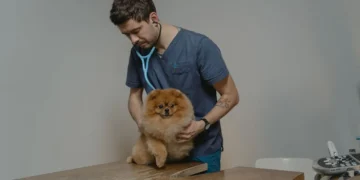
When you arrive at the clinic, the veterinarian will follow a systematic workup:
- History and physical exam: The vet will ask about the type of medication, estimated dose, and timing, and will assess heart rate, blood pressure, and mucous membrane color.
- Electrocardiogram (ECG): This test records the heart’s electrical activity and can reveal bradycardia, AV blocks, or other arrhythmias caused by the toxin.
- Blood chemistry and complete blood count (CBC): These labs evaluate kidney function, electrolytes, and look for signs of hypoxia or anemia.
- Toxicology screen: If the specific drug is unknown, the lab can test for common cardiac drugs in the blood.
- Blood pressure measurement: Low systolic pressure (<90 mm Hg) often accompanies beta‑blocker or ACE‑inhibitor overdose.
All of these pieces help the vet determine the severity and guide the treatment plan.
Treatment options
Medical treatment
Emergency care focuses on stabilizing heart rate and blood pressure while removing the toxin.
- Decontamination: If the ingestion was recent (<2 hours), activated charcoal may be administered to bind the drug in the gastrointestinal tract.
- Atropine: This medication can be used to counteract severe bradycardia caused by beta‑blockers or digoxin.
- IV fluids and vasopressors: Fluids help maintain blood pressure; drugs like dopamine or norepinephrine may be added for refractory hypotension.
- Digoxin‑specific antibody fragments (Digibind): For digoxin toxicity, this antidote neutralizes the drug. Your vet will discuss availability and cost.
- Calcium gluconate: Sometimes given for calcium‑channel blocker overdose to improve cardiac contractility.
All medications are dosed by the veterinarian based on your dog’s weight and the severity of signs—ask your vet about each option.
Supplements and supportive care
While supplements cannot reverse toxicity, they can aid recovery once the acute phase has passed:
- Omega‑3 fatty acids (EPA/DHA): Anti‑inflammatory and may support heart health during healing.
- Coenzyme Q10: Some studies suggest it helps mitochondrial function in cardiac cells; discuss with your vet.
- Probiotics: Helpful if vomiting or diarrhea has disturbed gut flora.
Only introduce supplements after the vet confirms they’re safe for your dog’s current condition.
Procedures or surgery
Most heart medication poisonings are managed medically, but severe cases may require advanced interventions:
- Temporary cardiac pacing: If the heart rate is dangerously low and unresponsive to drugs, a pacemaker can be placed for a few days.
- Hemodialysis: Rarely used for digoxin or severe ACE‑inhibitor overdose to quickly remove the drug from circulation.
These procedures are typically performed at specialty hospitals and can add several thousand dollars to the total cost.

Diet and nutrition
Nutrition does not directly treat drug toxicity, but a supportive diet can aid recovery and reduce stress on the heart.
- High‑quality, easily digestible protein: Think boiled chicken, turkey, or low‑fat cottage cheese. These foods provide essential amino acids without taxing the heart.
- Low‑sodium diet: Reducing sodium helps prevent fluid overload if the heart is weakened. Many commercial therapeutic renal diets meet this criterion and are safe for short‑term use.
- Omega‑3 enriched foods: Canned fish or kibble formulated with fish oil can support anti‑inflammatory processes.
- Avoid high‑fat or high‑carbohydrate meals: Heavy meals can increase cardiac workload during recovery.
Below is a quick guide for feeding during the recovery phase:
| Do feed | Limit | Avoid |
|---|---|---|
| Boiled skinless chicken, rice, sweet potato, low‑sodium canned food | Small amounts of low‑fat cheese | Table scraps, high‑fat treats, salty foods |
| Prescription renal or cardiac diet (if recommended) | — | Raw diets high in sodium or phosphorus unless approved by your vet |
Transition to any new food gradually over 3–5 days to avoid gastrointestinal upset. Offer smaller, more frequent meals (e.g., 4 × daily) rather than one large bowl, which eases the heart’s workload.
For a personalized feeding plan, you can use our dog nutrition calculators to adjust portions based on weight and activity level.
Cost and prognosis
Expenses vary widely based on location, severity, and required interventions. Below is a typical cost range for emergency treatment of heart medication poisoning in the United States and the United Kingdom:
| Service | US (estimate) | UK (estimate) |
|---|---|---|
| Initial exam, bloodwork, ECG | $150–$300 | £80–£150 |
| Activated charcoal & IV fluids | $100–$250 | £60–£120 |
| Specific antidote (e.g., Digibind) | $500–$1,500 | £400–£1,200 |
| Advanced monitoring (ICU stay, cardiac pacing) | $1,000–$3,000 | £800–£2,500 |
| Total typical range | $1,500–$5,000 | £1,200–£4,500 |
Prognosis depends on how quickly treatment begins and the amount ingested. Dogs treated within a few hours of ingestion often recover fully, while delayed care can lead to permanent heart damage or fatality. Your vet will discuss the specific outlook based on your dog’s response to therapy.
Prevention and home care
Keeping heart medications out of reach is the single most effective prevention strategy.
- Store meds in high, locked cabinets: Use child‑proof (and pet‑proof) containers.
- Separate human and veterinary meds: Keep them in distinct areas to avoid accidental mixing.
- Dispose of unused pills safely: Use a medication take‑back program or a sealed trash bag.
- Educate household members: Ensure everyone knows the danger and the proper storage routine.
- Regularly check your dog’s environment: Look for loose pills, chewable containers, or pill bottles left on low surfaces.
After a poisoning episode, follow up with your veterinarian for repeat blood work and ECGs to ensure the heart has returned to normal rhythm. Most dogs need a re‑check within 7–10 days, then again at 4–6 weeks.
From our vet team: “If you suspect your dog has gotten into heart medication, act fast. Even a small dose can cause serious rhythm problems, but early decontamination and cardiac monitoring can make the difference between a full recovery and a tragic outcome. Keep those pills locked away, and don’t hesitate to call your vet—your quick action is the best medicine.”
Key takeaways
- Heart medication poisoning can cause life‑threatening bradycardia and low blood pressure; early recognition saves lives.
- Common culprits include beta‑blockers, ACE inhibitors, calcium‑channel blockers, digoxin, and diuretics.
- Call your regular vet promptly for any mild signs; seek emergency care immediately for fainting, severe arrhythmias, or respiratory distress.
- Treatment involves decontamination, specific antidotes (like Digibind for digoxin), and intensive cardiac monitoring.
- Expect emergency costs to range from $1,500 to $5,000 (US) or £1,200 to £4,500 (UK), depending on needed interventions.
- Prevent accidental ingestion by storing all heart meds in high, locked cabinets and disposing of leftovers safely.
Myth vs. fact
Myth: “A tiny piece of a pill won’t harm a large dog.” Fact: Even a fraction of a beta‑blocker or digoxin tablet can cause severe cardiac depression in dogs of any size.
Myth: “If my dog looks fine after a few hours, the toxin is gone.” Fact: Some cardiac drugs have delayed effects; symptoms can appear up to 24 hours later, so veterinary monitoring is essential.
Myth: “Human heart medication is safer than veterinary medication.” Fact: Human cardiac drugs are often more potent for dogs, making them more dangerous when ingested.
Frequently asked questions
What symptoms indicate my dog has ingested heart medication?
Typical signs include lethargy, vomiting, pale gums, a slow or irregular heartbeat, fainting, and in severe cases, seizures or collapse.
Can heart medicine be fatal for dogs?
Yes. Certain cardiac drugs, especially digoxin and high‑dose beta‑blockers, can be fatal if not treated promptly, but many dogs survive with rapid veterinary care.
How quickly do symptoms appear after a dog ingests heart medication?
Symptoms can start within 30 minutes to several hours, depending on the drug and dose; some effects, like arrhythmias from digoxin, may emerge up to 24 hours later.
What is the emergency treatment for heart drug poisoning in dogs?
Emergency care typically includes activated charcoal, IV fluids, cardiac monitoring, and specific antidotes such as atropine for bradycardia or Digibind for digoxin toxicity.
How much does veterinary care cost for heart medication overdose?
Typical emergency costs range from $1,500 to $5,000 in the United States and £1,200 to £4,500 in the United Kingdom, depending on diagnostics, antidotes, and intensive care needs.
How can I prevent my dog from accessing my heart medication?
Store all medications in high, locked cabinets, keep human and veterinary drugs separate, use child‑proof containers, and dispose of unused pills safely.
Ask the PuppaDogs community
Have a question this article didn’t fully answer? Want to compare notes with other dog owners who’ve been through this? Our community forum is moderated by experienced owners and vets — and answers tend to come fast. Ask in the PuppaDogs community →
References
- American Veterinary Medical Association (AVMA). “Poisoning and Toxicology.” AVMA Guidelines, 2023.
- American Animal Hospital Association (AAHA). “Emergency and Critical Care Guidelines.” AAHA, 2022.
- Merck Veterinary Manual. “Cardiac Drug Toxicity in Dogs.” Merck, 2021.
- American College of Veterinary Internal Medicine (ACVIM). “Guidelines for the Management of Cardiac Arrhythmias.” ACVIM Consensus, 2020.
- World Small Animal Veterinary Association (WSAVA). “Veterinary Pharmacology Standards.” WSAVA, 2022.
- Cornell University College of Veterinary Medicine. “Drug Overdose in Dogs – Clinical Signs and Treatment.” Cornell Vet, 2023.
- UK Veterinary Association (UKVA). “Emergency Treatment Costs.” UKVA Report, 2022.


