

















Quick take: Heart impulse block in dogs is a type of cardiac conduction disorder that slows or stops the electrical signals that tell the heart to beat. It can range from mild, causing occasional fainting, to severe, requiring a pacemaker. Early detection, proper diagnostics, and tailored treatment give most dogs a good quality of life.
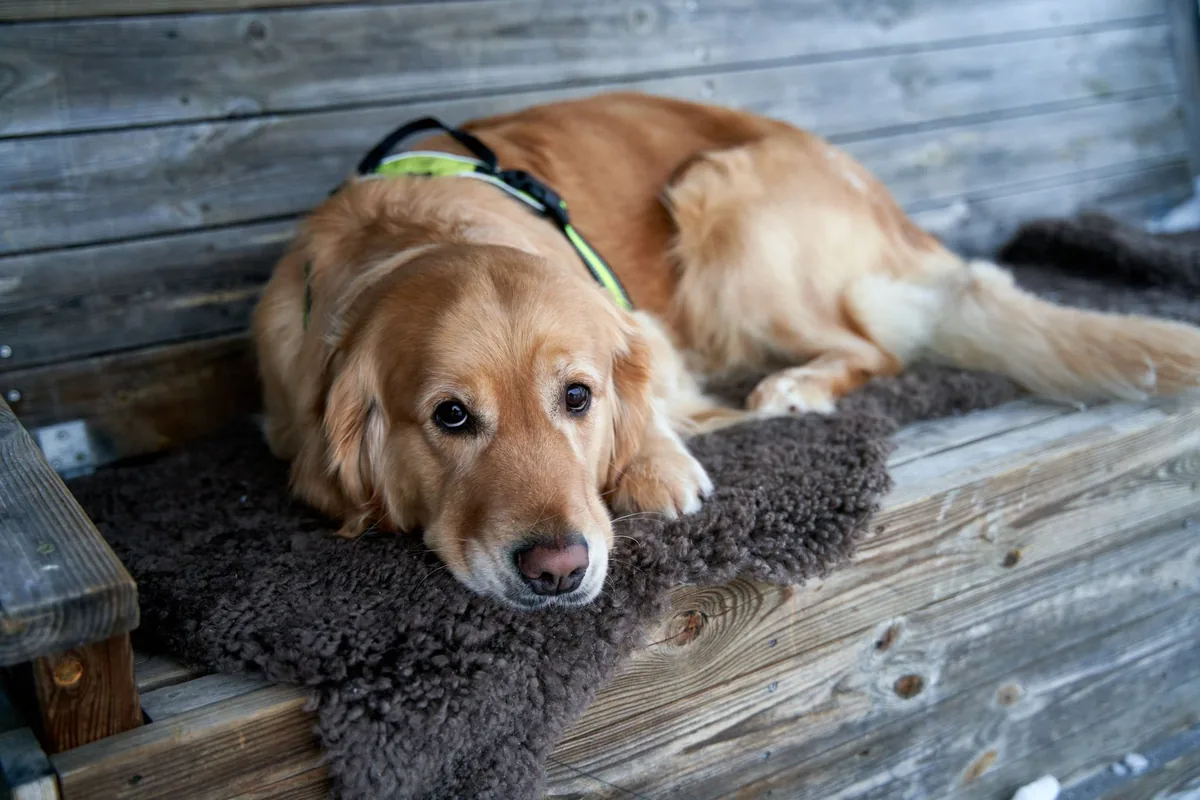
It’s 10 p.m., the house is quiet, and your senior Golden Retriever, Buddy, isn’t greeting you at the door like he usually does. Instead, he lies on his side, eyes half‑closed, and you notice his gums look a little paler than usual. Your heart skips a beat as you wonder if something’s wrong with his heart. You grab your phone, type “heart impulse block in dogs,” and start scrolling through articles while Buddy lets out a soft whine.
That uneasy feeling is exactly why we wrote this guide. Heart impulse block can be frightening, but understanding what it is, how it shows up, and what you can do about it turns anxiety into action. Below we walk through the condition, its signs, diagnosis, treatment options—including pacemaker surgery—cost considerations, and everyday steps you can take to keep your dog comfortable.
Whether you’re a first‑time pup parent or a seasoned caregiver, the information here is designed for you. We’ll also point you to trusted resources on our site, like the our‑experts page for deeper veterinary insight and the calculators tool to estimate medication dosages (always confirm with your vet).
What is heart impulse block in dogs?
Heart impulse block, also called a cardiac conduction block, occurs when the electrical impulses that travel through the heart’s specialized pathways are delayed or completely halted. In a healthy heart, signals start in the sino‑atrial (SA) node, travel to the atria, pause at the atrioventricular (AV) node, and then move through the His‑Purkinje system to make the ventricles contract. When any part of this circuit is blocked, the ventricles may beat slower than the atria, leading to a mismatch that can cause fainting, weakness, or even sudden cardiac arrest.
Veterinarians classify heart impulse block by the location and severity of the blockage:
- First‑degree (Mobitz I) block: A mild delay in signal transmission; often benign.
- Second‑degree (Mobitz II) block: Intermittent dropped beats; higher risk of progression.
- Third‑degree (complete) block: No signals reach the ventricles; the ventricles rely on a slower backup rhythm.
While any breed can develop a conduction block, it is most commonly seen in senior dogs—especially large‑breed seniors like Golden Retrievers, Labrador Retrievers, and German Shepherds—because age‑related fibrosis and degenerative changes affect the heart’s electrical tissue.
What causes heart impulse block?
The underlying mechanisms can be grouped into three main categories:
| Category | Typical Causes |
|---|---|
| Degenerative changes | Age‑related fibrosis of the AV node, chronic inflammatory cardiomyopathy |
| Structural heart disease | Dilated cardiomyopathy, hypertrophic cardiomyopathy, congenital heart defects |
| External factors | Electrolyte imbalances (hyperkalemia), certain medications (beta‑blockers, calcium channel blockers), toxins |
Genetic predisposition also plays a role. Studies from the American College of Veterinary Internal Medicine (ACVIM) note a higher prevalence of conduction abnormalities in breeds with known familial cardiomyopathies, such as Boxers and Doberman Pinschers. Chronic heart disease, myocarditis, or prior heart surgery can scar the conduction pathways, increasing the risk of a block.
Signs and symptoms
Because the heart’s rhythm is disrupted, the clinical picture can range from subtle to dramatic. Early signs are often easy to miss, while severe cases may require emergency care.
| Severity | Typical Signs |
|---|---|
| Mild | Exercise intolerance, occasional fainting (syncope) after vigorous play, slight lethargy |
| Moderate | Frequent fainting, noticeable weakness, pale gums, irregular heart rhythm felt on pulse |
| Severe | Sudden collapse, bradycardia (< 40 bpm), severe cyanosis, respiratory distress, loss of consciousness |
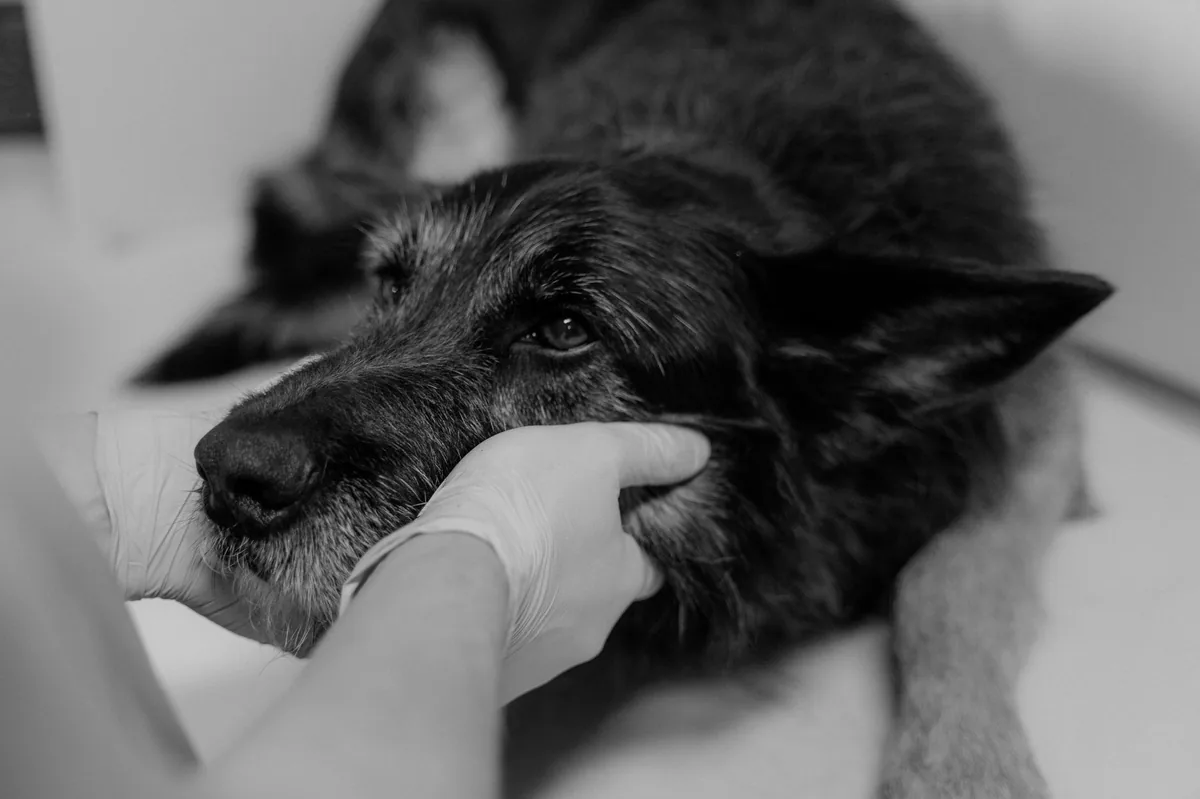
Owners often report that their dog “just doesn’t want to get up” after a short walk, or that the dog seems to “zone out” after a brief bout of excitement. In many cases, a fainting episode is the first clue that the heart’s electrical system isn’t keeping up. If you notice any of these signs, especially fainting or a very slow pulse, it’s time to act.
When to call your vet
Call your vet today (non‑emergency):
- Occasional fainting or “blackout” episodes.
- Lethargy lasting more than a few hours.
- Noticeably slow heart rate (under 80 bpm at rest).
- New onset of irregular rhythm felt on the pulse.
Go to an emergency veterinary hospital right now:
- Sudden collapse or inability to stand.
- Severe cyanosis (bluish gums or tongue).
- Very slow heart rate (< 40 bpm) with signs of shock.
- Labored breathing or obvious distress.
This article is for information only and does not replace a hands‑on veterinary exam. If you’re ever unsure, err on the side of caution and contact your vet or an emergency clinic.
How vets diagnose heart impulse block
Diagnosis starts with a careful history and physical exam. Your vet will listen for irregular heart sounds, check the pulse, and assess for signs of low cardiac output.
- Electrocardiogram (ECG): The gold‑standard test that records the heart’s electrical activity. It can pinpoint the type of block (first‑, second‑, or third‑degree) and reveal dropped beats.
- 24‑hour Holter monitor: A portable ECG that captures rhythm changes over an entire day, helping to identify intermittent blocks that a short ECG might miss.
- Blood work: CBC, chemistry panel, and electrolyte profile rule out metabolic causes (e.g., hyperkalemia) and assess organ function.
- Chest X‑ray and echocardiogram: Imaging to evaluate heart size, wall thickness, and any underlying structural disease that could be contributing to the block.
In some cases, a cardiac stress test (exercise treadmill) is performed to see how the heart responds to increased demand. The combination of these diagnostics gives your vet a complete picture of both the electrical and mechanical health of your dog’s heart.
Treatment options
Medical treatment
Medication can help manage symptoms and slow progression, especially in partial blocks. Common drug classes include:
- Beta‑blockers (e.g., atenolol): Reduce heart rate and improve ventricular filling; useful in certain second‑degree blocks.
- Positive inotropes (e.g., pimobendan): Strengthen heart muscle contraction, supporting cardiac output.
- Anti‑arrhythmic agents (e.g., quinidine, procainamide): May be used in specific arrhythmias associated with block, but require close monitoring.
- Electrolyte management: Correcting high potassium or low calcium can sometimes reverse a block caused by metabolic imbalance.
All medications should be prescribed and dosed by your veterinarian. Ask your vet about the benefits and potential side effects of each option before starting treatment.
Supplements and supportive care
While supplements cannot replace prescription drugs, they can support overall cardiac health:
- Omega‑3 fatty acids (EPA/DHA): Anti‑inflammatory and may improve heart rhythm stability.
- Coenzyme Q10: Antioxidant that supports mitochondrial function in heart cells.
- Taurine: Particularly helpful for breeds prone to taurine‑deficient dilated cardiomyopathy, which can coexist with conduction issues.
- Probiotics: Maintain gut health, which indirectly supports overall wellbeing during chronic medication regimens.
Introduce any supplement after discussing it with your vet, especially if your dog is on multiple cardiac drugs.
Procedures or surgery
When a block is severe (especially third‑degree) or symptomatic despite medical therapy, a permanent pacemaker is the most effective solution. The procedure involves implanting a tiny pulse generator under the skin (usually near the neck) and threading a lead to the heart’s ventricle.
- Pacemaker implantation: Performed under general anesthesia; most dogs recover within 7‑10 days. Post‑op monitoring includes ECG checks and wound care.
- Catheter‑based ablation: Rarely used in dogs; aims to modify abnormal pathways but is still considered experimental.
Typical cost ranges (estimates) are $5,000‑$8,000 USD for the device and surgery, plus $500‑$1,200 USD for anesthesia and hospital stay. In the UK, the total may be £3,500‑£6,000. Insurance often covers a portion, but it’s wise to verify coverage before the procedure.

Diet and nutrition
Nutrition plays a central role in managing heart impulse block, especially when a dog is on chronic medication or has concurrent heart disease. The goal is to provide easily digestible, high‑quality protein while limiting excess sodium and unhealthy fats that can strain the cardiovascular system.
Here are the core principles:
- Choose a highly digestible protein source: Chicken, turkey, or fish‑based formulas reduce the workload on the heart by providing essential amino acids without excess fat.
- Control sodium intake: Too much salt can cause fluid retention and elevate blood pressure, worsening cardiac output. Look for “low‑sodium” or “renal‑support” labels, which typically contain ≤0.2 % sodium.
- Include omega‑3 fatty acids: EPA and DHA from fish oil help dampen inflammation and may improve rhythm stability.
- Provide antioxidants: Vitamins E and C, as well as selenium, protect heart cells from oxidative stress.
- Maintain adequate calories: Dogs with heart block often lose appetite; feeding smaller, more frequent meals (3–4 times daily) can help maintain weight without overloading the digestive system.
If your dog is already on a prescription therapeutic diet—such as a “cardiac” or “renal” diet recommended by your vet—continue it unless your veterinarian suggests a transition. These diets are formulated to be low in sodium, balanced in electrolytes, and enriched with taurine and L‑carnitine, which support heart muscle metabolism.
| Food Category | Do feed | Limit | Avoid |
|---|---|---|---|
| Protein | Cooked chicken, turkey, white fish | Red meat (high fat) | Processed meats with added salts |
| Carbohydrates | Cooked sweet potato, pumpkin | White rice (excessive carbs) | High‑glycemic grains |
| Fats | Fish oil supplement (EPA/DHA) | Butter, lard | Fried foods |
| Extras | Low‑sodium kibble or wet food formulated for cardiac health | Table scraps with salt | Bone broth with added salt |
Transitioning to a new diet should be done gradually over 7‑10 days to avoid gastrointestinal upset. Start with 25 % new food mixed with 75 % old, then increase the new food proportion each few days. Keep fresh water available at all times, and monitor your dog’s weight and energy levels. If you notice a sudden drop in appetite or increased lethargy, contact your vet—these could be signs of worsening cardiac function.
For owners who prefer home‑cooked meals, the Dog Questions Answered guide offers a balanced recipe calculator that ensures essential nutrients are met without excess sodium.
Cost and prognosis
Financial considerations are real, and planning ahead can reduce stress if a diagnosis is made.
- Diagnostic work‑up: ECG ($150‑$250 USD), Holter monitor ($300‑$600 USD), blood panel ($100‑$200 USD), echocardiogram ($400‑$800 USD). Combined, a full evaluation often totals $1,000‑$2,000 USD.
- Medical management: Monthly medication costs range from $30‑$150 USD depending on the drugs used.
- Pacemaker implantation: Device and surgery $5,000‑$8,000 USD (US) or £3,500‑£6,000 (UK). Follow‑up visits and battery replacement (every 5‑7 years) add $500‑$1,000 USD each.
Prognosis varies with the type of block and treatment. Dogs with a complete third‑degree block that receive a pacemaker have a reported survival rate of 70‑80 % beyond three years, according to the American College of Veterinary Internal Medicine. Those managed medically alone may have a more guarded outlook, especially if underlying cardiomyopathy is present.
Quality of life is often excellent after successful pacemaker placement—most owners report a return to normal activity levels within weeks. Regular check‑ups every 6‑12 months are essential to monitor device function and adjust medications.
Prevention and home care
While you can’t prevent age‑related fibrosis entirely, several everyday habits can reduce the risk of developing a heart impulse block or lessen its impact:
- Routine cardiac screening: Senior dogs should have an ECG and echocardiogram at least annually, especially breeds prone to heart disease.
- Weight management: Maintaining an ideal body condition index (BCI) reduces cardiac workload. Use a calibrated food bowl and limit treats.
- Exercise moderation: Short, frequent walks keep the heart fit without overexertion. Avoid high‑intensity activities that could trigger an arrhythmia.
- Electrolyte balance: Ensure fresh water is always available. If your dog has kidney disease, work with your vet to keep potassium within a safe range.
- Medication adherence: Missed doses can precipitate a sudden block. Set reminders or use a pill organizer.
- Environmental safety: Keep your dog away from toxic plants and chemicals that could affect heart rhythm (e.g., certain rodenticides).
Finally, keep a log of any fainting episodes, activity changes, or medication side effects. This record helps your veterinarian adjust treatment promptly and provides a clear picture of disease progression.
From our vet team: “If your dog is diagnosed with a heart impulse block, the most important thing is early, consistent monitoring. Even a subtle change in gait or appetite can signal that the heart needs a medication tweak or that a pacemaker evaluation is overdue. Don’t wait for a dramatic collapse—bring your concerns to the vet the moment you notice a pattern.”
Key takeaways
- Heart impulse block is a conduction disorder that can range from mild to life‑threatening; early detection saves lives.
- Typical signs include fainting, lethargy, and a slower pulse; check your dog’s pulse if you suspect a problem.
- Diagnosis relies on ECG, Holter monitoring, and imaging; a full work‑up usually costs $1,000‑$2,000 USD.
- Medical therapy may control symptoms, but a permanent pacemaker is often needed for complete (third‑degree) blocks.
- Low‑sodium, high‑quality protein diets with omega‑3 supplementation support cardiac health and aid recovery.
- Regular veterinary check‑ups, weight control, and modest exercise are the best preventive strategies.
Myth vs. fact
Myth: Heart impulse block always requires surgery.
Fact: Some dogs respond to medication and lifestyle changes, especially in early‑stage blocks; surgery is reserved for severe or refractory cases.
Myth: All dogs with a pacemaker will live forever.
Fact: A pacemaker greatly improves quality of life and can extend survival, but underlying heart disease still influences overall prognosis.
Myth: Low‑sodium diets are only for dogs with kidney disease.
Fact: Reducing sodium benefits any dog with cardiac issues, including those with impulse block, by preventing fluid overload.
Frequently asked questions
What causes heart impulse block in dogs?
Heart impulse block is caused by degeneration of the heart’s electrical pathways, structural heart disease, electrolyte imbalances, or certain medications. Age‑related fibrosis is the most common cause in senior dogs.
Can a dog survive without a pacemaker for heart impulse block?
Dogs with mild or intermittent blocks may live for years with careful medical management, but those with complete (third‑degree) block usually need a pacemaker to maintain adequate heart rate and avoid sudden collapse.
How do I know if my dog has heart impulse block?
The quickest clue is a noticeably slow pulse (under 80 bpm) or fainting after activity. A definitive diagnosis requires an ECG or Holter monitor performed by a veterinarian.
What is the success rate of pacemaker surgery in dogs?
Current data from the American College of Veterinary Internal Medicine indicate a 70‑80 % survival rate beyond three years after implantation, with most dogs returning to normal activity levels within weeks.
Are certain breeds more likely to develop heart impulse block?
Large‑breed seniors such as Golden Retrievers, Labrador Retrievers, German Shepherds, Boxers, and Doberman Pinschers have a higher predisposition, often linked to age‑related cardiac fibrosis.
What lifestyle changes help manage heart impulse block?
Maintain a low‑sodium diet, keep your dog at a healthy weight, provide short frequent walks, monitor for fainting episodes, and schedule regular cardiac check‑ups.
Ask the PuppaDogs community
Have a question this article didn’t fully answer? Want to compare notes with other dog owners who’ve been through this? Our community forum is moderated by experienced owners and vets — and answers tend to come fast. Ask in the PuppaDogs community →
References
- American College of Veterinary Internal Medicine (ACVIM). “Guidelines for the Diagnosis and Treatment of Cardiac Conduction Disorders in Dogs,” 2023.
- American Animal Hospital Association (AAHA). “Cardiology Guidelines for Small Animals,” 2022.
- Merck Veterinary Manual. “Heart Block, Cardiac Conduction Disorders,” accessed July 2024.
- Veterinary Cardiology Society. “Pacemaker Implantation in Dogs: Indications and Outcomes,” 2021.
- American Veterinary Medical Association (AVMA). “Low‑Sodium Diets for Dogs with Cardiac Disease,” 2023.
- Cornell University College of Veterinary Medicine. “Electrocardiography in the Canine Patient,” 2022.
- World Small Animal Veterinary Association (WSAVA). “Nutritional Management of Cardiac Disease,” 2020.
- International Veterinary Pharmacology Handbook. “Common Cardiac Medications in Dogs,” 2021.
