














Quick take: Sporotrichosis is a fungal infection of the skin that dogs pick up from contaminated soil or plant material. It causes ulcerated, crusty lesions that can spread if untreated, but with proper antifungal therapy most dogs recover fully in weeks to a few months.
It’s 10 p.m., and you’ve just noticed a small, raised bump on your golden retriever’s foreleg that looks a bit like a scab. The spot isn’t healing, and a faint, reddish ring is forming around it. You scroll through vague web results, feeling a knot of worry tighten. You’re not alone—many owners first spot sporotrichosis as a mysterious skin sore that refuses to improve.
Our vet team knows how unsettling a fungal skin infection can feel, especially when you wonder if it could affect the whole family. The good news is that sporotrichosis is treatable, and early detection makes the road to recovery smoother. Below we break down what this disease is, how you’ll recognize it, what the vet does to confirm the diagnosis, and exactly what you can expect in terms of treatment, cost, and prevention.
What is fungal disease (sporotrichosis) of the skin in dogs?
Sporotrichosis is caused by Sporothrix schenckii (or the closely related Sporothrix globosa)—a dimorphic fungus that lives in soil, decaying vegetation, and wood mulch. When a dog’s skin is punctured by a thorn, splinter, or even a small abrasion, the fungus can infiltrate the tissue and cause a localized infection that often spreads along lymphatic channels.
While sporotrichosis is relatively uncommon in dogs, it appears more often in warm, humid climates and in dogs that spend a lot of time outdoors digging or roaming in wooded areas. According to the American Veterinary Medical Association (AVMA), the disease accounts for less than 2 % of all canine skin infections, but the numbers rise in regions with high humidity and abundant organic debris.
What causes it?
The fungus itself isn’t aggressive; it needs a portal of entry. The most frequent risk factors include:
- Outdoor activity in gardens, forests, or compost piles where the fungus thrives.
- Skin breaks—tiny cuts, thorn pricks, or surgical wound sites.
- Young, immunocompromised, or older dogs whose immune systems are less able to contain the fungus.
Breeds that are often reported in case studies—such as Labrador Retrievers, Golden Retrievers, and mixed‑breed dogs that love to explore—may appear more often simply because they spend more time outdoors, not because of a genetic predisposition.
Signs and symptoms
Early signs are often subtle, which is why owners sometimes mistake them for minor injuries or allergies. Look for:
| Stage | Typical findings |
|---|---|
| Mild | Small, raised nodule or papule; may be pink or slightly ulcerated; usually painless. |
| Moderate | Ulcerated lesion with a crusty scab; reddish halo; occasional drainage; mild itching. |
| Severe | Multiple lesions along a limb or trunk; deep ulceration; pus or serous discharge; swelling of regional lymph nodes; fever, lethargy, or loss of appetite. |
Because sporotrichosis can mimic other skin problems, a few clues help differentiate it from ringworm or allergic dermatitis:
- Ringworm usually produces circular, hair‑less patches with a distinct border, while sporotrichosis lesions are more nodular and may follow lymphatic lines.
- Allergic rash often involves widespread itching and redness, not a single ulcerated nodule.
Most dogs with sporotrichosis are otherwise healthy; however, systemic signs such as fever, weight loss, or joint pain indicate the infection may have spread beyond the skin.
When to call your vet
Call your vet today if you notice any of the following:
- A persistent nodule or ulcer that doesn’t improve within a week.
- Redness, swelling, or discharge from a skin sore.
- Loss of appetite, mild fever, or a change in energy level.
Go to an emergency veterinary hospital right now if you see any sign of severe infection, such as:
- Rapidly spreading lesions with extensive necrosis.
- Very high fever (> 103 °F/39.5 °C) or collapse.
- Signs of sepsis—vomiting, diarrhea, or extreme lethargy.
This article is for informational purposes only and does not replace a hands‑on veterinary exam.
How vets diagnose it
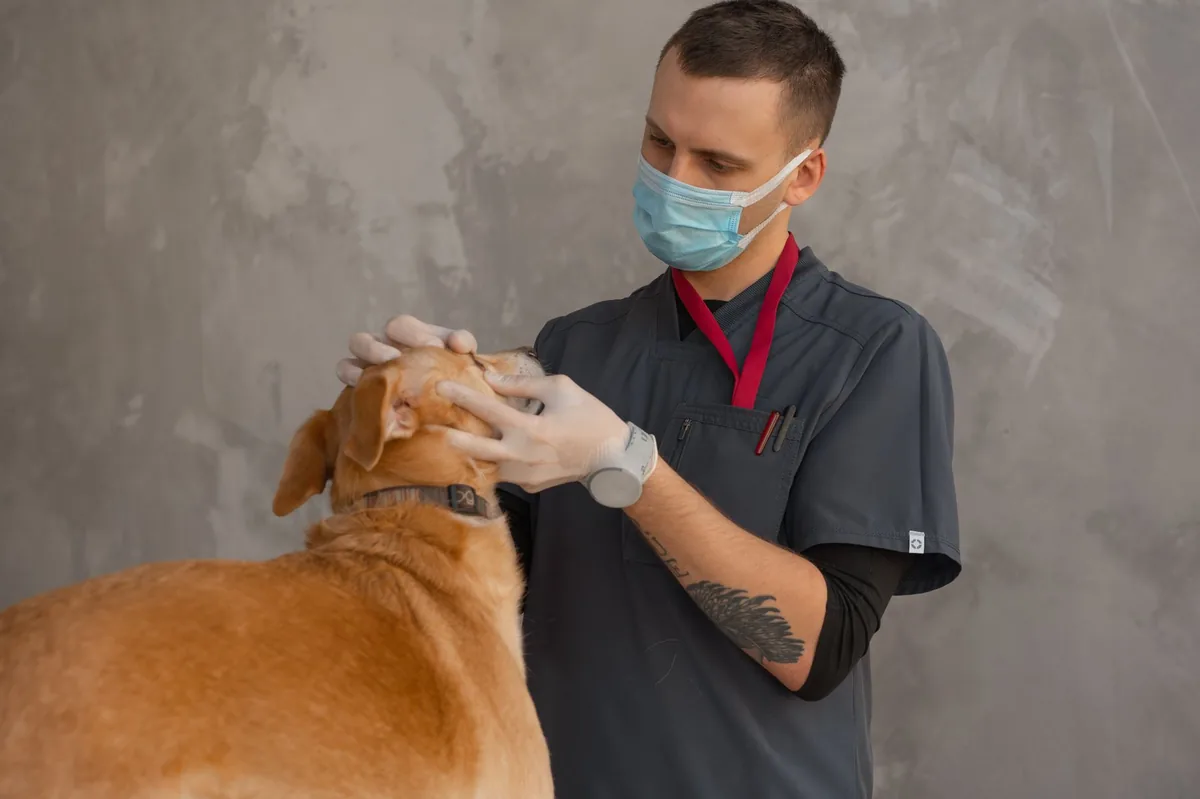
Diagnosis starts with a thorough history: where the dog spends time, recent injuries, and any similar cases in the household. The physical exam focuses on lesion morphology and the presence of enlarged lymph nodes.
Key diagnostic tools include:
- Fungal culture: A small sample from the lesion is placed on specialized media. Sporothrix grows as a characteristic mold at 25 °C and converts to a yeast form at body temperature.
- Histopathology (biopsy): Tissue sections stained with special dyes reveal fungal hyphae within granulomatous inflammation.
- Polymerase chain reaction (PCR): Detects fungal DNA quickly and can differentiate Sporothrix from other fungi.
- Cytology: Fine‑needle aspirates of nearby lymph nodes may show yeast‑like cells.
These tests are usually performed at a veterinary diagnostic lab, and results typically return within 1–2 weeks. In the meantime, your vet may start empirical antifungal therapy if the clinical picture strongly suggests sporotrichosis.
Treatment options
Medical treatment
The cornerstone of therapy is systemic antifungal medication. The most commonly recommended agents, based on the American College of Veterinary Internal Medicine (ACVIM) guidelines, are:
- Itraconazole – a triazole that concentrates in skin tissue; often the first‑line drug.
- Terbinafine – an allylamine that works well for dogs that cannot tolerate itraconazole.
- Posaconazole – used for refractory cases or when other drugs cause adverse reactions.
All of these are prescription‑only, and dosing is weight‑based. Your vet will tailor the regimen, usually for a minimum of 6–12 weeks, and will monitor liver enzymes regularly because azole drugs can affect liver function.
In severe or disseminated disease, a combination of two antifungals (e.g., itraconazole + terbinafine) may be prescribed to improve efficacy. Always ask your vet about potential side effects such as loss of appetite, vomiting, or changes in liver values.
Supplements and supportive care
While supplements cannot replace antifungal drugs, they can aid recovery:
- Omega‑3 fatty acids (EPA/DHA): Reduce inflammation and support skin health. A daily fish‑oil supplement (e.g., 100 mg EPA/DHA per 10 lb of body weight) is safe for most dogs.
- Probiotics: Help maintain gut flora, especially if the dog is on a long‑term oral medication.
- Vitamin B complex: May improve appetite and energy during treatment.
These adjuncts should be discussed with your vet to avoid interactions with antifungal therapy.
Procedures or surgery
Most sporotrichosis cases resolve with medication alone. Surgery is rarely needed, but in a few situations a veterinarian may debride (clean out) an ulcerated lesion to promote faster healing or to obtain a better tissue sample for culture. Recovery from a minor surgical excision is typically 1–2 weeks, and the cost is modest compared with prolonged drug therapy.
Diet and nutrition
Nutrition plays a supportive role in healing skin lesions and bolstering the immune system. While there is no “cure‑by‑diet” for sporotrichosis, feeding a balanced, highly digestible diet helps the body allocate resources toward fighting infection.
What to feed
- High‑quality protein sources (chicken, turkey, or fish) that are easy to digest.
- Omega‑3 enriched kibble or added fish oil for anti‑inflammatory benefits.
- Limited‑ingredient formulas if your dog has a concurrent food allergy that could worsen skin irritation.
What to limit or avoid
- Excessive fat or highly processed treats that can strain the liver, especially while on antifungal meds.
- Raw bone or highly mineral‑rich foods that may increase the workload on the kidneys.
- Ingredients known to trigger allergies (e.g., beef, dairy, wheat) if you suspect a secondary allergic component.
Transitioning to a new diet should be gradual—mix the new food with the current diet over 7–10 days to avoid gastrointestinal upset. During treatment, feed smaller, more frequent meals (2–3 times daily) to maintain steady energy and to reduce nausea that some antifungals can cause.
| Do feed | Limit | Avoid |
|---|---|---|
| Cooked lean protein, omega‑3 enriched kibble, low‑glycemic carbs (sweet potato, pumpkin) | High‑fat treats, large amounts of raw bone | Highly processed junk food, dairy if intolerant, wheat/gluten if allergic |
If your dog is a picky eater, warm the food slightly or add a splash of low‑sodium broth to improve palatability. Always discuss any diet change with your vet, especially if you’re considering a therapeutic prescription diet such as a “renally supportive” formula, which can be useful if the infection has affected kidney function.
Cost and prognosis
Financial considerations are an important part of planning treatment. Below are typical cost ranges for the United States and the United Kingdom; your local rates may vary, and many pet insurance policies cover a portion of antifungal therapy.
| Expense | US estimate | UK estimate |
|---|---|---|
| Initial veterinary exam & diagnostics (culture, biopsy, PCR) | $150–$300 | £120–£250 |
| Systemic antifungal medication (6–12 weeks) | $200–$600 | £150–£450 |
| Follow‑up visits & blood work (2–4 visits) | $100–$250 | £80–£200 |
| Potential surgical debridement (if needed) | $300–$800 | £250–£650 |
Overall, most dogs have an excellent prognosis when treatment starts early. Clinical improvement is usually seen within 2–4 weeks, but the full course of therapy may be 8–12 weeks to prevent relapse. A small percentage of cases—especially those with deep tissue or disseminated infection—can be life‑threatening, but these are rare and often involve immune‑compromised animals.
Prevention and home care
Preventing sporotrichosis is largely about minimizing exposure to the fungus and keeping skin wounds clean:
- Trim vegetation: Keep your yard free of dense mulch, rotting wood, and thorny bushes where the fungus thrives.
- Protect paws: Use booties or wipe paws after walks in wooded areas, especially after rain.
- Inspect injuries promptly: Clean any cut or puncture with mild antiseptic and monitor for swelling or discharge.
- Regular vet checks: Annual wellness exams can catch early skin changes before they progress.
For dogs with a history of sporotrichosis, your vet may recommend a short course of a topical antifungal (e.g., miconazole cream) after any skin trauma to reduce the risk of re‑infection. Maintaining a balanced diet and a healthy weight also supports a robust immune response.
From our vet team: The key to a smooth recovery is consistency—give the full course of antifungal medication, keep the lesion clean, and follow up on lab work. Even if the sore looks better after a week, stopping treatment early can let the fungus hide and cause a relapse. If you’re ever unsure, a quick call to your clinic can keep both you and your dog on the right track.
Key takeaways
- Sporotrichosis is a soil‑borne fungal infection that creates ulcerated skin lesions, often after a thorn or cut.
- Early signs include a small nodule or crusty sore; severe disease can spread along lymph nodes and cause fever.
- Veterinary diagnosis relies on culture, biopsy, or PCR; treatment is a 6–12 week course of systemic antifungals such as itraconazole.
- Supportive nutrition—high‑quality protein, omega‑3 fatty acids, and limited‑ingredient diets—helps the immune system heal.
- Cost varies, but most owners spend between $450–$1,200 in the U.S.; many pet‑insurance plans cover part of the expense.
- Prevent future infections by keeping your yard clean, protecting paws, and promptly caring for any skin wounds.
Myth vs. fact
Myth: Sporotrichosis is the same as ringworm.
Fact: Ringworm is a dermatophyte fungus that creates circular, hair‑less patches, while sporotrichosis is caused by Sporothrix and typically forms nodular, ulcerated lesions that follow lymphatic pathways.
Myth: Home remedies like garlic or tea tree oil will cure the infection.
Fact: While some topical agents may soothe the skin, they cannot eradicate the deep fungal infection; prescription antifungal medication is required for cure.
Myth: If the sore looks better after a few days, treatment can stop.
Fact: Sporotrichosis often improves quickly, but stopping medication early can lead to relapse or chronic infection.
Frequently asked questions
What does sporotrichosis look like on a dog’s skin?
The lesions start as small, raised nodules that may ulcerate and develop a crusty scab, often with a reddish halo and occasional drainage. They can follow the line of a lymph node, creating a chain of sores along a limb.
How can I tell if my dog has a fungal infection or an allergic rash?
Fungal infections like sporotrichosis usually present as localized ulcerated nodules, whereas allergic rashes are typically widespread, itchy, and involve hair loss. A vet can differentiate them with a skin scrape, culture, or biopsy.
Is sporotrichosis contagious to other pets or people?
Yes—sporotrichosis can be transmitted to humans (often called “rose gardener’s disease”) and other animals through direct contact with infected tissue or contaminated soil. Good hygiene and protective gloves are essential when handling an infected dog.
What tests does a vet run to confirm sporotrichosis?
Veterinarians typically collect a tissue sample for fungal culture, perform a biopsy for histopathology, and may use PCR to detect fungal DNA. Blood work is also done to monitor liver function before and during antifungal therapy.
What are the side effects of antifungal treatment for dogs?
Common side effects include decreased appetite, vomiting, and occasional liver enzyme elevations. Your vet will schedule periodic blood tests to catch any issues early and may adjust the medication if problems arise.
Can I prevent sporotrichosis by keeping my dog’s environment clean?
Keeping yards free of decaying wood, mulch, and dense vegetation reduces exposure. Regularly cleaning any cuts, using paw wipes after walks in wooded areas, and maintaining a balanced diet all help lower the risk.
Ask the PuppaDogs community
Have a question this article didn’t fully answer? Want to compare notes with other dog owners who’ve been through this? Our community forum is moderated by experienced owners and vets — and answers tend to come fast. Ask in the PuppaDogs community →
References
- American College of Veterinary Internal Medicine (ACVIM). “Guidelines for the Treatment of Fungal Infections in Dogs.” 2022.
- American Veterinary Medical Association (AVMA). “Sporotrichosis in Dogs.” 2021.
- Merck Veterinary Manual. “Sporotrichosis (Rose Gardener’s Disease).” 12th edition, 2023.
- World Small Animal Veterinary Association (WSAVA). “Fungal Skin Infections: Diagnostic Approach.” 2020.
- Veterinary Partner (Cornell University). “Antifungal Drugs in Small Animals.” 2022.
- American Animal Hospital Association (AAHA). “Standards for Veterinary Care.” 2023.
- UK Veterinary Association. “Guidelines on Management of Sporotrichosis.” 2022.


