












Quick take: English Bulldogs are a lovable, stocky breed with a unique shape that makes them prone to specific health challenges—including breathing, skin, and joint issues. Regular vet check‑ups, a balanced low‑calorie diet, and gentle exercise go a long way toward keeping them comfortable and happy.
It’s 9 p.m., you’re scrolling through your phone while your English Bulldog, “Murray,” snuggles on the couch. He’s usually eager for a quick walk, but tonight he’s breathing a little harder than usual and his skin folds look redder. Your heart races as you wonder whether this is just a normal “bully” quirk or something that needs a vet’s attention. You’re not alone—many Bulldog owners face the same mix of affection and worry.
In the next few minutes, we’ll walk through what makes Bulldogs distinct, the health problems they most often face, and how you can prevent or manage them. We’ll cover vaccination basics, dental care, nutrition tips, safe exercise routines, cost expectations, and the signals that mean it’s time to call your vet right away.
By the end of this guide you’ll have a clear checklist for everyday care and a roadmap for handling the breed’s common medical concerns, so you can focus on the snuggles rather than the stress.
What is Bulldog (English Bulldog)?
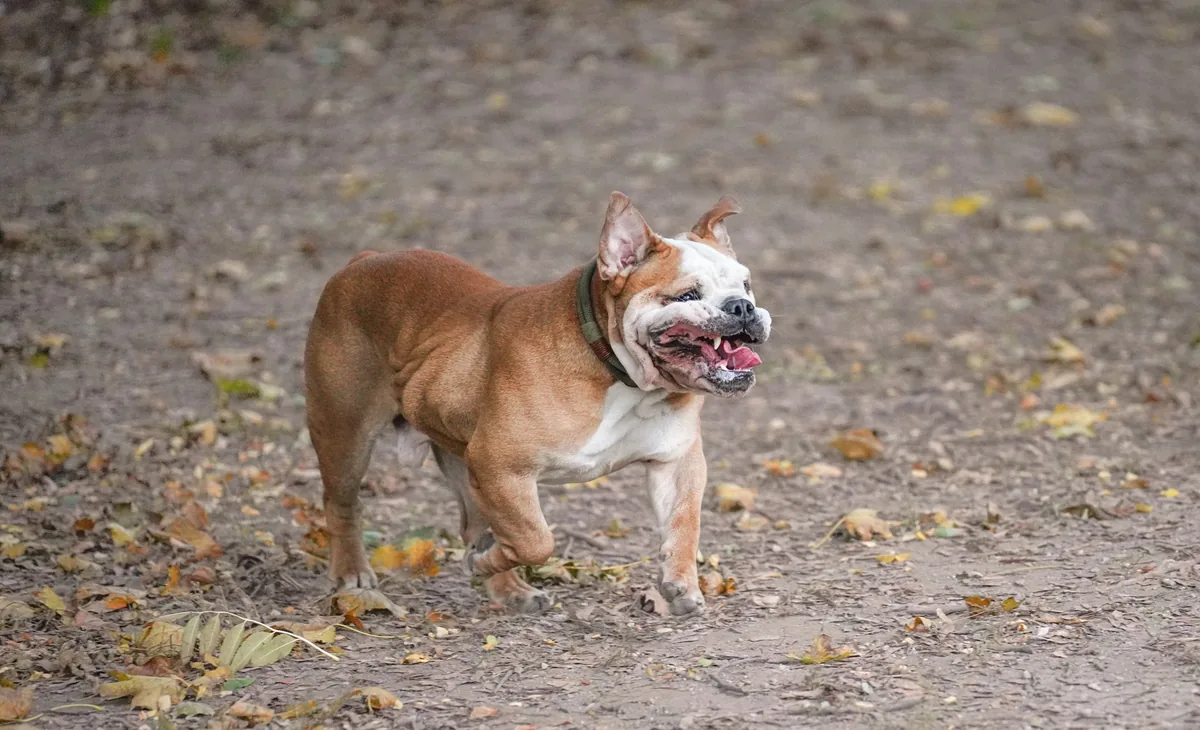
The English Bulldog is a medium‑size, muscular dog with a short, wrinkled face, broad chest, and a signature “screw‑tail.” Despite their tough appearance, they are gentle, low‑energy companions that thrive on human interaction. The breed originated in the United Kingdom in the 19th century, originally bred for bull‑baiting, and was later refined into the companion dog we know today.
Because of selective breeding for a flat face (brachycephaly), a stocky body, and a heavy‑set frame, Bulldogs carry a set of anatomical quirks that predispose them to a handful of health issues. The American Kennel Club (AKC) estimates there are about 2 million Bulldogs worldwide, making them one of the most popular brachycephalic breeds.
What causes it?
The underlying causes of the breed’s health vulnerabilities fall into three main categories: genetics, anatomy, and lifestyle.
| Category | Key Factors |
|---|---|
| Genetics | Selective breeding for a flattened skull, short muzzle, and heavy build; inherited predisposition to hip dysplasia, elbow dysplasia, and hereditary skin fold dermatitis. |
| Anatomy | Brachycephalic airway syndrome (shortened airway, elongated soft palate), narrow nostrils (stenotic nares), skin folds that trap moisture, and a compact skeletal frame that stresses joints. |
| Lifestyle | Over‑feeding, lack of regular exercise, exposure to heat, and poor dental hygiene exacerbate the genetic and anatomical risks. |
Understanding these factors helps you target prevention: keep the weight down, protect against heat, and stay on top of routine veterinary care.
Signs and symptoms
Bulldogs often show a pattern of early, subtle signs that can quickly progress if ignored. Below is a three‑tier overview of the most common health problems and what they look like.
| Severity | Condition | Typical Signs |
|---|---|---|
| Mild | Skin fold dermatitis | Redness, odor, or a greasy feel in the neck and facial folds. |
| Moderate | Brachycephalic airway syndrome (BAS) | Snorting, frequent open‑mouth breathing, coughing after exercise, or difficulty climbing stairs. |
| Severe | Hip dysplasia / elbow dysplasia | Reluctance to jump, limping, stiff gait, or obvious pain when moving. |
| Severe | Obesity‑related complications | Excessive weight gain, breathing difficulty, heat intolerance, or worsening joint pain. |
| Severe | Dental disease | Bad breath, swollen gums, loss of appetite, or visible tartar buildup. |
Because Bulldogs can mask pain, any change in energy level, appetite, or breathing pattern deserves a closer look.

When to call your vet
Call your vet today if you notice any of the following:
- Persistent open‑mouth breathing or wheezing.
- Red, moist, or foul‑smelling skin folds that don’t improve with cleaning.
- Sudden limping, stiffness, or reluctance to get up.
- Visible weight gain of more than 5 % body weight over a month.
- Changes in appetite, vomiting, or diarrhea lasting more than 24 hours.
Go to an emergency veterinary clinic now if you see any of these urgent signs:
- Difficulty breathing (gasping, bluish gums, or collapse).
- Severe swelling or a hot, painful joint that locks the leg.
- Uncontrolled bleeding from a wound or a ruptured skin fold infection.
- Sudden collapse, seizures, or inability to stand.
These guidelines are for informational purposes only. Always trust your own judgment and your vet’s advice over any online source.
How vets diagnose it
When you bring your Bulldog in, the veterinarian will typically follow a step‑by‑step workup:
- History & physical exam: The vet asks about diet, activity, recent weight changes, and any observed symptoms. A thorough exam checks the airway, skin folds, joints, and dental health.
- Radiographs (X‑rays): Front‑leg and hip images reveal dysplasia, arthritis, or other skeletal abnormalities.
- Blood work: A complete blood count (CBC) and chemistry panel assess organ function and look for signs of infection.
- Airway evaluation: In severe BAS cases, a fluoroscopy or endoscopic exam may be recommended to visualize the soft palate and nostrils.
- Skin cytology or culture: If dermatitis is suspected, a sample can identify bacterial or yeast overgrowth.
These tests give a clear picture of the Bulldog’s overall health and help the vet tailor a treatment plan.
Treatment options
Medical treatment
Most Bulldog health issues are managed with medication and lifestyle changes. Common drug classes include:
- Anti‑inflammatory NSAIDs (e.g., carprofen, meloxicam) for joint pain and arthritis.
- Antibiotics such as amoxicillin‑clavulanate for skin fold infections.
- Corticosteroids (e.g., prednisone) for severe inflammation or immune‑mediated skin disease.
- Bronchodilators (e.g., theophylline) in some cases of chronic airway obstruction.
All prescriptions should be discussed with your vet—dosage is always weight‑based and may need adjustment as your Bulldog’s condition changes.
Supplements and supportive care
Evidence‑based supplements can complement medical therapy:
- Omega‑3 fatty acids (EPA/DHA): Help reduce joint inflammation and support skin health. Look for a high‑quality fish‑oil supplement formulated for dogs.
- Glucosamine & chondroitin: May improve joint mobility in mild to moderate osteoarthritis, especially when paired with NSAIDs.
- Probiotics: Support gut health, which can be important after antibiotic courses for skin infections.
- Vitamin E and zinc: Beneficial for skin integrity, but only under veterinary guidance.
Procedures or surgery
When medical management isn’t enough, surgical options may be considered:
- Soft palate trimming or widening of nostrils (stenotic nares surgery): Alleviates severe BAS and improves airflow. Recovery is usually 2‑3 weeks, and costs range from $2,000–$4,000 USD.
- Total hip replacement (THR) or femoral head excision: For end‑stage hip dysplasia. THR can cost $8,000–$12,000 USD, while femoral head excision is $4,000–$6,000 USD.
- Skin fold removal (partial fold excision): Reduces chronic dermatitis risk. Outpatient procedure, typically $800–$1,500 USD.
Diet and nutrition
Bulldogs have a slower metabolism and a tendency to gain weight quickly, so diet is a cornerstone of preventive care. Below is a practical feeding guide.
| Goal | Recommendations |
|---|---|
| Maintain healthy weight | Choose a high‑protein, low‑fat kibble (≈ 22 % protein, ≤ 12 % fat). Aim for 20–30 calories per pound of ideal body weight per day. Use a body‑condition calculator to fine‑tune portions. |
| Joint support | Look for formulas that include glucosamine, chondroitin, and omega‑3s. Prescription joint diets (e.g., “renal‑joint” blends) are optional but can be useful for diagnosed osteoarthritis. |
| Skin health | Supply essential fatty acids (EPA/DHA) either through the kibble or a separate supplement. Avoid excessive grain‑free diets that may lack balanced nutrients. |
| Hydration | Bulldogs often drink less than they need. Provide fresh water in a shallow bowl; consider a pet water fountain to encourage sipping. |
Foods to favor include lean meats (chicken, turkey), cooked sweet potatoes, and limited‑fat cottage cheese. These provide high‑quality protein without excess calories.
Foods to limit or avoid are high‑fat treats, table scraps, and heavy cheese. Even “dog‑safe” fruits like bananas should be given sparingly because of sugar content.
When transitioning to a new diet, do it gradually over 7–10 days: mix 25 % new food with 75 % old, then increase the new portion each few days. This helps prevent gastrointestinal upset, which Bulldogs are prone to.
For Bulldogs with diagnosed joint disease, a therapeutic “joint‑support” diet (often labeled “senior” or “arthritic”) can be beneficial. These diets typically have added glucosamine, chondroitin, and omega‑3s, and they are formulated to be lower in calories to aid weight control.
Cost and prognosis
Routine care for an English Bulldog typically includes annual exams, vaccinations, dental cleanings, and heartworm testing. Below are average cost ranges (USD) for the United States; UK figures are shown in pounds where they differ.
| Service | US Estimate | UK Estimate |
|---|---|---|
| Annual wellness exam | $70–$120 | £45–£80 |
| Vaccinations (DHPP, rabies) | $15–$30 per shot | £10–£20 per shot |
| Dental cleaning (under anesthesia) | $300–$600 | £250–£500 |
| Hip dysplasia surgery (THR) | $8,000–$12,000 | £6,500–£9,500 |
| Soft palate trimming | $2,000–$4,000 | £1,600–£3,200 |
| Skin fold infection treatment | $150–$350 (antibiotics + cleaning) | £120–£280 |
Prognosis varies by condition. With proper weight management and regular veterinary care, most Bulldogs live 8–10 years. Hip dysplasia, severe BAS, or chronic skin infections can shorten lifespan if left untreated, but early intervention often leads to a good quality of life.
Prevention and home care
Daily habits can dramatically reduce the risk of common Bulldog ailments:
- Weight monitoring: Weigh your dog every 2–4 weeks. Use a body‑condition scoring chart (available on the Dog Questions page) to spot early overweight trends.
- Cool environment: Bulldogs struggle to regulate temperature. Keep indoor temperatures below 75 °F (23 °C), provide a cooling mat in summer, and avoid walks during the hottest part of the day.
- Skin fold care: Gently clean folds with a damp cloth or pet‑safe wipes daily. Pat dry and apply a thin layer of a veterinarian‑approved barrier cream if the skin looks moist.
- Dental hygiene: Brush teeth 2–3 times per week with a dog‑specific toothbrush and toothpaste. Dental chews can supplement brushing but don’t replace it.
- Exercise routine: Short, frequent walks (10–15 minutes) twice daily keep joints moving without over‑breathing. Indoor play (gentle fetch with a soft toy) is safe on cooler days.
- Routine screenings: Annual blood work, hip and elbow X‑rays (especially for breeding dogs), and airway evaluations for older Bulldogs.
Keeping a log of meals, weight, and activity helps you and your vet spot trends early. Our health calculators can estimate daily calorie needs and track progress over time.
From our vet team: The biggest gift you can give a Bulldog is consistency—steady feeding, regular vet visits, and a cool, calm environment keep many of the breed’s “bully” health issues at bay. When you notice a small change, trust your instinct and call the clinic; early care is often the difference between a quick fix and a chronic problem.
Key takeaways
- Bulldogs’ brachycephalic shape makes them prone to breathing, skin, and joint problems; proactive care is essential.
- Maintain an ideal weight (20 calories per pound of ideal body weight) to protect joints and reduce airway strain.
- Clean skin folds daily, brush teeth regularly, and keep indoor temperatures moderate to prevent infections and heat stress.
- Schedule annual wellness exams, vaccinations, and dental cleanings; consider hip and airway screenings as your dog ages.
- Watch for early signs—snorting, red folds, limping, or sudden weight gain—and call your vet promptly.
- When surgery is needed (e.g., soft palate trimming or hip replacement), costs can be high, but many Bulldogs regain a comfortable, active life with proper postoperative care.
Myth vs. fact
Myth: Bulldogs don’t need much exercise because they’re “lazy.”
Fact: They need short, regular walks and gentle play to keep joints supple and prevent obesity, but high‑intensity activity should be avoided.
Myth: All Bulldogs will develop breathing problems no matter what.
Fact: While brachycephalic airway syndrome is common, weight control, cool environments, and early airway surgery can greatly improve quality of life.
Myth: Skin folds are just a cosmetic trait and don’t need care.
Fact: Moist folds are a breeding ground for bacterial and yeast infections; daily cleaning and occasional veterinary‑approved creams are essential.
Frequently asked questions
How much does an English Bulldog vet visit usually cost?
Typical annual wellness exams range from $70 to $120 in the U.S., plus $15–$30 per vaccination. Dental cleanings add $300–$600, while major surgeries can exceed $8,000.
Why do English Bulldogs have breathing problems?
Bulldogs have brachycephalic airway syndrome, which includes a short nose, narrowed nostrils, and an elongated soft palate that restrict airflow. Excess weight and heat exacerbate the issue.
What are the signs of skin fold dermatitis in Bulldogs?
Red, moist, or foul‑smelling folds—especially around the neck, chin, and ears—are early signs. The skin may become raw or develop scabs if the infection progresses.
How often should I take my English Bulldog to the vet?
At least once a year for a comprehensive exam, vaccinations, and dental cleaning. Senior Bulldogs (7 years+) benefit from bi‑annual check‑ups and joint screenings.
Can English Bulldogs live a long, healthy life?
With diligent weight management, regular veterinary care, and attention to breathing and skin health, many Bulldogs enjoy 8–10 years of companionship.
What vaccinations are essential for an English Bulldog?
Core vaccines include DHPP (distemper, hepatitis, parvovirus, parainfluenza) and rabies. Non‑core vaccines such as Bordetella (kennel cough) and leptospirosis are recommended based on lifestyle and regional risk.
Ask the PuppaDogs community
Have a question this article didn’t fully answer? Want to compare notes with other dog owners who’ve been through this? Our community forum is moderated by experienced owners and vets — and answers tend to come fast. Ask in the PuppaDogs community →
References
- American Kennel Club (AKC). “English Bulldog Breed Standard.”
- American Animal Hospital Association (AAHA). “Brachycephalic Airway Syndrome Guidelines,” 2023.
- American Veterinary Medical Association (AVMA). “Obesity in Dogs: Prevention and Management,” 2022.
- Merck Veterinary Manual. “Canine Hip Dysplasia.”
- World Small Animal Veterinary Association (WSAVA). “Skin Fold Dermatitis in Dogs,” 2021.
- Veterinary Orthopedic Society. “Total Hip Replacement in Small Dogs,” 2020.
- University of California, Davis School of Veterinary Medicine. “Nutrition for Small Breeds.”
- American College of Veterinary Internal Medicine (ACVIM). “Respiratory Disorders in Brachycephalic Breeds,” 2022.
- National Institute of Allergy and Infectious Diseases. “Canine Heartworm Disease Overview,” 2023.
- British Veterinary Association (BVA). “Vaccination Guidelines for Companion Animals,” 2022.


