











Quick take: Ataxia in dogs is a loss of coordinated movement caused by problems in the brain, inner ear, or spinal cord. It can be mild or severe, and while some cases improve with treatment, others may indicate a serious underlying disease that needs prompt veterinary care.
It’s 9 p.m., and you’ve just noticed your usually spry Boxer stumbling toward the kitchen, tail wobbling, and pausing as if trying to find its footing. Your heart races, and you start Googling “dog can’t walk straight.” The worry is real—your pup’s balance has taken a hit, and you’re not sure how urgent it is.
Ataxia can feel overwhelming because the word itself sounds technical, but you’re not alone. Many owners first spot the wobble during a walk, a play session, or when a puppy tries to climb stairs. The good news is that a thorough vet exam can pinpoint the cause, and there are several ways to manage or even improve the condition.
In this guide we’ll explain what ataxia is, why it happens, what signs to watch for, how vets diagnose it, and what treatment, diet, and home‑care options are available. We’ll also cover costs, prognosis, and steps you can take to prevent future episodes.
What is ataxia in dogs?
Ataxia is a neurologic symptom that means “lack of coordination.” In dogs it shows up as an unsteady gait, wobbling, or a drifting head. The problem can stem from three main areas:
- Cerebellar ataxia: The cerebellum, a brain region that fine‑tunes movement, is affected. Dogs may have a wide-based stance, overshoot steps, or have a “drunken” gait.
- Vestibular ataxia: The vestibular system (inner ear and associated brain pathways) controls balance. Signs include a head tilt, rapid eye movements (nystagmus), and a tendency to fall to one side.
- Spinal (or proprioceptive) ataxia: Damage to the spinal cord or peripheral nerves disrupts the sense of limb position, leading to stumbling and dragging of paws.
According to the American College of Veterinary Internal Medicine (ACVIM), ataxia accounts for roughly 10‑15% of all neurologic cases seen in general practice, affecting dogs of any age but most commonly puppies (genetic forms) and senior dogs (degenerative or vascular causes).
What causes it?
Underlying causes fall into three broad categories: genetic, acquired (trauma, infection, toxins), and metabolic or age‑related. Below is a quick reference.
| Category | Common Causes |
|---|---|
| Genetic | Inherited cerebellar ataxia (e.g., in Jack Russell Terriers, Beagles, and Miniature Schnauzers); hereditary vestibular disease in certain breeds. |
| Acquired | Head trauma, spinal injury, otitis media, canine distemper, rabies, tick‑borne diseases (Ehrlichiosis, Lyme), toxin exposure (lead, thallium), neoplasia. |
| Metabolic / Age‑related | Vitamin E deficiency, hypoglycemia in puppies, hepatic encephalopathy, age‑related cerebellar degeneration, vestibular disease of aging (“old‑dog vestibular syndrome”). |
Risk factors include purebred status for known inherited forms, outdoor exposure to ticks or toxic plants, and prior head or neck injuries. Even a seemingly minor fall from a couch can trigger spinal ataxia in a senior dog.
Signs and symptoms
Owners may notice a range of behaviors, from subtle wobble to full collapse. The progression often follows a pattern:
| Severity | Typical Signs |
|---|---|
| Mild | Unsteady gait on uneven surfaces, occasional stumbling, slight head sway. |
| Moderate | Consistent wide‑based stance, frequent falls, head tilt, nystagmus (fast eye movement), dragging of one or more paws. |
| Severe | Inability to stand, repeated falls, loss of consciousness, vomiting, severe nausea, or seizures (if the underlying cause is CNS infection or tumor). |
Other red‑flag signs include sudden onset (suggesting trauma or stroke), loss of appetite, vomiting, or changes in behavior such as increased anxiety or aggression.
When to call your vet
Call your vet today if you notice any of the following:
- Persistent wobble or head tilt lasting more than 24 hours.
- Falls or dragging of paws, even if your dog can still stand.
- Vomiting, loss of appetite, or changes in behavior.
- Any sign of pain (whining, reluctance to be touched).
Go to an emergency veterinary hospital right now if you see:
- Sudden collapse or inability to stand.
- Seizures, severe vomiting, or signs of a stroke (one‑sided weakness).
- Bleeding from the ears or nose, or a head injury with swelling.
This article is for informational purposes only and does not replace a hands‑on veterinary exam. If you’re ever in doubt, call your vet or an emergency clinic.
How vets diagnose ataxia
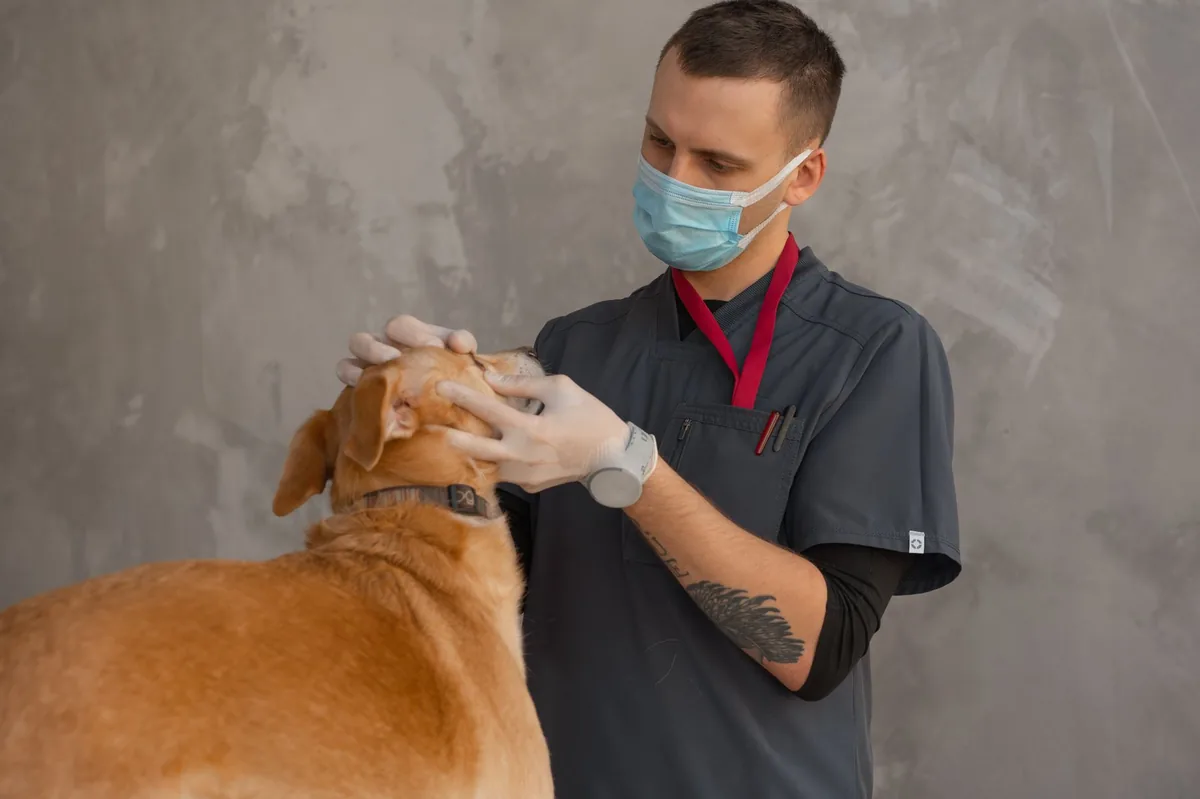
Diagnosis starts with a detailed history (onset, progression, recent injuries, diet) and a thorough neurologic exam. The vet will assess:
- Gait and posture (wide‑based vs. narrow‑based).
- Head position and eye movements (checking for nystagmus).
- Reflexes and proprioception (ability to feel limb placement).
Imaging such as MRI or CT scans helps visualize brain, inner ear, and spinal cord structures. In many cases, a CT scan of the head is enough to rule out tumors or skull fractures, while an MRI provides detailed views of the cerebellum and vestibular apparatus.
Laboratory tests may include a complete blood count, chemistry panel, urinalysis, and specific infectious disease titers (e.g., for Ehrlichia, Lyme). Cerebrospinal fluid (CSF) analysis can detect inflammation or infection, especially when an infectious cause is suspected.
Treatment options
Medical treatment
Therapy targets the underlying cause whenever possible. Common drug classes include:
- Anti‑inflammatory steroids (e.g., prednisone) to reduce immune‑mediated inflammation.
- Antibiotics or antiparasitics for bacterial infections or tick‑borne diseases such as Ehrlichia (e.g., doxycycline).
- Antiemetics like maropitant to control nausea that often accompanies vestibular disease.
- Neuroprotective agents such as cyclosporine for immune‑mediated cerebellar ataxia.
All medications should be discussed with your vet, who will dose based on your dog’s weight and specific diagnosis. Ask your vet about these options to see which fits your dog’s situation.
Supplements and supportive care
Evidence‑based supplements can aid recovery, especially when the cause is inflammatory or degenerative:
- Omega‑3 fatty acids (EPA/DHA) – help reduce neuroinflammation and support nerve health.
- Vitamin E – an antioxidant that may benefit dogs with cerebellar degeneration; only give if a deficiency is documented.
- Probiotics – maintain gut health, which can affect overall neurologic function.
Supplements are not a cure, but they can complement the primary treatment plan. Always ask your vet before adding any new product.
Procedures or surgery
When a structural problem such as a spinal tumor, intervertebral disc extrusion, or severe inner‑ear infection is identified, surgery may be recommended. Typical procedures include:
- Decompressive spinal surgery (laminectomy) – recovery can take 4‑6 weeks, with physiotherapy essential for regaining coordination.
- Middle ear bulla removal – used for chronic otitis media causing vestibular ataxia; hospital stay is usually 1‑2 days.
Costs vary widely; see the “Cost and prognosis” section for typical ranges.
Diet and nutrition
While no single diet can cure ataxia, proper nutrition supports nerve function, reduces inflammation, and helps maintain body weight—critical for dogs that may be less active.
Key principles:
- Highly digestible protein – provides essential amino acids for muscle maintenance without overloading the liver.
- Balanced omega‑3 fatty acids – from fish oil or algae sources, which help dampen neuroinflammation.
- Moderate sodium – especially for dogs with vestibular disease that may have inner‑ear fluid imbalance.
- Antioxidant‑rich foods – such as blueberries or pumpkin, can support overall brain health.
Prescription therapeutic diets are not always necessary, but if your dog has a concurrent condition (e.g., kidney disease, hepatic encephalopathy) a specially formulated diet may be recommended by your vet.
| Do feed | Limit | Avoid |
|---|---|---|
| Lean boiled chicken, turkey, or low‑fat fish; cooked sweet potatoes; pumpkin puree; low‑sodium kibble or wet food. | High‑fat treats, excessive cheese, table scraps with butter or oil. | Raw bones (risk of splintering), high‑salt snacks, overly processed foods with artificial additives. |
Transition any new diet gradually over 5‑7 days to prevent gastrointestinal upset—mix a small amount of the new food with the current diet, then increase the proportion daily. Offer small, frequent meals (3‑4 times a day) if your dog is struggling to eat a full bowl at once.
Hydration is also vital. Keep fresh water available, and consider adding a splash of low‑sodium broth to the food if your pup is reluctant to drink.
Cost and prognosis
Financial considerations vary by cause and treatment intensity. Rough estimates (as of 2024) are:
- Diagnostic work‑up: Blood panel $150‑$300, MRI $1,200‑$2,500, CT $800‑$1,500, CSF analysis $200‑$400.
- Medical management: Anti‑inflammatories and antibiotics $100‑$400 per month.
- Surgery (if needed): Spinal decompression $3,000‑$5,000; middle‑ear surgery $2,000‑$3,500.
- Rehabilitation (physical therapy, hydrotherapy): $50‑$150 per session, often 6‑12 sessions.
Insurance can offset many of these costs, especially if you have a comprehensive pet health plan that includes neurologic coverage. Check your policy’s neurologic limits and pre‑existing condition clauses.
Prognosis depends on the underlying cause, age, and speed of treatment. Dogs with acute vestibular disease often recover fully within a few weeks. Genetic cerebellar ataxia is progressive, but supportive care can maintain quality of life for years. Surgical cases have variable outcomes; a successful spinal decompression can return a dog to near‑normal mobility in 70‑80% of cases (AAHA, 2023).
Prevention and home care
While you can’t prevent genetic forms, many risk factors are modifiable:
- Keep your dog on a tick‑preventive regimen year‑round (learn more about tick control).
- Avoid exposure to toxic plants, heavy metals, or unsafe household chemicals.
- Use a well‑fitted harness instead of a collar for dogs prone to neck injuries.
- Maintain a healthy weight to reduce stress on the spine.
- Schedule regular wellness exams; early neurologic screening can catch subtle changes before they worsen.
At home, help your dog regain confidence with gentle, low‑impact exercises: short leash walks on carpeted floors, balance boards, or assisted stepping with a sturdy ramp. Physical therapy clinics often teach owners specific “rehab” moves that can be practiced daily.
From our vet team: “If your dog’s wobble is new, treat it like any sudden health change—get a vet exam quickly. Even if the cause turns out to be a benign vestibular episode, early intervention speeds recovery and eases your anxiety.”
Key takeaways
- Ataxia is a loss of coordination that can stem from the brain, inner ear, or spinal cord.
- Watch for wobbling, head tilt, and difficulty standing; call your vet promptly if symptoms persist or worsen.
- Diagnostic work‑up often includes blood work, imaging (MRI/CT), and sometimes CSF analysis.
- Treatment ranges from medications and supplements to surgery and rehabilitation, tailored to the underlying cause.
- Balanced, omega‑3‑rich nutrition and regular low‑impact exercise support recovery and overall neurologic health.
- Costs can vary widely; consider pet insurance and discuss a detailed estimate with your vet before starting treatment.
Myth vs. fact
Myth: All ataxia in dogs is fatal.
Fact: Many cases, especially acute vestibular disease, resolve fully with supportive care; only some underlying conditions are life‑threatening.
Myth: Ataxia is always inherited.
Fact: While certain breeds have genetic predispositions, trauma, infection, toxins, and metabolic disorders are common causes.
Myth: Dogs with ataxia can’t exercise.
Fact: Controlled, low‑impact rehab exercises improve coordination and muscle strength, and are often part of the treatment plan.
Frequently asked questions
What are the early signs of ataxia in dogs?
Early signs include a subtle wobble on uneven surfaces, a slight head tilt, and occasional stumbling. These may be most noticeable when your dog walks on carpet or climbs stairs.
Can ataxia be cured in dogs?
Some forms, like acute vestibular disease, often resolve on their own within weeks. Other causes, such as genetic cerebellar ataxia, are progressive and managed rather than cured. Prompt diagnosis and targeted therapy improve outcomes.
How is ataxia diagnosed by veterinarians?
Vets perform a neurologic exam, then use blood tests, imaging (MRI or CT), and sometimes cerebrospinal fluid analysis to pinpoint the lesion’s location and cause.
Is ataxia in dogs hereditary?
Yes, certain breeds (e.g., Beagles, Jack Russell Terriers, Miniature Schnauzers) have inherited forms of cerebellar ataxia. Genetic testing is available for some breeds, and responsible breeding can reduce incidence.
What is the difference between cerebellar and vestibular ataxia?
Cerebellar ataxia originates in the brain’s cerebellum and often causes a wide‑based gait and overshooting movements. Vestibular ataxia involves the inner ear or vestibular nuclei, leading to head tilt, nystagmus, and a tendency to fall to one side.
How much does treatment for ataxia cost?
Costs range from $250 for basic blood work to $5,000+ for advanced imaging and surgery. Monthly medication may add $100‑$400. Insurance and payment plans can help manage expenses (see our cost guide).
Ask the PuppaDogs community
Have a question this article didn’t fully answer? Want to compare notes with other dog owners who’ve been through this? Our community forum is moderated by experienced owners and vets — and answers tend to come fast. Ask in the PuppaDogs community →
References
- American College of Veterinary Internal Medicine (ACVIM). “Neurologic Examination of the Dog.” 2023.
- American Animal Hospital Association (AAHA). “Guidelines for Neurologic Imaging in Small Animals.” 2023.
- Merck Veterinary Manual. “Ataxia, Cerebellar and Vestibular.” 2022 edition.
- Cornell University College of Veterinary Medicine. “Canine Vestibular Disease.” 2024.
- American Veterinary Medical Association (AVMA). “Pet Insurance and Neurologic Coverage.” 2023.
- World Small Animal Veterinary Association (WSAVA). “Nutritional Recommendations for Neurologic Disorders.” 2022.
- UK Kennel Club. “Breed Predispositions to Neurologic Disorders.” 2023.
- Veterinary Clinics of North America: Small Animal Practice. “Rehabilitation Strategies for Dogs with Ataxia.” 2021.


