





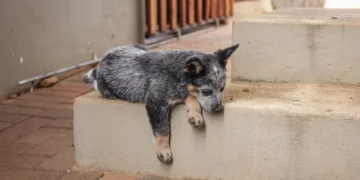


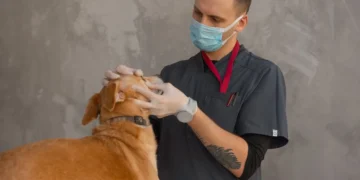






Quick take: Atlantoaxial instability (AAI) in dogs is a spinal condition where the first two neck vertebrae slip or move excessively, often causing pain, neck weakness, and sometimes paralysis. Small, young breeds are most at risk, and early diagnosis plus appropriate treatment—typically surgery—offers the best chance for a good quality of life.
It’s 11 p.m., and you notice your 9‑month‑old French Bulldog, Milo, is unusually reluctant to lift his head for a quick cuddle. His neck seems stiff, and when you gently press his throat, he flinches. You’re scrolling through vet forums, heart racing, wondering if this could be something serious.
We’ve all been there—late‑night Googling that spirals into a maze of medical jargon. The good news is that atlantoaxial instability (AAI) is a recognizable condition, and with prompt veterinary care most dogs can recover well enough to chase balls again. In this guide we’ll explain what AAI is, why it happens, the signs to watch for, how vets confirm the diagnosis, treatment options, costs, nutrition, and how you can help prevent it in the future.
Read on for a step‑by‑step roadmap, from the first wobble in the neck to the day your dog returns to normal play. We’ll also point you to trusted resources like our community health forum and the cost calculator for budgeting.
What is Atlantoaxial Instability in Dogs?
Atlantoaxial instability (AAI) is a disorder of the upper cervical spine where the atlas (C1) and axis (C2) vertebrae do not stay properly aligned. In simple terms, the first two bones in the neck become “loose,” allowing abnormal movement that can compress the spinal cord.
AAI is most common in small breeds—particularly Yorkshire Terriers, Chihuahuas, Poodles, and other toy‑type dogs—but it can affect any dog. According to the American College of Veterinary Internal Medicine (ACVIM), roughly 1–2 % of young small‑breed dogs develop some form of cervical spinal instability.
What causes it?
There are three main categories of causes for atlantoaxial instability.
| Category | Typical Cause | Notes |
|---|---|---|
| Congenital | Developmental malformation of the C1‑C2 joint | Most common; includes absent or malformed dens (odontoid process) |
| Traumatic | Neck injury from a fall, car accident, or rough play | May trigger instability in a dog with a pre‑existing weak joint |
| Degenerative/Acquired | Age‑related wear, inflammatory disease, or neoplasia | Rare in young dogs but seen in older breeds with arthritis |
Genetic factors play a big role; certain lines of Yorkshire Terriers have a higher incidence, which is why breeders often screen for the condition using radiographs before breeding.
Signs and symptoms
Early signs of AAI are often subtle, making it easy to miss until the problem worsens.
| Severity | Typical Signs |
|---|---|
| Mild | Reluctance to jump, neck stiffness, intermittent wobbling, reduced enthusiasm for walks |
| Moderate | Persistent neck pain, noticeable head tilt, difficulty eating or drinking, occasional tremors in the forelimbs |
| Severe | Sudden paralysis of all four legs (tetraplegia), loss of bladder control, severe pain, unsteady gait |
Because the spinal cord runs through the neck, any compression can quickly progress from pain to weakness to paralysis. The hallmark is a “wobbly” gait or inability to lift the head without support.
When to call your vet
Call your regular vet today if you notice any of the following:
- Persistent neck pain or stiffness lasting more than 24 hours
- Head tilt, wobbling gait, or reluctance to move the neck
- Sudden weakness in the front legs, even if mild
Go to an emergency veterinary hospital right now if you see:
- Complete inability to walk on any limb (tetraplegia)
- Severe, unrelenting pain (dog whines, cries, or cannot find a comfortable position)
- Loss of bladder or bowel control
These signs indicate spinal cord compression that needs urgent care to prevent permanent damage.
This article is for informational purposes only and does not replace a professional veterinary examination.
How vets diagnose Atlantoaxial Instability
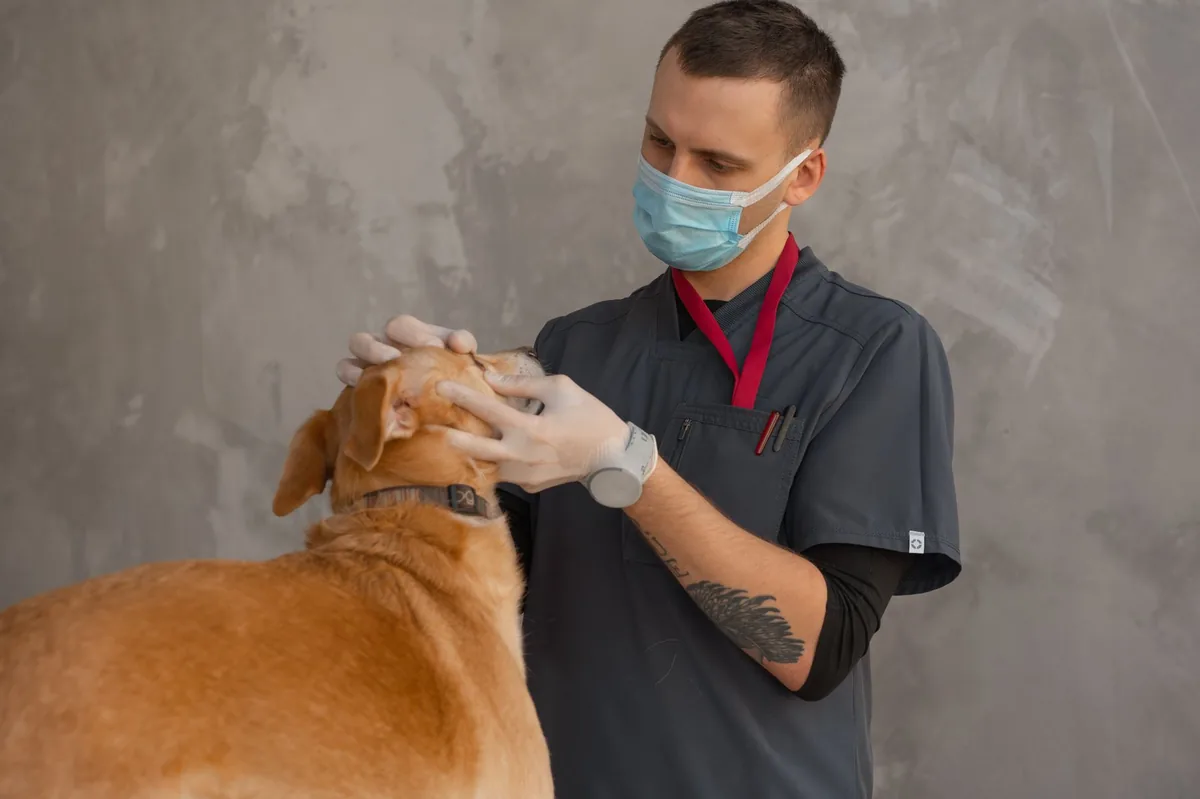
Diagnosis begins with a thorough history and physical exam, focusing on neck mobility and neurologic function.
Imaging is the cornerstone:
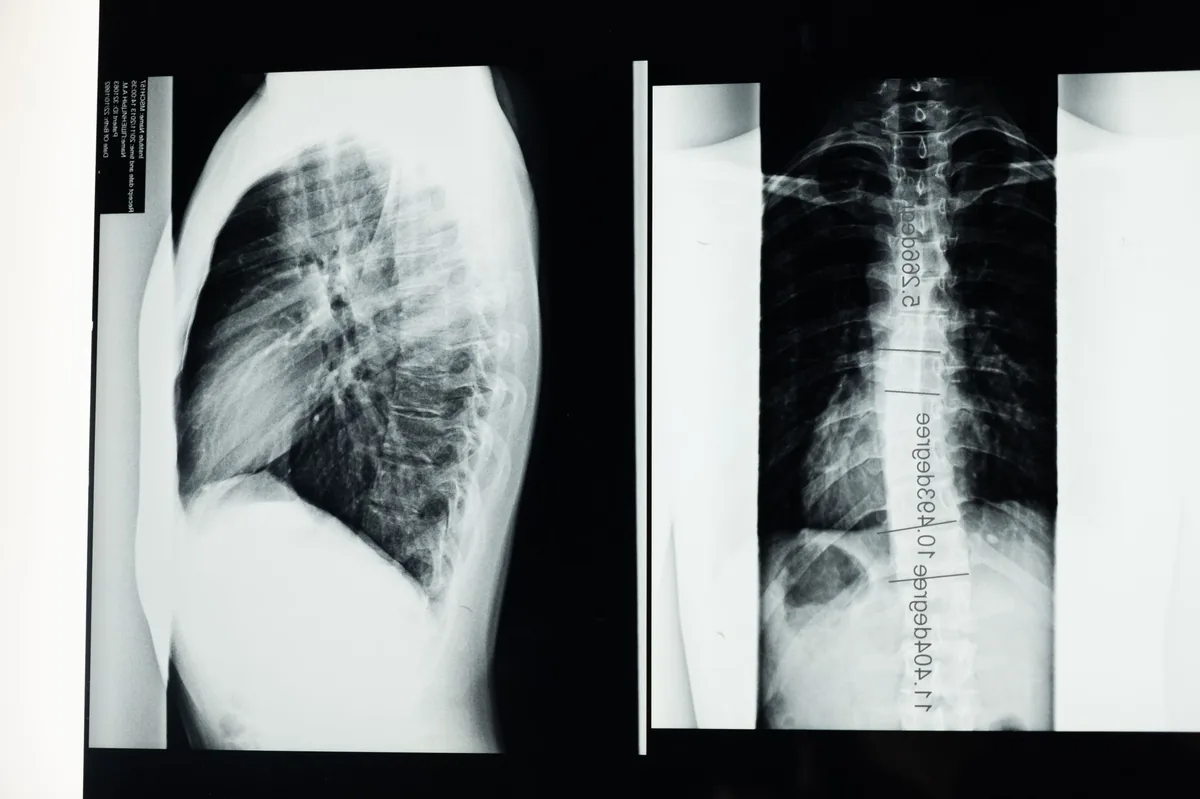
- Radiographs (X‑rays): Lateral and ventrodorsal views can reveal misalignment of C1 and C2, absent dens, or abnormal spacing.
- CT scan: Provides detailed bone anatomy, helping surgeons plan corrective procedures.
- MRI: Evaluates spinal cord compression and any associated soft‑tissue injury.
In some cases, a dynamic (flexion‑extension) radiograph is performed under sedation to see how the vertebrae move relative to each other. Blood work is usually normal but helps rule out other causes of weakness.
Treatment options
Medical treatment
Medical management is generally a short‑term bridge while surgery is planned. It may include:
- Anti‑inflammatory drugs: Non‑steroidal anti‑inflammatory drugs (NSAIDs) such as carprofen to reduce pain and swelling.
- Steroids: Prednisone or dexamethasone can decrease spinal cord inflammation.
- Analgesics: Gabapentin is often added for neuropathic pain relief.
Ask your vet about these options; they will tailor the regimen to your dog’s weight and severity.
Supplements and supportive care
While supplements cannot fix a malformed joint, they can support overall recovery:
- Omega‑3 fatty acids (EPA/DHA): Help control inflammation and may improve nerve health.
- Vitamin B complex: Supports nerve regeneration, especially B12 (cobalamin) if a deficiency is present.
- Probiotics: Maintain gut health during periods of reduced appetite or medication use.
These should be introduced only after discussing them with your vet, as some formulations can interfere with blood‑thinning medications.
Procedures or surgery
Surgical stabilization is the definitive treatment for most dogs with AAI. The two most common techniques are:
- Poly‑axial screw‑plate fixation: Screws are placed into C1 and C2, then a plate holds the vertebrae together.
- Ventral pinning (Pins and Bone Graft): Pins are inserted from the front of the neck and secured with bone graft material to promote fusion.
Both procedures aim to fuse the atlas and axis, eliminating movement that could compress the spinal cord. Post‑operative care includes strict crate rest for 6–8 weeks, physiotherapy, and monitoring for infection.
Diet and nutrition
Nutrition plays a supportive role in healing after spinal surgery and in maintaining a healthy weight for dogs with limited mobility.
Key principles:
- High‑quality protein: Provides the amino acids needed for tissue repair. Look for named meat sources (chicken, turkey, fish) as the first ingredient.
- Digestible carbohydrates: Easy‑to‑digest carbs (sweet potato, rice) supply energy without overloading the gut.
- Omega‑3 fatty acids: As mentioned, EPA/DHA from fish oil can reduce inflammation and support nerve health.
- Controlled calories: Prevent obesity, which adds stress to the cervical spine. Use a calorie calculator like our dog calorie calculator to determine the right amount.
Prescription diets are not mandatory for AAI, but if your dog has concurrent kidney or joint disease, a therapeutic diet (e.g., renal or joint-support formula) may be recommended. Always transition foods gradually over 7–10 days to avoid gastrointestinal upset.
| Food type | Do feed | Limit | Avoid |
|---|---|---|---|
| Commercial dry kibble | High‑protein, limited‑fat formulas | High‑calorie treats | Low‑quality fillers (corn, wheat gluten) |
| Wet/canned food | Moist, easily chewed options | Excessively salty varieties | Heavy gravies with added sugars |
| Home‑cooked meals | Lean meats + veggies + rice | Large bone pieces | Onion, garlic, excessive dairy |
| Supplements | Fish oil, B‑complex as advised | High‑dose vitamin E | Any supplement that interferes with NSAIDs |
Feeding smaller, more frequent meals (e.g., 3‑4 times daily) can help a recovering dog maintain energy without overwhelming the digestive system. Fresh water should always be available, and a shallow bowl can make drinking easier for a dog with limited neck movement.
Cost and prognosis
Financial considerations are a real part of caring for a dog with AAI. Below are typical cost ranges (USD) based on 2024 AAHA and veterinary practice surveys:
| Item | Typical US Cost | Typical UK Cost |
|---|---|---|
| Initial consult & diagnostics (X‑ray, CT) | $300‑$800 | £250‑£650 |
| Surgical stabilization (including implants) | $2,500‑$5,500 | £2,000‑£4,500 |
| Post‑op hospitalization (3‑5 days) | $800‑$1,500 | £600‑£1,200 |
| Rehabilitation & physio (6‑8 weeks) | $500‑$1,200 | £400‑£1,000 |
| Medications (NSAIDs, steroids, supplements) | $100‑$300 | £80‑£250 |
Prognosis varies with age, severity, and whether surgery is performed promptly. Dogs treated surgically before severe neurological deficits develop have a 70‑85 % chance of regaining normal gait. Those with advanced paralysis may still improve, but the odds drop to 40‑50 %.
Long‑term quality of life is generally good if the dog remains pain‑free and maintains a healthy weight. Regular follow‑up exams and physiotherapy are essential to detect any post‑surgical complications early.
Prevention and home care
While you can’t change a dog’s genetics, several practical steps can reduce the risk of AAI or its progression:
- Choose a reputable breeder who screens for cervical spine abnormalities.
- Avoid high‑impact activities (e.g., jumping from furniture) in puppies and young dogs.
- Maintain a healthy body condition score (BCS 4‑5/9) to keep neck strain low.
- Provide a supportive bed that keeps the neck in a neutral position—think orthopedic foam with a slight incline.
- Schedule regular wellness exams; early radiographs can catch congenital issues before they cause symptoms.
- If your dog has already been diagnosed, follow post‑surgical physiotherapy protocols and keep the neck immobilized as instructed.
Routine home monitoring—checking for gait changes, neck pain, or loss of bladder control—helps you catch a flare early. A quick daily “neck wiggle” test (gently moving the head side‑to‑side while your dog is calm) can be a useful baseline; any new resistance or pain should prompt a vet call.
From our vet team: Early detection of atlantoaxial instability is a game‑changer. If you notice any wobble or pain, don’t wait for the condition to worsen. Imaging is fast, and most dogs recover beautifully after surgery when we intervene promptly.
Key takeaways
- Atlantoaxial instability is a misalignment of the first two neck vertebrae, most common in small, young dogs.
- Early signs include neck stiffness, a wobbly gait, and reluctance to jump; severe signs can progress to paralysis.
- Immediate veterinary evaluation is essential—call today for mild signs and go to an emergency clinic for any loss of movement or severe pain.
- Surgical stabilization offers the best long‑term outcome; medical therapy alone is only a temporary bridge.
- Supportive nutrition, controlled calories, and omega‑3 supplements aid recovery, while avoiding high‑fat treats helps keep the neck stable.
- Costs range from a few hundred dollars for diagnostics to several thousand for surgery, but many owners find the investment worthwhile for a happy, active companion.
Myth vs. fact
Myth: AAI only affects puppies and will resolve on its own.
Fact: While most cases appear in young dogs, the condition does not self‑heal. Without surgical stabilization, the joint remains unstable and can lead to permanent spinal cord damage.
Myth: All dogs with neck pain need surgery.
Fact: Mild cases may be managed medically while awaiting surgery, and some dogs with very mild instability may never require an operation if they remain symptom‑free.
Myth: A dog that can still walk doesn’t need urgent care.
Fact: Even subtle neurologic deficits signal spinal cord compression; early intervention greatly improves the chance of full recovery.
Frequently asked questions
Can atlantoaxial instability be hereditary?
Yes. Many small breeds have a genetic predisposition, especially Yorkshire Terriers, Chihuahuas, and Poodles. Responsible breeders often screen puppies with radiographs before breeding.
Is AAI painful for my dog?
Most owners notice neck pain as stiffness, reluctance to move the head, or a “sore” feeling when you gently palpate the neck. Pain can range from mild discomfort to severe, chronic agony.
How long does recovery take after surgery?
Typical recovery involves 6–8 weeks of strict crate rest, followed by a gradual physiotherapy program. Most dogs begin walking normally within 2–3 months, though full strength may take up to 6 months.
Will my dog need lifelong medication?
After successful fusion, many dogs no longer need chronic pain medication. Some may continue a low‑dose NSAID or supplement regimen for joint health, but this is decided case‑by‑case.
What is the typical cost of treatment?
In the United States, total expenses—including diagnostics, surgery, hospitalization, and rehab—usually range from $3,500 to $7,500. Use our cost calculator for a personalized estimate.
Can my dog live a normal life after AAI surgery?
Yes. When surgery is performed before severe neurological deficits develop, most dogs return to normal activity levels and enjoy a good quality of life for years.
Ask the PuppaDogs community
Have a question this article didn’t fully answer? Want to compare notes with other dog owners who’ve been through this? Our community forum is moderated by experienced owners and vets — and answers tend to come fast. Ask in the PuppaDogs community →
References
- American College of Veterinary Internal Medicine (ACVIM). “Cervical Spine Disorders in Small Dogs.” 2023.
- American Animal Hospital Association (AAHA). “Guidelines for the Diagnosis and Treatment of Atlantoaxial Instability.” 2022.
- Merck Veterinary Manual. “Atlantoaxial Instability (Cervical Vertebral Malformation).” Updated 2024.
- Cornell University College of Veterinary Medicine. “Surgical Stabilization of the Upper Cervical Spine.” 2023.
- World Small Animal Veterinary Association (WSAVA). “Pain Management in Dogs.” 2022.
- American Veterinary Medical Association (AVMA). “Veterinary Cost Transparency and Billing Practices.” 2023.


