












Quick take: Artery inflammation (vasculitis) in dogs is a rare but serious condition where blood‑vessel walls become inflamed, often due to autoimmune disease or infection. Early signs include lethargy, pale gums, and swelling; prompt veterinary care is essential. Treatment combines anti‑inflammatory meds, supportive diet, and sometimes surgery, with costs varying from a few hundred to several thousand dollars.
It’s 11 p.m., and your 12‑year‑old mixed‑breed Labrador isn’t answering the door like he usually does. When you finally coax him out, his tongue is a little paler than usual and he seems to sigh with each step. You glance at the kitchen counter, see his water bowl untouched, and the night‑time Googling begins. You wonder, “Is this just old age, or could something be wrong with his arteries?”
We get it—when a beloved companion shows subtle changes, the worry can feel overwhelming. Artery inflammation, medically called vasculitis, is one of those hidden conditions that can mimic other heart or circulatory problems. The good news is that with early detection, many dogs can be stabilized and live comfortably. In this guide we’ll explain what artery inflammation is, why it happens, how to spot it, what the vet will do to diagnose it, and the range of treatments, costs, and preventive steps you can take.
Read on to learn the red‑flag signs, the diagnostic work‑up, nutrition tips, and realistic expectations for recovery. We’ll also point you toward helpful resources on our community forum and the Dog Questions Answered page for further support.
What is artery inflammation in dogs?
Artery inflammation, or vasculitis, is an immune‑mediated attack on the walls of the blood vessels that carry oxygen‑rich blood from the heart to the rest of the body. Inflammation makes the vessel walls thickened, stiff, or even leaky, which can restrict blood flow and damage organs downstream. While vasculitis can affect veins, arteries are the most concerning because they supply critical organs like the brain, kidneys, and muscles.
In dogs, vasculitis is relatively uncommon, accounting for less than 1 % of all canine inflammatory diseases according to the American College of Veterinary Internal Medicine (ACVIM). It can appear at any age but is most often seen in middle‑aged to senior dogs, especially certain breeds that have a genetic predisposition to autoimmune disorders.
What causes artery inflammation?
Vasculitis can arise from several different triggers. In many cases, the exact cause remains unknown (idiopathic), but the following categories are most frequently identified:
| Category | Typical Triggers |
|---|---|
| Autoimmune disease | Systemic lupus erythematosus, immune‑mediated polyarthritis, rheumatoid arthritis‑like conditions. |
| Infectious agents | Bacterial (e.g., Bartonella, Leptospira), fungal (e.g., Histoplasma), viral (e.g., canine parvovirus) infections. |
| Drug reactions | Vaccines, antibiotics, or other medications that provoke a hypersensitivity response. |
| Underlying neoplasia | Cancers that stimulate abnormal immune activity, such as lymphoma. |
Breed predisposition also plays a role. Studies from the American Kennel Club (AKC) and Cornell University indicate that German Shepherds, Boxers, and Siberian Huskies have a slightly higher incidence of immune‑mediated vasculitis. Senior dogs with a history of autoimmune disease, chronic infections, or long‑term drug exposure are especially at risk.
Signs and symptoms
Because arteries are deep structures, the first clues often come from the organs they supply rather than the vessels themselves. Look for these patterns, which progress from mild to severe:
| Severity | Typical Signs |
|---|---|
| Mild | Pale or bluish gums, reduced stamina on walks, occasional cough, mild fever (101‑102 °F). |
| Moderate | Swelling of limbs or abdomen, noticeable weight loss, lethargy, vomiting, diarrhea, irregular heartbeat. |
| Severe | Sudden collapse, severe pain in the abdomen or joints, hemorrhage (blood in stool or urine), organ failure (kidney or liver), shock. |
Early signs can be confused with heart disease, anemia, or simply “old age.” A key differentiator is the combination of pale gums with localized swelling or unexplained pain, especially if it appears suddenly.

When to call your vet
Call your vet today if you notice:
- Pale, bluish, or grayish gums.
- Sudden loss of energy or reluctance to walk.
- Unexplained swelling of limbs, abdomen, or face.
- Vomiting, diarrhea, or blood in stool/urine.
Go to an emergency veterinary hospital right now if you see:
- Collapsing or inability to stand.
- Severe pain (whining, shaking, guarding a specific area).
- Signs of shock: rapid shallow breathing, cold extremities, very low gum color.
- Sudden bleeding from any site.
This article is for informational purposes only and does not replace professional veterinary care. If you suspect artery inflammation, contact your veterinarian promptly.
How vets diagnose artery inflammation
The diagnostic work‑up is systematic, starting with a thorough history and physical exam. Your vet will:
- Physical exam: Palpate for swelling, listen for heart murmurs, and assess gum color and capillary refill.
- Blood work: Complete blood count (CBC) to check for anemia, chemistry panel for organ function, and inflammatory markers such as C‑reactive protein (CRP). Elevated CRP is a clue that an inflammatory process is active.
- Immunologic testing: Antinuclear antibody (ANA) test and rheumatoid factor to screen for autoimmune disease, per AAHA guidelines.
- Imaging: Ultrasound of affected vessels (often abdominal aorta or peripheral arteries) to visualize wall thickening; Doppler studies assess blood flow. In some cases, a CT angiogram or MRI may be recommended for detailed mapping.
- Biopsy: If the diagnosis remains uncertain, a small tissue sample from the affected vessel can be examined under a microscope. This is usually done by a board‑certified veterinary internist or surgeon.
Specialist referral to a veterinary cardiologist or internal medicine specialist is common, especially when the vasculitis involves major arteries that could threaten organ perfusion.
Treatment options
Medical treatment
First‑line therapy aims to suppress the immune response and reduce inflammation. Common drug classes include:
- Corticosteroids (e.g., prednisolone) – the cornerstone for most vasculitis cases.
- Immunosuppressants such as azathioprine or cyclosporine – used when steroids alone are insufficient.
- Non‑steroidal anti‑inflammatory drugs (NSAIDs) – may be added for pain control, but only under vet supervision because of potential kidney effects.
- Antibiotics or antiparasitics – prescribed if an infectious trigger is identified (e.g., doxycycline for Bartonella).
All medications are dosed based on your dog’s weight and disease severity; ask your vet about each option and potential side effects.
Supplements and supportive care
Adjunctive nutrition can aid recovery, though supplements are not a cure:
- Omega‑3 fatty acids (EPA/DHA) – anti‑inflammatory properties; fish‑oil capsules are well‑studied in canine immune disorders (WSAVA).
- Vitamin C and E – antioxidants that may help protect vascular endothelium; evidence is modest but generally safe.
- Probiotics – support gut health, especially if high‑dose steroids cause gastrointestinal upset.
These should be introduced gradually and discussed with your vet to avoid interactions.
Procedures or surgery
Surgery is rare but may be required if a specific artery becomes critically narrowed or ruptured. Options include:
- Vascular bypass grafting – creating a new pathway for blood flow.
- Endovascular balloon angioplasty – minimally invasive widening of the vessel.
These procedures are performed by veterinary surgeons at referral centers and typically involve a 2‑week hospital stay. Recovery can take 4‑8 weeks, and costs range from $5,000 to $12,000 (US) or £4,000‑£9,000 (UK), depending on complexity.
Diet and nutrition
While no single diet cures vasculitis, feeding strategies that reduce systemic inflammation and support organ function can improve outcomes. Here’s a practical plan:
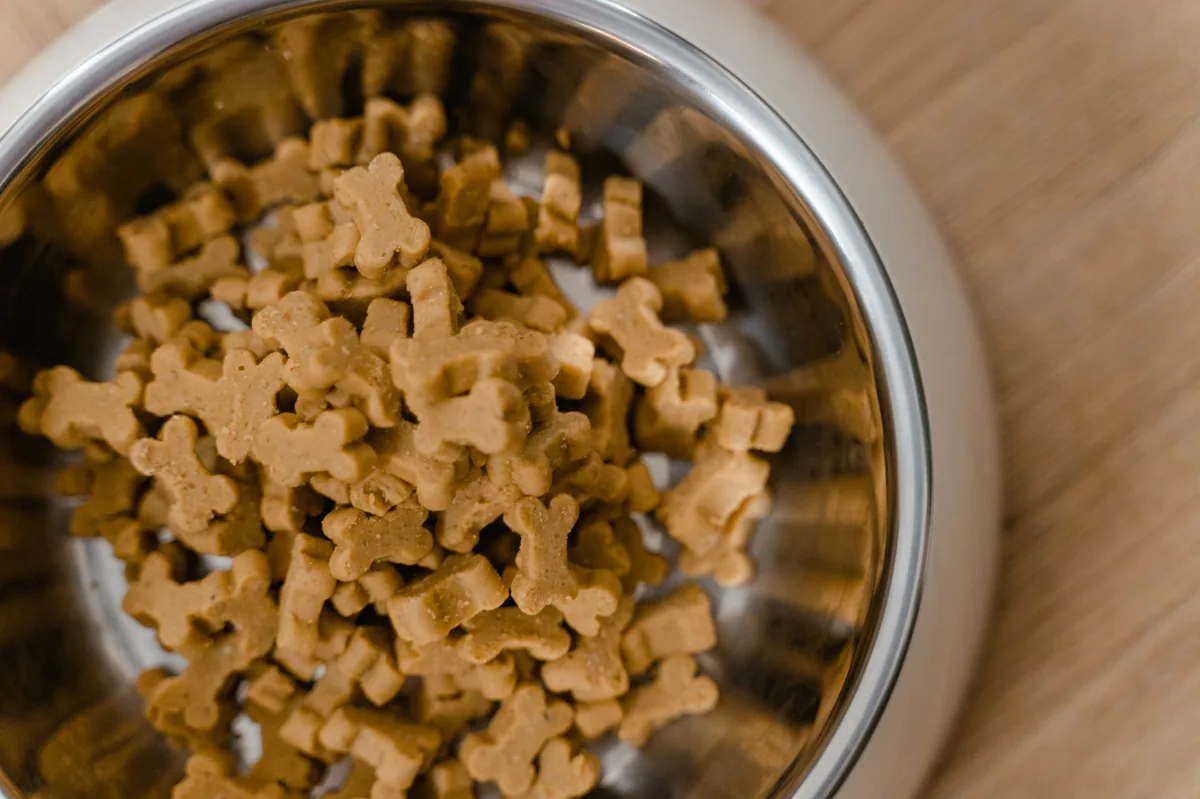
- High‑quality protein – Easily digestible sources (e.g., boiled chicken, turkey, or a commercial senior protein formula) help maintain muscle mass while limiting excess metabolic waste.
- Low‑sodium – Reduces strain on the cardiovascular system; aim for < 0.3 % sodium on a dry‑matter basis.
- Omega‑3 enriched foods – Choose kibble or wet food with added fish oil, or supplement with a certified fish‑oil capsule (EPA ≥ 30 %).
- Antioxidant‑rich ingredients – Blueberries, pumpkin, and sweet potato provide vitamins C and E, plus fiber to support gut health.
- Avoid high‑fat treats – Fatty table scraps can aggravate inflammation and may trigger pancreatitis in susceptible dogs.
Many veterinarians recommend a therapeutic “renal‑support” diet for dogs with vasculitis affecting the kidneys, as these foods are low in phosphorus and high in moisture, easing the filtration burden.
| Do feed | Limit | Avoid |
|---|---|---|
| Lean boiled meats, low‑sodium kibble, omega‑3 enriched foods, fresh vegetables (carrots, green beans). | Cooked eggs, low‑fat cheese, occasional low‑sodium broth. | High‑fat treats, processed meats, salty snacks, raw bones that may splinter. |
Transition to any new diet gradually over 7‑10 days to prevent gastrointestinal upset. Offer smaller, frequent meals (3‑4 times daily) instead of one large bowl, which can help maintain stable blood pressure and reduce stress on inflamed vessels.
For personalized feeding calculations, our dog nutrition calculators can estimate daily caloric needs based on weight, age, and activity level.
Cost and prognosis
Because vasculitis is a complex, multi‑step diagnosis, costs can vary widely. Below is a rough breakdown (all figures are estimates and may differ by region):
| Service | US Estimate | UK Estimate |
|---|---|---|
| Initial exam & basic bloodwork | $150‑$300 | £120‑£250 |
| Advanced imaging (ultrasound, CT, MRI) | $500‑$2,000 | £400‑£1,500 |
| Immunologic testing (ANA, RF) | $200‑$400 | £150‑£300 |
| Medication (8‑12 weeks of steroids + immunosuppressant) | $250‑$800 | £180‑£600 |
| Supplements (omega‑3, antioxidants) | $30‑$100 | £25‑£80 |
| Surgery (if needed) | $5,000‑$12,000 | £4,000‑£9,000 |
Overall prognosis depends on the underlying cause, how quickly treatment begins, and whether major organs have been compromised. Dogs with idiopathic vasculitis that respond to steroids have a good to excellent outlook, with many returning to normal activity within 3‑6 months. When the disease is linked to an infection or cancer, the prognosis mirrors that of the primary condition.
Prevention and home care
While you can’t eliminate every risk, several everyday habits can lower the chance of artery inflammation:
- Regular wellness exams: Annual check‑ups catch early immune changes before they become severe (AAHA preventive care guidelines).
- Vaccination updates: Follow the ACVIM schedule; avoid over‑vaccination, which can occasionally trigger immune reactions.
- Parasite control: Use a year‑round tick and flea preventer approved for your region (e.g., Bravecto, NexGard) to reduce vector‑borne infections.
- Balanced diet: Feed a high‑quality, low‑salt diet and add omega‑3 supplements as recommended.
- Stress reduction: Minimize sudden environmental changes; consistent routines help keep the immune system stable.
- Monitor for early signs: Keep an eye on gum color, activity level, and any new swelling. A quick home check of gums each morning can be a valuable early warning.
If your dog has a known autoimmune disease, discuss a long‑term immunomodulatory plan with your vet, and schedule regular bloodwork to track inflammatory markers.
From our vet team: “Artery inflammation can look like many other problems, so we always start with a thorough physical exam and a basic blood panel before moving to advanced imaging. Early intervention with steroids often turns a scary diagnosis into a manageable condition. If you’re ever unsure, a quick call to your vet can save weeks of uncertainty.”
Key takeaways
- Artery inflammation (vasculitis) is an immune‑driven condition that can affect any dog, but senior, autoimmune‑prone breeds are most at risk.
- Early red flags include pale gums, sudden lethargy, and unexplained swelling; contact your vet right away.
- Diagnosis involves blood work, imaging, and sometimes a vessel biopsy; specialist referral is common.
- Treatment centers on steroids and immunosuppressants, supported by omega‑3 supplements and a low‑salt, high‑quality diet.
- Costs range from a few hundred dollars for diagnostics to several thousand for surgery; prognosis is good when caught early.
- Preventive care—regular exams, up‑to‑date vaccines, parasite control, and stress‑free routines—helps lower the chance of vasculitis developing.
Myth vs. fact
Myth: Artery inflammation is the same as heart disease.
Fact: Vasculitis is an inflammation of the blood‑vessel walls, while heart disease involves the heart muscle or valves. They can coexist but are distinct conditions.
Myth: Only large‑breed dogs get artery inflammation.
Fact: While some large breeds have a higher genetic predisposition, any dog—small or mixed—can develop vasculitis, especially if they have autoimmune or infectious triggers.
Myth: If my dog feels fine, there’s no need for treatment.
Fact: Vasculitis can be silent at first; early treatment prevents organ damage even before obvious symptoms appear.
Frequently asked questions
What causes artery inflammation in dogs?
Artery inflammation, or vasculitis, most often stems from autoimmune disorders, infections (like Bartonella or Leptospira), drug reactions, or underlying cancers. Breed predisposition and age also play roles.
How can I tell if my dog has inflamed arteries?
Key signs are pale or bluish gums, sudden lethargy, unexplained swelling, and pain on palpation. Because these symptoms overlap with other illnesses, a veterinary exam with blood work and imaging is needed for confirmation.
Is artery inflammation the same as vasculitis in dogs?
Yes. “Vasculitis” is the medical term for artery (and sometimes vein) inflammation. The two phrases describe the same condition.
What tests does a vet use to diagnose artery inflammation?
Vets start with a physical exam, CBC, chemistry panel, and inflammatory markers (CRP). Imaging—ultrasound, Doppler, CT, or MRI—visualizes vessel walls. Immunologic tests (ANA, RF) and, rarely, a biopsy may be performed to pinpoint the cause.
Can medication reverse artery inflammation in dogs?
Anti‑inflammatory drugs, especially corticosteroids, can dramatically reduce vessel inflammation and improve clinical signs. Success rates are highest when treatment begins early and the underlying trigger is addressed.
Will my dog need surgery for arterial inflammation?
Surgery is uncommon and reserved for cases where an artery is severely narrowed or ruptured. Most dogs are managed medically; surgery is considered only when the risk of organ damage is high.
Ask the PuppaDogs community
Have a question this article didn’t fully answer? Want to compare notes with other dog owners who’ve been through this? Our community forum is moderated by experienced owners and vets — and answers tend to come fast. Ask in the PuppaDogs community →
References
- American College of Veterinary Internal Medicine (ACVIM). “Vasculitis in Dogs” clinical guidelines, 2022.
- American Animal Hospital Association (AAHA). “Preventive Care Guidelines for Dogs,” 2023.
- World Small Animal Veterinary Association (WSAVA). “Nutritional Recommendations for Inflammatory Conditions,” 2021.
- Merck Veterinary Manual. “Vasculitis, Canine” chapter, updated 2023.
- American Kennel Club (AKC). Breed predisposition data for autoimmune disease, 2022.
- Cornell University College of Veterinary Medicine. “Autoimmune Disorders in Dogs,” 2022.
- American Veterinary Medical Association (AVMA). “Vaccination and Immune-Mediated Disease,” 2021.
- Plumb’s Veterinary Drug Handbook, 9th edition, 2022.


